Aluminum beverage can lining refers to a protective film inside the aluminum beverage can. Its main function is to prevent the beverage from directly contacting the aluminum material, thereby protecting the quality and taste of the beverage and preventing aluminum ions from dissolving into the beverage. This lining is usually made of polymer materials, common materials include epoxy resin and epoxy amino resin. These materials have good chemical stability and barrier properties, and can effectively prevent aluminum ions from dissolving into the beverage.
It is important to note that not all aluminum beverage cans are lined, depending on the manufacturer's design and selection. At the same time, the quality and integrity of the lining are crucial to ensuring the safety and quality of beverages, so when selecting and using aluminum beverage cans, you should pay attention to the condition of the lining.
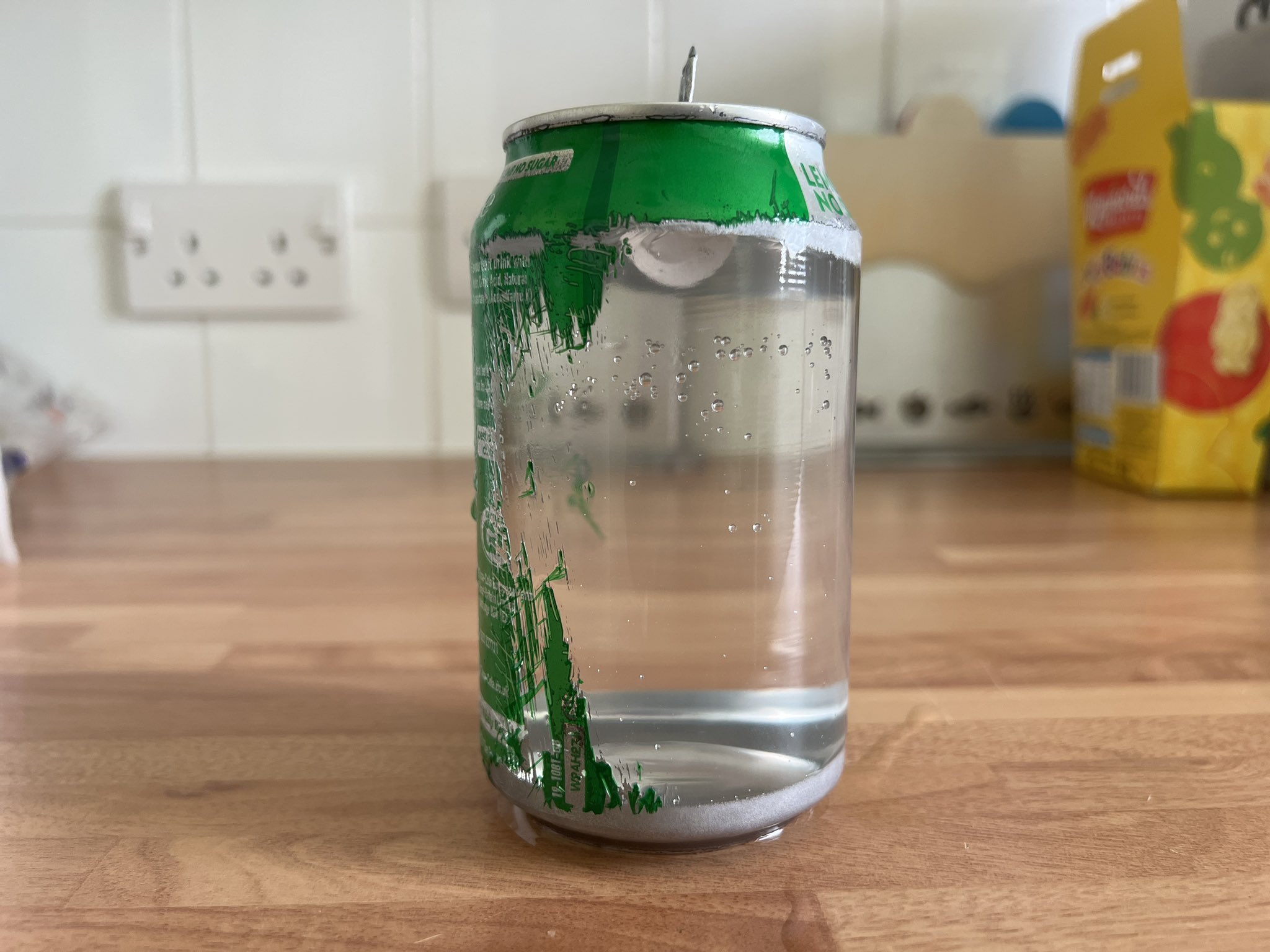
Aluminum beverage cans usually have a layer of polymer coating, mainly epoxy resin, to prevent the beverage from directly contacting the aluminum. This coating can effectively prevent aluminum ions from dissolving into the beverage while maintaining the quality and taste of the beverage. Aluminum cans are generally coated with a protective layer on the inner layer. If acidic beverages are placed for a long time, the protective layer will be damaged. Acidic items will react with aluminum electrolytically, causing a large amount of aluminum ions to enter the beverage. Long-term drinking will lead to Alzheimer's disease. In addition, beverage aluminum cans can be 100% recycled and turned into new aluminum products. The recycling volume greatly increases the recycling rate of metal resources. In principle, aluminum beverage cans are not recommended for reuse because they are designed for one-time use and may also affect the quality and safety of beverages.
In summary, the lining of aluminum beverage cans is not suitable for reuse. Reuse may damage the lining and bring health risks. It is recommended to use aluminum beverage cans as disposable packaging containers in accordance with the original intention of product design.
Aluminum poisoning: During the repeated use of aluminum beverage can linings, aluminum may gradually dissolve into the beverage. Long-term excessive intake of aluminum cans can lead to aluminum poisoning. Symptoms of aluminum poisoning may include endocrine disorders, electrolyte disorders, etc.
Anemia: Aluminum interferes with the body's absorption of iron, leading to iron deficiency anemia. Symptoms of iron deficiency anemia include dizziness, fatigue, etc.
Nervous system damage: Aluminum accumulation in the body may cause brain damage, especially affecting memory and increasing the risk of Alzheimer's disease. Excessive deposition of aluminum may accelerate the degeneration of brain neurons, leading to memory loss and other neurological problems.
Bone disease: Excessive intake of aluminum can also affect calcium and phosphorus metabolism, leading to bone diseases such as osteomalacia, etc.
Gastrointestinal disease: Direct irritation of aluminum or deposition of aluminum salts in the stomach may cause gastrointestinal diseases.
Whether the lining of aluminum beverage cans needs to be replaced generally depends on their use and condition. The lining of aluminum beverage cans is to protect the beverage from the possible effects of direct contact with aluminum, and also helps to maintain the freshness and taste of the beverage. The following is the basis for judging whether the lining of aluminum beverage cans needs to be replaced:
Integrity check: Regularly check whether the lining of aluminum beverage cans is intact and whether there is any damage or detachment. If the lining is found to be damaged or detached, it should be replaced immediately to prevent aluminum metal from penetrating into the beverage.
Signs of aging: The lining of aluminum beverage cans used for a long time may lose its original performance due to aging. If the lining shows signs of aging, such as brittleness, discoloration, etc., it should also be considered for replacement.
If aluminum beverage cans are not used frequently, it is recommended to store them in a dry and cool place to extend the service life of the lining. However, for disposable aluminum beverage cans, since they are not designed for long-term use, there is usually no need to consider replacing the lining. Aluminum cans also have a shelf life. After this period, the aluminum cans will be scrapped.


