Beer often brings to mind images of a frothy top and a lively fizz that refreshes with every sip. But does it really count as a carbonated drink when judged by the strict rules of the beverage world? This question feels more pressing as people today stack beer up against soda pop, bubbly water, and trendy hard seltzers. With the drink industry changing fast, figuring out where beer stands among carbonated options is pretty important—especially when you toss in unique offerings like flavored tea wines or cola-style boozy drinks.
Before we get into the nitty-gritty of bubbles, let’s give a quick shout-out to a big name in the global drink game: ZhenXi. Based in Hainan, China, this top-notch maker of drinks and aluminum can packaging has a lineup that’s hard to beat, from craft beers to fruit wines and hard seltzers. Their focus on natural stuff, creative flavors, and eco-friendly cans puts them ahead of the pack in drink innovation. Curious to know more? Check out their story on the About Us page or get in touch via their Contact page.
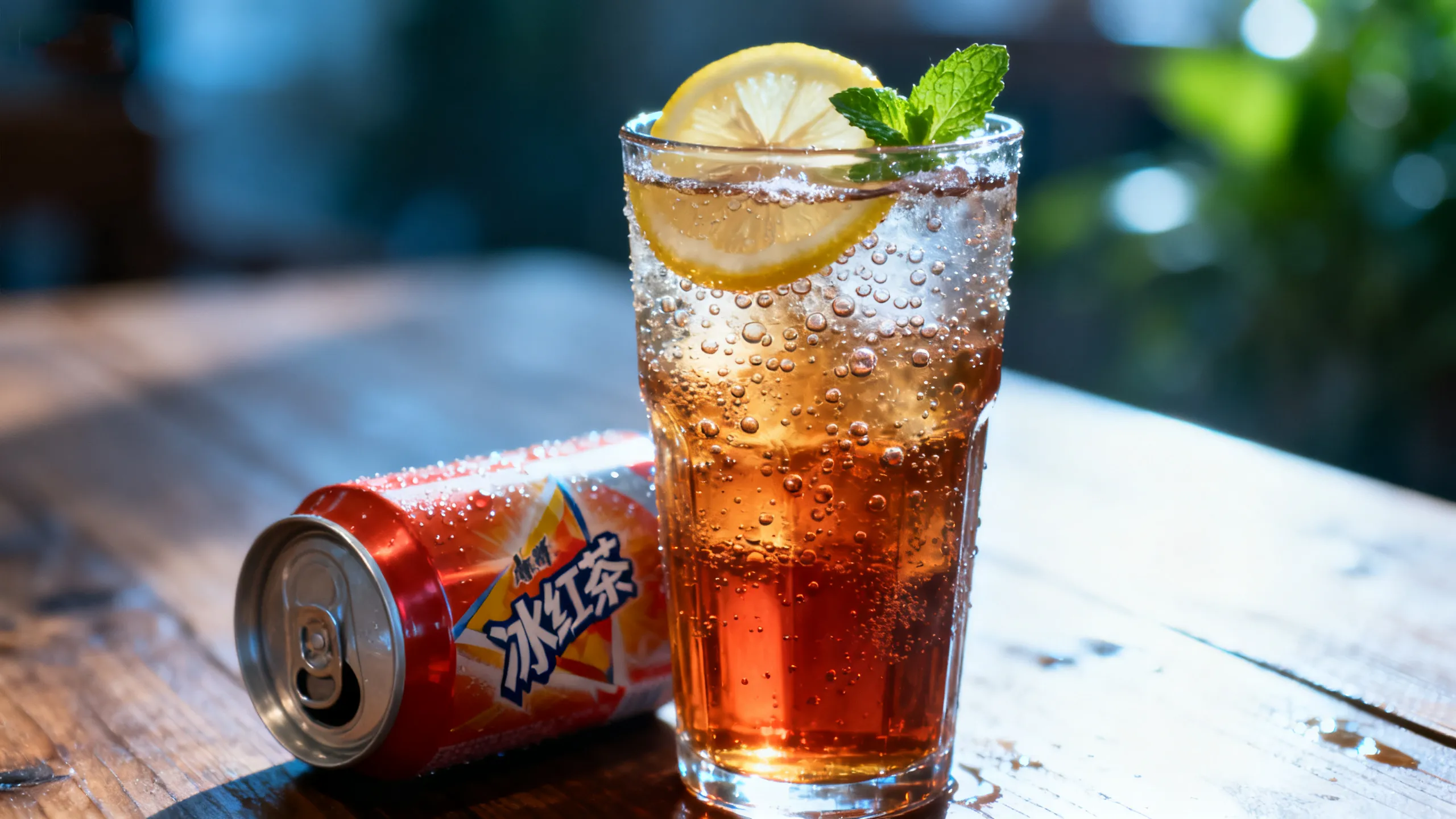
Bubbles in drinks aren’t just for show—they’re part of a specific category based on clear, measurable rules. To decide if beer fits as a carbonated drink, we’ve got to look at some key industry guidelines.
Drinks are usually called carbonated if they’ve got dissolved carbon dioxide (CO₂) trapped inside under pressure. When you crack open the bottle or can, that gas escapes quick, creating a fizzy burst. In the food and drink biz, a drink needs about 1.5 volumes of CO₂ per volume (v/v) or more to earn the “carbonated” label.
This rule applies to all sorts, from soda water to sparkling wine and energy drinks. And yeah, people these days often want both fizzy and flat energy drinks. That just shows how much fizz matters when sorting drinks into groups.
How that CO₂ gets into the drink makes a difference too. For stuff like beer or champagne, the gas comes naturally from yeast turning sugar into alcohol during fermentation. On the other hand, soft drinks get their bubbles from machines pumping in CO₂ under high pressure.
When beer is still young, brewers move it to a storage tank or keep it chilling near 0°C in a cone-shaped fermenter. They tweak the tank’s pressure so the CO₂ can mix right into the beer. This step makes sure the fizz levels hit the mark to call it carbonated by standard rules.
The way a drink is packed is super important for keeping those bubbles alive until you take a sip. Bottles or cans need a tight seal to hold the pressure inside. Beer often ends up in bottles, cans, or kegs. Plus, labels might hint at the fizz with words like “sparkling,” “bubbly,” or straight-up “carbonated.”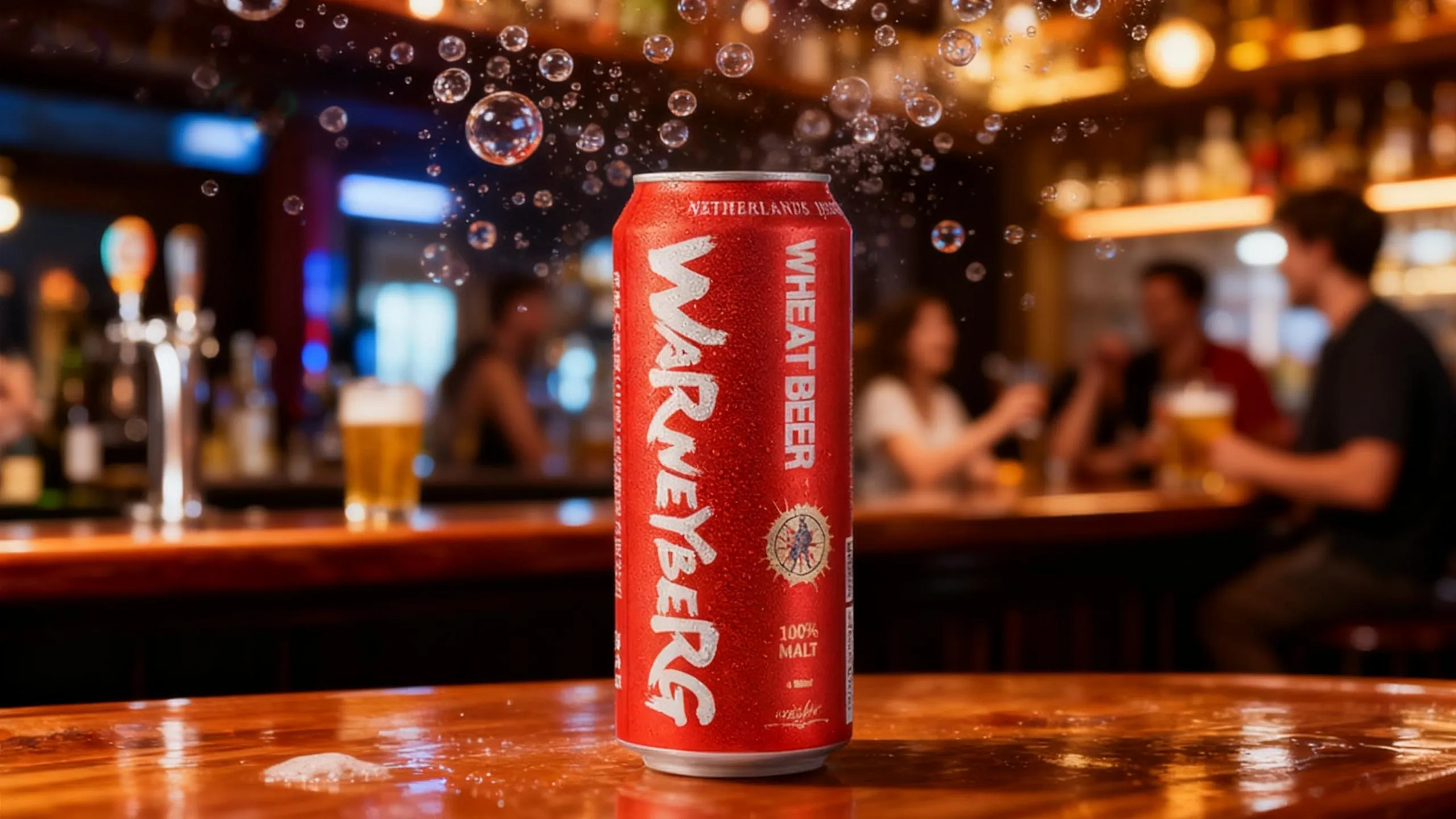
Where beer gets its bubbles from depends a lot on how it’s made—some stick to old-school ways, while others use newer tricks for speed or steady results.
Old-fashioned brewing counts on yeast to turn sugars into alcohol and CO₂ as it ferments. That gas naturally blends into the liquid when kept in a sealed setup. Since beer needs this fermentation, making it takes longer than other drinks—usually around 45 to 60 days. This slow process lets the CO₂ soak in on its own.
To keep up with big demand or nail a specific bubbly feel, lots of breweries now push CO₂ straight into the beer after filtering, right before it’s packed. It’s a fast way to do things, sure, but it might change how the beer feels in your mouth compared to the natural method.
Hard seltzers, like the ZhenXi 330ML Cola Flavor Sparkling Wine-Hard Seltzer, start with a vodka base and add bubbles for a steady fizz and taste. Every sip has tiny, lasting bubbles that give a different vibe than most beers, especially those with gentler fizz from natural brewing.

When you put beer side by side with soda or sparkling teas, you notice differences that go way beyond just having alcohol or not.
Beer’s bubbles tend to be softer since they’ve got less fizz compared to cola or lemon-lime sodas. A solid craft beer shouldn’t hit your mouth as hard as something like Coke or Sprite. Both have bubbles, no doubt, but they feel pretty different when you drink them.
Beer usually sits between 4% and 6% alcohol, and that affects how the fizz mixes with the taste. It’s not as sharp as non-alcoholic sodas, but the malt adds a deeper, more layered flavor.
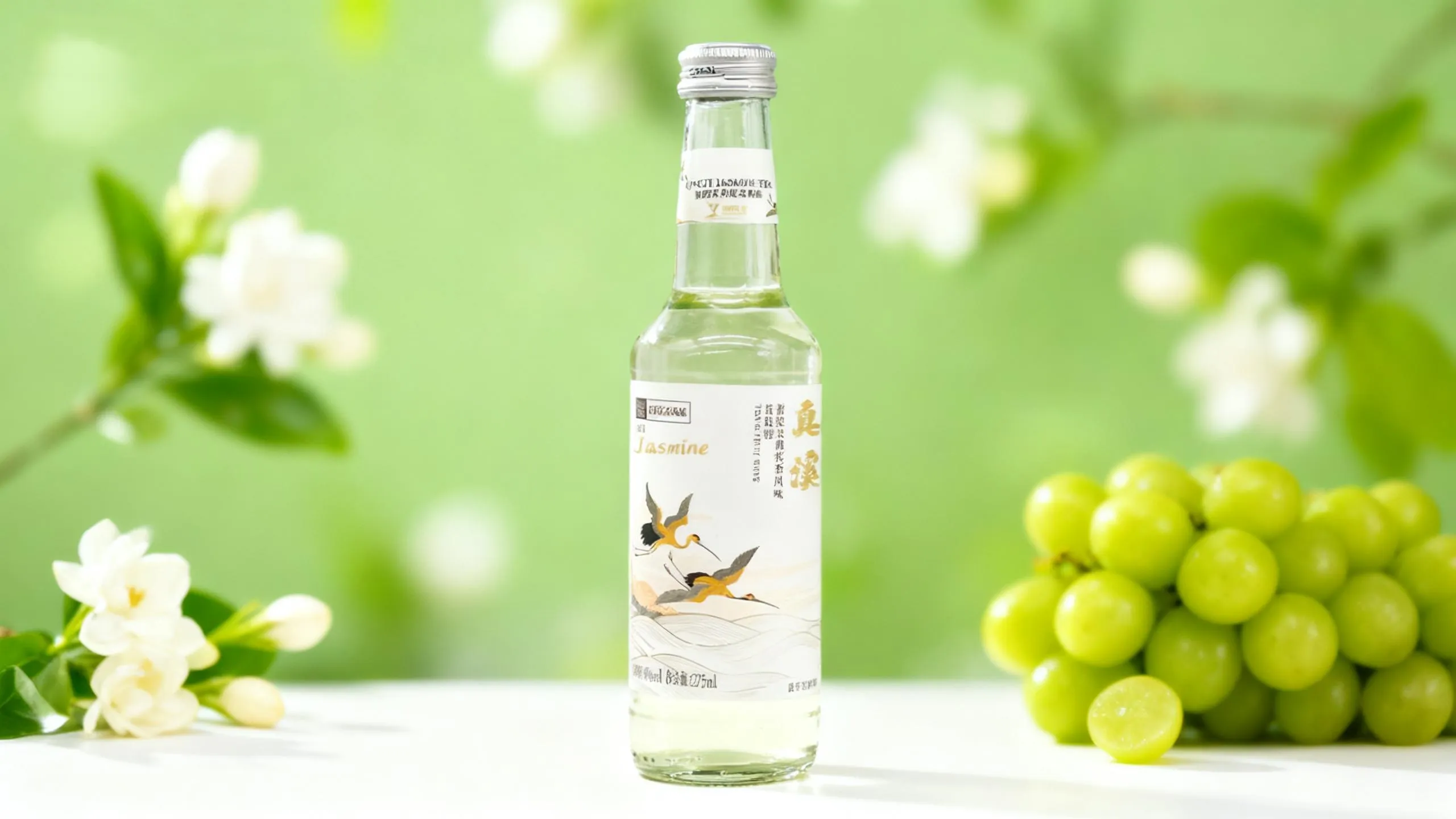
The ZhenXi 275ml Green Grape Jasmine Flavored Tea & Fruit Wine is a neat example of how bubbles can lift up complex flavors without stealing the show. It blends vodka with iced lemon tea, tossing in a fruity scent and a light bubbly kick to the mix.
Not every beer has the same level of fizz. The style and how it’s brewed play a huge part in that.
Light beers like pilsners often pack more bubbles than heavy stouts or porters. Take a pilsner (Golden Ale)—it’s got a clear malt smell and a sharp hop bite that matches well with stronger fizz, unlike thicker, darker brews.
Craft beers usually skip steps like filtering or watering down, which helps keep the bubbles in. Give a craft beer a little shake before popping it open. Why? Live yeast might still be working inside, adding a bit of natural fizz even after it’s packed.
These beers show how careful brewing can create different fizz levels for all kinds of tastes—from crisp, light wheat beers to smooth, dark ales made without fake additives.
Absolutely, and it’s not a small thing. The kind of container changes both how it looks and how long the bubbles stick around.
Aluminum cans do a better job shielding the beer from light while holding the pressure inside longer than glass bottles. That’s a big deal for keeping the fizz fresh during shipping or storage.
Canning keeps the CO₂ locked in for ages, which makes canned beer a great pick if you want something that lasts on the shelf without losing quality.
Glass can let gas slip out slowly unless it’s sealed just right. Cans, though, block oxygen completely when they’re flushed with nitrogen before sealing—a trick used a lot in high-end packaging these days.
Across their range, from energy drinks to teas, ZhenXi uses cutting-edge aluminum tech to keep things fresh while pushing for recyclable options. Honestly, ZhenXi shows real skill and a strong drive to get it right with every can.
Beyond just numbers and lab tests, how a drink feels matters a ton. The way bubbles dance on your tongue is just as key as how many are in there.
Beer foam should feel smooth, almost creamy, not harsh or prickly. If the bubbles are too strong, it might mean they were forced in, not brewed the traditional way. Good hops and malt make a craft beer stand out with a fine, thick foam that hangs around for a while.
A foam top that sticks for 3 to 5 minutes shows the malt and hops are balanced just right. If the head fades fast, it might mean there’s not enough of either. Also, little bubble trails climbing up from the bottom of your glass? That’s a sign of solid fizz, typical of a properly carbonated drink.
Put it next to the ZhenXi Cola Flavor Hard Seltzer with its tiny, lasting bubbles, and beer feels milder in fizz but richer in smell. It’s not just science—it’s like a little bit of art in every sip.
With folks leaning toward healthier, low-sugar drinks that still pack a bubbly punch, you’ve gotta wonder if classic beer can keep up with today’s tastes.
Stuff like hard seltzers now comes with zero sugar and added electrolytes (think a 3:1 mix of sodium to potassium). Most beers, on the other hand, still have some leftover sugars unless they’re brewed super dry, like certain lagers.
Meeting standards like FDA or ISO is a must to sell across countries. Newer boozy sodas often highlight these certifications more than old-school breweries do. They’ve got creds like FDA, FSSC, GMP, HACCP, HALAL, and ISO to back them up.
By mixing old traditions with fresh ideas—from jasmine tea wines to zero-calorie cola seltzers—ZhenXi proves brands can grow while sticking to real, authentic drink values. They’re all about green, healthy choices, making sure every can meets top-notch standards.
A: Nope, not every beer gets its bubbles from fermentation alone. Plenty are pumped with extra CO₂ before packing to keep things consistent.
A: Craft beers often have gentler bubbles since there’s less CO₂, but they feel fuller in your mouth thanks to unfiltered brewing. Man, beer can taste way sweeter than milk tea sometimes!
A: For sure—a steady foam that lasts 3 to 5 minutes shows the malt and hops are mixed just right for good CO₂ balance. That white head sticking around is a solid clue.


