Vitamin C is a water-soluble vitamin, also known as L-ascorbic acid, with a molecular formula of C6H8O6 and a molecular weight of 176.12. Vitamin C is a monoclinic crystal that is usually flaky and sometimes needle-shaped. It is odorless, sour, easily soluble in water, and has strong reducing properties. It participates in the complex metabolic process of the body, can promote growth and enhance resistance to disease, and can be used as a nutritional supplement, antioxidant, and wheat flour improver. However, excessive supplementation of vitamin C is not beneficial to health, but harmful, so it needs to be used reasonably.

Enhance immunity: Vitamin C can also play a role in improving immunity. Vitamin C has the effect of promoting antibody production. High concentrations of vitamin C help reduce cystine in food protein to cysteine, and then synthesize antibodies in the body to improve the body's immunity.
Beauty and skin care: Because vitamin C can promote the synthesis of collagen, it makes the connection between protein cells tighter, making the skin more elastic, shiny, and firm. Vitamin C can prevent melanin deposition and promote melanin metabolism. Supplementing vitamin C can prevent the formation of spots and gradually whiten the skin. Women with chloasma can eat more foods rich in vitamin C.
Promote iron absorption: Vitamin C helps promote intestinal absorption of iron. Vitamin C can reduce trivalent iron in food to divalent iron, which is easier to be absorbed by the human body. Proper supplementation of vitamin C helps prevent the occurrence of iron deficiency anemia.
Promote cholesterol metabolism: Cholesterol is an important component of cell membranes and plasma lipoproteins, and is also a precursor of many important substances, such as bile acid, adrenal cortex hormones, vitamin D, sex hormones, etc. In the process of cholesterol metabolism, vitamin C is a coenzyme for the hydroxylation of the cholesterol ring part, and the side chain decomposes into bile acid. Therefore, vitamin C can regulate the metabolism and synthesis of cholesterol in both directions.
Anti-cancer and anti-tumor: Since the 1970s, people have begun to study the anti-tumor and anti-tumor effects of vitamin C. After many clinical trials and animal experiments, the secrets of the anti-cancer and anti-tumor effects of vitamin C have gradually been revealed. Vitamin C can enhance the activity of most enzymes in the TET family, correspondingly reduce or even avoid DNA hypermethylation, promote the expression of tumor suppressor genes, promote stem cell differentiation, and enhance the immune information induced by DNA methyltransferase inhibitors (DNMTi).
Delaying aging: Supplementing vitamin C can remove excess free radicals in the body and play an antioxidant role. At the same time, vitamin C can delay the aging process. After the age of 25, it is recommended to supplement vitamin C every day, but do not supplement excessively. You can take vitamin C tablets quantitatively under the guidance of a doctor.
Protect eye health: Vitamin C helps protect the eyes from damage by ultraviolet rays and free radicals, and reduces the risk of eye diseases such as cataracts.

Promote sweating: During strenuous exercise, the body's blood circulation will be accelerated and a large amount of metabolic waste will be produced. If a large amount of vitamin C is supplemented before and after exercise, it can help promote sweating in the body, thereby speeding up metabolism;
Reduce exercise fatigue: During exercise, metabolism will be enhanced due to the large amount of energy consumed in the body. If vitamin C can be supplemented in time before and after exercise, it can help reduce muscle soreness and other discomfort caused by sports fatigue;
Promote metabolism: Exercise can help improve the body's metabolic level and is conducive to the decomposition of fat. If a large amount of vitamin C is supplemented before and after exercise, it can help improve fat metabolism, reduce fat accumulation in the body, and help achieve the goal of weight loss;
Improve cardiovascular function: Vitamin C can improve the function of vascular endothelial cells and reduce the risk of vascular sclerosis and stenosis to a certain extent. During exercise, the cardiovascular burden will increase, and the appropriate amount of vitamin C supplementation can help reduce the risk of cardiovascular disease to a certain extent.
Athletes should ensure that they consume enough vitamin C in their diet to meet the needs of the body. In addition, athletes can also help athletes improve their cardiovascular function by supplementing vitamin E in moderation. Vitamin E, also known as tocopherol, is one of the most important antioxidants in the human body. But please note that vitamin C is only a health product and cannot replace medicine.

Drink beverages rich in vitamin C:Athletes can choose to drink healthy drinks rich in vitamin C, such as freshly squeezed juice or beverages with added vitamin C. Keep drinking in moderation and avoid excessive intake of sugar.
| Beverages rich in vitamin C | ||
 |
 |
 |
Eat fruits rich in vitamin C:After exercise, athletes can eat some fruits rich in vitamin C in moderation, such as oranges, tangerines, kiwis, etc. Adding these foods to the diet can provide enough vitamin C.
| Fruits rich in vitamin C | ||
 |
 |
 |
Pay attention to dietary balance:Athletes’ diet should be balanced, including a balanced intake of carbohydrates, fats, proteins, and various vitamins and minerals. A reasonable dietary structure helps athletes better absorb and utilize vitamin C.
Add appropriate amounts according to exercise conditions:Vitamin C requirements may vary depending on exercise intensity and exercise time. Therefore, athletes should supplement vitamin C appropriately according to their exercise conditions to meet their body's needs.
Avoid taking supplements on an empty stomach:Athletes should avoid fasting when supplementing with vitamin C to avoid irritation to the gastrointestinal tract. It is best to supplement after meals or between exercises to ensure the absorption and utilization of vitamin C.
When supplementing vitamin C, athletes should pay attention to a balanced diet, consume an appropriate amount of beverages and fruits rich in vitamin C, and supplement in an appropriate amount according to their exercise conditions. At the same time, attention should also be paid to avoiding excessive intake and fasting supplementation to ensure good health and stable exercise performance.
The amount of vitamin C required by the human body every day varies depending on age and physiological state. The following is the daily requirement of vitamin C classified according to different groups of people:
1.Infants and young children
Babies need about 40-50 mg of vitamin C every day, which can be obtained from breast milk, complementary foods or fruits.
As infants and young children grow and develop, their daily requirement for vitamin C will increase to 60-70 mg.
2. Adults
Normally, adult men need about 90-100 mg of vitamin C every day.
The daily amount of vitamin C required by adult women is slightly lower, about 75-90 mg.
3. Pregnant and lactating women
Pregnant women need about 85-100 mg of vitamin C every day in the first trimester.
As pregnancy progresses, the daily amount of vitamin C required by pregnant women in the second and third trimesters will increase to approximately 120 mg.
The daily vitamin C requirement for lactating women is basically around 120-130 mg.
It should be noted that these values are not absolute and each person's specific needs may vary due to individual differences, eating habits and lifestyle. In addition, the intake of vitamin C should also be controlled within an appropriate range. Excessive intake may cause gastrointestinal discomfort or other health problems.
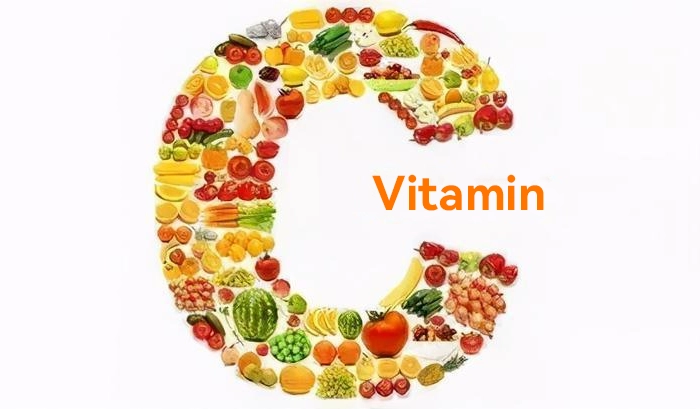
In order to ensure adequate vitamin C intake, it is recommended to consume a diverse diet, such as green peppers, oranges, broccoli and other foods rich in vitamin C. When necessary, you can also consult a doctor or nutritionist for advice to develop a personalized nutritional supplement plan.
Skin symptoms: Dark yellow and patches may appear on the skin. This is due to the antioxidant effect of vitamin C, which may lead to melanin deposition when lacking. Additionally, the skin may appear bruising, roughness, and swelling.
General symptoms: The body will feel tired because a lack of vitamin C will cause the body's metabolism to slow down. At the same time, patients may experience symptoms such as loss of appetite, weight loss, and irritability. Some patients may also have symptoms such as diarrhea, vomiting, edema, and oliguria.
Bleeding symptoms: When vitamin C is lacking, the permeability of capillary walls increases, which can easily cause bleeding. This may manifest as bleeding gums, nose bleeding, skin bleeding, and in women, increased menstrual bleeding. In severe cases, secondary infection may occur after bleeding, causing scurvy.
Bone symptoms: In severe cases of vitamin C deficiency, bone health may be affected, manifesting as limb pain, especially near the knee joints of the lower limbs. Symptoms such as pain, tenderness, and swelling may occur. These symptoms may also spread to the ribs, causing rib beading and chest pain.
Decreased immunity: Vitamin C is essential for maintaining the body’s immune function. When lacking, the bactericidal ability of white blood cells in the body is reduced, thereby increasing the risk of disease. Long-term deficiency may also lead to a decrease in the body's immunity, symptoms such as loose teeth and protruding eyes, and an increase in the incidence of osteoporosis, fractures, etc.
Anemia: Vitamin C is a mediator for iron absorption. Long-term deficiency will affect the body's absorption of iron, which may cause iron deficiency anemia, manifesting as dizziness, fatigue, loss of appetite and other anemia symptoms.
If the above symptoms occur, it is recommended to promptly increase foods rich in vitamin C, such as citrus fruits, strawberries, peppers, green leafy vegetables, etc., or consult a doctor and supplement vitamin C preparations as directed by the doctor if necessary.


