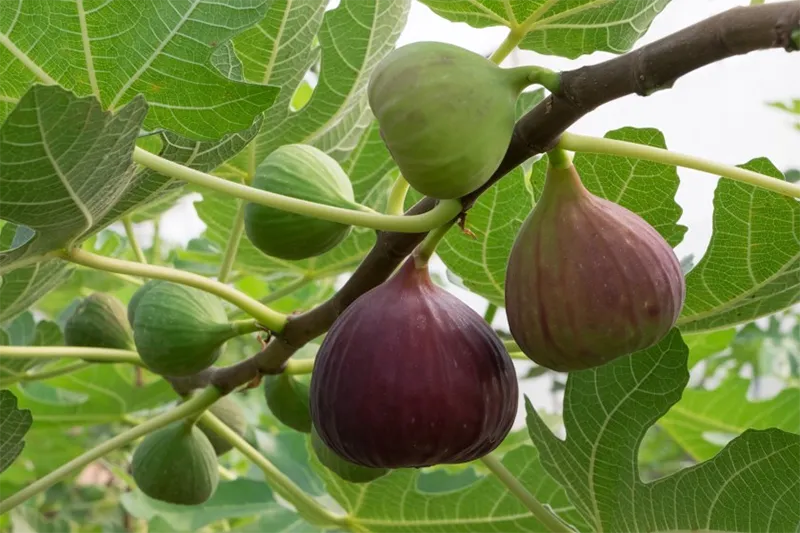
Fig juice is a drink squeezed from fig fruits. Figs are a nutritious fruit containing a variety of vitamins, minerals and fiber. Through a specific juicing process, the liquid part of the figs can be extracted to make fig juice.
Fig juice not only retains some of the nutrients of figs, but also is easier to drink and absorb because of its liquid form. This juice may have some of the health benefits of figs themselves, such as promoting digestion and enhancing immunity, but these specific effects will depend on your individual constitution.
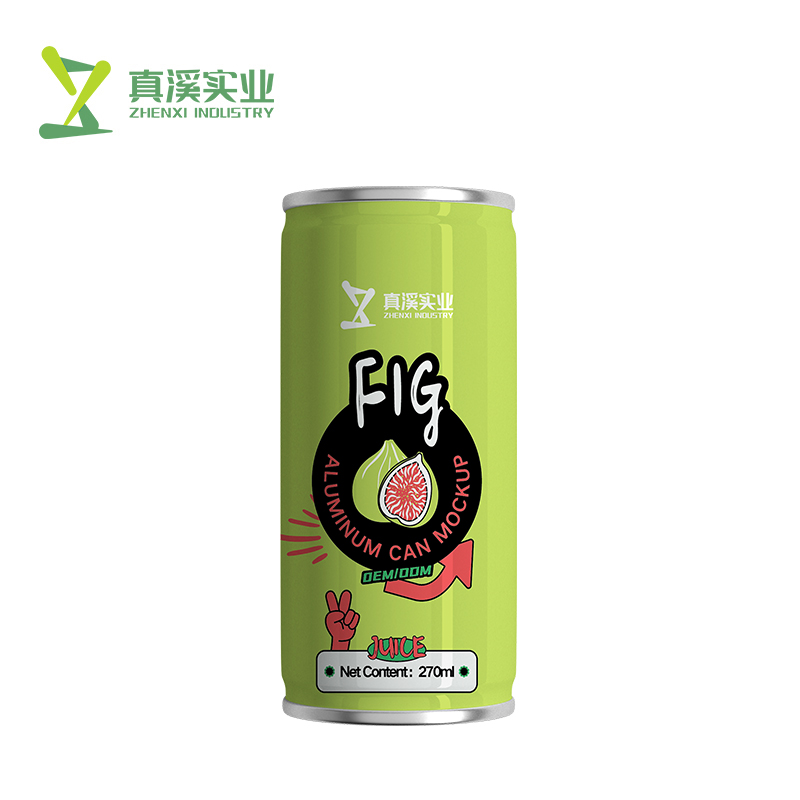
In the market, fig juice may appear in different brands and packaging forms, and consumers can choose according to their tastes and needs. It should be noted that the nutritional content and taste of different brands or homemade fig juice may vary due to different production processes and raw materials.
Figs are not only edible, but also have high medicinal value. It has the effects of strengthening the stomach and clearing the intestines, reducing swelling and detoxifying, and is mainly used to treat symptoms such as loss of appetite, sore throat, cough and phlegm. In traditional Chinese medicine, fig fruits are used as traditional Chinese medicine and have the functions of clearing away heat and promoting fluid production, strengthening the spleen and appetizing, detoxifying and reducing swelling.
1. Prepare materials:
200g figs
350 grams of water
Appropriate amount of honey (can be added according to taste)
2. Process the figs:
Wash the figs, peel them and cut them into large pieces.
3. Stew:
Put the cut figs into the electric stew pot.
Select the normal program and simmer for five hours. If you don't have an electric stew pot, you can also cook over an open flame, but the flavor may not be as good as stewing.
4. Season and enjoy:
After stewing is completed, pour out the fig juice.
When the fig juice is warm, add an appropriate amount of honey, stir evenly and drink. Note that the honey should be added when the juice is warm to avoid losing the nutrients in the honey.
Precautions:
Wait until the fig juice is warm before adding honey to avoid losing the nutrients in the honey due to high temperature.
This drink is prohibited for patients with kidney deficiency.
In addition, when making fig juice, you can adjust the amount of ingredients according to personal taste, and you can also try other different stewing methods and times to obtain a more diverse taste. At the same time, fig juice is not only delicious, but also has the unique aroma of figs. It can produce body fluids and quench thirst. It is suitable for relieving the heat in summer. It also has the effects of laxative, detoxification, weight loss, etc.
Please note that fig juice is prohibited for patients with kidney deficiency. In addition, although figs are rich in nutrients, you should drink them in moderation to avoid excessive intake.

Vitamins and Minerals:
Vitamin C: Helps strengthen the immune system, promotes iron absorption, and contributes to skin health.
Vitamin K: Essential for bone health and blood clotting.
Potassium: Helps maintain normal heart function, muscle contraction and nerve function.
Calcium: Essential for healthy bones and teeth.
Iron: is a component of hemoglobin and helps transport oxygen in the body.
Dietary fiber:
Figs contain a certain amount of dietary fiber, especially soluble fiber, which helps control blood sugar, lower cholesterol, and improve digestive health. Although the fiber content is reduced during the juicing process, some soluble fiber may remain in the juice.
Antioxidants:
Figs contain a variety of antioxidants, such as polyphenols and flavonoids, which help neutralize free radicals and reduce oxidative stress, potentially reducing the risk of chronic disease.
Sugar content:
Figs naturally contain fructose and glucose, which are simple carbohydrates that provide energy. However, this also means that fig juice may be higher in natural sugars, so people with diabetes or those who need to control their blood sugar should drink it in moderation.
Amino acids and proteins:
Although figs are not a major source of protein, they do contain some essential amino acids, which are the building blocks of protein.
1. Supplement nutrition:
Fig juice is rich in nutrients, such as vitamins, proteins, amino acids, fiber, potassium, calcium, iron, magnesium and other minerals. These substances are essential for maintaining normal physiological functions and metabolism of the human body.
For example, every 100g of fig juice contains 1.5g of protein, 13g of sugar, 3g of crude fiber, 67mg of calcium, 18mg of phosphorus, etc. These nutrients are helpful for physical health and development.
2. Loose intestines and relieve constipation:
Fig juice is rich in dietary fiber, especially malic acid, citric acid and various lipids. These ingredients can promote gastrointestinal motility, facilitate the digestion and absorption of food, and thus play a laxative effect.
For people with constipation, drinking fig juice in moderation can help improve defecation and relieve constipation symptoms.
3. Assist in lowering blood pressure and blood lipids:
Fig juice is rich in potassium. Each 100g of fig juice contains 212 mg of potassium. Potassium can promote the excretion of sodium from the body, help maintain the electrolyte balance in the body, and thus help lower blood pressure to a certain extent.
At the same time, the vitamins, amino acids, cellulose and other nutrients in fig juice can promote the metabolism of fat in the body, help lower blood lipids, and prevent the occurrence of cardiovascular diseases.
4. Soothes the throat and reduces swelling:
The citric acid, fumaric acid and other substances contained in fig juice can help soothe the throat and relieve symptoms such as throat discomfort or dry cough without phlegm.
At the same time, the sodium citrate, malic acid and other ingredients it contains also have certain anti-infection and anti-swelling effects, and can be used to relieve symptoms such as throat swelling.
5. Enhance physical fitness: Since fig juice contains a variety of nutrients, such as sugars, amino acids, minerals and vitamins, long-term moderate consumption can enhance human immunity and improve the body's disease resistance.
6. Boost immunity: Fig juice is rich in vitamin C and other antioxidants, which help strengthen the immune system and make the body more resistant to disease and infection.
7. Assists weight loss: The dietary fiber in fig juice can increase satiety and help control diet, which may assist weight loss to a certain extent.
8. Improve skin health: Since fig juice is rich in vitamin C and antioxidants, it may help promote skin health, reduce the appearance of wrinkles and fine lines, and make skin smoother and more elastic.
It should be noted that although fig juice has many benefits, it is not suitable for everyone. People who are allergic to fig juice should avoid drinking it to avoid allergic reactions. In addition, because fig juice is cold in nature and contains a certain amount of sugar, people with spleen and stomach deficiency and patients with diabetes should drink it with caution or consult a doctor before drinking it.
Gastrointestinal discomfort:Figs are rich in dietary fiber. Eating a large amount of figs may increase the burden on the gastrointestinal tract, cause gastrointestinal dysfunction, and cause uncomfortable symptoms such as abdominal pain, bloating, and diarrhea. Especially for people with spleen and stomach deficiency, weak gastrointestinal function, or gastrointestinal diseases, they need to pay more attention to their consumption.
Allergy symptoms:Figs contain heterogeneous proteins. If you are allergic, especially those who have a history of fig allergy, you may experience allergic reactions after eating figs, such as skin itching, redness, papules and other symptoms. In severe cases, vomiting, nausea, etc. may also occur.
Blood sugar control issues:Figs contain a lot of fructose. For patients with high blood sugar or diabetes, eating too many figs may cause fluctuations in blood sugar levels, which is detrimental to blood sugar control.
Difficulty breathing: For people with sensitive respiratory tracts, the irritation of fig juice may cause tracheospasm and cause difficulty breathing. At this time, the patient's ventilatory function will decline, and gas exchange in the lungs will be blocked, easily causing hypoxia, which may be life-threatening in severe cases.
Aggravate the cold in the body: From the perspective of traditional Chinese medicine, figs are cool in nature and are not suitable for people with cold constitution and weak spleen and stomach. It may aggravate the cold in the body and increase discomfort symptoms. For women, if they have a weak constitution or have excessive menstruation, they should also consume it with caution.
It should be noted that although fig juice may cause the above-mentioned side effects, moderate consumption of figs and fig juice is safe for most people and provides rich nutrition. If any symptoms of discomfort occur, stop consumption immediately and seek medical help.
Make tea: Figs can be made into tea. Take an appropriate amount of dried figs, wash them and cut them into pieces, then fry them. After frying, brew it with boiling water and drink it directly. This way of eating can nourish the spleen, strengthen the stomach, and improve digestive function.
Stew soup: Dried figs can also be used to stew soup. Put the dried figs and lean meat into the pot, add an appropriate amount of water, and simmer until the meat is cooked and the soup thickens. Just add an appropriate amount of salt to taste before serving. This way of eating not only tastes delicious, but also improves the digestive function of the gastrointestinal tract and prevents gastroenteritis.
Make porridge: Cut the dried figs into small pieces, put them into the pot together with the washed rice, and cook according to the normal porridge method. When it becomes thick, you can add an appropriate amount of sugar to taste. Fig porridge has an appetizing effect and is suitable for people with poor appetite.
Fruit consumption: Fresh figs can be eaten directly. Clean the figs and eat them directly. Eating figs raw can retain their original nutrients and flavor and improve absorption rate.
Roast: Cut the figs into thin slices and bake them on a baking sheet to make a delicious snack.
Pickled: Pickle figs with other seasonings to make sweet and sour side dishes.
Drinks: Make figs into sparkling water to make healthy fig sparkling water. You can also make fig soda in the same way.
Make pastries: Making figs and other ingredients into pastries can increase the taste and nutrition.
Make jam: Make jam from figs and other ingredients, and eat it with bread, etc., which has a unique flavor.
In addition to the above ways of eating figs, there are also some ways to eat figs that have health-care therapeutic effects. For example, fig, water chestnut, and barley porridge can strengthen the spleen and regulate qi, relieve coughs and eliminate phlegm; fig mushroom soup can prevent and treat cancer; fig almond snow paste can nourish yin, promote body fluids, and moisturize the lungs. Reducing phlegm, etc. These eating methods can be chosen according to personal needs and health conditions.


