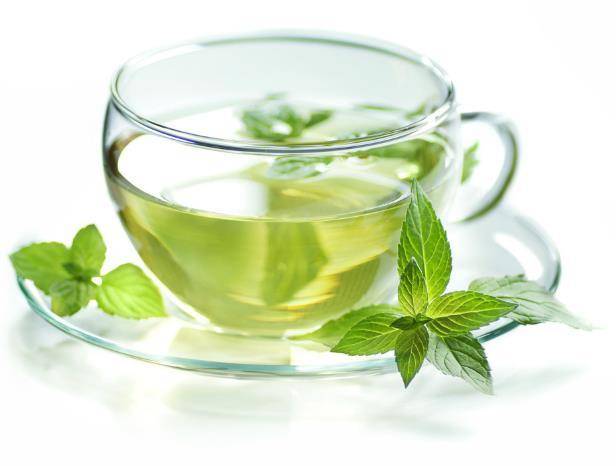
Butter tea is a Tibetan specialty drink, mainly popular in Tibetan-inhabited areas such as Tibet, Qinghai, Sichuan, and Yunnan. Butter tea is made from butter, tea leaves, and salt, and is made through processes such as boiling and stirring.
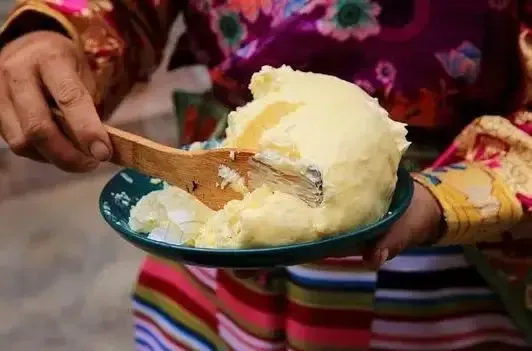
Butter is a fat extracted from the milk of animals such as cows and sheep. It is rich in nutrients and has a strong taste. In the past, herders used a special method to extract butter. First, heat the milk, then pour it into a large wooden barrel called "Xuedong" (4 feet high and about 1 foot in diameter), and use the "Jia Luo" - a wooden stick used to beat butter tea, up and down, back and forth hundreds of times, stirring the oil and water to separate, and a layer of lake yellow fat floats on it. Scoop it up and pour it into a leather bag. After cooling, it becomes butter. Tea is usually fermented tea such as black tea or Pu'er tea. After boiling, the tea juice becomes rich and mellow. Add butter and salt to the boiled tea juice, and then stir repeatedly to make the butter and tea juice fully blend to form an emulsion, which is butter tea.
More than a thousand years ago, the Tibetan medical scientist Yutuo Yundan Gongbu discussed the nutritional effect of butter on the human body in his book "Four Medical Classics". "Fresh butter is cool and can strengthen the tendons, can generate moisture and remove the heat of Triba", which means that fresh butter moisturizes the blood, is energetic, prevents the skin from being rough and cracked, and can also treat mucus and febrile diseases. The Tibetan people believe that butter tea can not only cure altitude sickness and prevent chapped lips due to dry weather, but also play a good role in keeping out the cold.
When tasting butter tea, you need to pay attention to some etiquette. When the host serves butter tea to the guests, the guests should first thank the host, then take the butter tea bowl with both hands, gently blow away the oil floating on the tea, take a sip, and praise the fragrance and deliciousness of the tea. When drinking butter tea, you should sip it slowly, not drink it in big gulps, and not make any noise. After drinking tea, you should gently place the tea bowl on the table to show respect and gratitude to the host.

Butter tea originated in the Ali region of Tibet and spread to a wider area with the development of Tibetan culture. There is a widely circulated folk love story about the origin of butter tea. According to legend, two Tibetan tribes had a feud due to historical reasons, but the young people of the two tribes, Meimecuo and Wendunba, fell in love. Due to family conflicts between the two sides, Wendunba was killed and Meimecuo also died for love. Their souls turned into tea leaves on the tea tree and salt in the salt lake respectively. Whenever Tibetans make butter tea, tea and salt meet again. This story not only adds to the mystery of butter tea, but also reflects the Tibetan people's persistent pursuit of love.
According to legend, there are two tribes in Tibet, the Xia tribe and the Nu tribe. The two tribes had a feud because of a fight. Unfortunately, Meimecuo, the daughter of the chieftain of the Xia tribe, fell in love with Wendunba, the son of the chieftain of the Nu tribe without knowing it. But Meimecuo's father thought that the feud between the two tribes was difficult to resolve, so he sent someone to secretly kill Wendunba. Meimecuo was heartbroken when she learned about it, so when Wendunba was cremated, she jumped into the sea of fire and died for love. After the death of both parties, Meimecuo became tea leaves on the tea tree, and Wendunba became salt in the salt lake. Tibetans make butter tea, which is the meeting of tea and salt, and the continuation of their love.
It should be noted that although butter tea is rich in nutrients, due to its high oil and sugar content, excessive consumption may cause weight gain and increased blood lipids. Therefore, when enjoying the deliciousness of butter tea, you also need to pay attention to drinking in moderation and combine it with other healthy eating methods.
1. Prepare the ingredients
Butter: Butter. The production method is to heat the milk first, pour it into a special large wooden barrel, and then use a special tool to whip the milk up and down for hundreds of times to separate the oil and water in the milk. The layer of yellow fat floating on the surface is ghee.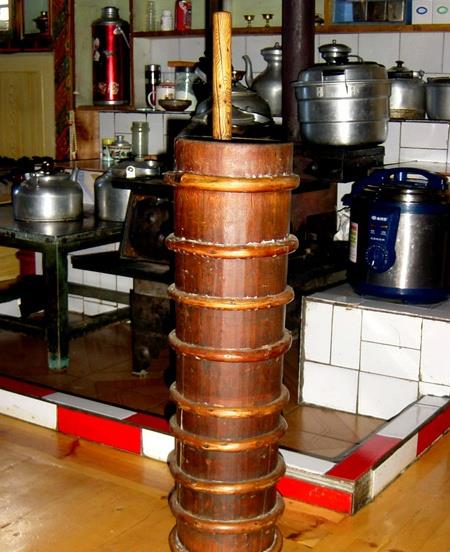
Tea or brick tea: Generally, Pu'er tea or Jinjian tea in compressed tea is used, which needs to be broken first.
Salt: Add an appropriate amount according to personal taste.
Other condiments (optional): such as sesame powder, salt, peanut kernels, pine nuts, melon seeds, peach paste, etc., add according to personal preference.
2. Boil tea
Add 300 ml of water to the pot and boil it, then add 3 to 5 grams of broken brick tea (or the corresponding amount of tea leaves), and boil until the tea turns black and turn off the fire.
Use a mesh to filter to remove the tea residue and pour the tea juice into a long cylindrical tea barrel.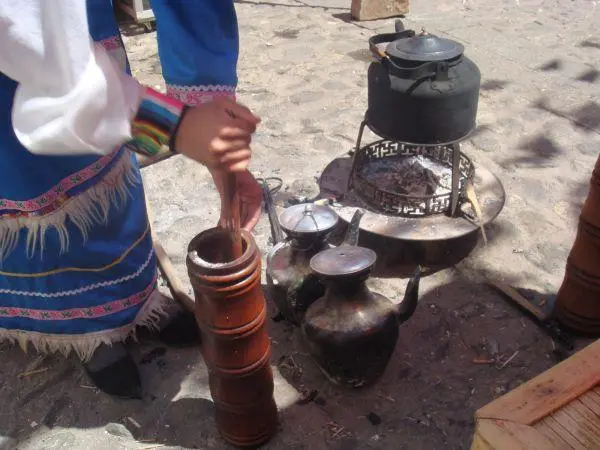
3. Make ghee tea
Add ghee (about 2 grams, about two-thirds of a tablespoon) to the tea juice.
Add an appropriate amount of salt and other condiments according to personal taste. Use a wooden pestle or electric mixer to beat the tea soup and seasonings up and down in the cylinder until the tea soup and seasonings are mixed together. When the sound changes from "clang, clang" to "cha, cha", it means that the butter tea is ready.
4. Enjoy
1. Adapt to the plateau environment:
Tibet is located in a high-altitude area with a cold climate and thin oxygen. Butter tea, as a high-calorie, high-fat, high-protein beverage, can help Tibetan people resist the cold, replenish physical strength, and improve their ability to resist altitude sickness.
2. Rich in nutritional value:
Butter is rich in nutrients such as protein, fat, vitamin A, vitamin D, etc., which can provide energy for the human body and enhance physical strength.
Tea polyphenols, caffeine and other ingredients in tea have the effect of refreshing the mind and aiding digestion.
Salt can supplement the minerals needed by the human body, especially in plateau areas, where salt is a scarce commodity. The salt in butter tea is particularly important for the Tibetan people.
3. Cultural significance:
Butter tea is not only a daily drink for the Tibetan people, but also an important part of Tibetan culture. It carries the Tibetan people's philosophy of life and their awe of nature.
In family and social occasions, drinking butter tea is a way to express emotions and communicate. Butter tea is of great significance to the psychology and culture of the Tibetan people, and is one of the symbols of the Tibetan people's recognition of their national culture and identity.
4. Physiological needs:
Tibetans mainly eat meat, with more fat and lack of vitamins in their bodies. The tea juice in butter tea can dissolve fat, help digestion, and supplement some vitamins needed by the human body.
Butter tea can neutralize the hydrogen ions produced in the blood due to the digestion of acidic foods such as beef and mutton, so that the body's acidity and alkalinity remain balanced.
Drinking more butter tea can also prevent chapped lips and has a certain effect on combating altitude sickness.
5. Social culture:
In Tibetan culture, butter tea is not only a drink, but also a social tool. Butter tea is indispensable in Tibetan family gatherings, festivals, and religious activities. The host will offer a cup of butter tea to the guests to express welcome and respect.
Nutritional supplement:Butter tea is rich in nutrients such as protein, fat, vitamin A, vitamin D, etc., and moderate consumption can supplement the nutrients needed by the body.
Resist the cold:The high-calorie ingredients in butter tea can promote the body to absorb more energy, speed up blood circulation throughout the body, effectively resist the cold, and improve the body's ability to resist the cold.
Regulate fat metabolism:The linoleic acid in butter tea is an unsaturated fatty acid that can combine with cholesterol in the body to regulate fat metabolism in the body, and has a certain effect on preventing arteriosclerosis and lowering cholesterol levels.
Lubricate the intestines and relieve constipation:Honey and other ingredients in butter tea have the effect of lubricating the intestines and relieving constipation, which can improve spleen and stomach weakness, abdominal distension, constipation and other conditions.
Tonify the middle and replenish qi:Walnut kernels and other ingredients in butter tea have the effects of nourishing the kidney, consolidating essence and reducing urine, moistening the lungs and calming asthma. They have certain effects on improving symptoms such as soreness of waist and knees, spermatorrhea, and frequent urination caused by weak spleen and stomach, kidney deficiency and spermatorrhea.
Strengthen the spleen and stomach:Licorice and other ingredients in butter tea have the effects of nourishing qi and replenishing the middle, moistening the lungs and relieving coughs, clearing away heat and detoxifying, and can improve symptoms such as loss of appetite, abdominal distension and pain, nausea and vomiting caused by weak spleen and stomach.
Delay aging:The various amino acids and trace elements in butter tea can accelerate human metabolism, promote cell regeneration, and prevent excessive accumulation of lipid peroxides in the body, thereby delaying aging.
Lip beauty effect:Butter tea contains butter, which can moisturize the lips and have the effect of beautifying the lips. It is especially suitable for drinking in the dry autumn and winter seasons.
Promoting the production of body fluids and quenching thirst, refreshing the mind:Butter tea has the effects of promoting the production of body fluids and quenching thirst, refreshing the mind, and is suitable for drinking when tired or thirsty.
It should be noted that although butter tea has many functions, excessive drinking may increase the burden on the gastrointestinal tract, affect normal digestive function, and induce symptoms such as abdominal distension and abdominal pain. Therefore, you need to pay attention to the right amount when drinking butter tea.
1. Increased gastrointestinal burden:
The oil content in butter tea is high. Long-term and large-scale drinking will increase the burden on the stomach and intestines, and may cause stomach pain, bloating and other uncomfortable symptoms.
Especially for those who already have digestive system diseases, excessive consumption of butter tea may aggravate their symptoms.
2. Obesity:
Butter tea has a high calorie content. If consumed in large quantities for a long time, it may cause the calories to be converted into fat and accumulate in the body, inducing obesity. Obesity is one of the main factors for chronic diseases such as fatty liver and diabetes, so excessive consumption of butter tea may increase the risk of these diseases.
3. Increased blood pressure:
Butter tea has a high salt content, and excessive intake will increase blood pressure. Therefore, patients with hypertension should limit the amount of butter tea they drink, or choose low-salt or salt-free alternatives.
4. Increased blood sugar:
Butter tea contains a lot of sugar, and drinking it may aggravate the symptoms of diabetes and is not conducive to disease control.
5. Risk of digestive system diseases:
Butter has a high fat content, and excessive intake may increase the gastrointestinal burden and cause symptoms such as indigestion. For patients with digestive system diseases such as gastritis and gastric ulcers, it is recommended to reduce the amount of butter tea they drink.
6. Allergy:
The main ingredients of butter tea are milk and tea leaves. People who are allergic to milk should avoid drinking it to prevent allergic reactions in the body and induce allergic symptoms.
Butter tea is mainly made of butter, tea leaves, salt and other raw materials. Among them, butter contains high fat and calories, tea leaves contain caffeine and theophylline, and salt provides sodium. These ingredients are beneficial to the human body when consumed in moderation, but excessive intake or intake by specific groups may bring risks.
Low-fat milk or soy milk: rich in high-quality protein, calcium and other nutrients, which help to supplement the body's needs.
Red date and wolfberry tea: It has the effects of nourishing blood and qi, nourishing the liver and improving eyesight, and is suitable for people of all ages.
Green tea or chrysanthemum tea: rich in antioxidants such as tea polyphenols, which helps to refresh the mind, clear away heat and detoxify.