In fact, drinking tea immediately after a meal is not good, because the tannic acid in tea leaves easily reacts with the iron in food, affecting iron absorption, leading to iron deficiency in the human body, and even inducing anemia. The correct habit is to drink tea half an hour to one hour after a meal.
Myth 1: Drinking tea immediately after a meal helps digestion
In fact, drinking tea immediately after a meal is not good, because the tannic acid in tea leaves easily reacts with the iron in food, affecting iron absorption, leading to iron deficiency in the human body, and even inducing anemia. The correct habit is to drink tea half an hour to one hour after a meal.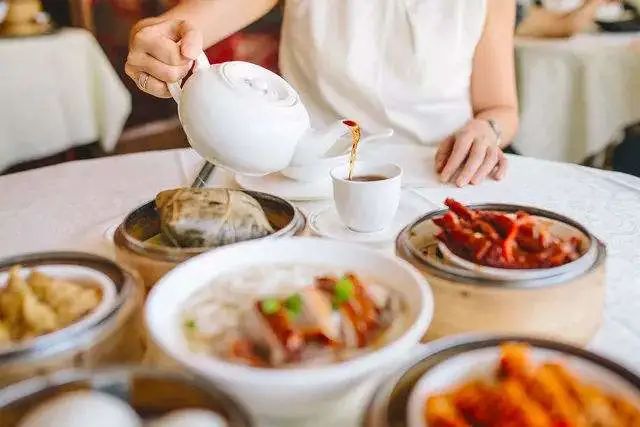
Myth 2: Drinking tea on an empty stomach
Drinking tea on an empty stomach will dilute stomach acid, inhibit gastric juice secretion, hinder digestion, affect the body's absorption of protein, and even cause palpitations, headaches, stomach discomfort, dizziness, irritability and other tea intoxication phenomena. Therefore, it is not suitable to drink tea on an empty stomach. If tea intoxication occurs, you can relieve it by holding candy in your mouth or drinking some sugar water.
Myth 3: The more tea you drink, the better
The amount of tea you drink should be determined according to your personal situation. Research on the anti-cancer effect of tea shows that drinking 150 ml of tea a day has health benefits; for canned tea beverages that have passed the health food certification, generally drinking 650-1200 ml can achieve the indicated effect. If drinking tea affects sleep or causes physical discomfort, don't force yourself to drink tea.
Myth 4: The longer the tea is brewed, the better it tastes
Different teas and different brewing methods have different suitable brewing times, so they cannot be generalized. However, in general, tea should not be brewed for a long time, because the longer it is brewed, the more caffeine and other substances in the tea will be released, which will affect the taste and quality of the tea soup, the tea will have a bitter taste, and the effective ingredients that have been released will also be destroyed by oxidation. Therefore, tea should be avoided from being brewed for too long.
Myth 5: The stronger the tea, the better
Some people like to drink strong tea to refresh themselves, but in fact, if the tea is too strong, the caffeine and tannic acid that are leached out will be too irritating to the gastrointestinal tract.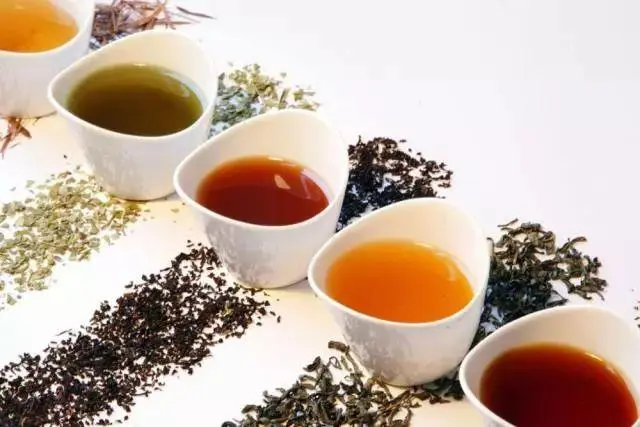
Myth 6: Using a thermos cup to brew tea
It is not advisable to use a thermos cup to brew tea, because the tea will remain hot for a long time, some of the aromatic substances in the tea will dissipate, and the aroma will weaken. In addition, tea that has been soaked for a long time tends to have a bitter taste and lose some nutrients.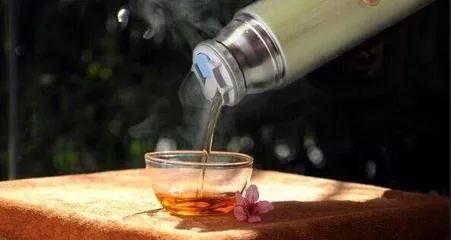
Myth 7: Using boiling water to brew tea
Not every tea is suitable for brewing with boiling water. Generally, 100℃ boiling water is suitable for brewing black tea and oolong tea. These strong-flavored teas are brewed with high-temperature water, and the quality and color of the tea soup are better. Green tea is an unfermented tea and is not suitable for brewing with overheated water, especially famous teas with delicate buds and leaves. Otherwise, the tea soup will turn yellow, the quality and taste of the tea will be affected, and many nutrients in the tea will be destroyed. Mingqian Longjing and other green teas with delicate buds and leaves, as well as white tea and yellow tea are best brewed with 70~85℃ water. For black tea and scented tea, the water temperature can be higher.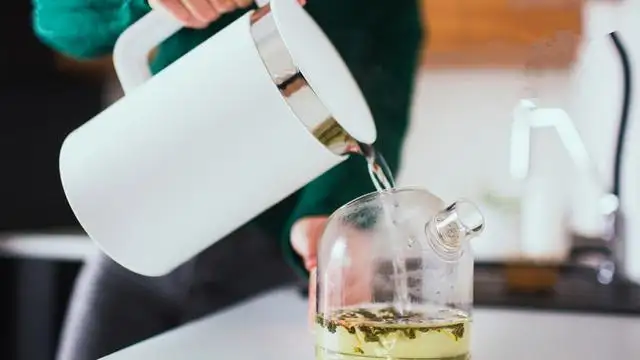
Myth 8: Drinking a lot of tea after exercise
It is not advisable to drink tea to replenish water after exercise or after a large amount of water loss. First, after exercise, the heart beats faster than usual, and the heart is under greater burden. If you drink tea at this time, the caffeine in the tea will stimulate the nerves, making the nerves more excited, increasing the burden on the heart, which is not conducive to recovery after exercise, and may have a more serious impact on people with poor physical fitness. Second, because tea has a diuretic effect, people will sweat a lot after exercise and lose a lot of electrolytes. Drinking tea or tea beverages will further increase water loss.
Myth 9: Chewing tea dregs after drinking tea
Some people chew and eat tea dregs after drinking tea, thinking that this can fully absorb the nutrients in the tea. However, from the perspective of safety and health, it is not recommended to do so, because there may also be trace amounts of heavy metals and insoluble pesticides in the tea dregs. If you eat tea dregs, you will ingest these harmful substances, which is not worth the loss.
Myth 10: Brew a handful of tea leaves for a day
Many people will brew a pot of tea in the morning, and then drink it all day, brewing many times without changing the tea leaves. In fact, this practice is wrong, because the amount of soluble substances in tea is limited. As the number of times tea is brewed increases, the nutrients that can be extracted will be greatly reduced. The more times the tea is brewed, the lower the nutritional value of the tea. In the end, you can not taste the fragrance of the tea, and the health benefits are greatly reduced. Generally speaking, it is best to brew black tea and green tea three times, and oolong tea can be brewed several times. In addition, it is best to use a small teapot when brewing tea. If it is not convenient to drink tea in the office, you can use a teacup with a filter to separate the tea leaves and water to avoid soaking the tea leaves in water for a long time.
Myth 11: The fresher the tea, the better
Many people like to pursue new tea when drinking tea, thinking that new tea must be better than old tea, but new tea has a short storage time, and contains more polyphenols, aldehydes and alcohols. It is more irritating to the gastrointestinal mucosa of people, and long-term drinking may induce stomach problems. People with poor stomachs should drink less tea that has been stored for less than half a month after processing. In addition, substances such as caffeine and tannic acid in new tea are more active. Drinking such tea often can easily make the nervous system highly excited and cause tea drunkenness.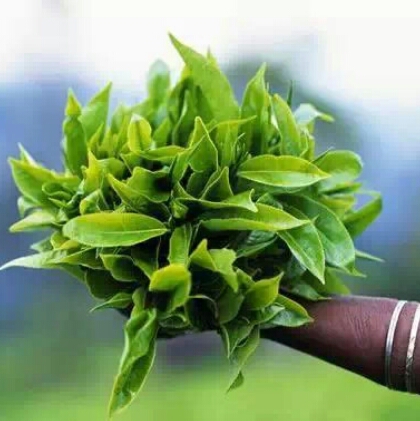
Myth 12: Drinking tea helps sober up
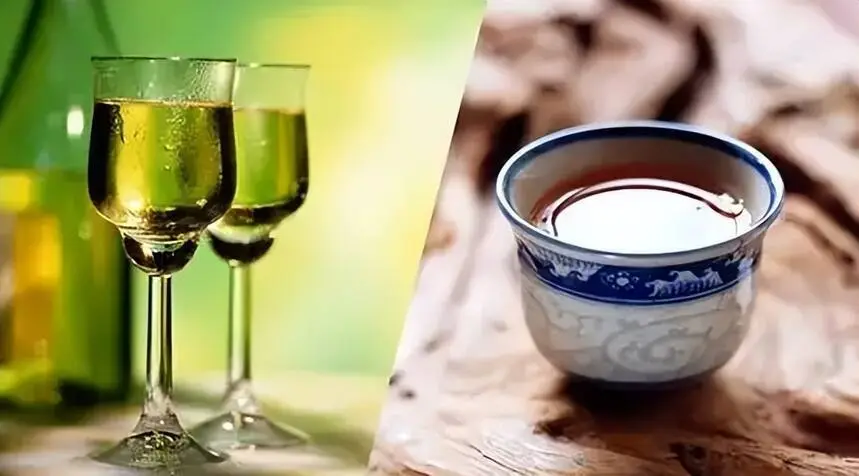
Many people like to drink tea after drinking alcohol, thinking that it helps sober up. In fact, drinking tea after drinking alcohol is not good for your health.
After drinking alcohol, the ethanol in the alcohol will enter the blood through the gastrointestinal tract, and will be converted into acetaldehyde in the liver, and then converted into acetic acid, which will be decomposed into carbon dioxide and water and finally excreted. If you drink tea after drinking alcohol, the tea will play a diuretic role, causing the undecomposed acetaldehyde to enter the kidneys prematurely, strongly stimulating the kidneys, and thus affecting kidney function. In addition, the ethanol in alcohol and the caffeine in tea are both irritating to the heart, so drinking tea after drinking alcohol will increase the burden on the heart.