In the current landscape of 2026, the worldwide drink sector deals with a tough mix of financial strains. Current data confirms that aluminum rates swing within a top range of $2,000 to $3,200 per ton, pushed by climbing energy expenses and tricky global tariff setups. For energy drink brands, this creates a key issue: keeping profit edges without cutting quality. The fix comes not just from money protection, but from teaming up with a production pro who runs the whole supply line.
We are that expert. We stand as Zhenxi, shaping the next phase of combined drink production. We go beyond a basic filling site; we build a full setup for solid beverages and aluminum holders. Fresh ideas drive us. We manage quality tightly from the start, using 12 production sites and 55 full-auto lines to offer total fixes from raw aluminum rolls to the end-filled can. Our production flow links every main step from water cleaning and mixing to quick filling and last packing. By joining can making with drink filling, we cut out waste that hits old supply lines. When you team with us, you gain a strong base against market swings, making your Aluminum Can Energy Drink OEM plan stay solid.
Making basic aluminum takes lots of energy, and with worldwide energy rates going up due to needs in fields like AI, the starting price for Aluminum Beverage Cans has moved higher. On top of that, trade rules and tariffs, especially those touching North American areas, bring extra uncertainty that brands need to handle.
For a drink brand, packaging often takes up 60-70% of the full ex-factory expense. A 10-15% change in aluminum rates can cut deep into the net gain of a regular energy drink if the supply line lacks tweaks. These expenses often grow worse through many-level supply lines where each middle step adds its cut.
The next table shows the possible cost shifts brands could see if they skip tweaks to their OEM Pricing Strategy in 2026. Note: Data is estimated based on current market trends.
|
Cost Component |
2024 Baseline Cost (Index) |
2026 Current Cost (Unoptimized) |
2026 Current Cost (With Our Optimization) |
|
Raw Aluminum Material |
100 |
125 (+25%) |
115 (Hedging & Bulk Buy) |
|
Manufacturing Overhead |
50 |
60 (+20%) |
45 (Automated Efficiency) |
|
Logistics & Tariffs |
30 |
45 (+50%) |
35 (Integrated Supply Chain) |
|
Total Unit Cost Index |
180 |
230 |
195 |
As the data points out, teaming with a maker who has linked skills can cut these risks a lot. This setup helps brands hold steady costs even as raw prices push up, and it builds in ways to spread out any short jumps through smart buying and full control over the flow from mill to fill.
To control OEM Costs, the best first move is to "trim layers" from your supply line. Old OEM ways often pull in trade firms, filling plants, and different can makers, with each part adding cuts and "worry fees" to guard against swings.
We work in a fresh way. We link the making of Aluminum Beverage Cans right with the drink filling step. This full link lets us take in market hits that split supply lines miss. You deal straight with the base, paying just for the aluminum, parts, and making service—no middle costs. This clear view forms the base of a lasting Aluminum Can Energy Drink OEM team-up. Our joint process flow makes sure no extra fees hit between steps, which keeps the full price down and gives brands a real edge in tough times like 2026's rate shifts.
Our integrated process flow ensures no added markup between steps:
When aluminum rates climb, the build fix is to use less stuff without losing strength. Forward-thinking tech changes the game for OEM Pricing Strategy.
Our sites use top tech to make light cans. We have cut the wall thickness of our aluminum beverage cans to about 0.07mm—comparable to a human hair—while keeping high build power. This redesign makes the can hold up to the inside push of fizzy energy drinks and shipping strain without losing safety. Such changes not only trim material needs but also fit with green goals, as less aluminum means lower energy use in production and easier handling in transport, which ties back to overall cost savings for brands facing 2026's market pressures.
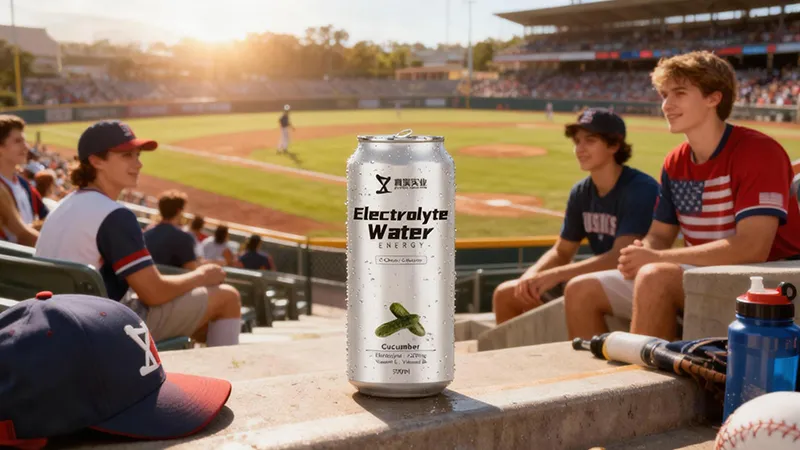
If packaging expenses can't be skipped, the item inside has to cover the price. A working plan to control OEM Costs means moving buyer attention from "cost" to "gain" via high-gain mixes.
Think of our ZhenXi 500ml Cucumber Flavor Canned Electrolyte Energy Drink. This item shows how mixing beats packaging cost worries:
By giving such clear, useful gains, the brand keeps a good edge even if aluminum rates nudge up. The buyer pays for the function, not just the can. For a deeper dive into the science behind professional electrolyte formulations compared to basic mixtures, we invite you to read our detailed guide: Natural Sports Drinks: The Ultimate Guide to Electrolyte Formulas.
The Chinese supply line gives clear edges in 2026. The grown state of the industry group allows for quick changes and cost savings hard to match in other spots.
In China, we have reached a full setup. From aluminum rolls to food additives like Taurine and Erythritol, local buys cut costly border import fees. This close sourcing keeps things simple and cheap, as we pull from nearby suppliers who know the market well and can adjust fast to rate changes.
To further control OEM Costs, brands need to weigh branding against budget. In a high-cost setting, standard ways save cash. Using "Sleek" or "Standard" can sizes (like 330ml or 500ml) skips pricey new forms.
|
Feature |
Cost Implication |
Recommendation for 2026 |
|
Standard 7-Color Print |
Low |
Ideal for mass production. |
|
Tactile/Matte Finish |
Medium |
Use for premium lines to justify price. |
|
Fluorescent Ink |
Medium-High |
Best for nightlife-focused energy drinks. |
|
New Can Shape Mold |
Very High |
Avoid unless volume > 5 million units. |
Sticking to field-standard sizes makes sure fit with global shipping, stopping extra fees. This choice helps brands keep costs in check while still building a strong brand look that stands out without breaking the bank on custom work.
Price lacks sense without trust. We make sure cost-saving steps never cut into rule-keeping.
We hold triple worldwide approvals: ISO9001, ISO14001, and ISO22000. Our sites are FDA registered, FSSC, GMP, HALAL, and HACCP certified, ensuring export prep for the US and European areas. We value idea rights, signing tight NDAs to guard your mixes. From talk to delivery, we handle shipping and quality checks for an easy go.
The current aluminum price volatility in 2026 proves tough but doable. By moving to a direct team with a linked maker, using light tech, and tweaking value, you can guard your edges. We stand ready to guide you through this area with our strong supply line and clear rates.
Contact us today to build a cost-smart production plan for your brand.
Q: What is the Minimum Order Quantity (MOQ) for printed aluminum cans?
A: Generally, for direct printing, the MOQ is 300,000 to 500,000 units per design to cover setup costs. For smaller trial runs, we offer shrink sleeves on blank cans.
Q: How do you ensure formula confidentiality?
A: We sign a comprehensive Non-Disclosure Agreement (NDA) before discussing formulations. Our internal processes segregate R&D and production data, restricting access to authorized personnel only.
Q: Can you assist with export compliance to the USA or Europe?
A: Yes. Our facilities are FDA, FSSC, GMP, HACCP, and ISO certified. We provide necessary documentation, like COAs and MSDS, and assist with labeling compliance for target markets.


