The storage of liquor does require a certain amount of attention, but basically everyone can meet the storage conditions of liquor. It just needs more attention and careful treatment. In common sense, many people know that liquor should be stored in porcelain or glass jars, and they also know that liquor cannot be stored in plastic bottles in high temperature environments, but not many people know that liquor cannot be stored in cans.Liquor is not suitable for packaging in aluminum cans due to c
The storage of liquor does require a certain amount of attention, but basically everyone can meet the storage conditions of liquor. It just needs more attention and careful treatment. In common sense, many people know that liquor should be stored in porcelain or glass jars, and they also know that liquor cannot be stored in plastic bottles in high temperature environments, but not many people know that liquor cannot be stored in cans.Liquor is not suitable for packaging in aluminum cans due to chemical reactions, sealing, safety and cost issues.
- Chemical reaction: Liquor contains a high concentration of alcohol, and the alcohol and other ingredients in the liquor will react chemically with the inner wall of the aluminum can. If these reactions may cause aluminum to dissolve and enter the wine, it will not only affect the quality of the liquor, but also cause potential harm to human health. Specifically, aluminum element can react with the acid in the liquor to form aluminum salts, and can also react with the alkali to form metaaluminate, causing the aluminum content in the liquor to gradually increase.
- Alcohol evaporation: Liquor contains a higher alcohol concentration, and the sealing performance of aluminum cans may not be sufficient to keep the alcohol from evaporating for a long time. If the alcohol evaporates, it will not only cause the taste of the liquor to change, but may also cause safety issues due to changes in pressure inside the tank.
- Safety issues: Aluminum cans are relatively weak in terms of safety. Its pull-and-open convenience may become a safety hazard when filling liquor. In addition, the walls of metal tanks are prone to denting when struck, accumulating liquid inside, which can easily cause the tank to burst.
- Sealing issues: Aluminum cans may not seal as well as glass bottles or ceramic jars, and liquor needs good sealing to maintain its quality. In addition, if you cannot drink it at one time and cannot effectively seal it, the alcohol will evaporate, causing the liquor to taste bad.
- Cost issue: Aluminum cans usually have thin walls and are more suitable for holding gas-containing liquids, such as cola, soda and beer. The gas-containing liquid generates pressure in the tank, which increases the strength of the tank wall and facilitates transportation and storage. However, for non-gas liquor, the can wall needs to be made thicker, which will increase the cost.
Due to health and cost considerations, cans are not suitable for containing liquor. The correct way to store liquor includes using porcelain or glass jars, and ensuring it is stored in a suitable environment away from high temperatures and sunlight to maintain the quality and taste of the liquor. Only by treating the storage of liquor correctly can you better enjoy the unique flavor of liquor.
Frequently asked questions
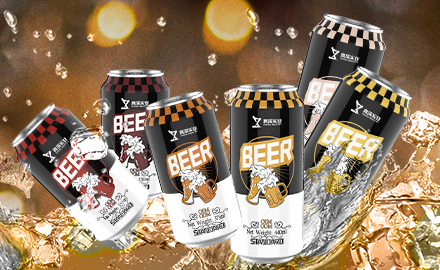
Why can beer be packed in aluminum cans?
- Chemical Stability: Aluminum does not react chemically with the ingredients in the beer, which means aluminum cans will not contaminate or alter the taste and quality of the beer. This is one of the important factors in choosing aluminum as a packaging material.
- Good barrier properties: Aluminum cans have excellent barrier properties and can effectively prevent the intrusion of oxygen, light and other external factors that may adversely affect the quality of beer. This helps maintain the freshness and taste of your beer.
- Strong sealing: Aluminum cans can provide a good sealing effect to prevent beer leakage or contamination. This is vital to maintaining the hygiene and quality of your beer.
- Lightweight and easy to transport: Aluminum cans are lighter than glass bottles, making them easy to carry and transport. This is especially popular for outdoor events or situations that require on-the-go drinking.
- Recyclability: Aluminum cans are a highly recyclable material that meets environmental requirements. Recycled aluminum cans can be used again, reducing the need for new raw materials and the generation of waste.
- Good protection and display effect: The appearance of the aluminum can can be printed and decorated with high quality to enhance the beauty of the product and attract consumers, and the strong shell of the aluminum can can also provide good protection for the beer.
Does water in aluminum cans go bad?
1. The process of water deterioration:
Water spoilage generally refers to microbial contamination of water that results in changes in the taste, color, or safety of the water. This spoilage can be caused by a variety of factors, such as the growth of bacteria, fungi, or other microorganisms.
2. Material characteristics of aluminum cans:
-
As a packaging material, aluminum cans have good barrier properties and can effectively isolate the outside air, moisture and light, thereby protecting the contents from contamination.
-
The inner walls of aluminum cans are usually coated to prevent direct contact between the aluminum and the contents and avoid chemical reactions.
3. Interaction between aluminum cans and water:
-
Under normal conditions, the coating inside the aluminum can effectively isolates water and the aluminum material, so the water will not deteriorate due to direct contact with the aluminum.
-
If the aluminum can is well sealed, it will be difficult for outside microorganisms and contaminants to enter, thus maintaining the quality of the water.
To sum up, if the aluminum can is kept intact and has a good seal, the water inside is unlikely to go bad over a period of time. However, if the aluminum can is damaged or not tightly sealed, outside contaminants can enter, causing changes in water quality. In addition, long-term storage may also affect water quality, especially under adverse environmental conditions (such as high temperature, humidity, etc.). Water in aluminum cans will not easily deteriorate under proper storage conditions, but the stability of the storage environment and the integrity of the aluminum cans are crucial to maintaining water quality.


