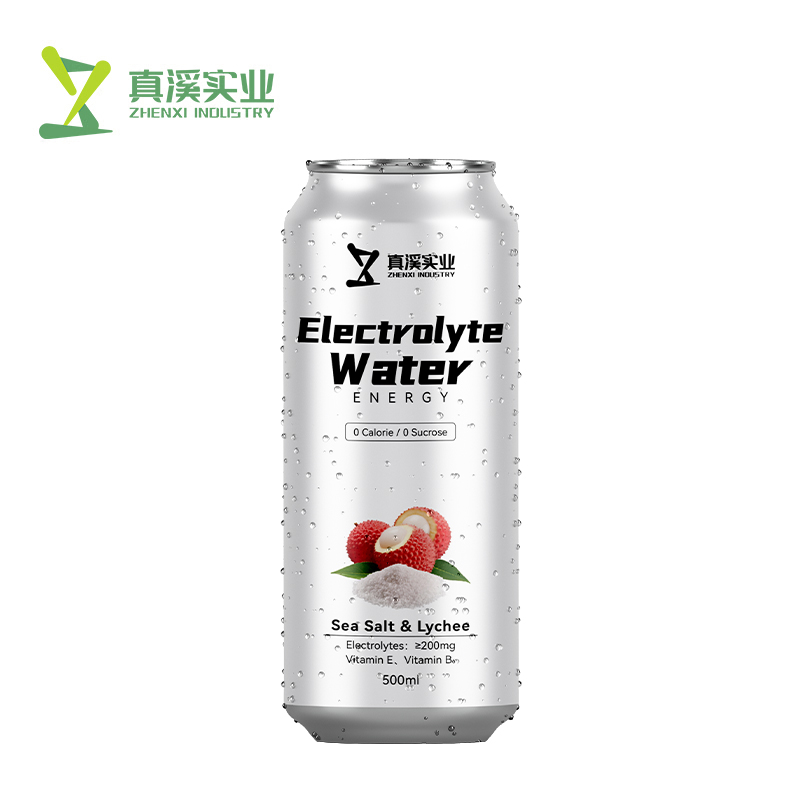
Electrolyte energy drinks are drinks that combine electrolytes and energy ingredients. They are designed to quickly replenish the water, electrolytes (such as sodium, potassium, magnesium, etc.) lost by sweating during strenuous exercise, high temperature environment or disease state, and provide additional energy support. Such drinks usually contain carbohydrates (such as glucose, sucrose or fructose) as energy sources, and appropriate amounts of electrolyte components to help maintain fluid balance and neuromuscular function.
The so-called electrolytes actually refer to inorganic salt substances that exist in the form of ions in human body fluids, including potassium ions, sodium ions, chloride ions, calcium ions, magnesium ions, etc. Electrolyte water is to add these necessary elements and other nutrients to ordinary water, the purpose of which is to maintain the osmotic pressure, organ function and normal metabolism in our body. High temperature or sweating during exercise, reduced diet, diarrhea and vomiting can easily cause electrolyte loss. Therefore, electrolyte drinks have become one of the options for the public to replenish water in the human body.
Normal electrolyte drinks should contain the right amount of water, electrolytes, and some carbohydrates in the form of monosaccharides. This balance allows the body to quickly hydrate by absorbing these ingredients. Whether or not you are participating in physical activity, it is important to stay properly hydrated every day. Electrolyte drinks are very rich in vitamin B6, which can effectively reduce the load on the liver and kidneys and quickly promote the body's metabolism. The buffer in electrolyte drinks can also improve the utilization rate of glycogen, which has a good tonic effect on the body.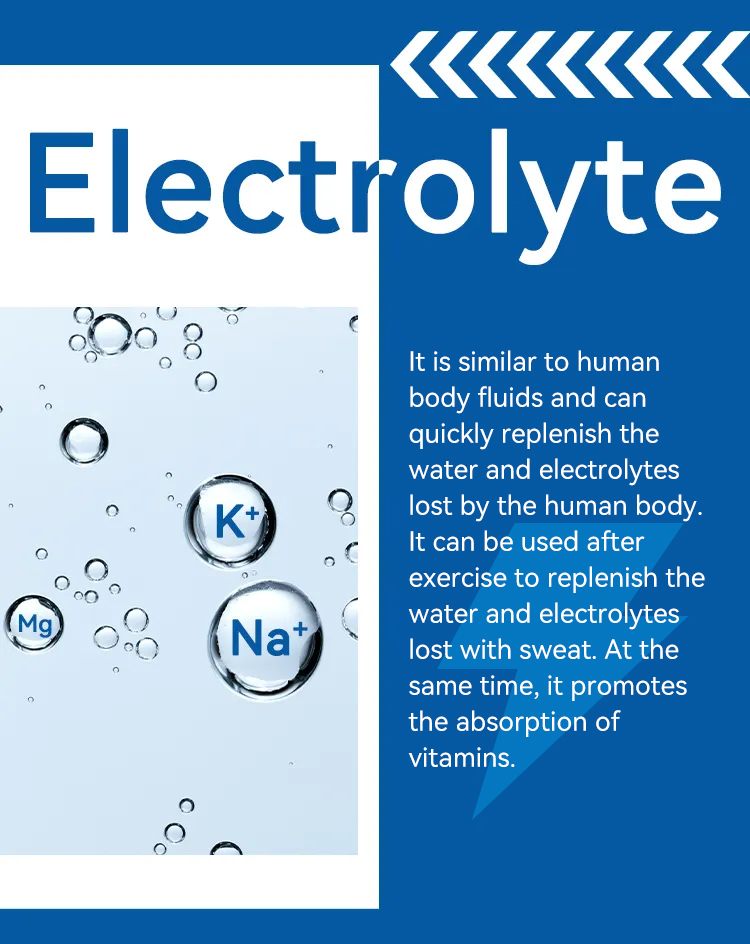
Electrolyte drinks can only effectively enhance the storage of glycogen in human muscles and liver by increasing protein intake. Electrolyte drinks have sufficient glycogen, so they can effectively reduce the metabolic load. Electrolyte drinks are mainly oral potassium ions, so they can effectively relieve physical fatigue and promote sugar absorption. This drink can fully absorb the body's water consumption and quickly reduce the body's fatigue.
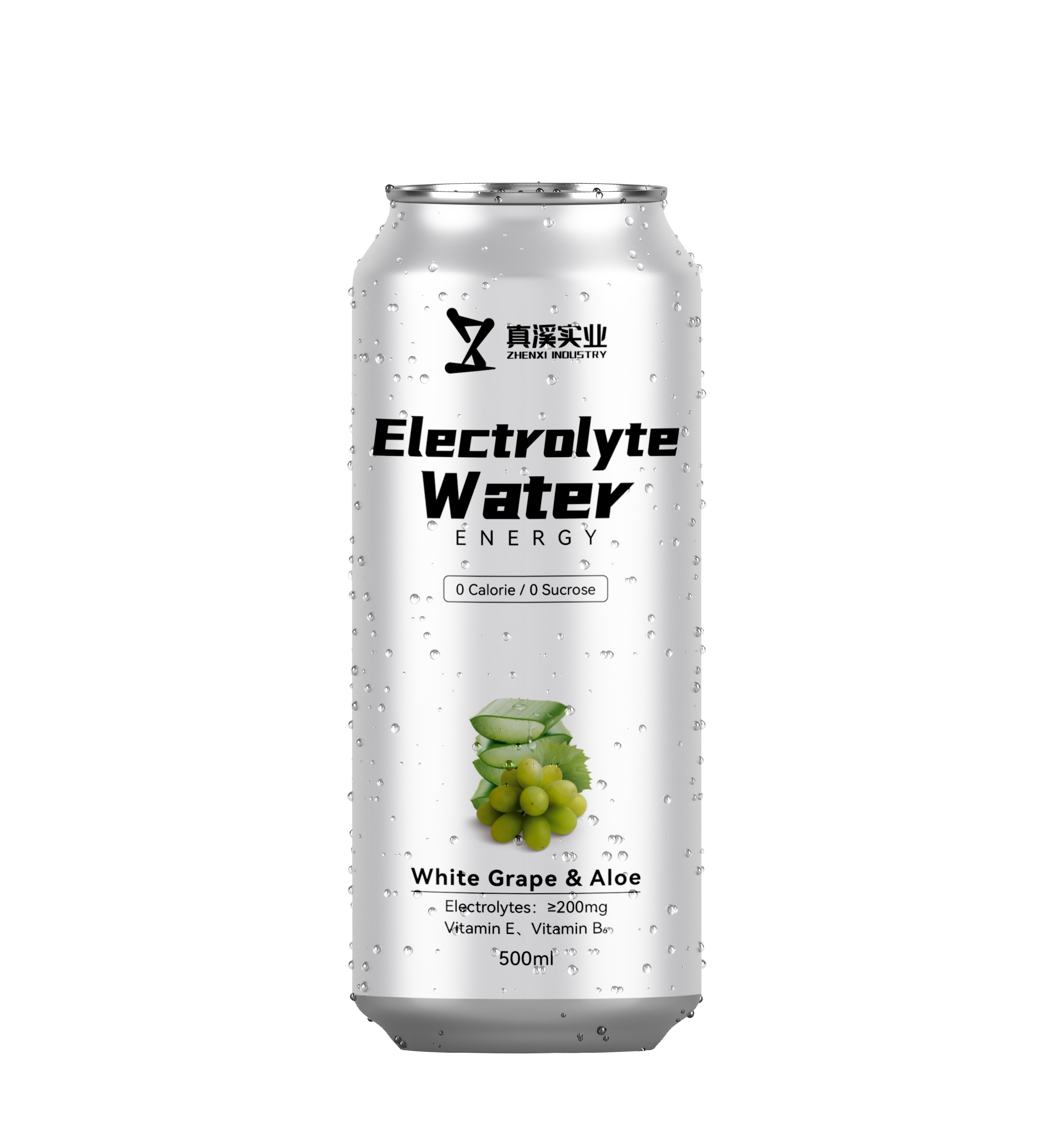
The main effects of electrolyte energy drinks can be summarized as follows:
Replenishment of electrolytes: Electrolytes are minerals and trace elements necessary for the normal functioning of the human body, such as sodium, potassium, calcium, magnesium, etc. In the case of exercise, high temperature environment, diarrhea, etc., the human body will lose a lot of water and electrolytes. Electrolyte drinks can help replenish these substances and maintain the body's normal water and electrolyte balance.
Improve muscle activity: The glycogen contained in electrolyte drinks can be better absorbed and utilized by the human body, which can improve muscle activity and improve the body's absorption of sugar in the drink.
Heart and muscle function: Calcium and potassium ions are essential for the contraction and relaxation of myocardial cells and maintain the normal function of the heart. Magnesium ions can stabilize the membrane potential of myocardial cells and prevent arrhythmias.
Replenish energy: Electrolyte energy drinks usually contain certain carbohydrates (such as glucose, sucrose, etc.), which can be quickly absorbed and converted into energy by the body, providing the body with necessary energy support and helping to maintain the body's normal physiological functions.
Promote metabolism: The vitamins and minerals in electrolyte energy drinks can promote the body's metabolic process, help enhance the body's resistance and immunity, and promote physical health.
Relieve fatigue: The potassium ions and other ingredients in electrolyte energy drinks help relieve physical fatigue and promote muscle recovery and relaxation. This has a positive recovery effect for people who work, study or do high-intensity exercise for a long time.
It should be noted that although electrolyte energy drinks have the above-mentioned multiple effects, they are not suitable for all people. Especially for patients with a history of heart disease, hypertension, renal failure, and people who do not need a lot of exercise or sweating, excessive drinking of electrolyte energy drinks may increase the body's burden or cause problems such as electrolyte imbalance. Therefore, it is best to consult a doctor or nutritionist before drinking, and choose and drink reasonably according to your own situation.
The possible harm of drinking electrolyte energy drinks to the body mainly includes the following aspects:
Nutritional imbalance: Excessive drinking of electrolyte energy drinks may affect the body's intake of other foods, resulting in a single nutrition, which in turn affects the overall nutritional balance. If this continues for a long time, it may cause a decrease in the body's resistance and is not conducive to health.
Gastrointestinal dysfunction: Some ingredients in electrolyte energy drinks may irritate the gastrointestinal tract. Long-term or excessive drinking may cause gastrointestinal dysfunction, abdominal pain, diarrhea, abdominal bloating, nausea and vomiting and other symptoms.
Electrolyte imbalance: Although electrolyte drinks are used to replenish electrolytes, excessive intake may lead to an imbalance in electrolyte concentration in the body. In particular, abnormal concentrations of sodium and potassium ions may cause health problems such as high blood pressure and edema. In addition, excessive intake may also increase the incidence of hyperkalemia, and symptoms such as muscle soreness and limb weakness may occur.
Nervous excitement: Certain ingredients in electrolyte energy drinks may stimulate the nervous system, causing abnormal nerve excitement. This may affect normal sleep quality and cause a decrease in sleep quality. If this continues for a long time, it may also cause certain damage to the central nervous system, leading to autonomic nervous system disorders and excessive mood swings.
Increase the risk of chronic diseases: Some electrolyte energy drinks have a high sugar content, and long-term and large-scale drinking may increase the risk of chronic diseases such as obesity and diabetes.
Increase the burden on the kidneys: Excessive consumption of electrolyte energy drinks may also increase the burden on the kidneys and affect the normal metabolic function of the kidneys. If this continues for a long time, it may increase the incidence of kidney stones.
Therefore, when drinking electrolyte energy drinks, you need to pay attention to controlling the intake and frequency to avoid excessive drinking. At the same time, attention should also be paid to the combination with other foods to maintain the body's nutritional balance. If obvious discomfort symptoms occur, medical treatment should be sought in time. For normal people, it is not necessary to drink electrolyte energy drinks. Ordinary water or light tea is sufficient to meet the body's needs in most cases.
Heart disease patients: The sodium ions in electrolyte energy drinks may increase blood volume, thereby increasing the burden on the heart. For people who already have heart disease, additional sodium intake may aggravate the condition, such as worsening heart failure symptoms, manifested as dyspnea, edema, etc.
Hypertensive patients: Since electrolyte drinks may contain more sodium, hypertensive patients may cause further increase in blood pressure after drinking, increase the risk of cardiovascular events, and are not conducive to the control and recovery of the disease.
Children and adolescents: Children and adolescents are still in the development stage, and their electrolyte balance and metabolic needs are different from those of adults. Excessive intake of electrolytes may interfere with their normal physiological functions, such as causing sleep disorders, anxiety and depression. In addition, the high sugar content in some electrolyte drinks may also increase the risk of obesity and dental caries.
People with high blood sugar or diabetes: Electrolyte drinks often contain high sugar content, which may lead to a sharp increase in blood sugar levels, posing a threat to people with high blood sugar or diabetes and hindering the control of the disease.
People who are losing fat: For people who are losing fat, electrolyte drinks have a high sugar content. Drinking too much may cause fat accumulation, which is not conducive to fat loss.
Patients with gastrointestinal diseases: Patients with severe gastrointestinal diseases, such as acute gastroenteritis, gastrointestinal bleeding, etc., have damaged gastrointestinal mucosa and impaired digestion and absorption. At this time, the intake of electrolyte water may increase the burden on the gastrointestinal tract, causing nausea, vomiting, abdominal pain and other discomfort.
People who do not drink excessively without exercise: Electrolyte water has a high electrolyte content and is suitable for drinking after high-intensity exercise. When the patient's daily exercise volume is small, try not to drink excessive electrolyte water to avoid electrolyte imbalance in the body.
Electrolyte water is a kind of drinking water containing electrolytes. Its main components include sodium ions, potassium ions, calcium ions, magnesium ions, etc. These ions are involved in various physiological functions in the body, such as nerve conduction, muscle contraction, etc. The application scenarios of electrolyte water are very wide, mainly including the following aspects:
After long-term or high-intensity exercise: After exercise, sweating a lot, sweat will discharge a large amount of sodium and potassium ions through the skin, causing a lack of these ions in the human body. You can replenish the lost sodium and potassium ions by drinking electrolyte water to prevent dehydration or hyponatremia. Especially in hot weather, strenuous exercise can easily lead to heat stroke, and sweating can occur. It can be prevented by replenishing electrolyte water in small amounts and multiple times.
Hyponatremia and hypokalemia: In these two cases, the body is prone to negative sodium balance and negative potassium balance. Hyponatremia refers to a situation where serum sodium is less than 135mmol/L, which may be related to factors such as long-term low-sodium diet and large-scale use of diuretics. Patients may experience symptoms such as nausea, vomiting, and headache. Hypokalemia refers to a situation where serum potassium is less than 3.5mmol/L, which may be related to factors such as long-term partial eclipse and diarrhea. Patients may experience symptoms such as limb weakness and nausea. It is recommended that patients drink electrolyte water appropriately to replenish the sodium ions needed in the body.
Patients with diarrhea or vomiting: If diarrhea patients have a large amount of watery stools, a large amount of electrolytes will be excreted from the body through the stool. Patients may experience symptoms of low sodium and low potassium, such as general fatigue, thirst, dizziness, confusion, slow reaction, drowsiness, etc. In the case of severe vomiting, patients may also become dehydrated, causing electrolyte disorders. At this time, it is necessary to supplement water containing electrolytes to relieve symptoms.
Dehydration: If the patient has severe diarrhea, it may cause a large amount of water loss in the body, which is prone to dehydration. At this time, you can also drink electrolyte water appropriately to avoid electrolyte disorders.
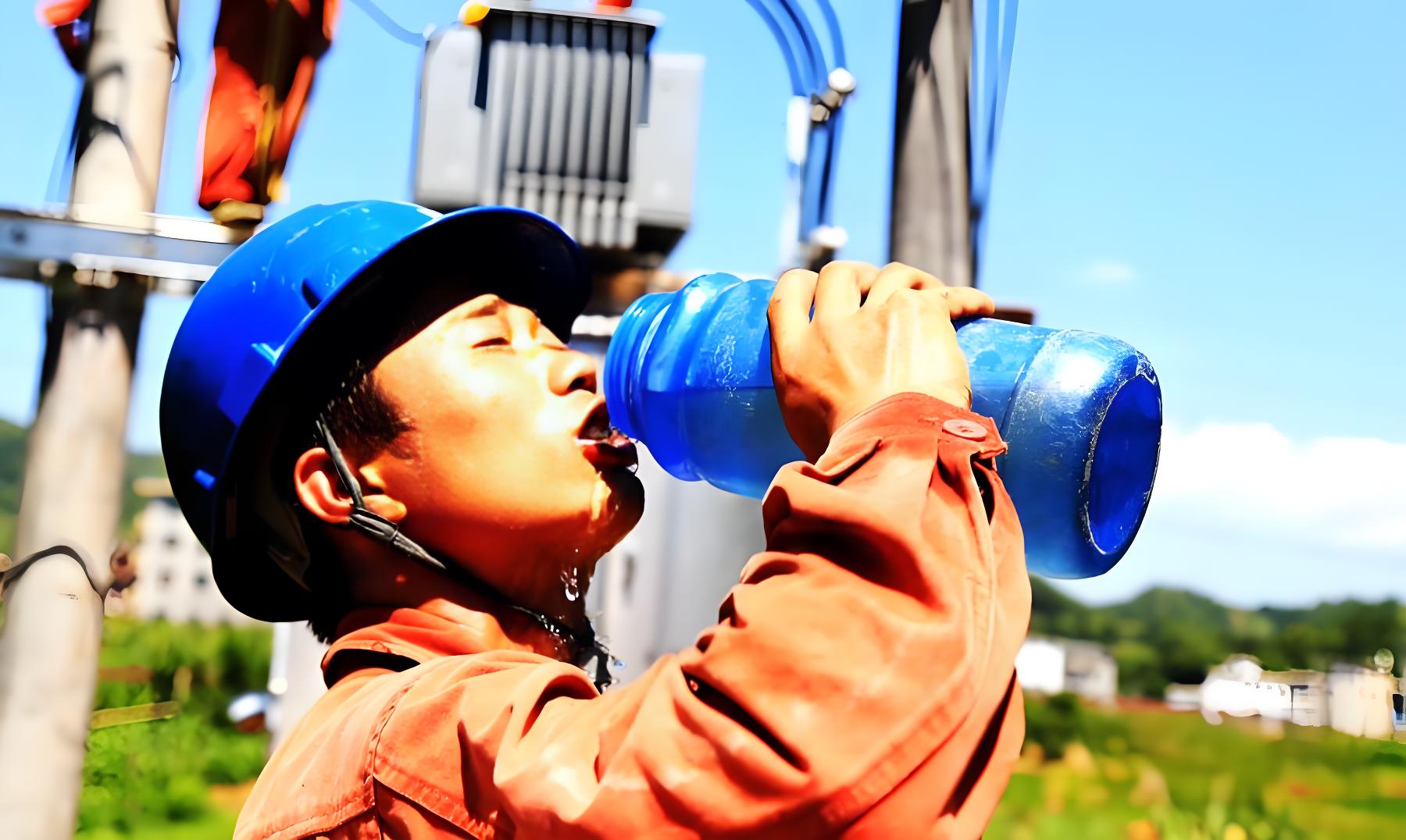
Workers in high temperature environments: When working in a high temperature environment, the human body sweats a lot, which can easily cause electrolyte imbalance. Electrolyte water can replenish lost electrolytes in time to prevent heat stroke.
Precautions
Electrolyte water is not suitable for everyone. People who usually eat and drink normally and do not have diarrhea, excessive sweating or vomiting generally do not need additional electrolyte water. Normal diet can meet the body's electrolyte needs. Excessive drinking of electrolyte water may cause side effects, such as electrolyte imbalance and obesity. Therefore, when drinking electrolyte water, pay attention to drinking in moderation to avoid excessive intake.
The appropriate daily intake of electrolyte water varies depending on personal circumstances, and it is generally recommended to be 1500-2000 ml per day. The following points can help you better understand the appropriate intake:
Personal needs: Everyone's water needs are different, depending on factors such as age, weight, gender, and exercise. Generally speaking, adult men need to consume about 3.7 liters of water per day, and adult women need to consume about 2.7 liters of water. Electrolyte water can be used as part of daily drinking water, but it should not be excessive.
Health status: Patients with kidney disease, heart disease and other diseases who need to limit water intake should follow the doctor's advice when drinking electrolyte water and control the amount of drinking. In addition, patients with hypertension, diabetes and other diseases should also pay attention to the intake of sodium, sugar and other components in electrolyte water.
Exercise situation: When exercising or sweating a lot, the human body will lose a lot of electrolytes. At this time, the intake of electrolyte water can be appropriately increased to help replenish the lost electrolytes and water.
It should be noted that although electrolyte water has many health benefits, it cannot completely replace daily drinking water. Daily drinking water should be mainly boiled water, mineral water, etc., and electrolyte water can be used as a supplement. At the same time, excessive drinking of electrolyte water may also lead to problems such as electrolyte imbalance, edema, and arrhythmia, so it should be drunk in moderation to avoid excessive drinking.