Workout hydration is no longer a simple choice between plain water and a sweet sports drink. Many consumers now want fluid, minerals, flavor, and light energy support in one convenient format. This is why the electrolyte energy drink category has become more relevant for fitness users, outdoor workers, active professionals, and beverage brands developing functional products.
A good drink for exercise should match the real situation. A short walk may only require water. A long gym session, a hot outdoor shift, or heavy sweating may call for sodium, potassium, vitamins, and a refreshing taste that encourages steady drinking. This guide explains how an electrolyte energy drink works, when it makes sense, and what brands should consider when developing a sports energy drink for modern consumers.
An electrolyte energy drink merges two product concepts: hydration aid and energy boost. Regular energy drinks commonly emphasize excitement, sugariness, and a quick sense of alertness. Sports beverages typically highlight liquid replenishment, carbs, salt, and potassium. Electrolyte energy drinks fall amid these two groups. They seek to assist users in feeling revived, and they restore elements that sweat might deplete.
Electrolytes like sodium and potassium aid in keeping liquid equilibrium and standard muscle action. Nutrients, particularly B vitamins and vitamin C, get frequently added to practical beverages. This is because they align with what buyers anticipate for routine vitality help. Taste is key too. Many consumers avoid practical drinks that seem overly dense, too clinical, or excessively sugary amid workouts.
For drink companies, this area gives greater chances for standing out. Rather than vying solely on caffeine amount or sugariness, firms can center a mix on hydration, berry taste, nutrients, easy packing, and particular scenarios. These cover gym sessions, outside pursuits, daily travel, and busy job days.
Plain water is suitable for many daily situations. It is simple, available, and enough for short or low-intensity movement. The issue appears when the body loses more than water. During long exercise, high-temperature work, or repeated sweating, the body also loses sodium and potassium. Drinking only water may reduce thirst, but it may not fully address mineral loss in heavier sweat conditions.
That does not mean every workout requires a functional drink. A careful approach is better. The drink should match the duration, temperature, sweat level, and personal tolerance. A practical selection table can help consumers and brands think more clearly.
|
Activity Situation |
Typical Duration |
Sweat Level |
Drink Direction |
|
Light walking or stretching |
Under 45 minutes |
Low |
Plain water is usually enough |
|
Gym training or cycling |
45–90 minutes |
Medium |
Water or a light electrolyte drink may fit |
|
Outdoor sports in heat |
60–120 minutes |
Medium to high |
Electrolytes for workouts become more relevant |
|
Long shifts in hot conditions |
4–8 hours |
Repeated sweating |
A balanced hydration drink may support steady intake |
|
Post-workout recovery |
Within 30–60 minutes after exercise |
Varies |
Fluid plus sodium and potassium can be useful |
This kind of structure also helps product developers avoid overclaiming. The goal is not to say one drink is right for everyone. The better message is that workout hydration depends on use scenario, formula balance, and drinkability.
A regular energy drink is often chosen when consumers feel tired, sleepy, or mentally drained. It may fit office work, studying, driving, or late-day fatigue. However, this product type is not always designed around sweating, mineral loss, or fluid balance. If a consumer drinks it during a workout, the experience may depend heavily on sugar level, acidity, carbonation, serving size, and ingredient tolerance.
An electrolyte energy drink has a different role. It can still belong to the wider energy drink family, but it adds a hydration angle. Sodium and potassium help position the product closer to workout hydration. Vitamins can support a functional identity. A lighter fruit profile can make the drink easier to consume during or after activity.
For brands, this difference matters because “energy” alone is a crowded claim. “Hydration plus energy” is more specific. It gives the product a clearer reason to exist, especially when consumers are comparing water, sports drinks, vitamin energy drink options, and healthy energy drinks on the same shelf.
A sports energy drink should not rely on one attractive claim. The formula needs balance. Consumers may first notice taste and packaging, but repeat purchase depends on whether the drink feels suitable for the real situation. In workout hydration, the most important areas are electrolytes, vitamins, serving size, sweetness, and flavor.
Sodium and potassium are two common electrolytes used in workout-focused beverages. Sodium is strongly linked with sweat loss and fluid retention, while potassium is important for normal body function. A formula does not need to appear complex to be credible. In many cases, a clear sodium and potassium combination is easier for consumers to recognize than a long list of unfamiliar minerals.
For product developers, the key is to avoid random addition. The drink should be built around a target consumer and a use scene. For example, a gym user may want a lighter taste and moderate refreshment. An outdoor worker may care more about fluid intake and less about trendy ingredients. A brand can start with three practical questions:
These questions prevent the formula from becoming overloaded. They also make the final product easier to position as an energy drink for gym users, active workers, or daily movement consumers.
Vitamins help a beverage feel more functional, but they should be used with careful language. A vitamin energy drink does not need exaggerated promises. It can simply present itself as a convenient drink with selected vitamins for an active day. Vitamin C and vitamin B6 are familiar to many consumers, which makes them easier to communicate on product pages, labels, and retail displays.
The practical value for brands is positioning. A formula with vitamins, electrolytes, and a clean fruit direction can sit between regular energy drinks and traditional sports beverages. It may appeal to consumers who want drinks that give you energy but do not want a heavy, syrup-like taste. This is especially important in export-oriented beverage development, where buyers often compare taste, ingredients, shelf stability, and packaging before discussing volume.
The safest writing and marketing approach is to describe the role of the ingredient group, not to promise medical or guaranteed performance outcomes. Clear labeling, balanced copy, and responsible claims are more suitable for long-term B2B development.
Energy drink flavors have become a real competitive factor. A product may have a strong formula, but if the the flavor feels overly artificial or heavy, consumers may not finish the can during exercise. Flavor should support the use scene. For workout hydration, lighter fruit notes, botanical touches, and a clean finish often feel more suitable than dense dessert-style flavors.
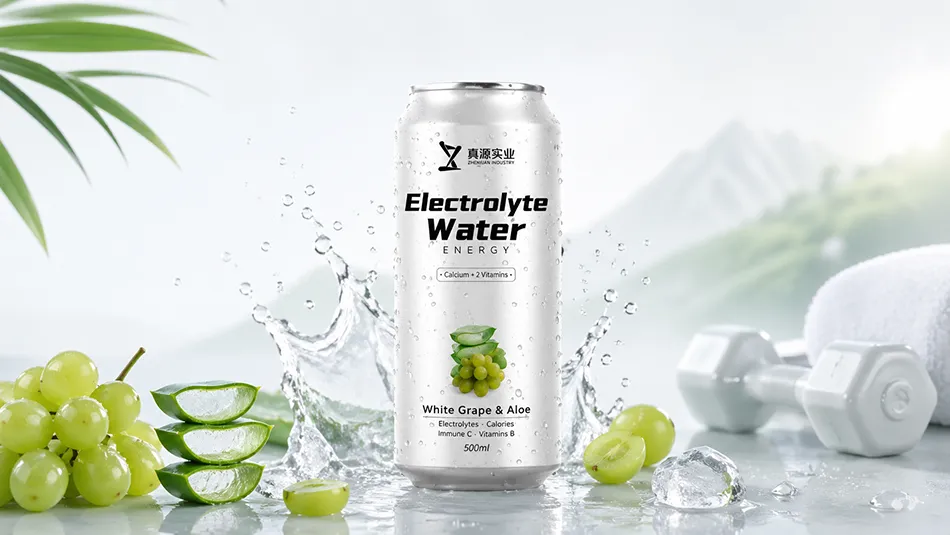
Grape and aloe make sense in this direction. Grape gives a familiar fruit base, while aloe adds a softer botanical impression. The combination can feel more refreshing than traditional high-sweetness energy profiles. For a canned energy drink, this matters because consumers usually drink it cold and expect a quick and clean refreshment experience.
Flavor also helps brands enter more precise shelves and channels. A grape aloe profile can suit gyms, convenience stores, outdoor retail, functional beverage lines, and private label projects. It gives the product a flavor story without making the article or label depend only on technical ingredients.
Timing depends on activity intensity and personal comfort. Before exercise, a light functional beverage may help consumers start with fluid and minerals, especially before hot-weather training. During exercise, the drink should be easy to sip and not too heavy. After exercise, the focus shifts toward replacing fluid and supporting a more comfortable recovery routine.
For short indoor exercise, water may be enough. For longer sessions, repeated sweating, or outdoor activity, electrolyte drinks for workouts become more relevant. This is where the product format also matters. A 500ml aluminum can offers a practical single-serving size for many active scenes. It is not too small for a serious training moment, yet still convenient for retail and chilled display.
Brands should also think about carbonation, sweetness, acidity, and serving instructions. Some users prefer a smoother drink during exercise, while others enjoy a stronger refreshing sensation after activity. The product should be designed around the intended moment instead of trying to serve every possible consumer.
A practical example of this category is 500ml Grape Aloe Electrolyte Energy Drink. It uses a 500ml aluminum can format and combines green grape essence, aloe vera essence, vitamin C, vitamin B6, sodium, and potassium. The product page lists OEM brand and ZhenXi as brand options, with one container as the minimum order quantity and a shelf life above 12 months.
This product fits the direction of fruit-forward functional beverages. It does not need to be presented as a miracle drink. Its stronger value is more practical: a recognizable flavor, a familiar can size, electrolyte positioning, and private label potential. For beverage buyers, these points are easier to evaluate than abstract wellness claims.
The aluminum can format also supports chilled retail display and quick consumption. In functional beverages, packaging is not only a container. It affects shelf image, drinking convenience, transportation planning, and brand recognition. For buyers building a sports energy drink line, this kind of format can support both trial orders and broader market testing when the formula, flavor, and label design are aligned.
An electrolyte drink project should begin with a clear target scene. “For everyone” is usually too broad. A stronger product idea may focus on gym hydration, summer outdoor work, campus sports, post-workout refreshment, or convenience-store active lifestyle buyers. Once the scene is clear, the formula and packaging decisions become easier.
ZhenXi works across beverage and aluminum can packaging, which makes the product-development discussion more connected. For brands, this can be useful because formula, filling, packaging, and label design must work together. A flavor that tastes good in lab testing still needs stable production, suitable packaging, and practical export planning.
This is also where OEM/ODM support becomes important. Brands may need help with flavor adjustment, sample testing, packaging design, aluminum can selection, and production scheduling. The goal is not only to create a drink that sounds attractive, but to create one that can be produced, shipped, displayed, and reordered with consistent quality.
The first mistake is focusing only on stimulation. A product with a strong energy message may attract attention, but workout consumers often care about hydration, taste, and comfort. The second mistake is making the flavor too intense. A drink used around exercise should not feel tiring after several sips. The third mistake is treating electrolytes as decoration rather than part of the product concept.
Another common problem is unclear serving logic. If the label and article copy do not explain when the drink fits, consumers may place it in the same group as ordinary soft drinks. For B2B buyers, unclear positioning can also make sales materials weaker. A better approach is to connect the product with realistic scenes: after sweating, during outdoor activity, before a gym session, or as a chilled active-day refreshment.
Near the end of product education content, it is useful to connect to related reading. For a more focused comparison between hydration categories, readers can also review Electrolyte Drinks vs Sports Drinks: Which One Do You Really Need?, which supports a deeper topic cluster around sports drinks, electrolyte drinks, and functional beverage selection.
A better workout drink should match the body’s real needs and the consumer’s drinking habits. Water remains useful for simple activities. A regular energy drink may suit tiredness. An electrolyte energy drink becomes more relevant when hydration, sweat loss, flavor, and light energy support need to work together.
For brands, the opportunity is not only in adding more ingredients. The opportunity is in building a product that feels clear, useful, and pleasant to drink. Grape aloe flavor, sodium and potassium electrolytes, vitamins, and a 500ml aluminum can form a practical base for a modern functional beverage.
If your team is planning a private label canned energy drink or wants to explore a more refreshing formula for active consumers, start a product discussion with our team and share your target market, flavor direction, package size, and launch plan.
Q: Is an electrolyte drink better than water for every workout?
A: No. For short or light exercise, plain water may be enough. Electrolyte drinks are more relevant when exercise lasts longer, sweating is heavier, or the environment is hot. The best choice depends on activity duration, sweat level, and personal tolerance.
Q: What makes grape aloe suitable for a functional energy drink?
A: Grape offers a familiar fruit profile, while aloe gives a softer botanical note. This combination can make the drink feel lighter and more refreshing, which is useful for workout hydration and active-day consumption.


