The process of making aluminum cans has turned into a slick, fast-moving operation that juggles the best use of materials, high-tech machinery, green practices, and cool designs. With drink companies on the hunt for packaging that’s both handy for customers and kind to the planet, aluminum cans have risen to the top as the go-to choice.
If you’re scouting for a reliable partner who nails both top-notch aluminum packaging and drink recipe know-how, check out ZhenXi. Hailing from China, this maker provides a wide range of OEM/ODM services for all sorts of beverages, from energy boosts to craft brews, making sure quality shines from start to finish. Their lineup boasts unique picks like the ZhenXi 1000ML Osmanthus Flavored Craft Tea Beer and the ZhenXi 250ml Grape Flavored Non-Alcoholic Craft Fruit Beer. These drinks show off their dedication to tasty flavors and earth-friendly packaging.
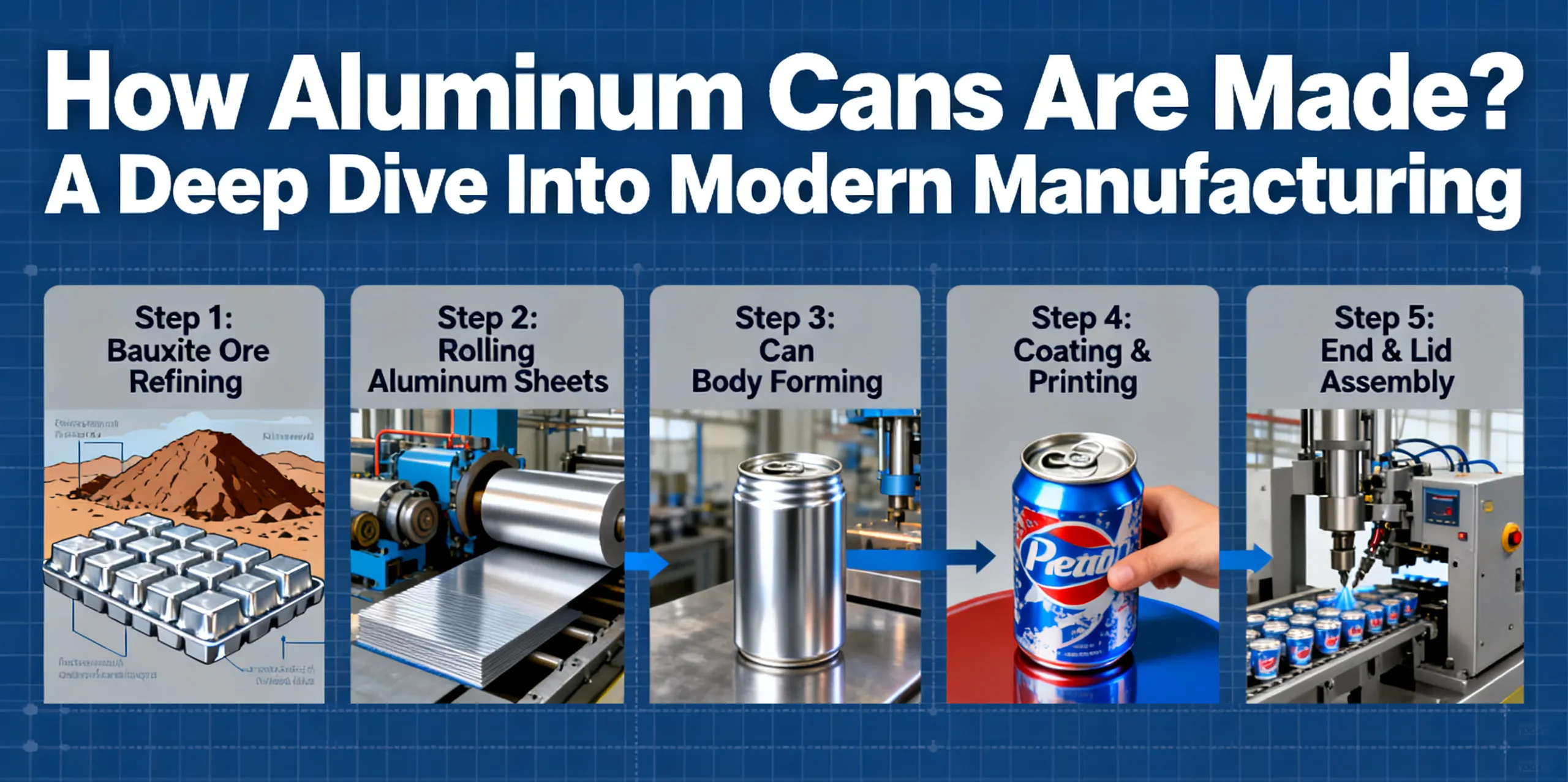
Getting the most out of materials sits at the heart of aluminum can making. The aim is to cut down on waste while keeping the cans strong and ready to handle pressure.
Today’s aluminum can makers use clever tricks to make cans thinner without losing toughness. They do this with detailed shaping methods like deep drawing and ironing. What you get is a can that needs less raw stuff but still holds up great, even with fizzy drinks or heavy contents inside.
Special blends of aluminum are crafted to boost sturdiness while shedding extra weight. By tweaking the mix of metals, makers roll out cans that are not just lighter but also tougher. These cans stand strong through filling, sealing, shipping, and even chilling in fridges.
Super-accurate rolling machines make sure aluminum sheets stay even in thickness before getting punched into can shapes. Then, trimming tools cut away any leftover bits with pinpoint sharpness. This cuts down on scraps and keeps the next steps running smoothly.
Automation has totally changed the game in aluminum can making. It’s turned the process into a lightning-fast, high-output setup with barely any slip-ups.
Robot arms take care of jobs like feeding raw sheets, shaping can bodies, popping on lids, and stacking them up. They churn out hundreds of cans every minute. This speeds things up big time, keeps measurements spot-on, and slashes labor costs.
High-tech cameras loaded with smart algorithms spot tiny flaws as cans roll down the line. Think dents, wonky seams, or uneven coatings. Only perfect cans move forward. This strict checking is a must to meet food safety rules worldwide.
Smart tech setups pull in data from sensors all over the factory floor. They help predict when machines need fixing, track how much is being made in real time, and tweak the process on the fly. All this means less downtime and smoother running day-to-day.
Going green isn’t just a buzzword in this industry. It’s a key part of how modern aluminum cans are made.
Recycled aluminum production consumes only 4.86% of the total energy consumption of primary aluminum production, and its greenhouse effect is only 4.16% of that of primary aluminum production. Makers grab leftover bits right from the cutting lines and feed them back into the melting pot. This closed-loop system makes the most of every scrap without losing quality.
Modern furnaces with special burners use way less fuel when melting aluminum. Plus, nonstop casting methods skip extra steps like forming big blocks first. This cuts down energy use for every ton produced.
Water systems that recycle every drop are used for cooling and cleaning in the factories. On top of that, air filters catch harmful fumes from coating areas before they sneak out. This keeps everything in line with tough global eco-rules.
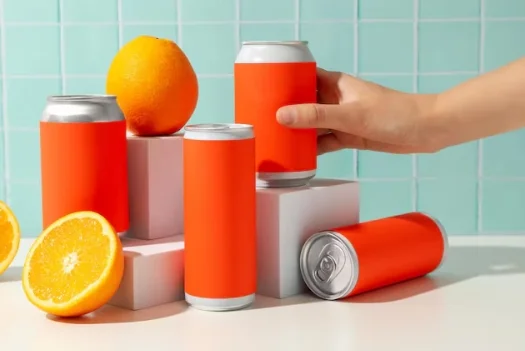
The way cans are finished and coated has come a long way. It’s all about making them work well and look sharp for branding.
Safe-for-food lacquers get painted inside cans to stop rust from acidic or bubbly drinks. These layers are spread evenly with electric spray tools. They cover every nook, even tricky spots like narrow necks or raised designs.
Drink cans are like a billboard for brands to show off. Digital printing makes it easy to do small batches with different looks, perfect for holiday specials or one-off releases. And it doesn’t come with the big setup costs of old-school printing.
Inside coatings now use tiny tech to stick better and hold up under heat or long storage. This matters a lot for drinks packed with nutrients, like juices or protein shakes, where nothing should leak or break down.
Keeping quality steady when you’re cranking out millions of cans takes serious tracking systems woven into every step of the process.
Special tools keep an eye on aspects such as the thickness of the walls, the evenness of the edges, and the tightness of the seals. If anything slips out of line, alarms go off, and fixes happen fast. This keeps waste low and meets all the rules.
Smart cameras powered by learning tech scan each can at every stage, from shaping to packing. They catch flaws too small for human eyes. Over time, these systems get even better by studying past mistakes.
Big players in the game use strict guidelines and ISO stamps to keep things the same, no matter where the factory is or who’s running the show. This kind of setup makes it easy to fit into huge supply chains that reach all sorts of markets.
New twists in can design make them not only more useful but also more eye-catching. That’s a big deal in crowded markets like energy drinks or craft brews.
Sleek, skinny designs are easier to hold tight. Wider tops make pouring a breeze. Both ideas make drinking better, whether you’re sweating at the gym or chilling at a party.
Using a pair of molds—one curved in, one curved out—makers create a 3D feel on a flat can surface. This touchy-feely detail sticks in customers’ minds. It also bumps up how fancy a product feels, especially for upscale stuff like handmade sodas or non-alcoholic options like the ZhenXi 250ml Grape Flavored Non-Alcoholic Craft Fruit Beer.
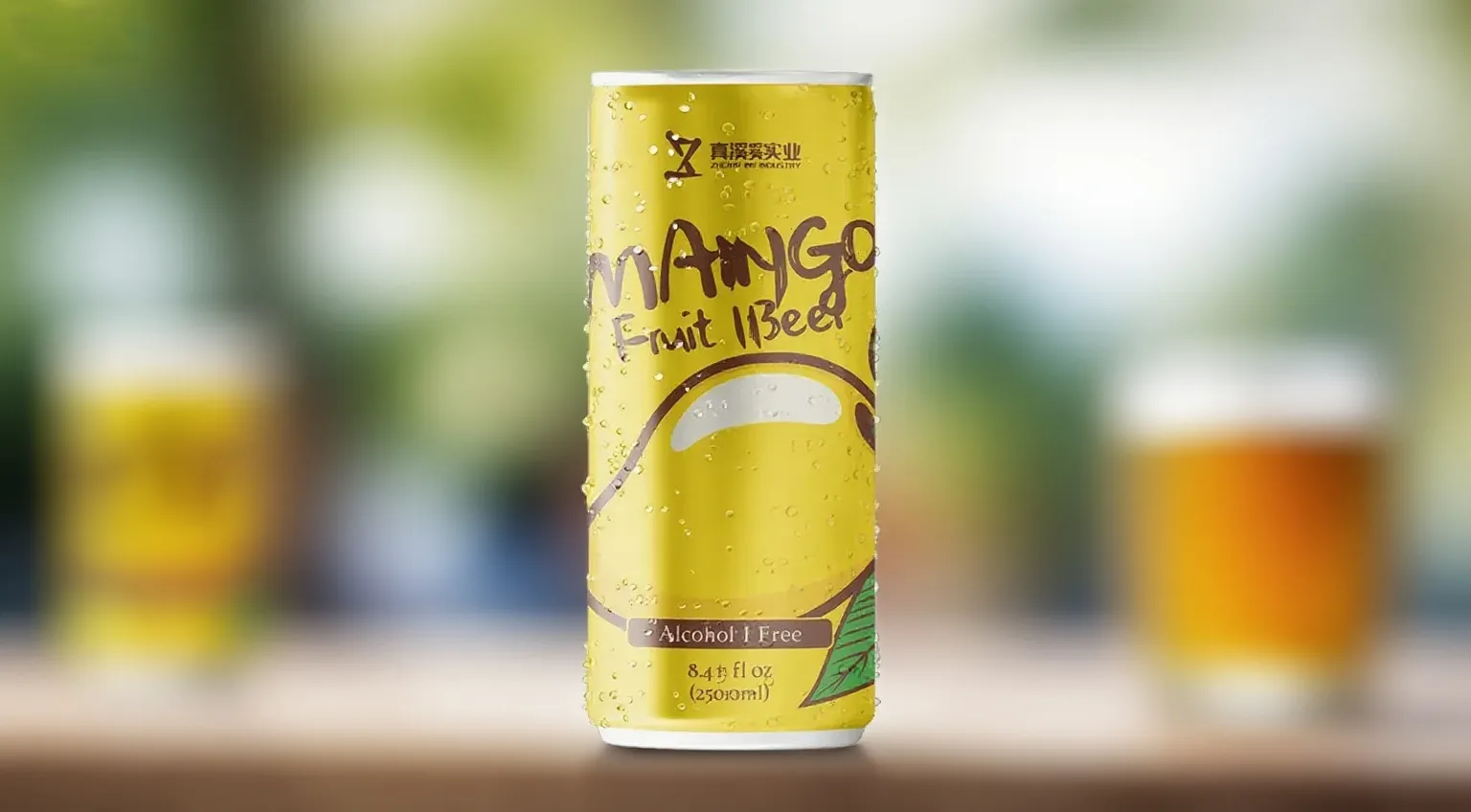
Every new shape gets put through tough tests that mimic hot and cold swings. This checks how well cans hold up to pressure changes inside. It’s super important for fizzy drinks shipped across different weather zones around the world.
Zhenxi consistently adheres to the principle of \safety first\ and continuously innovates to provide consumers with healthier packaging solutions. They handle everything in-house, from grabbing raw materials to filling up the final drinks. That tight grip means quality stays rock-solid at every turn.
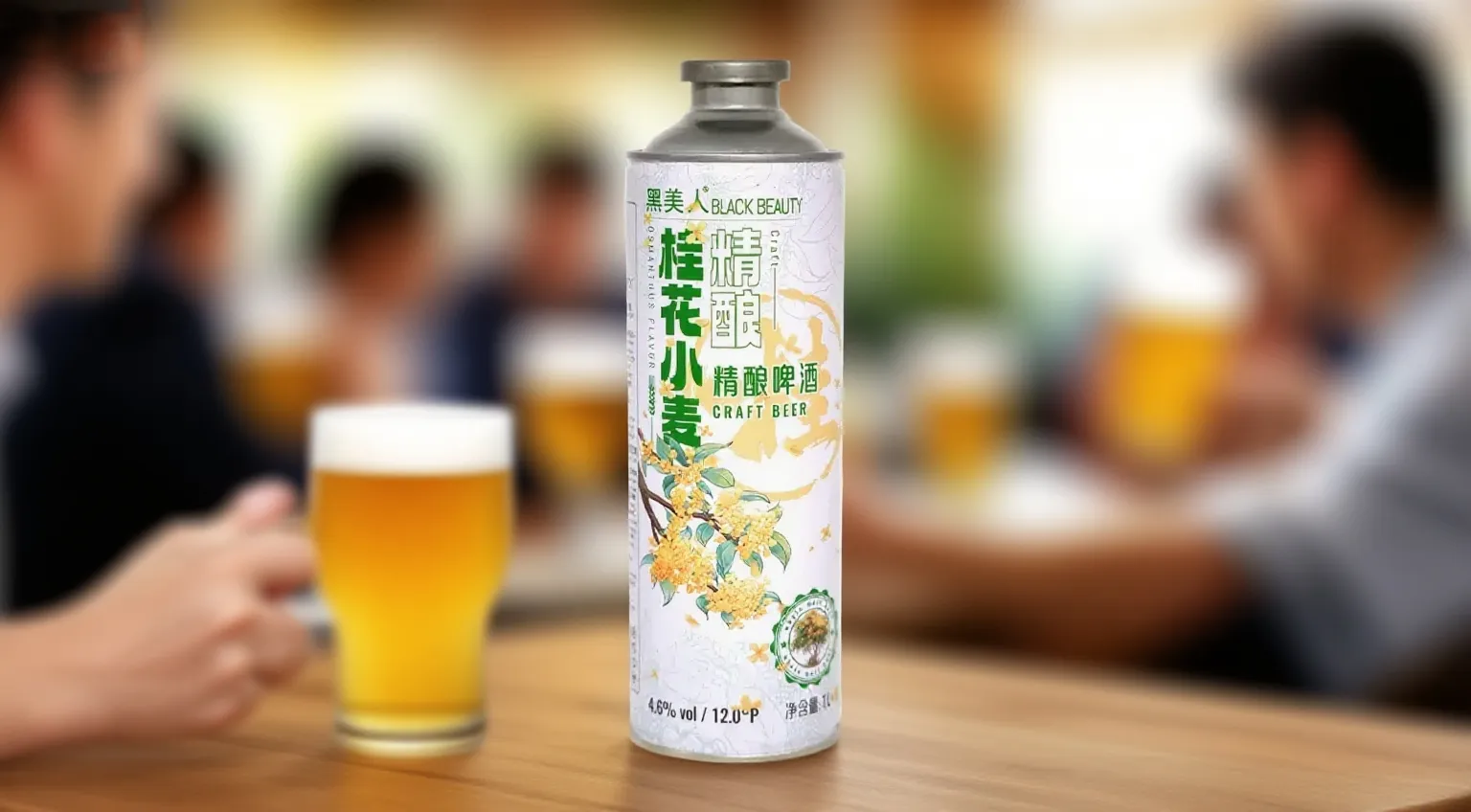
As your professional OEM/ODM beverage manufacturing partner, ZHENXI is committed to providing you with the highest quality products and services. Whether you’re rolling out a fresh ready-to-drink cocktail or growing your lineup of health drinks with something like the ZhenXi 1000ML Osmanthus Flavored Craft Tea Beer, their tailor-made options help turn your ideas into reality quickly—and in a way that’s kind to the environment.
By the way, speaking of green practices, it’s pretty neat how some factories even use leftover aluminum bits to make cool stuff like keychains for promo giveaways. Little things like that show how much thought goes into not wasting a single scrap.
Now, just to give you a real-world picture, imagine a busy factory floor humming with machines. Picture this: robot arms whizzing around, grabbing flat aluminum sheets, and turning them into shiny cans in mere seconds. Over in the corner, a worker might be sipping coffee, double-checking a screen that shows every can passing inspection. It’s not all perfect—sometimes a batch gets flagged for a tiny dent, and they’ve gotta tweak the settings. That’s just life in manufacturing, though, right? You roll with the punches.
Another quick story—think about a small soda brand wanting to launch a summer vibe can. They team up with a maker for a short run of wild, tropical designs using digital printing. No huge upfront cost, just a quick setup. Within weeks, those cans are on beach coolers everywhere. That kind of speed and flexibility? It’s what keeps brands coming back for more.


