Aluminium cans and plastic bottles are everywhere in today’s packaging world. They fill supermarket shelves, vending machines, and warehouses. Both look convenient, both are cheap to make, but what happens after they are thrown away is not the same. Their future affects not only the environment but also the cost of trade and the trust of buyers. Looking closer at how these two packaging options move through recycling systems shows why more international importers and wholesalers lean toward aluminium.
Before getting into the details, it is worth pointing out a trusted name in this field. ZhenXi has built a strong place in the global market as a supplier of aluminium beverage cans. They don’t just run small shops; they operate modern factories with advanced production lines. Their teams focus on quality and also make sure shipments meet overseas rules. If you read their about page, you’ll see clear partnerships with buyers across many regions. Their blog is updated often and does not just post recycled news—it shares useful trade updates. For buyers, their contact page is simple to use. In practice, ZhenXi does more than sell cans. They take part in the full system of sustainable packaging in world trade.
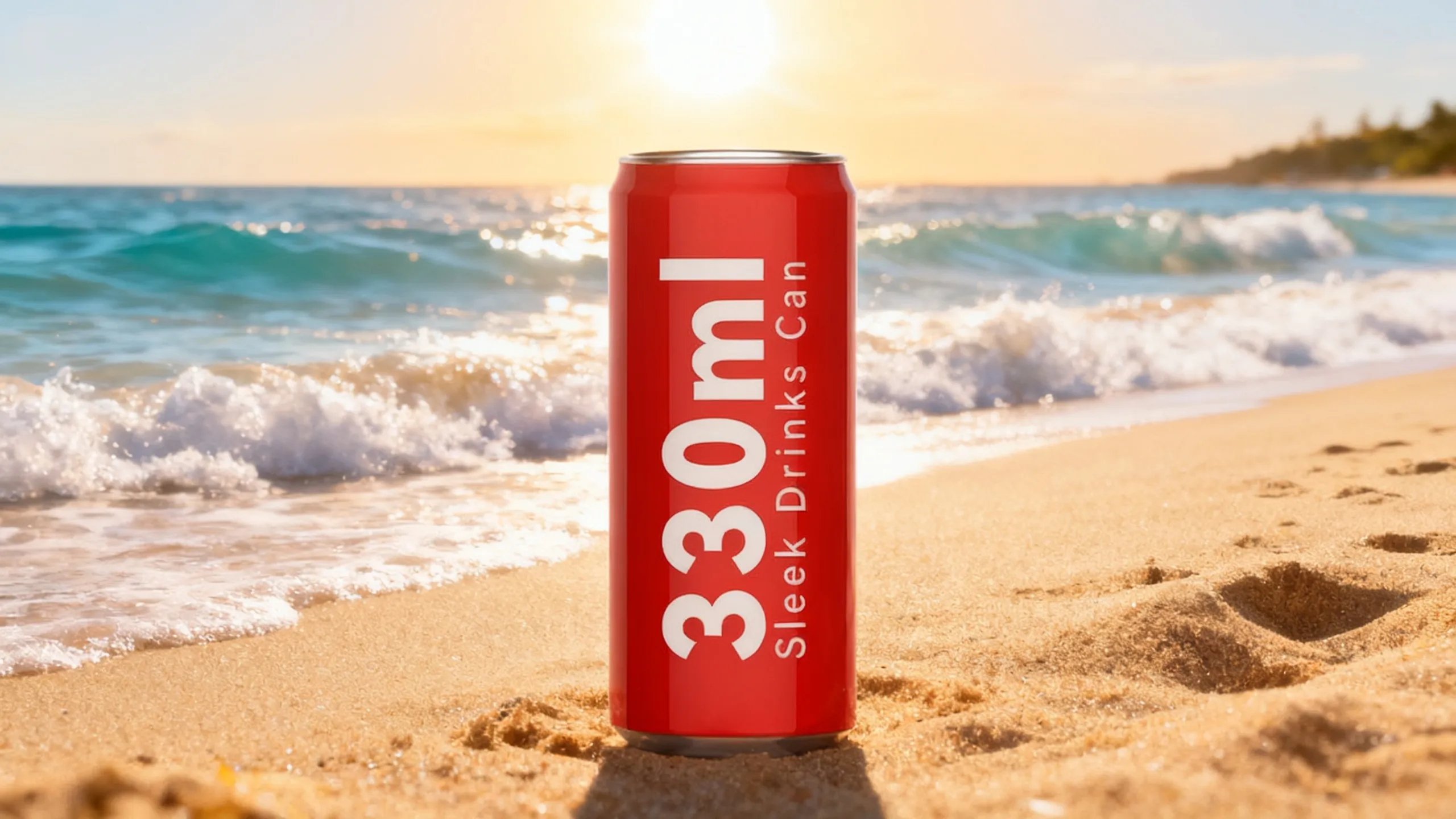
At first, cans and bottles look like just containers for drinks. But in trade, the type of material matters much more than the shape. It decides cost, shelf life, and long-term approval in different regions. Aluminium cans are made from strong metal that never loses its power, no matter how often it is melted down. Plastic bottles are light and cheap at first, but their recycling road is full of problems and is not steady.
Aluminium is safe to use, does not rust, and can be reused many times without losing its shine or strength. A can used today can return as a brand-new one in only a few months. Plastic, however, breaks down after each recycling round. Its value falls over time. For big buyers and wholesalers, aluminium is a stronger and safer choice for the long run.
Aluminium cans are among the most recycled items worldwide. Some countries report more than 70 percent return rates. Plastic almost never reaches this level. In many places, the number is closer to 20–30 percent, especially in regions where waste systems are weak. The difference is clear: aluminium goes back again and again into the system, while plastic piles up in dumps, landfills, or even rivers.
Buyers in Europe, North America, and Asia are asking more often for packaging with strong recycling records. Aluminium cans meet that request. This is why exporters use them for drinks sold in premium markets. Plastic bottles are still around where low cost is the only thing that matters, but their global welcome is shrinking each year.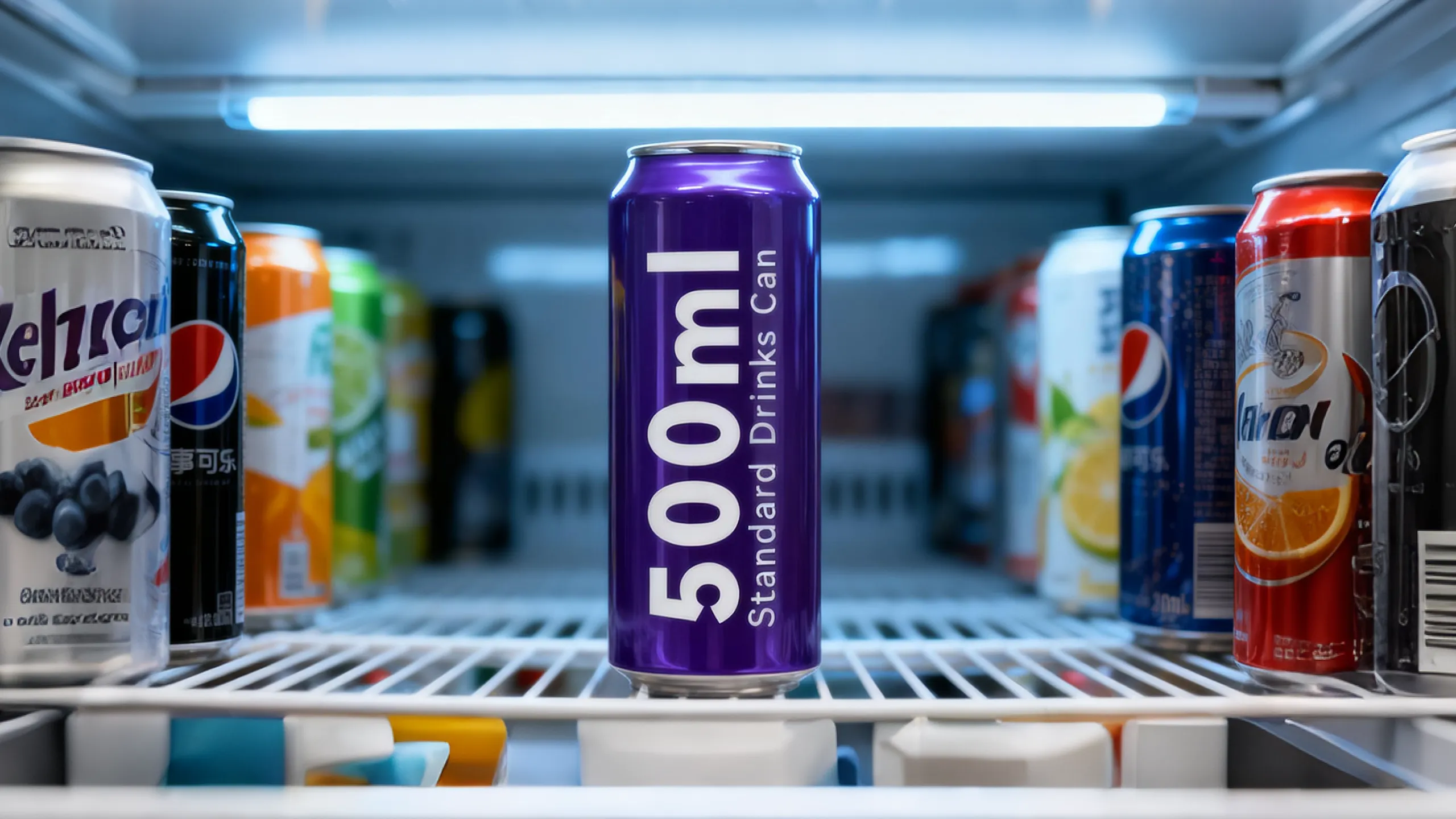
Recycling aluminium cans is not just smooth—it is also profitable. Many countries already have strong systems, so the chain works well from start to finish.
Cans are easy to find and sort in waste plants. Machines can spot aluminium quickly. Since aluminium reacts to certain magnetic tools, it is pulled out fast.
After sorting, the cans are cut, washed, and melted into new aluminium blocks. This process uses almost 95 percent less energy compared to making new aluminium from raw bauxite. That huge energy saving is one of the main reasons aluminium stays strong in world trade.
The same aluminium can be used over and over without losing quality. Unlike plastic, which weakens each time, aluminium holds its form. ZhenXi’s 450ml aluminum beverage can wholesale is a good example.

Plastic may look flexible and useful, but its recycling path is messy and not always effective. There are many types of plastic, and they cannot be melted together. Leftover liquid or food also makes the work harder.
Most plastics cannot be reused many times. A bottle might turn into textile filling, thin film, or packaging wrap. These are often single-use items that cannot be recycled again. This downgrade, called downcycling, lowers the worth of plastic recycling.
Cleaning and reusing plastic bottles takes a lot of water, power, and cash. The machines needed are costly. Many developing countries do not have this setup, so much of the plastic waste never enters a plant.
Many countries have tightened their trade laws. They now refuse to import plastic scrap. This leaves exporters with fewer ways to sell, which raises risks for buyers who depend heavily on plastic packaging.
The global market rewards packaging that is green and still affordable. Aluminium fits both needs, which is why it has moved into first place.
The first cost of aluminium may be a little higher, but its recycling value balances it out. Also, cans are light and stack easily. This saves space in shipping and lowers transport bills.
Modern buyers want to know if a product comes in packaging that can be recycled. Aluminium cans meet this demand, which helps brands win more trust.
Suppliers who sell aluminium packaging win trust with buyers that must follow strict import rules. Giving cans gives exporters a clear lead in places with strong eco laws.
Packaging does more than carry liquid. It shapes how people see a brand, it affects sales, and it changes freight costs. Picking aluminium cans helps firms grow stronger in global trade.
Buying in large amounts saves money. Suppliers often give flexible offers to exporters. For energy drinks and higher-end products, 250ml aluminum beverage cans wholesale are in high demand. Smaller size fits niche buyers who like compact packages.
Cans allow sharp printing and bright design. This gives space for logos, color, and product style. Drinks in aluminium often look more modern and professional, which global customers like.
Trade in aluminium cans keeps rising. Firms that start early with this trend can lock in steady demand and long-term buyers.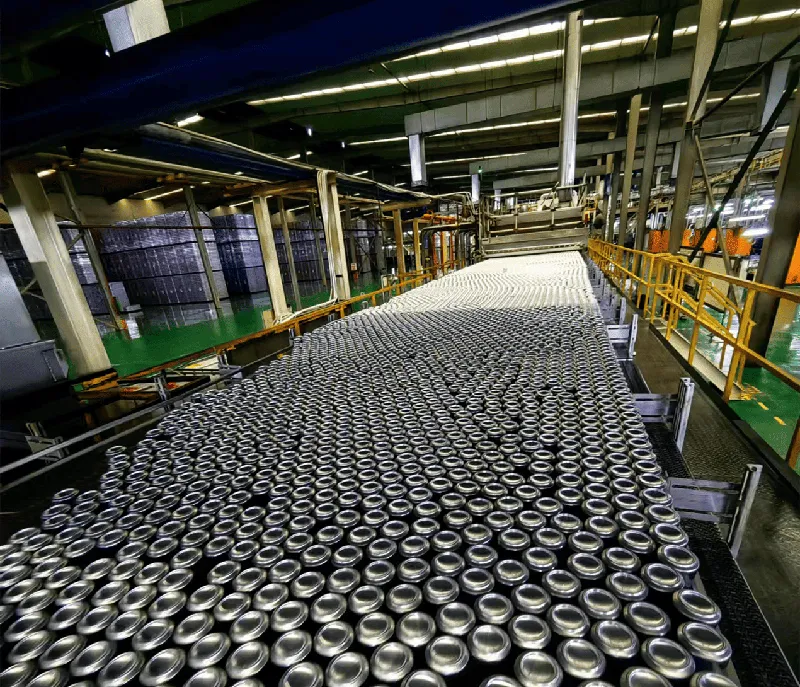
When picking a supplier, buyers look for stable quality, on-time delivery, and the power to change order size. A solid partner should cover all three.
ZhenXi has many years in exports and ships to several regions. Their large production lets them manage both small and very big orders.
Two main sizes are popular: the 330ml can for common drinks and the 500ml can for special products. Both sizes can be made with brand logos and custom looks.
Their OEM services help firms start unique product lines. Their wholesale support is steady, which helps buyers avoid delays or risks that happen with small suppliers.
Working with a skilled exporter makes the trade flow much easier. Their team is fast to answer and guides buyers step by step.
Their main website has product data and examples. Buyers can check details before making a deal.
Want to explore more about sustainable packaging and beverage industry trends? Click here to check out our past blog posts!
Q1: How many times can aluminium cans be recycled?
A: They can be recycled forever without losing quality. Plastic bottles, in contrast, weaken with every round.
Q2: Do aluminium cans save energy compared to new production?
A: Yes. Recycling cans saves about 95 percent of the energy used to make fresh aluminium.
Q3: Why do importers prefer aluminium over plastic?
A: Aluminium has higher recycling rates, stronger resale value, and wider approval in world trade.


