The beverage industry now focuses on convenience and sustainability through metal packaging which aluminum cans lead as its main innovation driver. Beverage cans suppliers now operate at high speed to deliver innovative materials and design expertise and customized solutions which fulfill various market requirements. The suppliers of beverage cans transform packaging methods and consumer experiences for all types of beverages including craft beer and functional drinks and premium juices.
ZhenXi stands as a pioneering company in China which leads the industry through its beverage production and aluminum can packaging operations. ZhenXi maintains high product standards through its advanced manufacturing systems while creating stylish products that serve practical purposes for its entire beverage range including energy drinks and artisanal teas. The company blog provides readers with market insights about product development and packaging advancements and health-related information and business strategies. ZhenXi provides sustainable and efficient solutions for beverage brand launches and OEM operations that meet contemporary consumer needs at various scales.
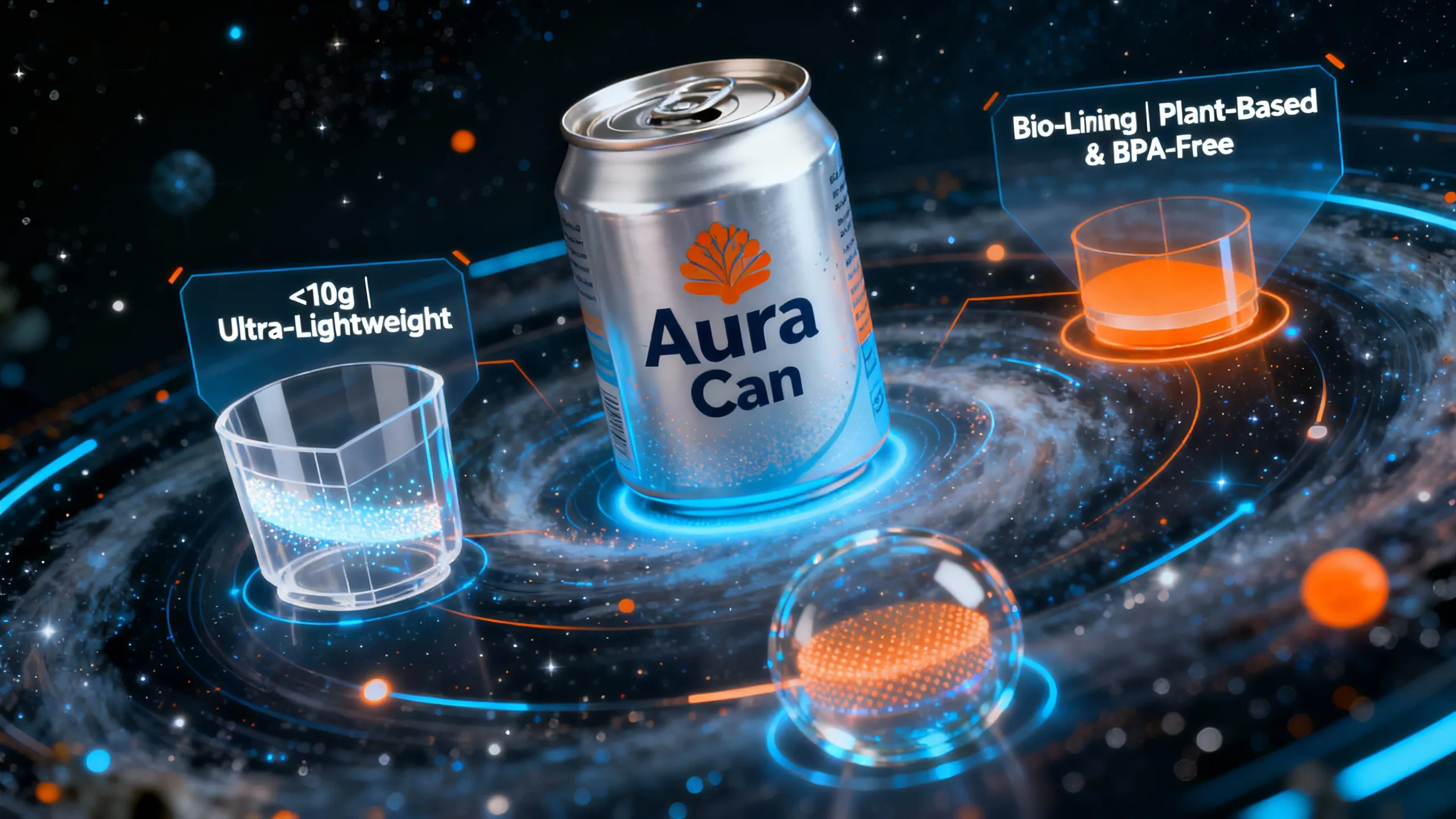
The current focus of modern beverage can suppliers centers on using lightweight materials which serve two purposes: they make products easier to carry and they help minimize environmental damage.
Table 1. Comparison of Beverage Packaging Materials by Weight and Recyclability
|
Packaging Type |
Average Weight (330ml) |
Recyclability Rate |
CO₂ Emission (per 1,000 units) |
|
Aluminum Can |
13g |
75–90% |
130 kg |
|
Glass Bottle |
180g |
60–70% |
480 kg |
|
PET Bottle |
24g |
30–40% |
290 kg |
Source: Global Beverage Packaging Sustainability Report, 2025
LIGHTWEIGHT: The product weighs less which makes it easy to carry while using fewer resources and producing less greenhouse gas emissions. The market trend shows people choosing environmentally friendly solutions which this feature supports. The aluminium can serves as an excellent packaging solution because it weighs less and can be recycled and its format makes it convenient for consumers while being one of the most sustainable beverage packaging solutions.
The aluminum can has evolved from its original function as a container into a marketing tool which serves as a branding platform. The aluminum can serves as a creative platform which draws consumer attention through its visual appeal to help brands achieve successful branding.
Table 2. Popular Printing Finishes Used in Beverage Cans (2025)
|
Printing Type |
Visual Effect Description |
Common Use Cases |
|
Matte Finish |
Soft, premium texture |
Craft beer, artisanal tea |
|
Glossy Finish |
High sheen, luxury appearance |
Energy drinks, RTD cocktails |
|
Fluorescent Printing |
Glows under UV light |
Sports/functional beverages |
|
Embossed Texture |
Raised tactile surface |
Premium juice & limited editions |
The market now provides suppliers with various effects including glossy and matte finishes and tactile textures and fluorescent printing with eight-color capabilities to help brands stand out in retail stores.
Manufacturers who want to serve specific markets including craft beer enthusiasts and clean-label juice consumers should offer both small batch orders and adjustable product labeling options. The company allows new brands to test their products through customized logo and design options which help them avoid large initial investment costs. The customization option enables businesses to handle different production volumes while supporting the development of unique products such as juices with pulp and carbonated botanical drinks.
Design has progressed from its original focus on visual appeal to become a fundamental factor which drives customer interaction. The combination of structural elements with graphic design and touch-sensitive features has the power to shape customer buying choices.
The printing of detailed designs on cans enables businesses to create powerful visual communications. The contemporary design of aluminum cans attracts customers while helping brands establish themselves through visual identity in high-end beverage segments. The first impression consumers get from products determines their market success in competitive markets.
The product line includes three different can sizes which range from 355ml to 500ml and 8oz mini cans to meet various drinking needs. The product design includes RPT/SOT easy-open lids and six-pack HDPE carriers which provide both user-friendly operation and safe transportation of the product.
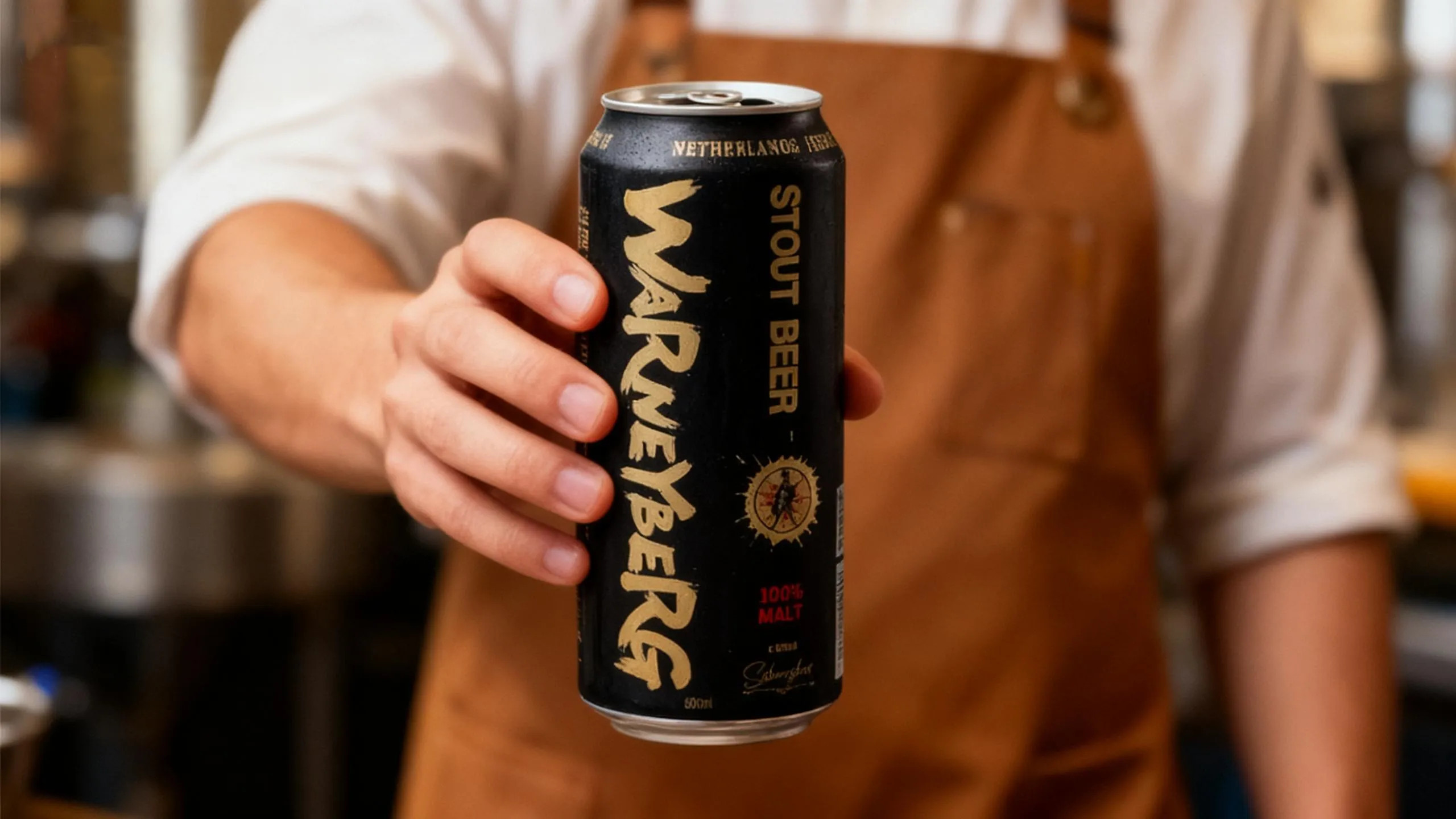
The packaging industry experiences premiumization as its main driving force. The 500ml WarneyBurg Premium 12° Whole Wheat German Craft Beer shows how premium packaging design meets the expectations of sophisticated consumers through its combination of attractive can design and pure brewing methods. The German precision design of cans implements a double nitrogen freshness lock system and black technology can body to maintain product freshness and flavor quality.

The packaging lifecycle requires suppliers to make complete changes because eco-conscious consumers now demand it. The recyclable nature of aluminum cans makes them an excellent choice because they have a minimal impact on the environment.
Table 3. Aluminum Can Recycling and Energy Efficiency Statistics
|
Indicator |
Data (Global Average, 2025) |
|
Recycling Rate of Aluminum Cans |
85% |
|
Energy Saved from Recycling (vs. New) |
95% |
|
Times Aluminum Can Recycled Annually |
6 Times |
|
Share of Aluminum Still in Use (Since 1888) |
80% |
Source: International Aluminium Institute, 2025
The recyclable nature of aluminum exists alongside established collection systems which enable efficient processing and reuse operations that align with sustainability objectives. The beverage can undergo six annual uses according to experts which explains why 80% of aluminum production remains in active service.
The production process becomes more energy-efficient through the implementation of modular lines and intelligent control systems. The intelligent production system we have implemented achieves a 30% decrease in energy consumption. The improved operational efficiency helps organizations decrease their expenses while minimizing their environmental impact which aligns with worldwide sustainability goals.
The growing demand for clean-label beverages requires packaging solutions which maintain the purity standards of these products. The ZhenXi 355ML 100% Natural Elderberry Juice With Pulp aligns with health-conscious consumer values through its additive-free formula presented in recyclable aluminum packaging.
The modern supply chain requires suppliers to handle different liquid profiles which include carbonated beverages and thick juice products while maintaining product quality and extending shelf life.
The main expansion of aluminum can packaging occurs in four product segments which include craft beer and hard seltzer and ready-to-drink beverages and energy and sports/functional drinks and wine and soda. The market needs adaptable packaging solutions which protect products and showcase their practical advantages.
Bespoke solutions serve small-batch producers who prioritize maintaining their authentic products. The fermentation process of beer depends on yeast which functions as its primary engine. The French special beer yeast from Zhenxi craft beer demonstrates high activity levels.
The technology now enables manufacturers to create coatings for difficult-to-formulate products which include pulp-rich juices and CO₂-charged seltzers. The ready-to-drink can enables people to easily obtain elderberry's nutritional advantages while providing health benefits to consumers who want nutritious drinks without compromising taste or quality.
ZhenXi shows beverage cans suppliers how to unite human craftsmanship with automated systems to achieve superior market flexibility.
Elderberry essence: The deep mountain and old forest wild elderberry essence remains unaltered through its natural state without any additives. The 355ml pulp-rich juice supports immunity while following clean-label trends through its unique combination of health science and natural sourcing methods.
The beer receives its noble hop flavor from Hallertau hops which are added manually at more than 8g/L to achieve 28 IBU bitterness for its German-style 12° brew. The beer maintains its aroma and mouthfeel through advanced nitrogen-locking technology which protects its packaging during storage.
Zhenxi implements modern production methods through its modular production lines which allow for quick product changes within 48 hours. The system provides flexible production which maintains consistent quality levels for both energy drinks and botanical teas throughout all production runs.
The manufacturing process undergoes complete transformation through technological advancements which enhance both product accuracy and tracking capabilities and extended product lifespan.
The system decreases production inconsistencies while it operates at higher speeds. Our production line has the ability to manufacture 150,000 cans during each operating hour. The system enables both large-scale retail product launches and quick market testing operations.
The use of QR codes and NFC chips embedded in cans allows consumers to access traceability information and promotional content at any time which improves both product transparency and consumer interaction.
The protective barrier of these coatings prevents oxygen from entering the package while stopping flavors from escaping which protects delicate items such as juice and coffee. The technologies enable beverages to maintain their authentic flavor profile throughout multiple months of canned storage.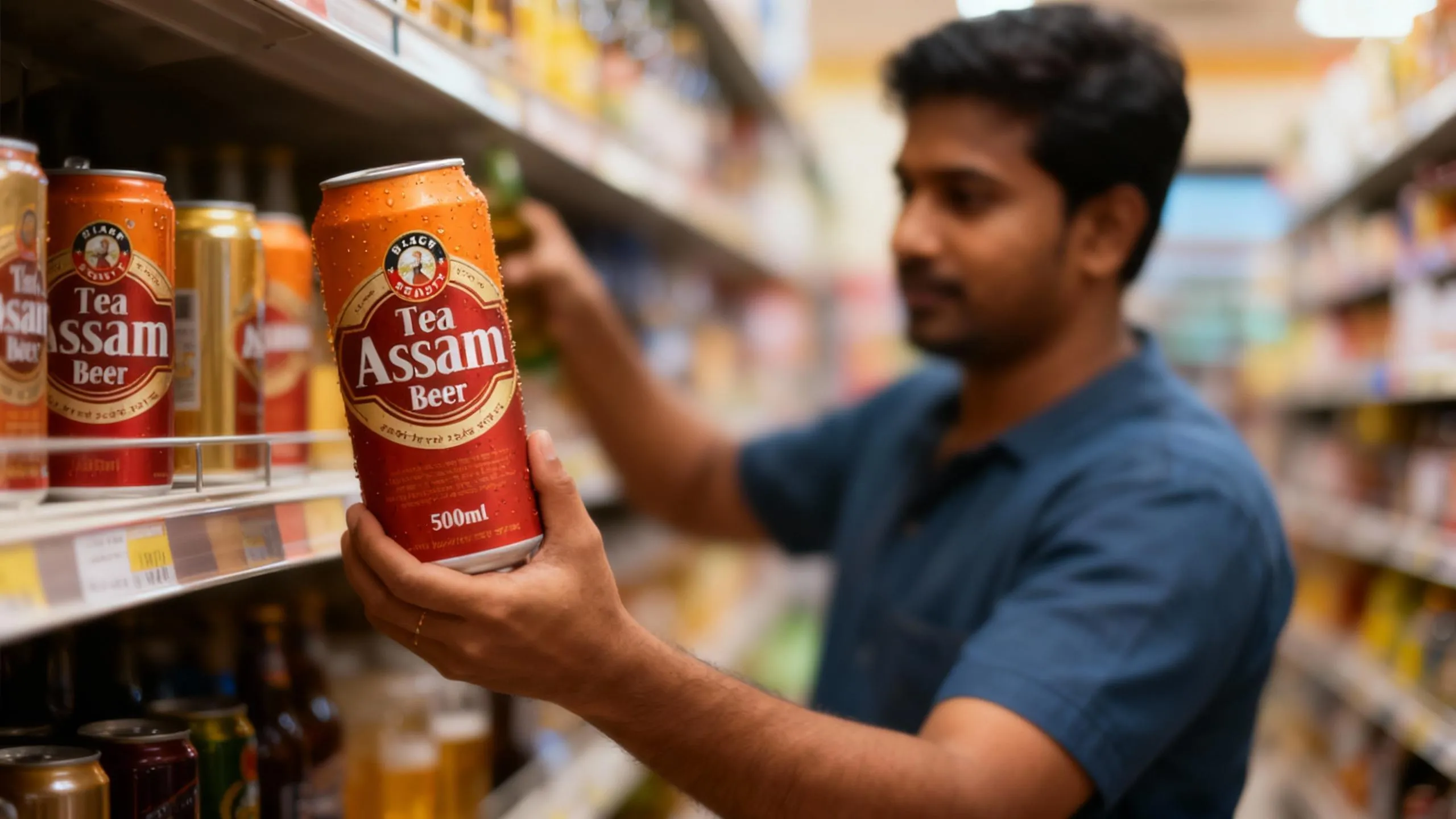
Beverage cans suppliers base their product development on collaboration to create solutions which match brand objectives.
The company develops specific solutions for beverage brands through collaborative work which produces exact answers that connect with their target markets.
Suppliers who dedicate resources to research and development achieve faster responses when trends such as sugar-free seltzers and botanical infusions become popular. Big data forecasting tools enable companies to forecast market trends which shortens their product launch timeline.
Scalable infrastructure provides reliable service worldwide to both big companies and new businesses which is essential for growth-stage businesses that enter new markets across different regions.
Want to explore more about how beverage cans suppliers are driving innovation in lightweight materials, sustainable packaging, and customized designs for craft beers and functional drinks? Click here to check out our past blog posts!
Q1: Why are aluminum cans considered more sustainable than other formats?
A: Aluminum is highly recyclable consistent with broader sustainability goals.
Q2: What types of beverages are best suited for aluminum can packaging?
A: Craft beer, energy drinks, sparkling water, RTD cocktails all benefit from aluminum’s protective qualities.
Q3: How does advanced printing on cans affect brand identity?
A: High-impact visuals using matte or fluorescent finishes increase shelf appeal and reinforce premium positioning.


