Caffeinated beverages operate as complex biochemical agents which impact brain neurotransmitter pathways and synaptic operations to alter emotional responses and mental performance. Your beverage choice determines how your body and mind will react because it influences your performance as an office worker or athlete or student.
The two beverage options ZhenXi White Coffee and ZhenXi Cold Press Cappuccino provide mental clarity with sustained energy to customers seeking these benefits. ZhenXi Industrial Co uses high-quality raw materials to create beverages that provide a fresh and energizing drinking experience with every sip. The compact can design of these products caters to active professionals who need to stay mobile while their natural ingredients follow the current demand for wellness-focused energy beverages.

Caffeine creates its brain effects through its ability to connect with different vital neurotransmitters that exist in the brain. The brain uses chemical signals named neurotransmitters to manage mental alertness and mood states and cognitive abilities.
The blocking of adenosine receptors by caffeine results in elevated dopamine transmission which produces improved mood and motivation. The dopaminergic system regulates reward processing so caffeine functions as a strong stimulant that enhances pleasure and motivates people to take more of it.
The sleep-inducing effect of adenosine as a neuromodulator stems from its ability to decrease brain cell activity. Caffeine works as an antagonist which blocks adenosine receptors that consist of A1 and A2A subtypes. Caffeine blocks these receptors to prevent drowsiness and simultaneously boosts cortical activity for increased wakefulness.
The blockade of adenosine receptors leads to increased norepinephrine release because this neurotransmitter strengthens attention and vigilance. The rapid rise of norepinephrine activates the sympathetic nervous system's fight or flight response which produces the stimulating effects that occur in caffeinated drinks.
Caffeine stimulation leads to effects that surpass basic wakefulness because it causes intricate synaptic changes in neural network communication patterns.
The blocking of adenosine receptors by caffeine disrupts neurotransmitter equilibrium which results in elevated excitatory signals. The combination of elevated glutamatergic activity and decreased GABAergic inhibition creates an environment of heightened neuronal excitability that impacts different brain regions.
The reduction of adenosinergic tone leads to higher neuronal firing rates. The substance accelerates information processing and mental performance but its overuse leads to restlessness.
Long-term potentiation (LTP) shows sensitivity to chronic caffeine consumption through its cellular learning and memory mechanism. The NMDA receptor allows calcium entry into cells when people consume moderate amounts of caffeine which strengthens LTP but excessive caffeine intake may harm synaptic plasticity.
The absorption rates and neurochemical effects of caffeinated beverages vary because their total composition of sugars acids proteins and herbal extracts determines how they interact with the body.
The presence of fats or proteins in the stomach causes gastric emptying to slow down which extends the time needed for caffeine to enter blood circulation. The stomach pH changes from acidic or carbonated beverages result in faster caffeine absorption.
The combination of taurine and B vitamins with caffeine creates a synergistic reaction that enhances both energy metabolism and neurotransmitter production. Functional drinks containing taurine and guarana extract and B vitamins help the body to rapidly restore its energy levels. The brain gets immediate glucose energy from sugars yet these substances lead to energy crashes because the body needs proper balance to avoid this effect.
The 250ml ZhenXi White Coffee delivers fast mental stimulation through its rapid-acting composition which focuses on both newness and mobility for demanding work sessions. The 190ml ZhenXi Cold Press Cappuccino uses high-quality ingredients to make a well-balanced drink which provides sustained energy without affecting the nervous system. The products fulfill distinct neurological needs because they provide either brief mental acceleration or sustained mental performance.
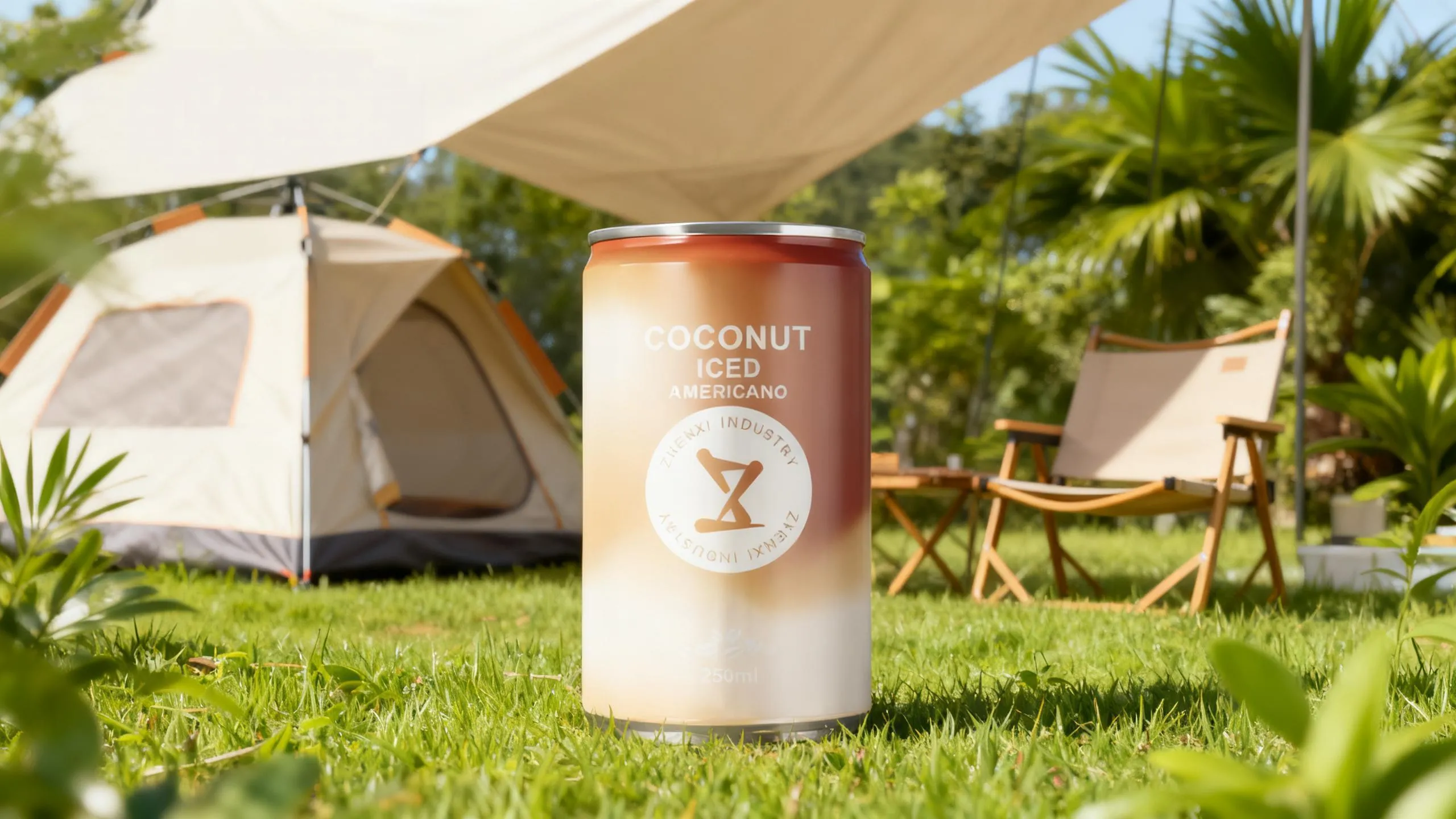
These beverages deliver taste experiences and particular brain function advantages that match various workplace needs.
The professional packaging technology of this variant supports both long-term freshness and shelf life and delivers fast mental activation for situations requiring high concentration during meetings and study periods. The small can design suits fast-paced situations because it remains easy to handle when speed becomes essential.
The ingredients in this cold press cappuccino maintain a steady level of stimulation. The intricate taste of this beverage allows caffeine to enter the body at a gradual pace which results in prolonged alertness throughout extended work periods or travel.
Functional beverages now contain herbal ingredients which help consumers achieve antioxidant protection and mood stabilization benefits. The combination of caffeine stimulants with these compounds produces a balanced system that enhances physical energy and mental strength without causing system overload.
Your brain develops neural circuit adaptations through long-term caffeine exposure which changes its response patterns.
The body creates additional adenosine receptors when people use substances repeatedly because it needs to fight against the ongoing blocking effect of these substances. The body develops tolerance to caffeine through receptor multiplication which requires people to consume increasing amounts of the substance to achieve the same effect.
The body shows decreased reactions to stimulants after someone maintains their current medication dosage. The brain develops withdrawal symptoms such as fatigue and irritability when a person stops using stimulants because their adenosinergic activity becomes unregulated.
The recommended 400 mg daily caffeine limit shows promise for improving long-term brain resilience through neurogenesis-related signaling activation which benefits individuals who age normally and those who work under high stress conditions.
Caffeinated beverages produce mood regulation effects that extend past basic alertness because they trigger intricate relationships between serotoninergic and dopaminergic systems.
Working professionals worldwide choose coffee-based products because these beverages boost dopamine transmission which results in better mood states.
Caffeine produces effects on serotonin levels through indirect pathways which involve tryptophan transport into neurons under specific metabolic conditions leading to emotional stability changes.
The drinks combine delicious taste with energizing elements which results in a perfect mix that provides both functionality and mood enhancement during stressful or tired periods.
The professionals require ongoing clear communication that will not impact their health metrics or work routines.
Zhenxi Industrial manufactures aluminum cans that offer portability features alongside maintaining strict product quality standards. The slim-can designs from Zhenxi Industrial match perfectly with briefcases and backpacks which makes them ideal for executives and field workers who need portable focus-enhancing tools during their workday.
The new sports drinks contain plant-based ingredients which deliver enduring energy while preventing blood sugar surges that result in energy drops.
With private label customization available,ZhenXi offers free label design services tailored for retailers seeking unique market positioning. Whether targeting focus enhancement or fatigue relief segments,functional drinks meet the needs of students, athletes, office workers—allowing precise alignment with diverse neurofunctional demands across demographics.
Want to explore more about sustainable packaging and beverage industry trends? Click here to check out our past blog posts!
Q1: What makes caffeinated drinks effective at improving focus?
A: They block adenosine receptors while enhancing dopamine signaling—resulting in greater alertness and motivation.
Q2: How do additives like taurine interact with caffeine?
A: Taurine can enhance cellular energy metabolism when paired with caffeine for synergistic stimulation effects.
Q3: Are cold-pressed coffee variants better for sustained energy?
A: Yes; their slower absorption rates help maintain consistent alertness without sudden spikes or crashes.


