The tea tastes fresh and elegant, which can quench thirst and maintain health. For Chinese people, drinking tea is a tradition that has been passed down for thousands of years. Oolong tea, green tea, Pu'er tea, scented tea and black tea are all traditional Chinese famous teas. They have different characteristics in production process, brewing method, taste and nutritional ingredients.
The tea tastes fresh and elegant, which can quench thirst and maintain health. For Chinese people, drinking tea is a tradition that has been passed down for thousands of years. Oolong tea, green tea, Pu'er tea, scented tea, and black tea are all traditional Chinese famous teas. They have different characteristics in the production process, brewing method, taste and nutritional ingredients.
Consumers often fall into a dilemma of choice: it is difficult to have both the freshness of green tea and the mellowness of black tea. Is the complex process of oolong tea worth the high price? Is the "older and more fragrant" of Pu'er tea a truth or a rhetoric? Are there any health risks behind the fragrance of scented tea? Especially when the market is full of marketing concepts such as "ancient tree Pu'er" and "nine-time scented jasmine", scientific identification ability becomes particularly important.
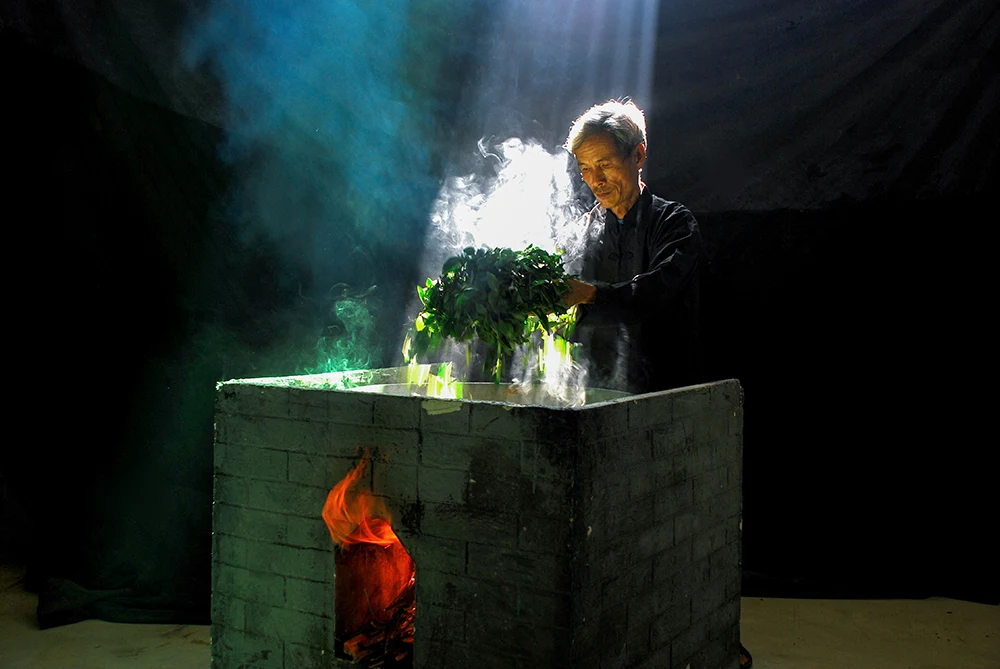
Essential differences in technology: fermentation degree
1. Oolong tea
- Making green is the key: the tea leaves collide in the green shaking machine, the leaf edge cells are damaged and oxidized to turn red (forming "green leaves with red edges"), the leaf heart remains green, and the degree of fermentation is free through precise control of temperature and time.
- Flavor control stage: lightly fermented oolong (such as Wenshan Baozhong) retains the floral fragrance, heavily fermented oolong (such as Oriental Beauty) transforms into honey rhyme, and charcoal roasting technology gives caramel fragrance.
2. Black teaPile fermentation: the tea leaves are rolled and piled up, and the enzymatic oxidation is thorough. Theaflavins are converted into thearubigins, forming the characteristics of red soup, red leaves, and mellow wheat aroma.
3. Green teaHigh temperature sterilization and enzyme inactivation: rapid high temperature treatment after picking to prevent oxidation reaction, maximize the retention of chlorophyll and tea polyphenols, and achieve clear soup, green leaves, and green grass fragrance.4. Pu'er Tea (Post-fermentation)
- Raw Pu'er: Yunnan large-leaf sun-dried green tea is naturally aged and fermented slowly, and the tea leaves are dark green
- Ripe Pu'er: After artificial "pile fermentation", the hot and humid environment is used to promote microbial transformation, and the tea leaves are dark brown to black.
5. Scented Tea (Aromatherapy Tea)Using green tea, oolong tea, or black tea as the base, the scent is absorbed through the scenting process. The penetration of the floral fragrance depends on the number of scentings (top-grade jasmine tea needs nine scentings and one jar).
- Jasmine Tea: Green tea base + jasmine flowers are repeatedly scented
- Rose Oolong: Oolong tea base + rose petals are mixed.
| Comparison of core processes and ingredients of five major tea categories |
| Characteristics |
Oolong tea |
Black tea |
Green tea |
Pu'er tea |
Scented Tea |
| Fermentation degree |
15%-85% (controllable) |
90%-100% |
0% |
Raw Pu'er tea: <30%; Ripe Pu'er tea: >90% |
Determined by base tea (usually <20%) |
| Core process |
Shaking green tea to make green tea + dynamic fermentation |
Piling full fermentation |
Killing green tea to prevent fermentation |
Piling fermentation (ripened Pu'er tea)/aging |
Scenting or flower mixing |
| Tea polyphenols retention |
30%-60% |
<20% |
>85% |
Pu'er tea (raw tea) ≥28%, Pu'er tea (ripened tea) ≤15% |
20%-30% |
| Typical flavors |
Flower and fruit aroma (linalool) |
Thearubigins (wheat aroma) |
Catechins (green freshness) |
Thearubigins + gallic acid |
Flower essential oils (such as jasmine) |
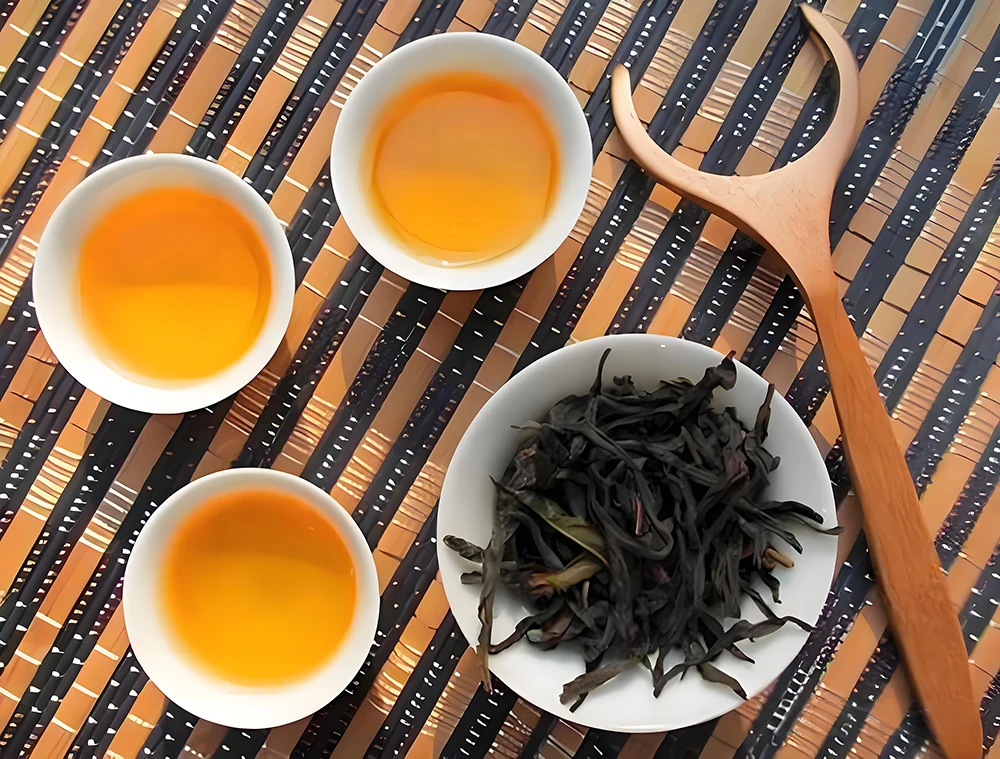
Why can oolong tea be both fresh and mellow?
Consumers often complain that "green tea is too light and black tea is too greasy", while oolong tea solves this pain point with a stepped flavor release.
1. The complexity of aroma crushes single tea types
- Lightly fermented oolong (Iron Guanyin): dominated by orchid fragrance, high amino acid content, and freshness close to green tea;
- Heavily fermented oolong (Dahongpao): rich fruit honey fragrance, theaflavin produces a mellow feeling similar to black tea, but with lower astringency;
- Charcoal roasted oolong (Wuyi Rock Tea): caramel fragrance and mineral feeling, roasting heat decomposes tannins, and the taste is more rounded.
2. The golden ratio of caffeine and theanine
- Caffeine content: Oolong tea (25-35mg/cup) is between green tea (15-30mg) and black tea (40-60mg), refreshing without being agitated;
- Theanine retention: Partial fermentation promotes the synergy of umami amino acids (theanine) and fermentation products, forming a contradictory unity of "mellow and sweet".
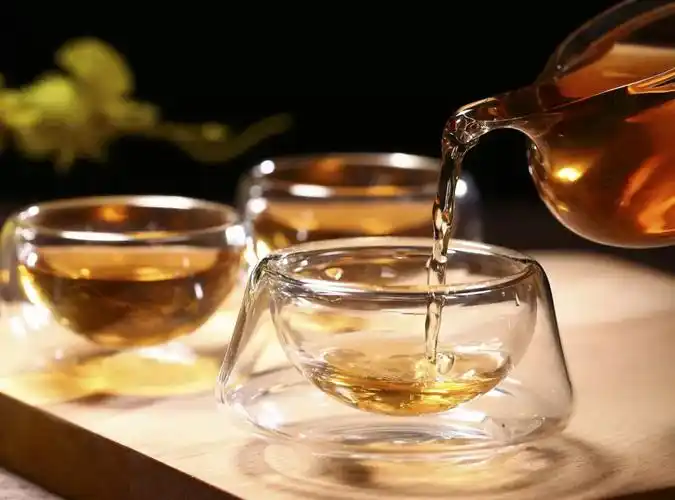
Which is better for weight loss or anti-oxidation?
Facing the confusion of "which tea is healthier", scientific data reveals the two-way regulation advantage of oolong tea:
1. Fat reduction efficiency: oolong tea > green tea > Pu'er tea > black tea > scented tea
- Oolong tea's tannic acid + moderate caffeine: Activating lipase efficiency is 20% higher than green tea, and fermentation products inhibit fat absorption (black tea has no such effect);
- Experimental evidence: Drinking 500ml of oolong tea every day, visceral fat decreased by 12% after 6 weeks (8% for the green tea group).
2. Antioxidant: green tea > Pu'er tea > oolong tea > black tea > scented tea, but oolong tea is more "gentle"
- Green tea has the highest catechin content, but it is more irritating and can easily hurt the stomach when drinking on an empty stomach.
- Oolong tea retains 30%-60% catechins, which are converted into theaflavins through fermentation, and the antioxidant activity is more lasting, which is friendly to people with sensitive stomachs.
3. Exclusive benefits: regulating blood sugar + lowering cholesterol
Methylated catechins (EGCG3"Me) produced by semi-fermentation:
- Inhibit blood sugar rise (diabetic patients drink blood sugar fluctuations after meals by 25%);
- Improve bile acid excretion and reduce low-density lipoprotein (LDL).
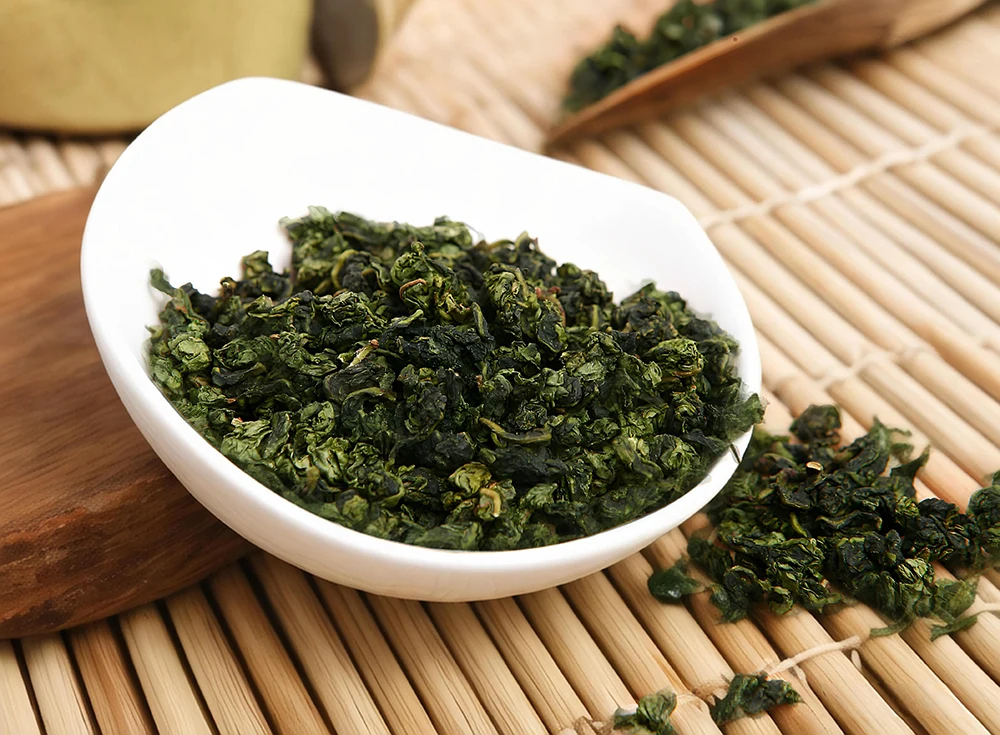
Purchase avoidance guide: Three steps to lock in high-quality oolong tea
Step 1: See through the common traps of merchants
|
Promotional words
|
Truth
|
Response strategies
|
|
"Thousand-year-old tree oolong"
|
The annual output of ancient tree tea is less than 1% of the market
|
Look for SC codes and refuse to buy three-no tea
|
|
"Orchid fragrance explosion"
|
Pungent fragrance may be added with flavors
|
Cold smell to identify counterfeits: The fragrance of flavored tea decreases sharply after cooling
|
|
"The older, the more valuable"
|
Only heavily fermented charcoal roasted tea is suitable for aging
|
Novices should choose the light fragrance type within 1-2 years
|
Step 2: Match the tea type according to the physique and scene
- Fat loss needs → Lightly fermented oolong (Iron Guanyin): more tea polyphenols are retained and fat is decomposed quickly;
- Weak stomach → Medium-fermented charcoal-roasted tea (Wuyi rock tea): roasting reduces irritation, warms the stomach and aids digestion;
- Office refreshment → Light-fragrant high mountain oolong (Alishan tea): moderate caffeine, floral and fruity aroma relieves stress.
Step 3: Four ways to check the quality
- Observe the appearance: the hemispherical tea leaves are tight and uniform (machine-made tea often has broken residues);
- Observe the soup color: lightly fermented tea soup is yellow-green and translucent, and heavily fermented tea soup is amber (turbidity may be deteriorating);
- Smell the cold fragrance: the lasting fragrance at the bottom of the cup is the real floral and fruity fragrance (flavored tea has no fragrance after cooling);
- Inspect the leaf bottom: after brewing, the leaves have obvious "green leaves and red edges" and are soft to the touch.
Why should I try oolong tea now?
Three types of people urgently need to change the track
-
People who have stomachaches from green tea: fermentation of oolong tea reduces the irritation of tannins and retains 80% of antioxidant power.
-
People who are tired of black tea: the ever-changing flavors of oolong tea (osmanthus fragrance/peach fragrance/charcoal fire fragrance) break the monotony.
-
People in health management: comprehensive anti-aging + fat reduction + sugar control three-in-one, no drug side effects.
Action Guide: Low-risk tasting strategy
-
Priority for trial package: Choose an experience package with 3 fermentation degrees (light/medium/heavy fermentation), cost <50 yuan;
-
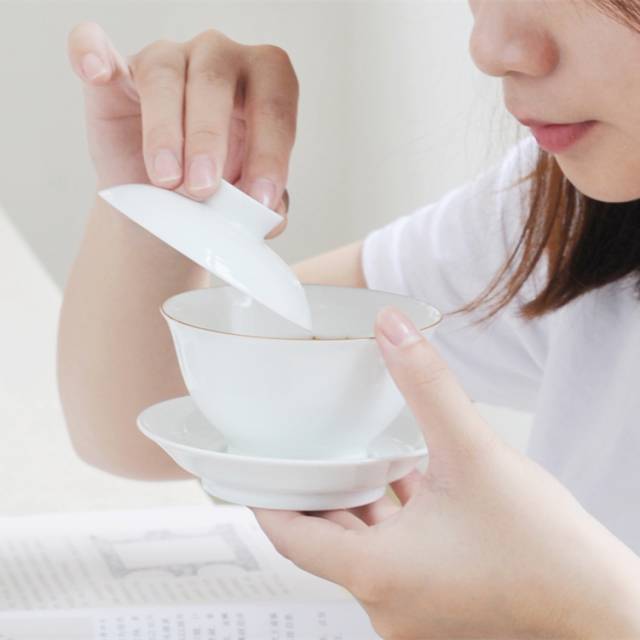
Utensil minimalism: No need for a purple clay teapot, 300ml glass cup + 90℃ water temperature + 3 grams of tea leaves;
-
Scientific brewing formula:
-
Light fragrance type: 85℃ water, 40 seconds for the first brew;
-
Strong fragrance type: 95℃ water, 20 seconds for the first brew, 30 seconds for the second brew.
Key reminder: Good tea never lies. If you are tired of the astringency of green tea and the heaviness of black tea, oolong tea is like a mediator wandering between the two poles - using the wisdom of semi-fermentation to find the golden fulcrum between freshness and mellowness.
Appendix: Oolong tea daily health plan (based on WHO dietary guidelines)
|
Time
|
Recommended teas
|
Efficacy focus
|
Taboo tips
|
|
1 hour after breakfast
|
Lightly fermented oolong
|
Promote digestion + refreshment
|
Avoid drinking on an empty stomach
|
|
30 minutes before lunch
|
Medium fermented oolong
|
Inhibit fat absorption
|
1 hour interval for those taking medicine
|
|
After exercise
|
Cold brew heavily fermented oolong
|
Accelerate lactic acid metabolism
|
Add salt to supplement electrolytes
|
|
2 hours after dinner
|
Charcoal-roasted old oolong
|
Warm stomach and help sleep
|
Limited to 100ml for insomniacs
|


