Tea, in all its varieties, is much more than a simple drink—it's a carefully created experience, built on hundreds of years of customs and new ideas. Whether you're making a strong black tea or a gentle green tea, turning fresh leaves into a ready product takes several exact steps. Each part of the process is important in shaping how the tea smells, tastes, and feels in your mouth. If you want to learn more about tea-making or match your methods to what people want today, this guide provides you with in-depth, helpful tips.
Before we get into the details, let’s point out a company that has truly perfected this art: ZHENXI. Famous for their completely natural bottled teas, they provide carefully made options like Black Tea and Oolong Tea. Each one is prepared using detailed methods that extract flavors and cool them down, preserving both the taste and health benefits intact.
This piece walks you through the full journey of tea making—from the first drying stage to the final one.
The process starts with withering. Here, newly picked leaves lose water and get soft enough for the next steps. It’s not only about drying them out. This stage also kicks off natural changes inside the leaves that help build their smell. By managing air flow and dampness, special scent bits start to form. These set the mood for how the tea will turn out later.
After drying a bit, the leaves are twisted and shaped. This breaks their tiny walls and lets out natural oils. Doing this helps the leaves change more as they touch the air. It also gives them their shape. This step matters a lot for teas like oolong and black kinds, where a rich, mixed smell is the goal.
Oxidation might be the biggest factor in deciding how a tea tastes. After rolling, when leaves meet air, certain parts inside them turn into stuff that gives black teas their color and sharp taste. For instance, “The extraction temperature for oolong tea and black tea juice is 80-90°C”. This shows how much or how little change happens, based on what kind of tea you want to make.
To stop the changes at the right moment—especially for green or lightly changed oolong teas—a fixing step is used. Usually, this means heating the leaves in a pan or steaming them. Doing so stops the natural changes and keeps the green color alive inside.
Drying makes the leaves ready to store and locks in their flavors. Based on old ways or the kind of tea, drying might happen with hot air or in heated pans. This step also changes how the tea feels when you sip it. Too much drying can make it rough. Too little can let tiny germs grow and spoil it.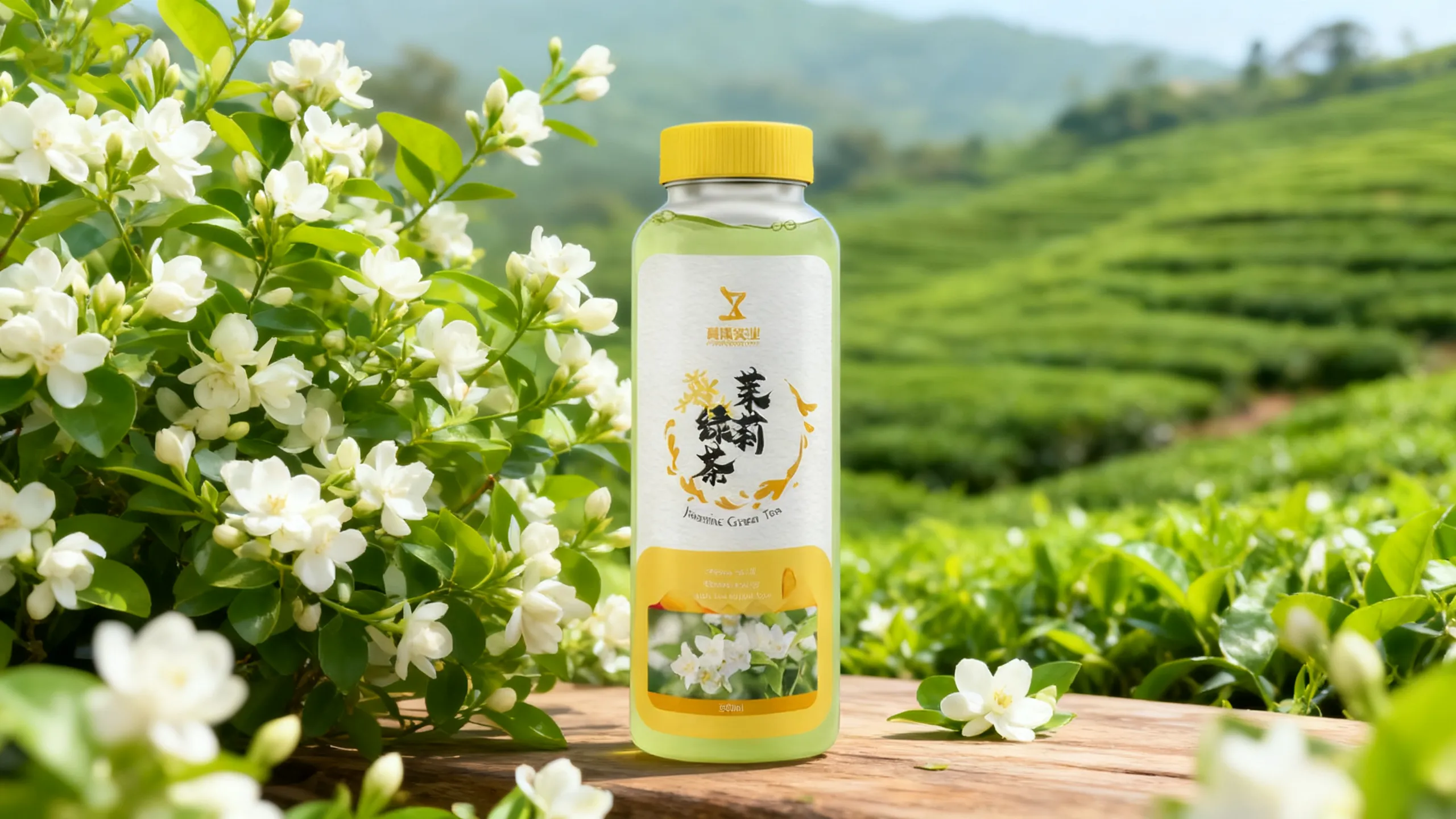
Every kind of tea goes through these main steps, but small tweaks in time, heat, or order create very different tastes and looks.
Green tea doesn’t go through much change at all. “The ratio of green tea to water is 1.25%, the extraction temperature is 90℃, and the time is 5 minutes”. Stopping the natural changes early keeps the fresh, green taste and healthy bits that fight off harm in your body.
Oolong tea falls between green and black in how much it changes—anywhere from a tiny 10% to a big 70%. The outcome is a taste with many layers, mixing sweet flower hints with deeper, toasty ones. You can try these flavors in products like Dong Ding Oolong or Tie Guan Yin. These show how well partial changes can work. ZHENXI 100% Natural Tie Guan Yin Oolong Tea | Bottle, 500Ml is a great example.
Black teas change completely before they’re dried. “The extraction temperature is 90℃, the time is 7 minutes” during making. This makes sure the full, strong taste comes out through a deep natural shift. Also, “Hot filling is to heat the tea juice to above 90℃, then immediately sealed and sterilized at high temperature using a sterilization intensity of 121°C”. This keeps everything safe and tasty.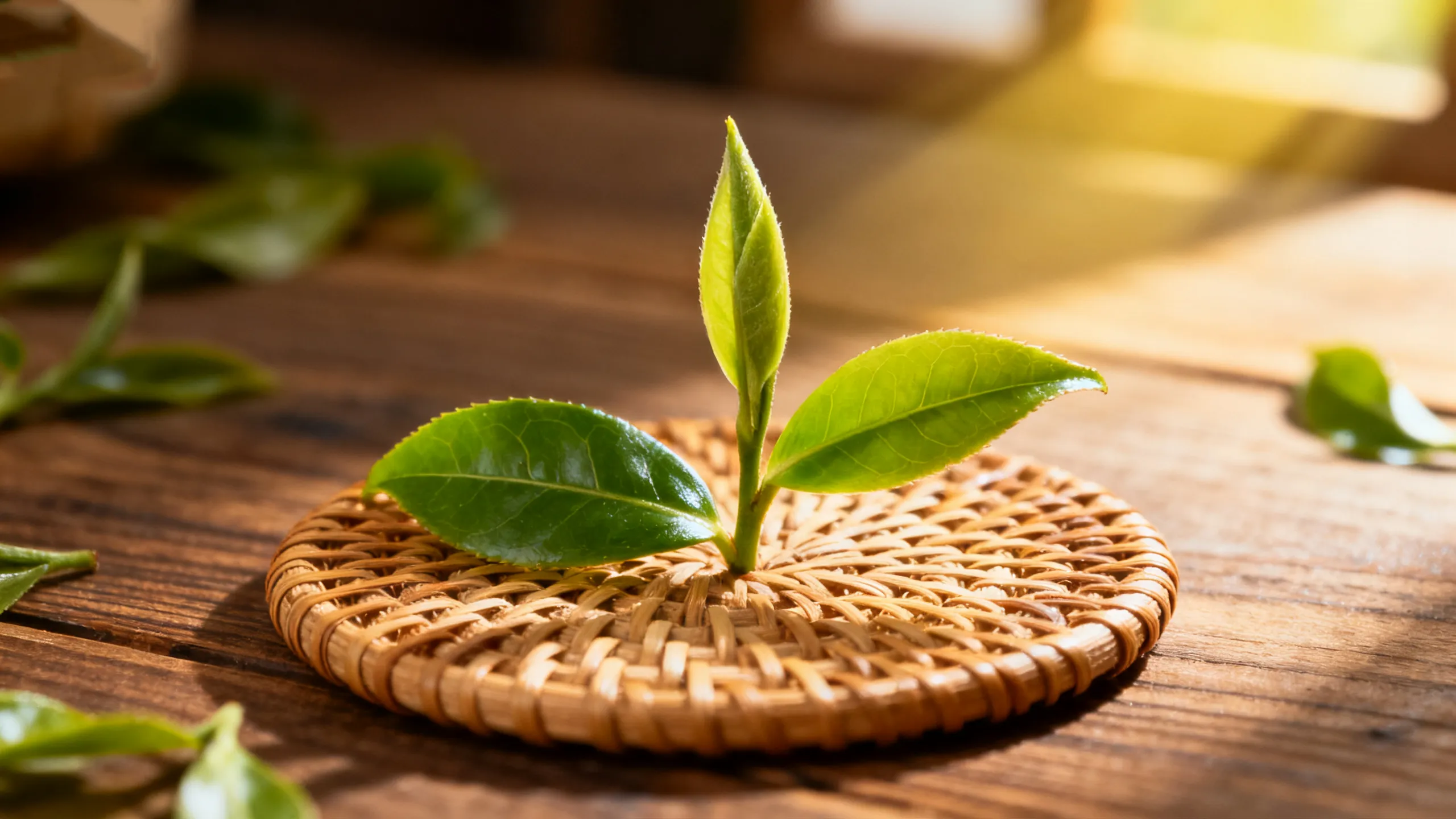
How good the leaves are isn’t just about how they look. It ties straight to what’s inside them, which changes how they taste in your cup.
Different kinds of tea plants have their own mix of stuff inside, like healthy bits, building blocks, and smell makers. A plant great for oolong might not work as well for green tea. That’s because of how their insides react or how their leaves are built.
The place and conditions where tea is made need to be watched closely. This helps keep every batch tasting the same.
The purpose of cooling is to quickly cool the tea extract to room temperature to prevent oxidation and browning of the tea juice caused by prolonged standing. This explains why cooling fast after pulling out the flavor stops the tea from losing its fresh taste. It’s super important for high-quality bottled teas.
Leaves picked in spring often have more of a certain building block that gives a savory taste. But ones picked later in the year might taste more bitter. That’s because they have more of another stuff that builds up over time.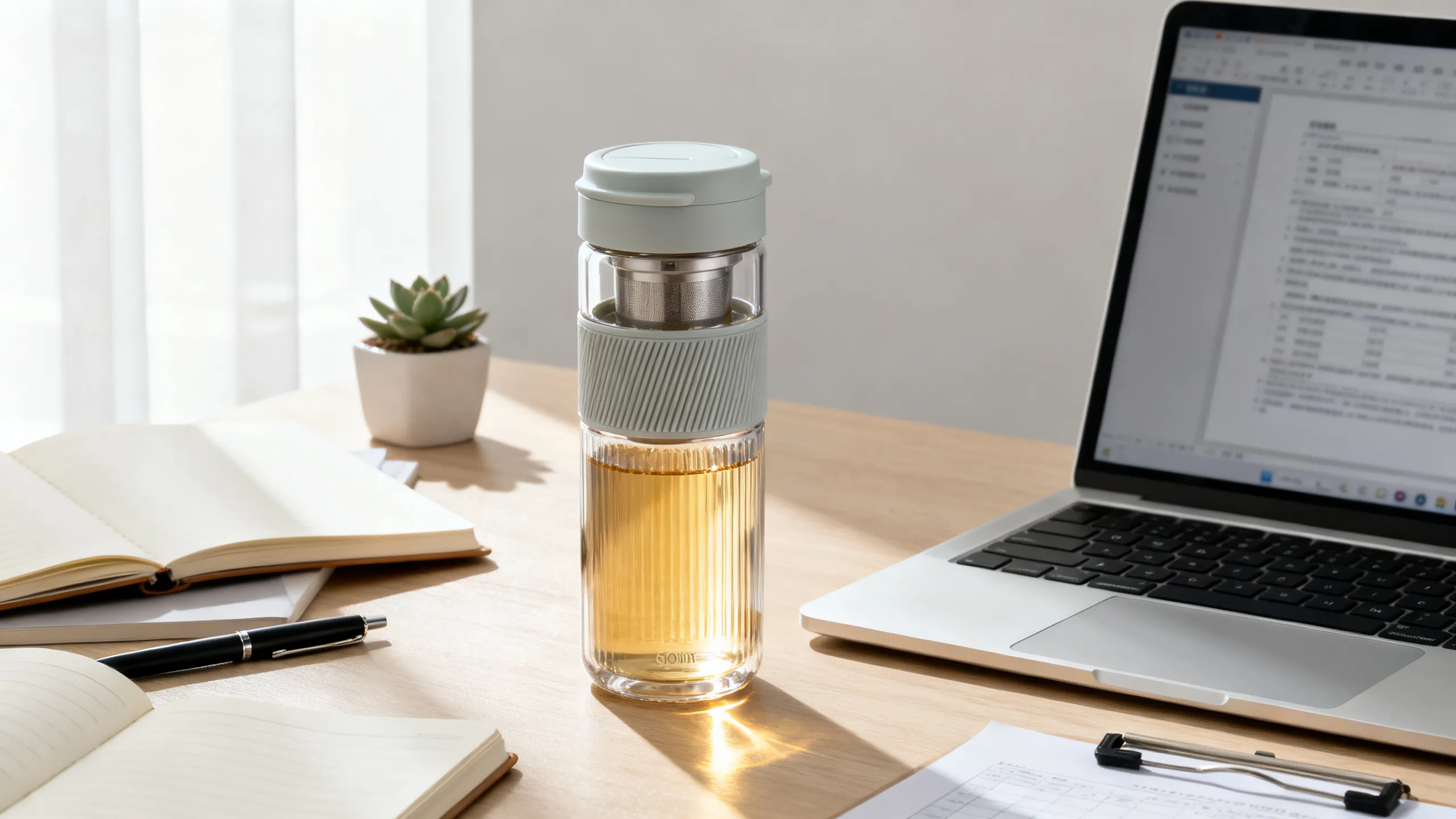
New ways of making tea let companies make more without losing what makes it good. However, not every new idea works as well as the others.
Using machines to twist leaves makes sure they’re all the same, which is great for large amounts. Still, “low-temperature extraction, low-temperature slow brewing, and innovative fermentation techniques are being promoted as selling points by several brands.” These slower, cooler ways help keep gentle smells that often disappear in huge factory runs.
Picking how to handle your tea leaves depends a lot on what you’re aiming for. Are you making tea for old-school fans or for people who want healthy drinks today?
With intensified competition, brands have evolved from focusing on origin to focusing on functionality. Take this as an example: ZHENXI offers time-specific functional teas such as morning ginger extract (warming), afternoon GABA (focus), and night jujube saponin (sleep aid). They match how they make tea to what buyers are looking for. This is key if you’re aiming at special groups, like those wanting drinks without caffeine for focus or mixes to help with sleep.
Want to learn more about innovative tea trends and functional beverages? Click here to explore our past blog posts!


