Beer is absolutely a carbonated beverage. Its lively bubbles and crisp flavor spring from carbon dioxide (CO₂), which can bubble up naturally during brewing or be added by the brewer’s hand. By tweaking the CO₂ levels, brewers craft a special taste and texture, making every gulp a one-of-a-kind delight. This study will explore how carbonation works its magic in beer, the contrast between naturally occurring and artificially added bubbles.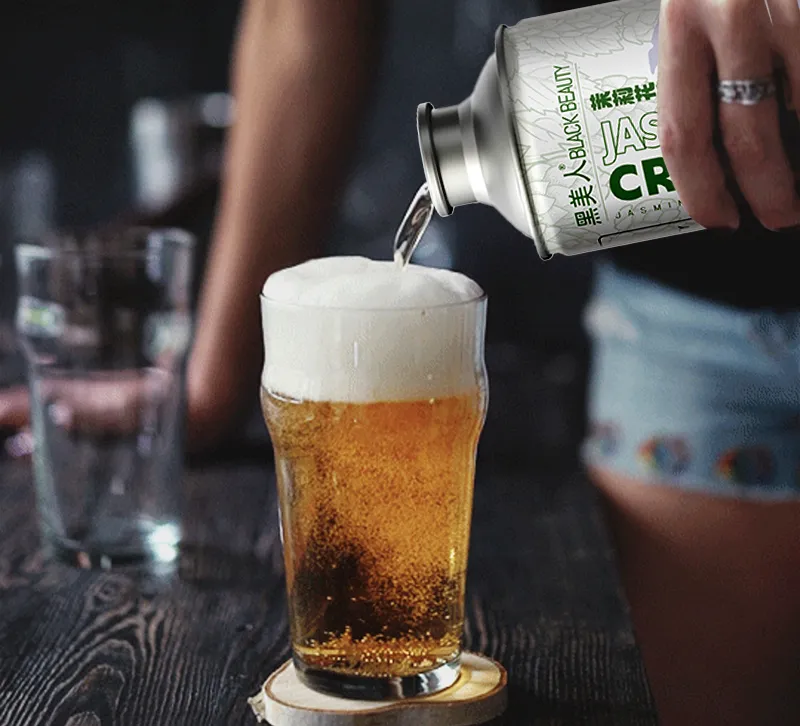
Beer earns its place as a carbonated drink because CO₂ bubbles are stitched into its making. These little sparkles bring a zesty snap, carry their scents, and light up their tastes. When CO₂ nestles into the brew, it lingers quietly until you tip the glass. Then, as heat climbs or pressure falls, those bubbles burst free, creating the foamy crown we all cherish.
CO₂ sneaks into beer in two ways: naturally, through the brewing dance, or artificially, by being pumped in. Both paths create fizz, but they paint different textures and flavors. Natural bubbles often feel silky and layered, while artificial ones are quick but sometimes less polished.
Natural fermentation is where a beer’s real personality wakes up and starts stretching. Yeast chews through the sugars in the wort, bit by bit, turning them into alcohol and CO₂. It can take 45 to 60 days, give or take, depending on the beer’s style. Most of that CO₂ melts right into the brew, building a soft, fine fizz without anyone having to fuss over it. And that’s the beauty—this laid-back process gives flavors time to settle in together, like old friends swapping stories late into the evening. Beers that get their sparkle this way, like those from ZHENXI, come with a smooth, almost creamy feel. The bubbles are tiny, polite even, gliding across the tongue and keeping the flavor clean because no outside gas has been shoved in. It’s a way of brewing that craft folks guard closely—not just for tradition’s sake, but because it leaves the beer with a richer soul and a crisp, honest finish.
Then you’ve got artificial carbonation—the quick route. Here, brewers blast CO₂ straight into the beer once fermentation’s done. Big breweries lean hard into artificial carbonation—time’s tight, and speed’s the name of the game. Picture it like pumping fizz into soda: quick, no-fuss, and easy on the budget. Those bubbles sometimes muscle out the beer’s softer flavors. This method spits out brews fast, perfect for cranking out volume, but it often misses the smooth, refined vibe of natural carbonation. That’s why craft folks like ZHENXI take the slow route, letting their beers build a rich, polished character. Still, when you’re up against the clock or brewing for the masses, that fast-fizz approach has its spot.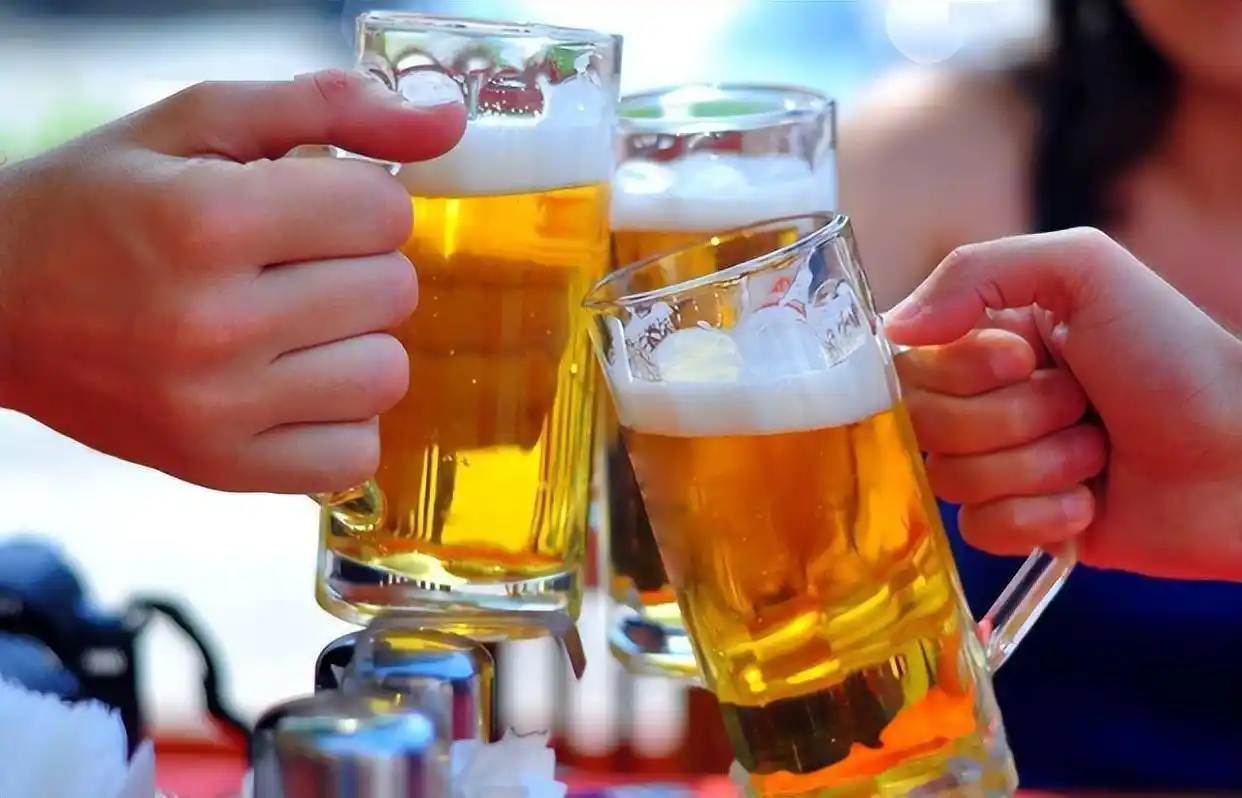
The CO₂ in a beer messes with its taste and vibe. Crank up the bubbles, and you get a snappy, lively sip—just right for easy-drinking lagers. Ease off the fizz, and big flavors like malt or hops get to strut their stuff, perfect for hefty stouts. That foamy head ain’t just for show either—it’s a looker and it locks in the beer’s scents, making every gulp feel richer.
Brewers tinker with CO₂ until the beer’s mood feels right. A wheat beer with a lively sparkle can feel as weightless as a feather—just the thing for a sunny afternoon. A porter with a gentler fizz? That’s when the deep, roasty notes get to perform. But too much fizz can trample the softer tastes, like someone shouting over a whisper. Too little, and the beer feels flat—like a tune that’s lost its beat.
Foam isn’t only there to make a beer look pretty. It’s like a snug blanket, keeping the scents from slipping away before you get to enjoy them. A thick, creamy cap—like the crown on ZHENXI Original Wheat Craft Beer—gives each mouthful a smooth, velvety touch. Brewers chase that sweet spot: foam that hangs around long enough to please the eyes and the palate, without stealing the whole scene.
ZHENXI Brewing puts their heart into perfecting those fizzy bubbles, using a clever low-temp fermentation knack to whip up impeccable sparkle. By keeping things frosty and taking their time, ZHENXI coaxes out dainty microbubbles that give their beers a silky flow, like a tranquil lake at dusk. This trick makes their brews pop in the craft beer crowd.
Brewing at cooler temps slows the yeast’s twirl to a soft hum, letting it do its thing with finesse. It also locks in the beer’s zest, keeping flavors crisp and lively, like a freshly snapped apple.
ZHENXI Original Wheat Craft Beer struts a plush, frothy crown that sticks around like a trusty sidekick. ZHENXI Spring Lager, on the flip side, mixes perky bubbles with a smooth, easy vibe that’s got fans buzzing. Both beers prove ZHENXI’s chilly, unhurried approach crafts a downright stellar drinking experience every time.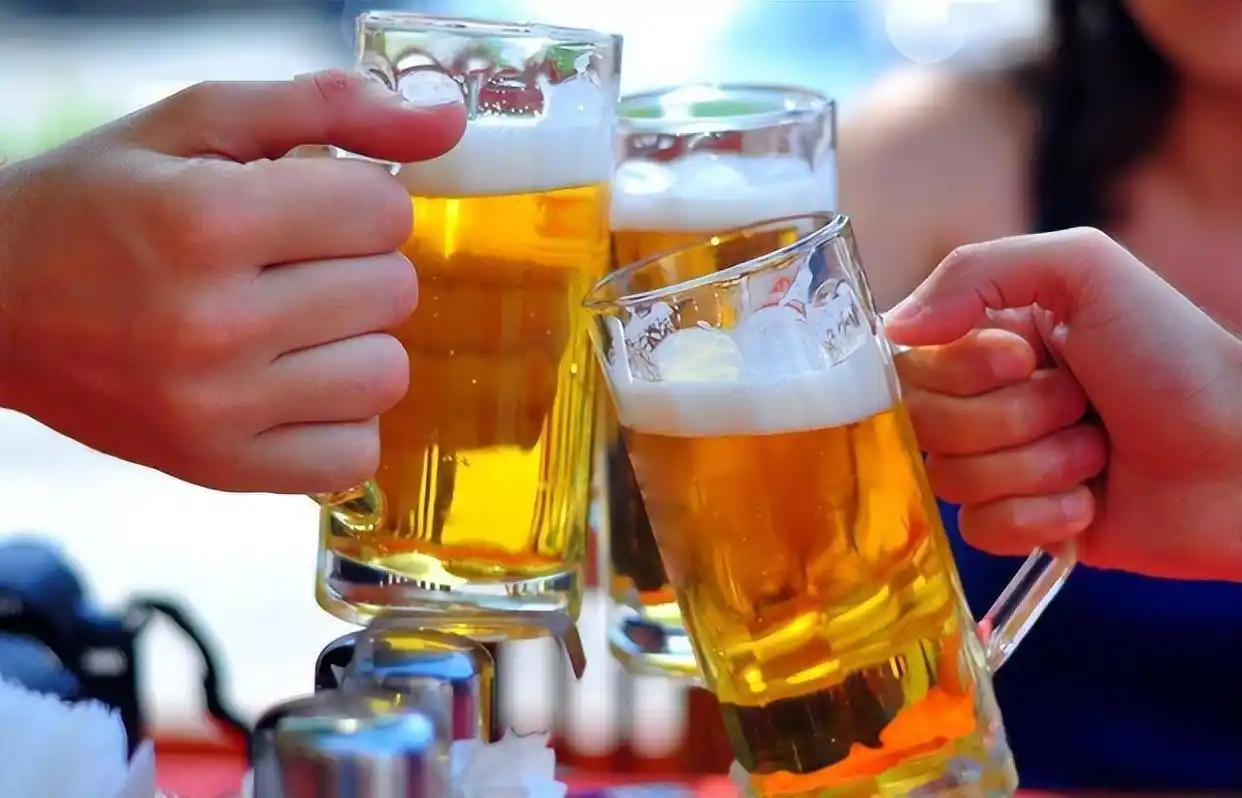
Craft brewing hangs its hat on accuracy, and carbonation sits right in the spotlight. Small outfits like ZHENXI don’t just dial in a CO₂ level and call it a day—they fuss over it, sip after sip, making little adjustments until the bubbles feel tailor-made for the beer’s personality. Modern kit makes life easier. Custom tanks, keen-eyed pressure dials, and fine-tuned flow meters help them catch the fizz down to a whisper of detail. Pour a hop-loaded IPA? It gets that bright, breezy sparkle—like sunshine skipping across a cold pint—that keeps it crisp and playful. A rich, malt-forward ale? The bubbles slip quietly into the background, giving space for the warm, toasty notes to step forward. ZHENXI leans on natural carbonation, but pairs it with clever tools, crafting each bottle with a mouthfeel and character you won’t stumble upon just anywhere.
Their way with CO₂ isn’t luck—it’s watchfulness turned into an art. Fermentation is kept under a sharp gaze; timing, heat, and pressure are nudged and tuned the moment they wander. Every brew is sipped, checked, and only then sealed up, so each pour lands smooth and inviting. Beers like ZHENXI Original Wheat Craft Beer and Spring Lager wear this balance proudly: a soft, dancing fizz, a cloud-like foam cap, and flavors that sing out. With the steady hand of old-school brewing and the accuracy of modern craft, ZHENXI turns out beers that manage to be deep yet easygoing—a combination that’s won them a warm spot in the hearts of beer lovers.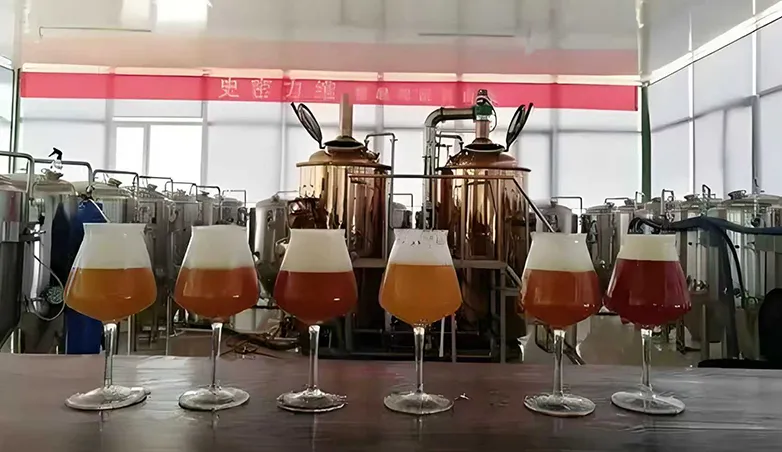
Carbonation turns beer into more than just a drink—it’s a joyful moment. The bubbles, foam, and fizz team up to create a refreshing, tasty sip. Whether it’s the natural bubbles from fermentation or the quick fizz of artificial carbonation, CO₂ is the heartbeat of what makes beer a carbonated drink.
CO₂ snuggles into beer under pressure, but when you pop the bottle, the pressure drops, and bubbles burst free. Brewers play with this science to shape beers that hit just the right note for their style, like a suit tailored to perfection.
ZHENXI’s love for natural carbonation and low-temperature fermentation sets a high standard for craft beer. Their careful process creates beers that are smooth, flavorful, and consistent, earning them a special spot in the hearts of beer lovers everywhere.
A: They come from CO₂ produced during fermentation, which melts into the liquid and escapes as bubbles when the beer is poured.
A: Natural carbonation comes straight from the fermentation process, all organic-like. Artificial carbonation? That’s when brewers shoot CO₂ right into the beer for a quick fizz fix.
A: Think about the texture, scent, and foam you enjoy. Beers like ZHENXI’s, made with slow, chilly natural carbonation, tend to pack finer bubbles and bolder flavors that hit just right.


