What does drinking tea mean to you? Tea can not only taste the various aspects of life, but also shape a healthy and quality life for you.When you are struggling in front of the supermarket shelf, a cup of green tea contains 150mg/g EGCG, which has an antioxidant power 10 times that of vitamin C; while the methylated catechins (EGCG3"Me) in oolong tea can stay in the body longer, activating the efficiency of fat metabolism by 20% - the duel of health value has never been so subtle.
What does drinking tea mean to you? Is it the daily routine of firewood, rice, oil, salt, sauce, vinegar and tea, or the elegance of music, chess, calligraphy, painting, poetry, wine and tea? Tea can not only taste the various aspects of life, but also shape a healthy and quality life for you.
When you are struggling in front of the supermarket shelf, a cup of green tea contains 150mg/g EGCG, which has an antioxidant power 10 times that of vitamin C; while the methylated catechins (EGCG3"Me) in oolong tea can stay in the body longer, activating the efficiency of fat metabolism by 20% - the duel of health value has never been so subtle.
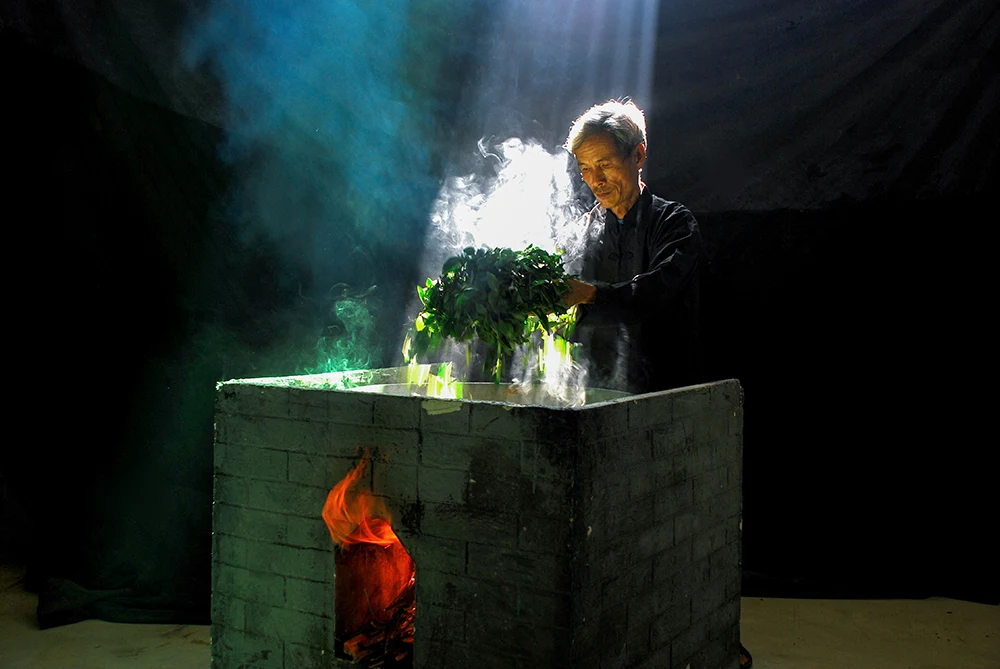
Essential difference: How fermentation process reshapes the genes of tea
The core of the health value of tea lies in the transformation of active ingredients by the degree of fermentation, which directly determines their efficacy orientation:1.Green tea (unfermented tea)
- Completely block the activity of oxidase after high temperature killing
- The retention rate of tea polyphenols is >85%, of which catechins (mainly EGCG) account for more than 70%
- The vitamin C content is twice that of oolong tea, but it is highly heat-sensitive and loses 40% after brewing for 24 hours
2.Oolong tea (semi-fermented tea)
- The shaking process causes the leaf edges to be damaged and oxidized, while the leaf core remains green, forming the "green leaves with red edges" feature
- Partial oxidation of tea polyphenols to theaflavins, with a retention rate of about 50%-70%
- Generates a unique ingredient, methylated catechins (EGCG3"Me), whose bioavailability is 3 times higher than EGCG
| Comparison of the core ingredients of the two teas |
| Ingredients |
Green tea |
Oolong tea |
Health significance |
| Total tea polyphenols |
25%-30% |
15%-25% |
Green tea has stronger antioxidant capacity |
| EGCG |
150mg/g (maximum) |
30-80mg/g |
Green tea is the main anti-inflammatory and anti-cancer agent |
| Methylated catechins |
Trace |
20-50mg/g |
Oolong tea is the key to regulating blood sugar and blood lipids |
| Caffeine |
30-50mg/cup |
50-70mg/cup |
Oolong tea is more refreshing but affects sleep |

Health effects showdown: scientifically proven advantages and disadvantages
Antioxidant and anti-aging: the absolute advantage of green tea
- EGCG in green tea is 1.8 times more efficient in scavenging free radicals than theaflavins in oolong tea
- Tests show that those who drink 4 cups of green tea a day can repair skin damage from ultraviolet light 40% faster
Metabolic regulation: the counterattack of oolong tea
- Fat metabolism: methylated catechins in oolong tea activate lipase, and regular drinking for 6 weeks reduces visceral fat by 12% (8% in the green tea group)
- Blood sugar control: half Fermentation produces α-glucosidase inhibitors, and the postprandial blood sugar fluctuation range is 25% lower than that of green tea drinkers
Gastrointestinal adaptability
- People with cold stomach: Unoxidized tea polyphenols in green tea stimulate gastric acid secretion, and the discomfort rate is as high as 34%; Oolong tea (especially charcoal-roasted type) is baked to blunt the irritation, and the suitability rate is 92%
- Patients with irritable bowel syndrome: Green tea may induce diarrhea (incidence rate 18%), while the tannic acid in heavily fermented oolong tea can astringe the intestines
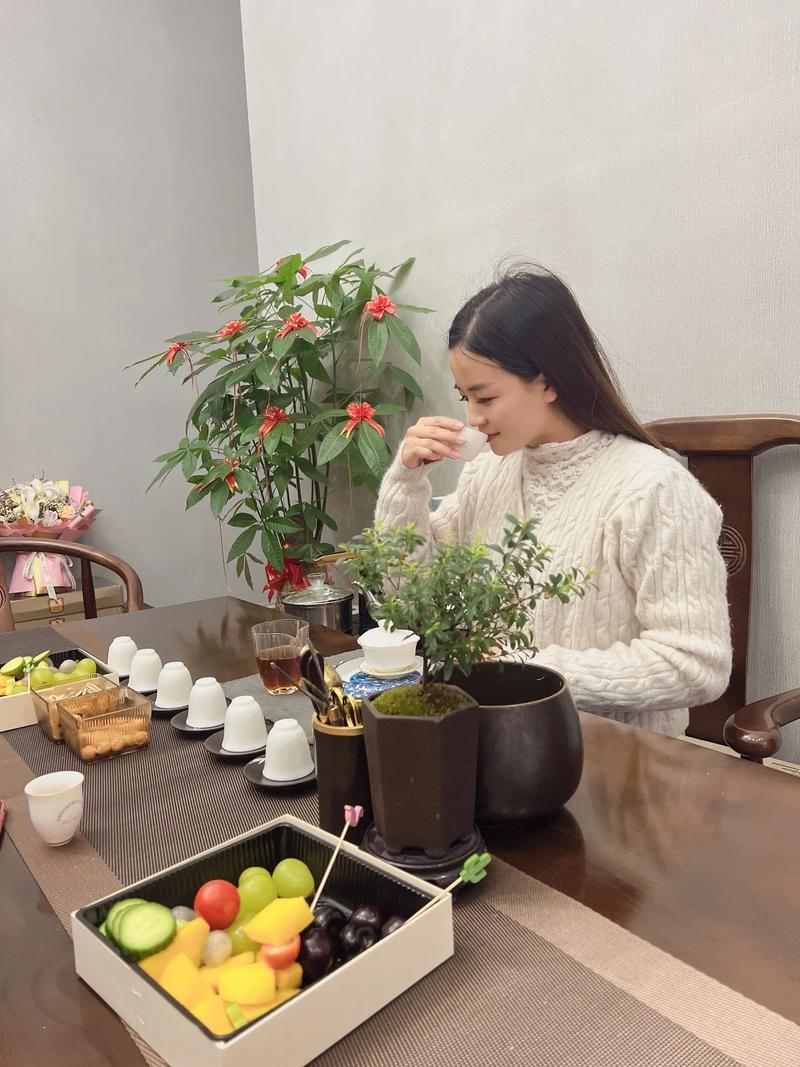
Find tea that matches your constitution
1. Choose by constitution
| Constitution type |
Recommended tea |
Scientific basis |
Taboo tips |
| Cold constitution |
Charcoal-roasted oolong/black tea |
Fermented tea is warm in nature and promotes circulation |
Avoid drinking green tea on an empty stomach |
| Hot constitution |
Steamed green tea/lightly fermented oolong |
Clears heat and reduces fire, inhibits inflammation |
Avoid black tea to avoid aggravating dryness and heat |
| Highly sensitive constitution |
Old Cong oolong/white tea |
Caffeine content is 50% lower |
Avoid freshly made raw tea |
2. Choose according to health goals
- Weight loss needs → Morning oolong tea + afternoon green tea: EGCG3"Me in oolong tea increases daytime fat oxidation, and EGCG in green tea blocks nighttime fat synthesis
- Cardiovascular protection → Deep roasted oolong + cold brewed green tea: Thea brown pigments in roasted oolong tea stabilize vascular plaques, and cold brewed green tea retains 90% catechins
- Anti-aging beauty → High-altitude green tea + collagen powder: Theanine in high-mountain green tea promotes collagen synthesis efficiency by 35%
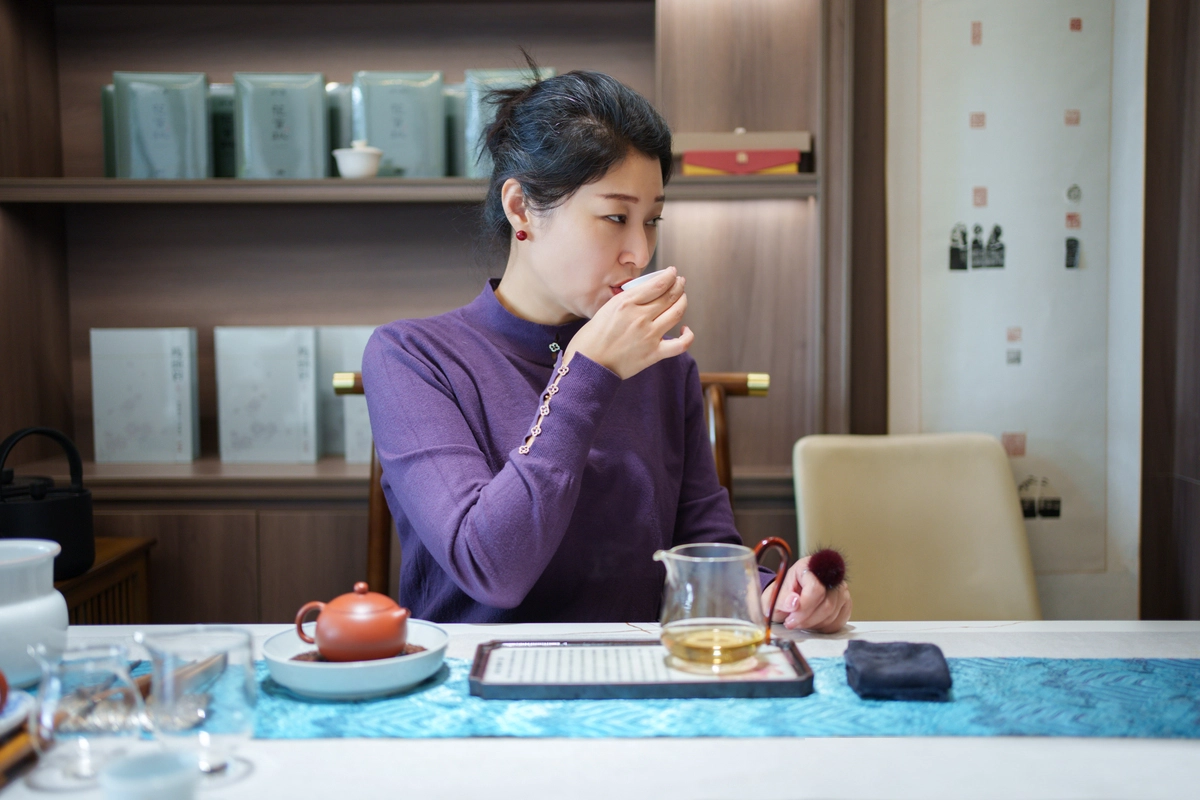
Scientific drinking strategy: maximize health value
1. Molecular revolution in brewing technology
- Green tea:Water temperature 80℃±2℃ (boiling water causes 40% loss of EGCG),Add 2 slices of lemon (vitamin C protects catechin structure)
- Oolong tea:Boiling water to stimulate aroma (release terpene aroma substances),First brewing takes 30 seconds to release soup (dissolve 70% active substances)
2. Time window biological application
| Time period |
Recommended tea |
Physiological mechanism |
| 7-9 am |
Medium fermented oolong |
Caffeine is released slowly to avoid a sudden rise in cortisol |
| Afternoon 2-4pm |
High EGCG green tea |
Removes free radicals after lunch and resists glycation |
| 1 hour before exercise |
Ice drip oolong tea |
Increases fat oxidation rate by 23% |
3. Fatal misunderstandings to avoid
- Drinking strong tea on an empty stomach: gastric acid pH drops to 2.5, and the risk of ulcers increases by 3 times (especially green tea)
- Taking medicine with tea: tea polyphenols combined with iron/antibiotics reduce the efficacy by 60%
- Overnight tea refill: tea polyphenol oxidation products damage liver cells (especially oolong tea)

Golden rules for healthy tea drinking
Scenarios where green tea must be chosen
- Long-term exposure to ultraviolet rays/polluted environment (high doses of EGCG protection are required)
- Active inflammatory diseases (rheumatoid/acne)
- Genetic testing shows low antioxidant enzyme activity
Scenarios where oolong tea is preferred
- Excessive visceral fat (Apples with waist-to-hip ratio > 0.9) Fruit-shaped body)
- Post-meal blood sugar surge (fluctuation range > 3mmol/L)
- People with caffeine tolerance need long-lasting refreshment (caffeine in oolong tea is released slowly for up to 4 hours)

FAQ: Decoding classic cognitive misunderstandings
Q1: Oolong tea has higher caffeine content, is it more harmful to the stomach?
The key lies in the degree of fermentation:
- Lightly fermented oolong (such as Tieguanyin) has caffeine irritation comparable to that of green tea;
- Heavily fermented charcoal-roasted oolong (such as Wuyi Rock Tea) has caffeine combined with tea protein, reducing the release rate by 40%, making it more stomach-friendly.
Q2: Can cold brewing eliminate the coldness of green tea?
Only partial improvement:
- Cold brewing reduces the dissolution of tea polyphenols by 50%, reducing gastric irritation;
- But the coldness of green tea comes from its biochemical properties. It is recommended to drink with ginger slices for people with weak constitution.
Q3: Why do Japanese people have fewer stomach problems when drinking green tea?
Three major buffering mechanisms:
- Drink after meals (food dilutes the concentration of tea polyphenols);
- Pair with high-calcium foods (casein in milk combines with tea polyphenols);
- Use steaming technology (15% lower than stir-fried green tea).
Three steps to lock in your destined tea
- Self-test of physical constitution: choose oolong tea if your tongue is white and thick in the morning, and choose green tea if your tongue is red and has yellow fur
- Demand classification: Choose heavy fermented oolong tea (Oriental Beauty/Dahongpao) for fat loss. Choose high mountain green tea (Enshi Yulu/Matcha) for anti-aging
- Experience package verification: Purchase oolong tea with 3 fermentation degrees + 2 types of killing technology Yi's green tea set (cost <100 yuan), a 14-day double-blind test to record physical feedback
Special reminder: When you work overtime late at night, choose charcoal-roasted oolong instead of green tea, not only because its caffeine is more lasting and mild, but also because the golden ratio of theanine and caffeine created by semi-fermentation in that cup of amber tea soup can refresh you while protecting your γ-aminobutyric acid balance.Oolong tea and green tea have their own characteristics and different benefits to the body. The choice of tea should be determined according to personal constitution, taste and needs. At the same time, tea should be drunk in moderation to avoid adverse effects on the body caused by excessive drinking. There is no absolutely healthy tea, only a precisely matched drinking plan.


