Fat-soluble vitamins and water-soluble vitamins are two major categories of vitamins, and they differ significantly in terms of solubility, absorption, storage and excretion in the human body. The following is a detailed introduction to these two types of vitamins:
Fat-soluble vitamins
Definition: Fat-soluble vitamins refer to a class of vitamins that are insoluble in water but soluble in fat and non-polar organic solvents (such as benzene, ether and chloroform).
Types: Mainly include vitamin A, vitamin D, vitamin E, vitamin K, etc.
Characteristics:
Solubility: insoluble in water, soluble in fat and organic solvents.
Absorption and storage: Fat-soluble vitamins generally contain only three elements: carbon, hydrogen and oxygen. They often coexist with lipids in food. Their absorption in the body is usually closely related to lipids in the intestines. They can be absorbed into the human body with lipids and stored in the body (mainly in the liver), and the excretion rate is not high.
Stability: Most of them are relatively stable.
Toxicity: Excessive intake can easily cause poisoning, and if the intake is too little, deficiency symptoms will slowly appear.
Function:
Vitamin A: Enhances retinal photosensitivity, participates in the synthesis of rhodopsin, and maintains the integrity and function of epithelial tissue structure.
Vitamin D: Related to calcium and phosphorus metabolism, it is easy to cause rickets and osteoporosis when it is deficient.
Vitamin E: Antioxidant, protects cells from free radical damage.
Vitamin K: Participates in the blood coagulation process, and may cause coagulation dysfunction when it is deficient.
Water-soluble vitamins
Definition: Water-soluble vitamins refer to a class of vitamins that are soluble in water but not in non-polar organic solvents.
Types: Mainly include B vitamins (such as vitamin B1, B2, B6, B12, etc.) and vitamin C.
Characteristics:
Solubility: Easily soluble in water.
Absorption and storage: Water-soluble vitamins are stored less in the human body, and excess water-soluble vitamins that enter the human body after absorption from the intestines are mostly excreted from urine.
Stability: Generally stable, but may degrade under certain conditions (such as light, oxidation, etc.). 4. Toxicity: Almost non-toxic, high intake generally does not cause poisoning, if the intake is too low, deficiency symptoms will appear quickly.
Function:
B vitamins: participate in a variety of enzymatic reactions, maintain normal function of the nervous system, promote energy metabolism, etc.
Vitamin C: antioxidant, promote iron absorption, participate in collagen synthesis, etc.
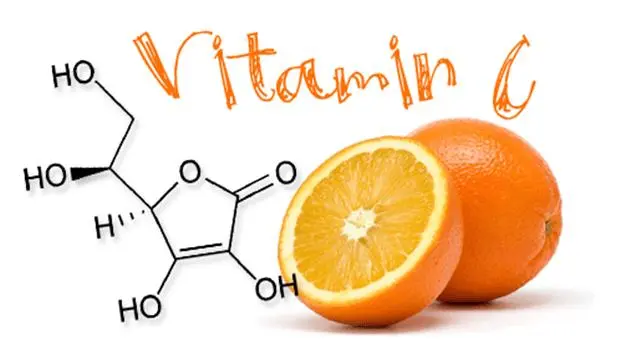
Vitamin C is water-soluble. Water-soluble vitamins refer to vitamins that are soluble in water but not in fat after taking them. In contrast, fat-soluble vitamins are soluble in fat and organic solvents but not in water. This is mainly related to its chemical properties and the way it is metabolized in the human body:
Chemical properties:Vitamin C, also known as ascorbic acid, has a chemical name of L-(+)-threose type 2,3,4,5,6-pentahydroxy-2-hexenoic acid-4-lactone. Its molecular formula is C₆H₈O₆, and its molecular weight is 176.12. It is a polyhydroxy compound. This structural feature makes vitamin C soluble in water, because the hydroxyl group (-OH) is a hydrophilic group that can form hydrogen bonds with water molecules, making it soluble in water. In contrast, fat-soluble vitamins (such as vitamins A, D, E, and K) usually contain long-chain hydrocarbon groups or cyclic hydrocarbon groups, which are soluble in fats and organic solvents but not in water.
Physiological functions:Vitamin C has many important physiological functions in the body, such as promoting the synthesis of collagen, participating in redox reactions, and enhancing immunity. These functions require vitamin C to maintain a certain concentration in cells, and the water-soluble characteristics enable vitamin C to be quickly distributed to tissues and cells throughout the body through blood circulation to meet its physiological needs. Fat-soluble vitamins, because they can be stored in the body, do not need to be supplemented as frequently as vitamin C through food or supplements. However, this also means that excessive accumulation of fat-soluble vitamins in the body may lead to adverse reactions such as poisoning.
Stability:Vitamin C is unstable in aqueous solution and is easily oxidized to dehydroascorbic acid, especially in neutral or alkaline solutions. This instability also explains why vitamin C needs to be frequently replenished through food or supplements to maintain its effective concentration in the body.
Metabolism in the body:Since vitamin C is water-soluble, its absorption, transportation and excretion in the body are dependent on water. Vitamin C is transported to various tissues throughout the body through the blood and exerts its physiological effects in these tissues. Excess vitamin C is excreted from the body with urine because the body cannot store excess water-soluble vitamins.
After a certain age, many people will have symptoms of physical aging, such as wrinkles on the skin. At this time, it is necessary to supplement nutrition appropriately. Vitamin C is a very commonly used nutritional medicine, and proper supplementation is good for the body. So what is the role of vitamin C?
Enhance immunity: Vitamin C can also play a role in improving immunity. Vitamin C has the effect of promoting the formation of antibodies. High concentrations of vitamin C help reduce cystine in food protein to cysteine, and then synthesize antibodies in the body to improve the body's immunity.
Beauty and skin care: Because vitamin C can promote collagen synthesis, it makes the connection between protein cells tighter, making the skin more elastic, glossy and firm. Vitamin C can prevent melanin deposition and promote melanin metabolism. Insisting on supplementing vitamin C can prevent the formation of spots and gradually whiten the skin. Women with chloasma can eat more foods rich in vitamin C.
Promote iron absorption: Vitamin C helps promote the intestinal absorption of iron. Vitamin C can reduce trivalent iron in food to divalent iron, which is easier to be absorbed by the human body. Appropriate supplementation of vitamin C helps prevent the occurrence of iron deficiency anemia.
Promote cholesterol metabolism: Cholesterol is not only an important component of cell membranes and plasma lipoproteins, but also a precursor of many important substances, such as bile acid, adrenal cortex hormones, vitamin D, sex hormones, etc. In the process of cholesterol metabolism, vitamin C is a coenzyme for the hydroxylation of the cyclic part of cholesterol, and the side chain decomposition becomes bile acid. Therefore, vitamin C can bidirectionally regulate the metabolism and synthesis of cholesterol.
Anti-cancer and anti-tumor: Since the 1970s, people have begun to study the anti-tumor and anti-cancer effects of vitamin C. After many clinical trials and animal experiments, the secrets of vitamin C's anti-cancer and anti-tumor effects have been gradually revealed. Vitamin C can enhance the activity of most enzymes in the TET family, correspondingly reduce or even avoid DNA hypermethylation, promote the expression of tumor-inhibiting genes, promote stem cell differentiation, and enhance the immune information induced by DNA methyltransferase inhibitor (DNMTi).
Delay aging: Supplementing vitamin C can eliminate excess free radicals in the body, play an antioxidant role, and vitamin C can delay the aging process. After the age of 25, it is recommended to supplement vitamin C every day, but do not supplement too much. You can take vitamin C tablets quantitatively under the guidance of a doctor.

Bone changes: Vitamin C is an important substance involved in bone metabolism. When the body lacks vitamin C, it may lead to a decrease in bone density, affect the growth and development of bones, and then osteoporosis. Some infants and young children may have bone bulges at the junction of the ribs and costal cartilage, arranged in a beaded manner.
Bleeding symptoms: Vitamin C deficiency increases the fragility of capillary walls, and petechiae of different sizes may appear throughout the body, such as bleeding gums and skin and mucous membranes. As the disease progresses, symptoms of vomiting blood, blood in the stool, and increased menstrual flow may also occur.
Anemia symptoms. Vitamin C deficiency can affect the metabolism of folic acid and iron in the patient's body, causing anemia symptoms such as dizziness, fatigue, and sore limbs.
Mental discomfort: Vitamin C is an important water-soluble vitamin that has a biological redox effect. If the body lacks vitamin C for a long time, it may cause depression, suspicion, negative emotions, and severe symptoms of depression.
Low immunity: If the body lacks vitamin C for a long time, it may affect the operation of iron, leading to a decrease in immunity, resulting in low immunity.
Special symptoms:When vitamin C deficiency is severe, symptoms such as swollen gums, bleeding, infection, and ulcers may also occur.Malnutrition may also occur.
These symptoms may occur alone or at the same time, and their severity may vary from person to person. If these symptoms occur, it is recommended to seek medical attention in time and supplement and treat vitamin C under the guidance of a doctor. At the same time, eating more foods rich in vitamin C, such as citrus, tomatoes, strawberries, etc., can also help improve the condition of vitamin C deficiency.
Vegetables
1. Green leafy vegetables
Celery: Not only is it rich in vitamin C, it also has anti-cancer and anti-radiation effects.
Spinach, rapeseed, shepherd's purse: These green leafy vegetables are also rich in vitamin C.
Peppers: Among vegetables, peppers are the richest in vitamin C, especially bell peppers. For example, sharp peppers contain 86 mg of vitamin C per 100 grams.
Carrots: Although the content is not the highest, the vitamin C in carrots has a good effect on inhibiting the formation of melanin in the body and preventing fat oxidation.
Tomatoes: Between vegetables and fruits, their vitamin C content is relatively rich.
Pumpkin: Pumpkin is also very rich in vitamin C.
Bitter melon and broccoli: Each 100 grams contains 56 mg of vitamin C.
2. Other vegetables
Kale, toon, shepherd's purse, radish, coriander, persimmon, etc. are also good sources of vitamin C.
Fruits
1. Citrus fruits
Oranges: Oranges are very rich in vitamin C, and almost one orange can meet the daily vitamin C requirement of the human body. For example, every 100 grams of oranges contains 35 mg of vitamin C.
Lemon: Although the vitamin C content in lemon is lower than that in orange, it is also a good source.
Grapefruit: It also contains a lot of vitamin C, but it is not recommended to consume excessively because it may cause indigestion.
2. Other fruits
Kiwi: Known as the "king of vitamin C", its vitamin C content is very high, with 62 mg of vitamin C per 100 grams of kiwi.
Strawberry: In addition to vitamin C, strawberries also contain a variety of other nutrients, with 47 mg of vitamin C per 100 grams of strawberries.
Apple: The vitamin C in apples has a protective effect on cardiovascular health, with 4.66 mg of vitamin C per 100 grams of apples.
Fresh dates: It is one of the fruits with the highest vitamin C content, with 243 mg of vitamin C per 100 grams of fresh dates.
These citrus and other fruits are indeed a good source of vitamin C, and they can all be used to make vitamin drinks to increase the taste experience and facilitate intake. For example: kiwi vitamin C drink, grapefruit vitamin C drink, apple vitamin C drink, etc. When making these vitamin drinks, you can adjust them according to your personal taste and preferences. At the same time, because these fruits have a high vitamin C content, the drinks made are also a good source of vitamin C supplements.
Meat
Although the vitamin C content in meat is relatively low, animal offal such as chicken liver and pork liver also contain a small amount of vitamin C.

Notes
Vitamin C is an antioxidant nutrient that is easily lost during cooking. Therefore, it is recommended that vegetables should be washed and cut immediately, stir-fried over high heat, and fruits should be eaten fresh without juicing or steaming.
Obtaining vitamin C from a variety of food sources can ensure adequate intake and also help obtain a variety of other nutrients.


