The aluminum can has established itself as the leading beverage packaging solution because it provides excellent durability and visual appeal together with environmental sustainability. The production process of aluminum cans for beer and soda and energy drinks requires exact engineering and creative design methods.
ZhenXi is a reliable supplier that has operated for more than 20 years, providing high-quality, customizable aluminum beverage cans. The company provides metal packaging solutions through its globally certified manufacturing processes and advanced production lines, including the ZhenXi Printable 1000ml King Aluminum Beverage Cans Wholesale and the ZhenXi Stubby Printable 250ml Aluminum Beverage Cans Wholesale.
The production of aluminum beverage cans begins with material selection that combines strength properties with printing capabilities and safety standards for food contact. The materials used in production meet performance requirements that extend from manufacturing to consumer handling.
The production of cans relies on high-strength aluminum alloys which include 3004 and 3104 as their primary base materials. The alloys offer perfect performance for deep drawing and ironing operations because they combine excellent formability with strong durability. The selected alloy material enables weight reduction while maintaining structural strength which helps decrease transportation-related carbon emissions.
The production process requires lubricants for both forming operations and shaping to prevent tearing. The inner coating system of cans and lids serves as a vital component to preserve beverage quality. The inner coating of cans and lids has two available options which include Common water-based modified epoxy resin and BPA-free coatings at different price points since BPA-free requires an extra 1-2 RMB cents.
The surface of aluminum cans provides an ideal environment for creating eye-catching brand designs. The process works through two stages which include ink application to aluminum-coated surfaces followed by varnish application for protection. The coatings need to work well with fast printing equipment and they should also support UV curing when necessary.
The process of forming the can body requires complex mechanical operations that achieve precise dimensions and maximize material usage. The process aims to produce a complete cylindrical form while using the least amount of material possible.
The manufacturing process starts by punching a thin metal sheet through a stretching die which stretches the material into its desired shape. The metal sheet transforms into a single piece that unites the bottom section with the body section. The deep-drawn cup undergoes ironing through multiple ring passes to reach its final wall thickness and extended height.
The can body requires trimming after formation to eliminate any irregularities that occur at the open edge. The process creates a smooth area which becomes essential for upcoming sealing procedures. The cleaning process for trimmed cans uses deionized water or chemical solutions to eliminate all remaining substances from lubricants and metal particles.
The final shaping stage involves creating a smaller diameter at the top of the can while extending it outward into a flange shape. The design modification enables perfect matching with RPT/SOT type lids which must be compatible with automated filling lines.
The applications of coatings serve dual purposes because they provide both operational benefits and visual appeal. The inside surface requires food safety compliance while the outside surface functions as brand representation.
The inner coating material for each product needs to be defined between two options: The two available inner coating materials for cans and lids consist of Common water-based modified epoxy resin and BPA-free. The lacquers protect beverages from metal surface interactions which preserves flavor quality from production until expiration.
The process begins with applying an external base coat through spraying or rolling onto the can surface. The base coat layer enhances ink binding properties while maintaining color intensity for upcoming printing operations.
The UV-cured overcoat serves as the last layer to defend printed graphics from scratches and moisture and abrasion during transportation and refrigeration storage. The overcoat offers different surface finishes which include matte and gloss and tactile effects.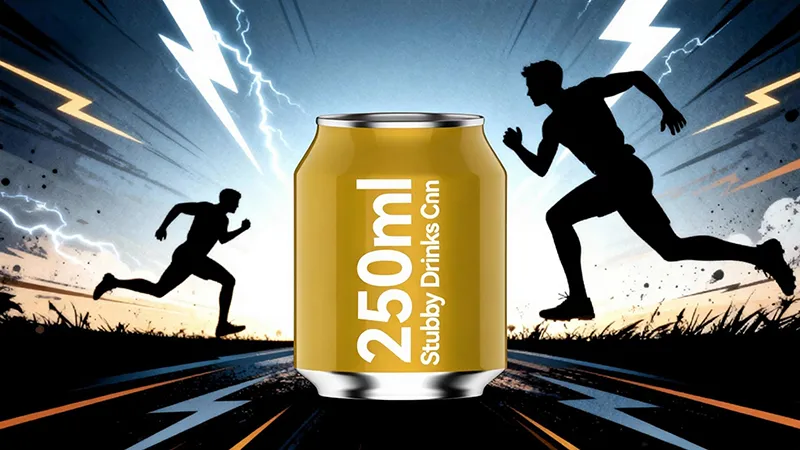
The design of a can determines how well it attracts customers in the market. The process of printing on curved aluminum surfaces needs specialized methods to achieve both clear images and precise color accuracy and correct alignment.
The production of high-resolution images at industrial speeds makes offset printing the preferred choice for most applications. The printing process includes two main methods which are spot color printing and four-color printing. Spot color printing allows artists to print their desired color during the actual printing process. The spot color printing method produces colors that appear more vibrant and precise than the combined output of four-color printing.
Modern printing lines operate with sophisticated registration systems that achieve precise ink layer alignment at the micron scale. The system maintains exact registration between ink layers to prevent any form of design blurring or misalignment in intricate multi-color prints.
ZhenXi provides complete customization options which include matte and gloss and fluorescent and tactile finishes for their ZhenXi Stubby Printable 250ml Aluminum Beverage Cans Wholesale as well as their standard formats. The printing area reaches 100% of the surface to display your brand narrative.
High-volume can production requires absolute consistency in quality production. The inspection process follows strict protocols to verify that all cans fulfill specifications before they reach beverage fillers for shipment.
The measurement process for cans includes automated gauges that check their height and diameter and wall thickness and flange depth and neck size. The production line rejects all products that fail to meet its established tolerance limits.
The testing process for each batch includes pressure evaluation under artificial conditions to confirm their ability to handle carbonation pressure without breaking or distorting which is critical for sparkling water and beer production.
The optical scanners of the system perform surface defect inspections on each can to detect scratches and pinholes and ink irregularities. The real-time inspection systems operate at high speeds to produce defect-free products.
ZhenXi uses innovation as its core method to develop modern aluminum packaging solutions. The company optimizes all components through performance-enhancing and sustainable design approaches.
The company operates throughout China through multiple manufacturing sites which maintain internationally recognized production standards. The company operates 55 production lines with 96 inspection systems to achieve high output while maintaining quality standards.
Brands can reach specific customer segments through ZhenXi Printable 1000ml King Aluminum Beverage Cans Wholesale because they offer solutions for premium cold brew and cocktail mixers that require larger volumes.
ZhenXi provides complete design-to-delivery customization services which include film preparation and color proofing and liquid compatibility testing before starting full-scale production. The printing design process begins when the client delivers the AI source file containing the design elements along with the font information we share with the advertising company for film production.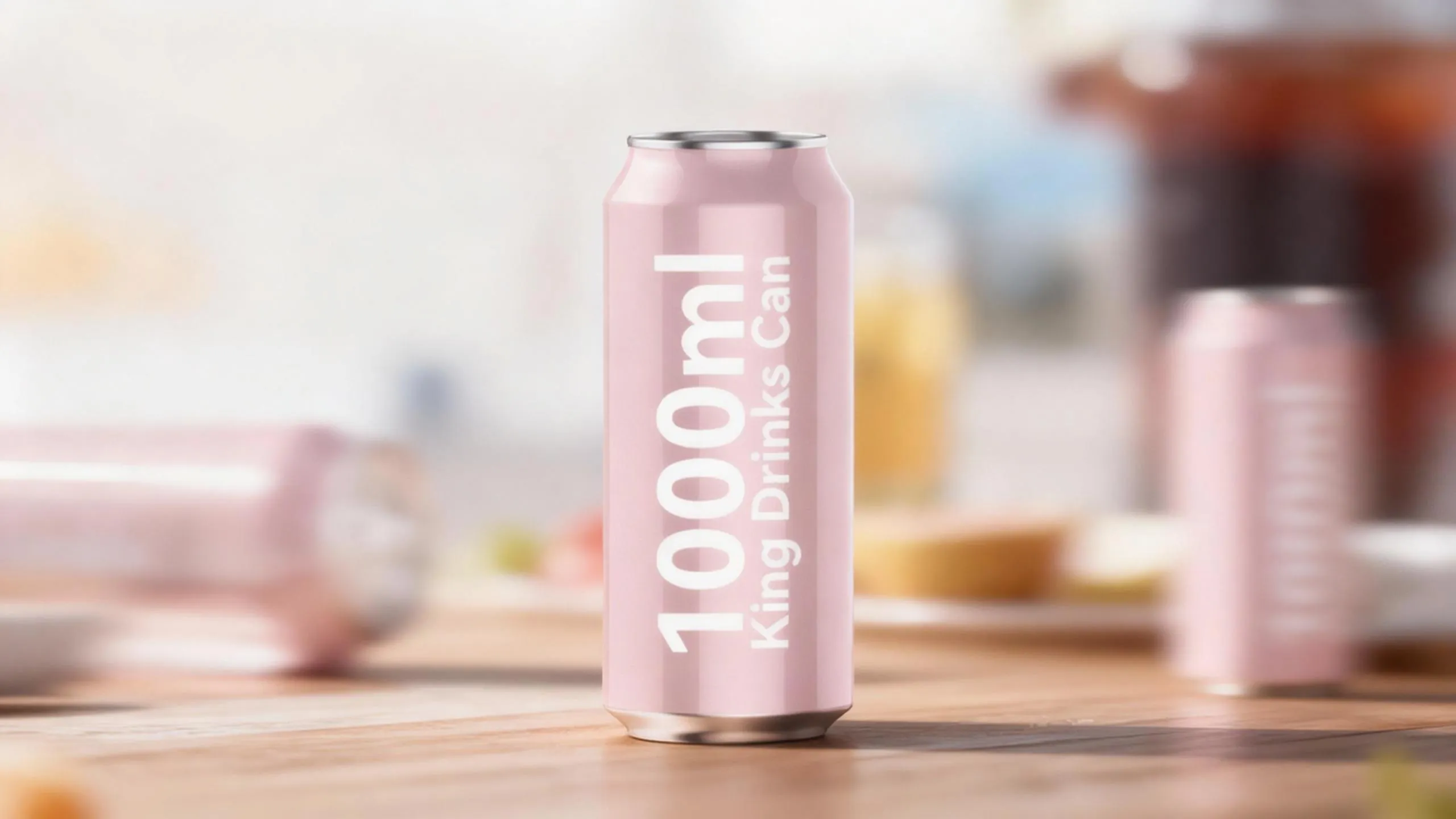
ZhenXi delivers exceptional value to beverage companies that focus on quality and sustainability and market uniqueness because of its flexible product range and superior operational performance.
The product line includes different volume sizes that work with different lid types to serve various beverage options.
The company has received consecutive ISO9001 and ISO14001 and ISO22000 and safe beverage certifications which establish it as a dependable partner for worldwide beverage companies seeking regulatory compliance.
ZhenXi provides fast delivery through its extensive logistics network which spans China's manufacturing areas and international shipping systems for both regular and bulk custom orders.
Want to explore more about aluminum beverage cans? Click here to check out our past blog posts!
Q1: What type of aluminum is used in beverage cans?
A: The production of beverage cans primarily uses 3004 and 3104 aluminum alloys because these materials offer suitable strength and shaping capabilities.
Q2: What is the maximum number of colors that can be printed onto an aluminum can?
A: The printing process allows designers to use either spot color or four-color techniques for up to eight different colors based on their design requirements.


