A non alcoholic beer OEM project should not begin with a loose request such as “make it taste good” or “follow this popular flavor.” Those comments may help start a discussion, but they are not enough for accurate beer sample development. Before a supplier can quote, adjust a formula, or judge the right format, the buyer needs to explain the product role, alcohol target, flavor direction, packaging plan, and first order expectation.
A clear brief also protects the buyer’s time. If the alcohol free beer formula is not described well, the first sample may miss the target even when the supplier has strong production capability. The issue may not be the liquid itself. It may be that the target market, serving size, sweetness level, or private label goal was never made clear. This article explains how buyers can prepare a practical brief before sample work begins.
Before the first formula discussion, the buyer should decide what the product is supposed to do in the market. A sample for a convenience fridge is not the same as one for a bar, restaurant, banquet channel, or online mixed pack. Each sales route has a different drinking moment, price logic, and tolerance for sweetness, bitterness, carbonation, and can size.
Flavor is often the first topic buyers raise, but product role should come first. A peach or grape alcohol-free beer for a quick trial may need a lighter body and a smoother finish. A beer-style product for adult drinking occasions may need more malt depth, stronger carbonation, and a cleaner aftertaste. If the buyer only says “mango flavor” or “less bitter,” the supplier still has to guess whether the final drink should feel like fruit refreshment, soft malt soda, or a beer replacement. That guess can lead to extra sample rounds. A stronger brief explains the target shopper, the sales channel, the expected serving occasion, and the reason the product should exist in the buyer’s range.
Once the product role is clear, the formula target becomes easier to discuss. Buyers do not need to write a technical recipe, but they should describe the sensory direction in a way that production and R&D teams can work with. This is important for alcohol-free beer because removing or controlling alcohol changes sweetness, aroma, body, foam, and finish.
A useful alcohol free beer formula brief should not treat sweetness as a single switch. “Less sweet” can mean lower sweetness, stronger bitterness, brighter acidity, more carbonation, or a drier finish. The buyer should describe where the problem appears. Does the first sip feel too sweet? Does the middle taste thin? Does the finish stay sticky? For a fruit-led SKU, some sweetness may help trial. For a beer-style SKU, sweetness that lingers may weaken beer identity. The same logic applies to bitterness. Too much bitterness can make a fruit product harsh, while too little bitterness can make a 500ml beer-style product feel flat. Mouthfeel should sit between these two points and support the serving size.
|
Brief Item |
Practical Reference |
Why It Matters |
|
Light fruit-led serving |
250ml / 8.4 oz |
Easier trial and lower drinking pressure |
|
Beer-style serving |
500ml / 16.9 oz |
Better for fuller beer replacement occasions |
|
Sample preparation timing |
about 1 week in normal periods |
Helps buyers plan review meetings |
|
Peak-season sample timing |
2-3 weeks |
Allows room for lab and feedback delays |
|
Delivery reference after order |
20-25 days |
Useful for launch and reorder planning |
|
Commercial order reference |
1 container |
Helps align sampling with real production |
These figures should be used as planning references. Final quotation, lead time, shelf life, formula scope, and packaging details should be confirmed for the exact project.
Good sampling is not only about tasting. It is also about reducing wrong turns. The supplier can adjust a product faster when the buyer sends one clear direction instead of several separate comments from different departments. Taste, packaging, price tier, and channel plans should be connected before beer sample development begins.
A reference sample can be useful, but it should not be treated as something to copy blindly. Buyers should explain what they like about it: aroma, sweetness, bitterness, foam, color, serving size, or retail position. They should also state what should be different. For example, a buyer may like the aroma of one fruit beer but want a cleaner finish and less sweetness. The channel matters as well. A restaurant SKU may need better meal pairing. A bar SKU may need stronger beer cues. A supermarket SKU may need clearer shelf communication. When buyers share this information early, sample feedback becomes more specific, and the supplier can connect formula adjustment with the final sales plan.
Packaging should not wait until the formula is final. For private label non alcoholic beer, the can format, label wording, color direction, carton plan, and alcohol statement all affect how the product will be judged by the market. A liquid that tastes right can still create delays if the artwork, printing files, or label claims are not prepared in time.
A private label non alcoholic beer project should connect liquid approval with packaging approval. Buyers should prepare the alcohol statement, brand direction, AI artwork files if available, preferred can size, carton information, and any required market language early. If the brand is still building the design, the product role can guide the label hierarchy. A fruit-led product should make the flavor easy to read. A beer-style product should keep stronger adult beverage cues. Buyers can review the non-alcohol beer range when comparing fruit-led and beer-style routes, but the first private label range should stay focused. Too many early SKUs can make printing, sampling, and reorder planning harder.
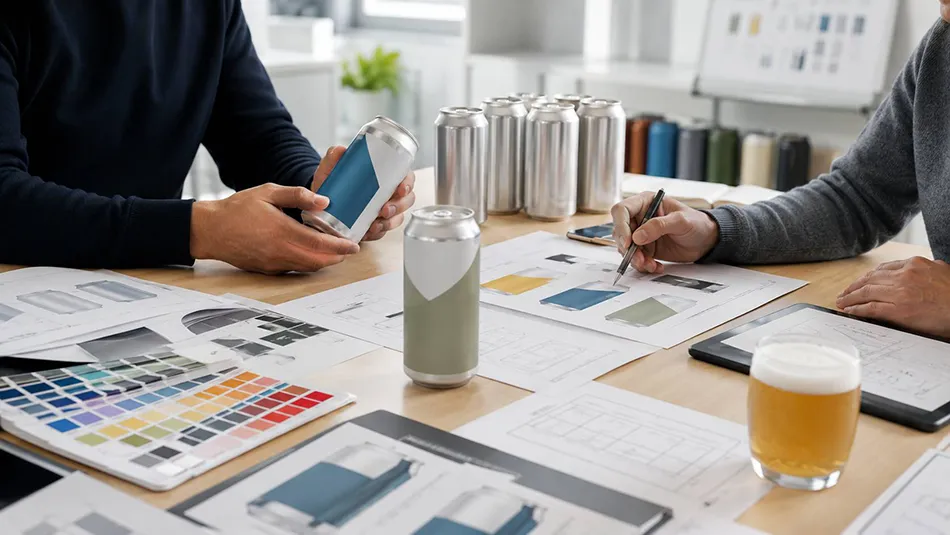
A final brief does not need to be long. It needs to be complete enough for quotation, sample planning, packaging discussion, and production preparation. At ZhenXi, we prefer a brief that separates fixed requirements from flexible preferences, because this helps us respond with clearer sample and production suggestions without making the discussion feel heavy.
The buyer can prepare the first version in this order:
This sequence is simple, but it prevents many late changes. It also helps an alcohol free beer manufacturer judge whether the buyer is ready for sampling, whether more market information is needed, and whether the first formula direction is realistic. If some details are not fixed, mark them as open points rather than leaving them unclear.
Company information should not replace a buyer brief. Still, supplier capability matters once the buyer is ready to move from idea to sample. A suitable alcohol free beer manufacturer should be able to discuss beverage formulation, can packaging, sample feedback, production timing, and quality control in the same project flow.
For buyers planning a 500ml beer-style route, 500ml OEM Non Alcoholic Craft Beer can be used as a product reference during early discussion. The point is not to force every buyer into the same format. It is to help compare serving size, beer-style positioning, private label needs, and aluminum can packaging before sample work becomes too detailed. For fruit-led routes, the brief should make clear whether the buyer wants a soft trial drink or a product that still keeps beer identity. If the buyer is still comparing how alcohol control may affect taste, the related blog How is Non Alcoholic Beer Made and Why Does Craft Non Alcoholic Beer Taste So Good can help internal tasting teams prepare better feedback.
A strong non alcoholic beer oem brief turns a broad product idea into a workable development plan. It should define product role, target channel, alcohol statement, flavor direction, can size, private label status, first order plan, and sample feedback language. The goal is not to make the buyer write a technical formula. The goal is to help both sides avoid unclear sampling, wrong packaging assumptions, and late production changes.
For private label non alcoholic beer, the best results usually come from early alignment between liquid, label, can format, and market use. When your team is ready to compare options, send us your alcohol-free beer formula brief with flavor target, can size, alcohol statement, label status, and planned launch channel.
Q: What should buyers prepare before starting an alcohol-free beer sample?
A: Buyers should prepare the target market, product role, alcohol statement, can size, flavor direction, sweetness and bitterness preference, carbonation target, packaging plan, private label artwork status, and estimated first order. These details help the supplier build a more accurate first sample.
Q: Can buyers request formula changes after the first sample?
A: Yes. Sample feedback is part of normal sample development. The feedback should be specific. Instead of saying the product is not balanced, buyers should describe whether the issue appears in aroma, first sip, middle body, sweetness, bitterness, carbonation, foam, or aftertaste.
Q: Is a private label project only about changing the label?
A: No. Private label work also involves product role, alcohol statement, formula direction, can size, carton plan, printing files, target market language, and production timing. Label design should match the liquid and the channel, not sit as a separate final step.


