Coffee remains a common morning choice for plenty of people. But it does not meet every need for a boost anymore. A strong cup might suit a lengthy discussion or a drive at dawn. Still, some consumers seek a milder choice for later hours, learning times, routine daily refreshment, or simple concentration. This is where the tea energy drink category gains appeal.
Tea contains caffeine, but many people call tea-based energy smoother, cleaner, and simpler to include in regular drinking occasions. The contrast does not stem from caffeine by itself. It also arises from the drink's foundation, taste setup, level of sweetness, plant-based additions, serving warmth, and how the item is presented. A tea energy drink can seem less weighty than coffee and less intense than certain classic energy options. This holds true especially when the mix includes white tea, herbal extracts, and a steady flavor outline.
For drink companies, this change raises a useful item issue: can a white tea drink meet both energy and health-focused wants without turning too healing-like or overly sugary? The response relies on recipe build, aluminum can format, component rules, and storage durability.
Tea contains caffeine, yet a cup of tea and a can of coffee rarely create the same drinking experience. Coffee often has a stronger roasted aroma, heavier bitterness, and a more direct stimulant effect. Tea, by contrast, gives product developers more space to build a lighter RTD tea beverage with botanical notes, fruit accents, or clean refreshment.
In product development, caffeine is only one part of the sensory system. A drink also carries acidity, sweetness, aroma, mouthfeel, serving size, and usage occasion. When those factors change, the perceived energy also changes. That is why consumers may react differently to caffeine in tea vs coffee, even when both drinks are used for alertness.
A tea energy drink can also be easier to position for consumers who want energy without a heavy coffee profile. This does not mean tea is automatically better than coffee. Coffee remains valuable for strong morning alertness. Tea-based formats simply serve another need: steady daily refreshment with a softer flavor base.
The energy drink market has grown for good reasons. Consumers want convenient alertness, functional ingredients, and ready-to-drink formats. Still, some buyers are becoming more selective. They may avoid formulas that feel too sweet, too sharp, too synthetic, or too intense for regular use.
Many consumers do not reject energy drinks as a category. They reject a narrow version of the category. A formula built mainly around high sweetness, strong acidity, intense color, and heavy stimulant cues may perform well for short moments, but it can feel tiring when used often. This has helped natural energy drinks gain attention among buyers who want function with a more balanced taste.
For brands, this creates three formulation priorities:
This is also why healthy energy drinks are moving beyond simple “high caffeine” claims. The new competition is not just about strength. It is about how the drink feels after several sips, how it fits into daily routines, and whether it can maintain a clean taste from first purchase to repeat purchase.
White tea is useful in modern beverage design because it offers a mild tea identity without overwhelming the formula. The benefits of drinking white tea in a beverage context are not about medical promises. They are more practical: light aroma, a natural caffeine source, compatibility with botanical ingredients, and a premium taste image that works well in functional RTD cans.
A white tea drink can help brands avoid the bitterness often found in stronger tea or coffee-based drinks. Its flavor profile leaves room for mild sweetness, fruit tones, herbal notes, and plant-based storytelling. For consumers, that means the product can feel refreshing rather than heavy. For developers, it means the formula can carry energy, wellness-inspired cues, and clean flavor at the same time.
The benefits of drinking white tea also connect well with current beverage language. Consumers are paying attention to natural caffeine drink options, botanical energy drink concepts, and plant-based energy drink formats. A white tea base can support these expectations without forcing the product into a niche herbal medicine image. This matters because a functional drink still has to taste good enough for regular purchase.
A herbal energy drink does not have to be weak or vague. It can still be built for energy, focus, hydration, or daily refreshment, depending on the ingredient system and target market rules. The difference is that herbal positioning often starts from plant-derived ingredients and a cleaner sensory profile rather than strong synthetic stimulation.
For B2B beverage brands, herbal energy drink development should begin with a clear product brief. The brief needs to define the target consumer, caffeine source, sweetness level, flavor direction, aluminum can size, and claims that can be supported in the sales market. Without that foundation, even a good idea can become difficult to commercialize.
|
Product Development Point |
Practical Choice |
Why It Matters |
|
RTD can volume |
473ml |
Familiar energy drink size with stronger shelf presence |
|
Tea drink shelf direction |
9–12 months for many room-temperature flavored tea concepts |
Helps brands plan inventory and export rhythm |
|
Custom printed aluminum can MOQ |
About 300,000 cans for many tea drink projects |
Important for launch budget and production planning |
|
Standard 473ml aluminum can loading |
About 93,360 cans/40HQ |
Useful for logistics estimation |
|
Sample adjustment cycle |
Often 1 week, 2–3 weeks in peak season |
Helps align launch timeline |
These numbers are not a substitute for a final quotation, because formula, packaging, printing, and market requirements can change the project. They do show why early planning matters. A tea energy drink is not only a formula. It is also a production, packaging, compliance, and export project.
Coffee and tea-based energy drinks do not need to compete in every scenario. Their stronger value comes from different use occasions. Coffee often fits the morning, strong alertness, and roasted flavor expectations. A tea energy drink may fit afternoon work, lighter refreshment, study sessions, retail wellness shelves, and consumers who want energy without a heavy coffee taste.
Coffee usually gives a more direct sensory signal through bitterness, roast aroma, and a stronger stimulant image. Tea-based drinks, especially those built with white tea or botanical ingredients, can feel lighter and more refreshing. This is why tea energy drink innovation is gaining attention from private label brands. It gives buyers a product route that is not just another citrus energy drink, coffee can, or high-sugar sports beverage. It can carry flavor differentiation, botanical interest, and functional positioning in one package.
A marketable formula must be easy to explain and pleasant to drink. Energy drink flavors matter because taste is often the first reason a consumer buys again. Function may create trial interest, but flavor and mouthfeel drive repeat purchase. White tea, yams, fruit, honey notes, and herbal extracts can help create a cleaner taste profile than heavy syrup-style energy drinks.
A good beverage concept can fail if the formula is unstable, the color changes, the tea aroma fades, or the package does not match the target shelf. This is why product development should test pH, color, precipitation, microbiology, sterilization response, and storage behavior before mass production. Low sugar energy drinks also need careful sweetness design because reducing sugar can expose bitterness, acidity, or herbal aftertaste.
Packaging is equally important. Aluminum can formats are common in energy beverages because they offer strong shelf visibility, fast cooling, portability, and a familiar retail shape. A 473ml can gives a functional drink more volume and more surface area for brand storytelling. It is especially useful when the drink needs to explain white tea, botanical ingredients, and daily energy positioning on the same label.
A practical example of this direction is the White Tea & Yam Herbal Energy Drink. The product uses white tea extract as its caffeine source and yam, also known as Dioscorea, for a botanical wellness-inspired profile. Its flavor direction is built around light tea aroma and mild natural sweetness, packed in a 473ml aluminum can.
This type of white tea drink fits brands looking for a more differentiated herbal energy drink, especially when standard fruit flavors feel crowded. The white tea base gives the product a cleaner energy story, while yam adds body, mild sweetness, and botanical identity, mild sweetness, and a more distinctive ingredient identity. It is not necessary to frame the drink with strong health claims. The more credible angle is simple: light tea-based energy, plant-inspired flavor, and a balanced RTD format for modern consumers.
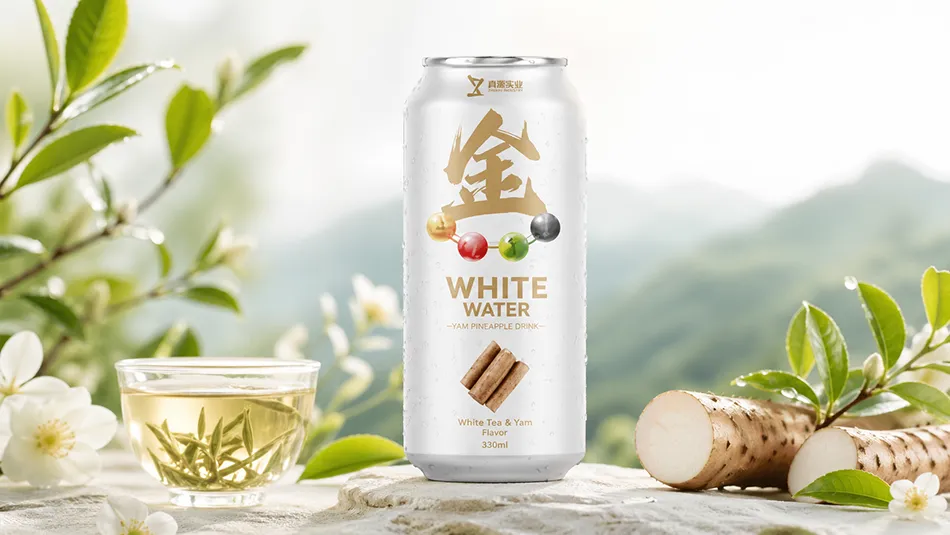
Before a brand develops a tea-based energy drink, the first step is not choosing a label design. The first step is defining what the product must do in the market. Is it for gym retail, convenience stores, workplace refreshment, e-commerce bundles, or regional distributors? Each channel affects formula, pack size, sweetness, claim language, and order planning.
ZhenXi works with beverage and aluminum can packaging projects, and our role in this type of development is most useful when the brand brief is specific. A strong brief should cover caffeine preference, target market rules, flavor reference, desired sweetness, aluminum can format, estimated order volume, and launch schedule. This keeps the discussion practical and reduces delays in sampling.
For brands still comparing botanical energy concepts, the related article Metal (White Energy): Formulating White Tea & Yam Energy Drinks for Lung & Vitality can be used as a deeper product direction reference near the concept stage. When the idea becomes clearer, the next step is sample development and packaging confirmation.
Tea caffeine can feel different from coffee because the whole beverage system is different. The base ingredient, flavor design, sweetness level, serving format, and usage occasion all shape the consumer experience. Coffee is still important, but a tea energy drink gives brands another route for lighter energy, cleaner taste, and botanical positioning.
white tea can be useful because it can support natural energy drinks without forcing a harsh flavor profile. When paired with yams or other plant-based ingredients, it creates a herbal energy drink concept that feels modern, differentiated, and suitable for RTD aluminum can formats.
For brands planning a new tea-based product, the most important step is to define the market position before scaling the formula. If your team is exploring white tea, herbal ingredients, or 473ml aluminum can packaging, share your product idea with our team, and we can help review the formula direction, can format, sampling path, and launch requirements.
Q: Does tea contain caffeine like coffee?
A: Yes. Tea contains caffeine. However, the overall consumption experience may differ. This is because tea offers a milder taste foundation. In addition, it can combine with plant-derived elements, fruit elements, or reduced sugar content. Coffee typically appears more potent. That stems from its baked scent and more substantial perceptual influence.
Q: Is a tea energy drink better than coffee?
A: The answer relies on the specific situation. Coffee performs effectively for robust early-day awareness. On the other hand, a tea energy drink could suit routine invigoration, midday concentration, or individuals seeking a gentler vitality choice. The superior selection hinges on personal flavor inclination, stimulant endurance, and consumption patterns.


