
Fruit tea, as the name suggests, is a drink made with fruit as the main raw material, combined with tea or other plant materials. It not only retains the freshness and sweetness of fruit but also blends the mellow aroma of tea. It is a delicious and healthy drink. But fruit tea is not a simple fruit plus tea. Its production process and formula are exquisite. Different fruits and teas can produce different flavors and effects.
For example, lemon green tea is refreshing and refreshing, suitable for drinking when you are tired at work; strawberry black tea is sweet and sour, and is the best choice for afternoon tea; and mango oolong tea has a rich taste and is suitable for digestion after meals. Each kind of fruit tea has its own unique charm, waiting for you to discover and taste.

Comparison table of drinking time and efficacy of fruit tea |
|||
|---|---|---|---|
| Recommende | Recommended efficacy | Suitable tea pairing | Precautions |
| Before meals | Appetite and digestion, control appetite | Lemon green tea, hawthorn rose tea | Avoid drinking fruit tea with strong acidity on an empty stomach |
| After meals | Relieve greasiness and promote absorption, relieve flatulence | Pineapple black tea, tangerine peel Pu'er tea | Drink 30 minutes after meals to avoid affecting digestion |
| Afternoon tea | Refresh the mind and replenish energy | Strawberry oolong, mango jasmine tea | Consuming coffee and casual tea should be controlled in amount (≤2 cups) |
| Before bedtime | Soothe the nerves and help sleep, soothe emotions | Longan red date tea, lavender blueberry tea | Avoid containing theophylline ingredients, which affect sleep quality |
| After drinking | Protect the liver and sober up, relieve headaches | Honey grapefruit tea, kudzu root mulberry tea | Warm drinking is better |
| Skin beauty period | Anti-oxidation and lighten spots, improve skin quality | Pomegranate white tea, rose cherry tea | Long-term drinking is more effective |
| Health care and conditioning | Regulate the three highs and promote metabolism | Mulberry leaf chrysanthemum tea, black buckwheat orange tea | Drink after consulting a doctor |
| Exclusive for women | Warm the uterus and drive away the cold, relieve menstrual discomfort | Ginger brown sugar apple tea, roselle wolfberry tea | Avoid the first three days of the menstrual period |
| Exclusive for men | Eliminate fatigue and enhance physical strength | Ginseng lemon tea, mint watermelon green tea | Avoid taking medicine |
| Drinking for the elderly | Moisturize the intestines and promote bowel movements, enhance immunity | Fig snow pear tea, kumquat osmanthus tea | Control sugar intake |

In addition to being delicious, fruit tea also has many health benefits. The following are some common health benefits of fruit tea, so that you can enjoy delicious food while also gaining health.
Clearing heat and detoxification: Many fruits have the effect of clearing heat and detoxification, such as lemon, watermelon, etc., and drinking green tea can effectively relieve the feeling of dryness in summer.
Beauty and skin care: Fruit tea contains rich vitamins, which are good for enhancing the body's metabolic capacity. Drinking it with black tea can be an antioxidant. Moreover, fruit tea has always had a variety of nutrients, cough and phlegm, eyesight, beauty and skin care, and other functions.
Nourishing the intestines: Fruits are rich in cellulose. Some people with indigestion eat the pulp while drinking tea, because it can promote gastrointestinal motility, help eliminate toxins in the body, and prevent dry stools.
Relaxing: Jasmine, rose, and other soothing flowers, drinking with peaches and other fruits, can relax and relieve stress.
Enhance immunity: Vitamin C and other trace elements in fruit tea help enhance the body's immunity and enhance the body's disease resistance.
Promote digestion and regulate appetite: Organic acids (such as citric acid and malic acid) in fruit tea can stimulate gastric acid secretion and help digest greasy food. Warm fruit tea can also relieve stomach discomfort. Drinking a small amount before meals can increase appetite, and after meals can help relieve greasiness.
Replenish water and natural nutrition: The main component of fruit tea is water, which can help maintain the body's water balance after drinking. The nutrients, such as vitamin C, potassium, dietary fiber, etc., rich in fruits will partially dissolve in the tea soup. For example, fruits such as lemons and passion fruits are rich in vitamin C, which helps to enhance immunity; the pectin of fruits such as apples and oranges can promote intestinal health.
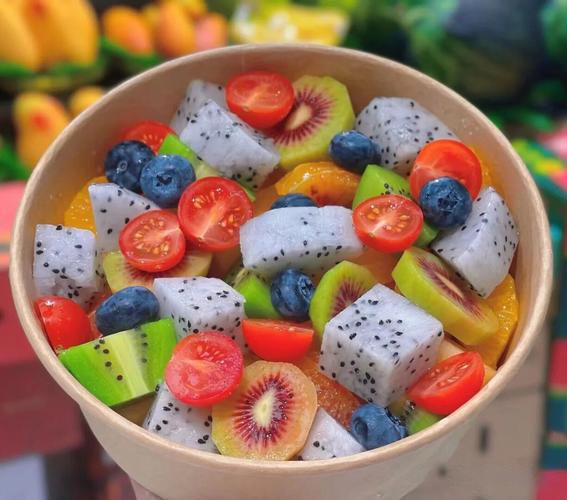
1. Strawberry VS Cherry: Getting angry
Red fruits and vegetables such as strawberries and cherries are easy to get angry if eaten too much, especially for those with yin deficiency and fire should eat less, let alone eat them together. Eating these two fruits together will aggravate the symptoms of getting angry.
2. Orange VS Lemon: Can cause digestive tract ulcers and perforation
Although oranges and lemons have the effect of strengthening the spleen and digestion, they should not be eaten at the same time by people with gastric ulcers and excessive gastric acid. The fruit acid of oranges and lemons is higher than that of ordinary fruits. Eating a lot will promote the secretion of gastric acid and aggravate ulcers, especially lemons, which are highly acidic and have a pH of less than 2.8. In particular, do not eat them on an empty stomach; otherwise, it is very easy to hurt the stomach and cause damage to the gastric mucosa. In severe cases, ulcerative gastric perforation may even occur. It is best not to drink kumquat lemon tea~
3. Hami melon VS banana: Causes renal failure
Whether it is juicing or fruit salad, Hami melon and banana cannot be put together, because Hami melon contains about 15% sugar and a very high potassium ion content. Bananas are also rich in potassium. According to tests, every 100 grams of bananas contains 283 to 472 mg of potassium. Therefore, when people with renal failure have oliguria, they should not eat bananas and cantaloupes, which are both high in potassium, together to avoid making things worse.
4. Almonds vs. chestnuts: cause stomach pain
Almonds and chestnuts are incompatible. Eating them together will produce substances that are harmful to the body and cause stomach pain.
5. Apples vs. radishes: prone to goiter
Eating apples and radishes together will produce substances that inhibit the action of the thyroid gland, causing goiter.
6. Sour fruits vs. sweet fruits: stomach bloating
Sour fruits should not be eaten with sweet fruits, because sour fruits will interfere with the smooth digestion of sweet fruits, delay the emptying of the stomach, and cause the fructose components of sweet fruits to contact and act with stomach acid for a long time, causing excessive fermentation and causing abdominal bloating.
1. Sugar content: Takeout "full sugar" fruit teas contain approximately 68g of sugar (14 sugar cubes), exceeding the WHO daily limit by 170%. Persistent syrup on the cup wall and undissolved crystals on the bottom are signs of artificial syrup.
2. Artificial additive disguise
Characteristics of flavored tea: A sharp aroma when sniffed cold, which disappears dramatically after brewing.
Characteristics of natural tea: A light, fruity aroma develops after cooling, and can be steeped more than three times.
3. Nutrient loss drying process
High-temperature drying of fruit: >80% loss of vitamin C.
Freeze-dried fruit tea: 95% nutrient retention, excellent rehydration (look for the FD label).
4. Ineffective dosage issues
Proclaimed "beautifying" products contain only 5% strawberry powder; a 30% fruit pulp concentration is required for biological activity.
No! Juicing loses 90% of its fiber, and the fructose is converted to free sugars. Daily fruit tea intake should be ≤300ml, paired with one serving of whole fruit.
Specific scenarios:
Proper precautions can help prevent this:
It depends on the sugar content:
Three-second hot and cold sniffing method:


