Winter melon originated in China and East India and is widely distributed in tropical, subtropical and temperate regions of Asia. Winter melon is the only vegetable among fruits and vegetables that does not contain fat. It has a very low sugar content. The succinic acid it contains can inhibit the conversion of sugar substances into fat, has a diuretic and detumescent effect, can remove excessive accumulation of body fat, and can be used for weight loss. In addition to being a vegetable, winter melon fruit can also be soaked into various candies; the peel and seeds are used medicinally, with anti-inflammatory, diuretic and detumescent effects. Although its name is "winter melon", it is a vegetable that matures in summer and autumn. So why is it called "winter melon"? Some say that it is because the white wax on the outer skin of winter melon is very similar to the white frost in winter, and this layer of wax can protect the winter melon from spoiling during the winter and is more resistant to storage, so it is called "winter melon".
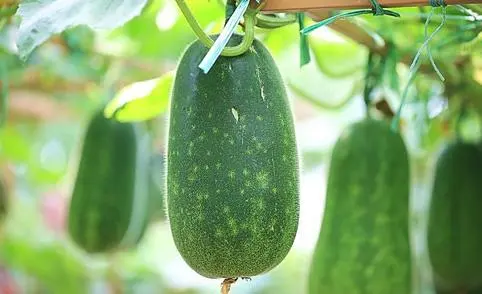
Winter melon is relatively heat-resistant, and the most suitable growth temperature is 25~30℃. It has the advantages of high yield and storability, and is also a very popular vegetable in summer and autumn.
The calorie content of winter melon is super low, only 10 kcal/100g. Among all kinds of melon vegetables, winter melon has the lowest calorie content. Even among common vegetables, it is really difficult to find vegetables with lower calories than winter melon. Even the "weight loss artifacts" in our minds, cucumbers and cabbages, have higher calories than winter melon, which are 1.6 times and 2 times that of winter melon respectively. Moreover, the water content of winter melon is as high as 97%, which is higher than that of cucumber, which tastes juicy. This is also the main reason why people say that eating winter melon is "diuretic".
| Comparison of calories of various melons and vegetables | |
| Ingredients | kcal/100g |
| Winter melon | 10 |
| White melon | 12 |
| Thin squash | 13 |
| Cucumber | 16 |
| Chayote | 18 |
| Luffa | 20 |
| Bitter melon | 22 |
| Pumpkin | 23 |
In terms of other nutrients, winter melon also contains dietary fiber, vitamin C, potassium, citrulline, succinic acid and other ingredients.
1. Dietary fiber
Although winter melon contains dietary fiber, the content is not outstanding, only 0.9 grams/100 grams. Fortunately, it is low in calories, so you can eat more. Dietary fiber can enhance satiety and help lose weight; it can also make stool softer, promote gastrointestinal motility, and help prevent constipation.
2. Vitamin C
The vitamin C content of winter melon is 16 mg/100 g, which is higher than that of apples and tomatoes; there are also literatures showing that it is 27 mg/100 g, which is comparable to early oranges. However, in general, winter melon is eaten after cooking, and vitamin C will be lost, so you can't expect to supplement much vitamin C by eating it.
3. Mineral potassium
Intake of more potassium in the diet is helpful to stabilize blood pressure. The potassium content of winter melon is not excellent if we look at the data alone, only 57 mg/100 g, but it is low in calories. Even if you eat 300 grams, the calories you consume are only 30 kcal, but you can supplement 171 mg of potassium. This is also good news for friends who are afraid of getting fat. While controlling blood pressure, you can also take into account the plan of losing weight.
4. Citrulline
Citrulline is a non-essential amino acid for the human body. It was originally identified from the juice of watermelon fruits. Later, it was found in large quantities in other Cucurbitaceae fruits. Citrulline is an effective hydroxyl free radical scavenger that can effectively protect DNA and enzymes from oxidative damage, increase vasodilation function, reduce systolic and diastolic blood pressure, correct erectile dysfunction, and reduce the incidence of vasospastic angina.
Winter melon is rich in citrulline. Among the 7 common varieties of Cucurbitaceae fruits (winter melon, cucumber, bitter melon, pumpkin, loofah, melon and watermelon), the citrulline content in winter melon ranks second among the 7 fruits, second only to watermelon. And the more mature the winter melon is, the higher the citrulline content is.
5. Malonic acid
Winter melon contains a component called malonic acid, which can inhibit the conversion of sugar substances into fat in the body, thereby preventing fat deposition and accumulation in the body, which is helpful for people who need to lose weight and control weight.
Overall, winter melon has the effects of sufficient water, low calories, potassium supplementation, cardiovascular health and weight loss. Even people with high blood sugar can eat winter melon with confidence, because the carbohydrate content of winter melon is very low, only 2.4 grams/100 grams, mainly fructose, followed by glucose and sucrose.
Winter melon has the effects of diuresis, heat-clearing, phlegm-resolving, body fluid-generating and detoxification. It is effective in improving edema, summer heat, phlegm and asthma, and thirst. It can also detoxify fish and alcohol. Follow the doctor's advice when using winter melon to regulate your body. Once discomfort occurs, it is recommended to seek medical treatment in time.
Lipid-lowering and weight-loss: Winter melon contains succinic acid, which can inhibit the conversion of sugars into fat and prevent fat accumulation in the body. It is helpful for the prevention and treatment of hypertension, atherosclerosis, and hyperlipidemia. In addition, winter melon has a high dietary fiber content, which can absorb water and swell, avoid excessive food intake, and has the effect of weight loss.
Diuretic:Winter melon is a Chinese medicinal material with both medicinal and edible origins. In traditional Chinese medicine, winter melon is considered to be slightly cold and belongs to the lungs, large and small intestines. Taking winter melon can promote the excretion of urine, which is effective in treating stranguria and can improve symptoms of red and short urine and edema.
Clearing away heat:Because winter melon is slightly cold in nature, taking winter melon can clear away the heat evil in the body, which is effective in improving the summer heat and depression, and is also helpful in preventing heatstroke.
Resolving phlegm:Winter melon enters the lung meridian, can clear away the heat evil in the lung, and is effective in improving lung heat cough and sputum.
Beauty and skin care:Winter melon contains oleic acid, vitamins, and citrulline, which can inhibit melanin precipitation, and has the effects of whitening, removing spots, and moisturizing the skin.
Detoxification:Taking winter melon can eliminate the heat toxins in the body and is effective in relieving carbuncle, hemorrhoids, and fistula. Clinical studies have shown that winter melon is also helpful in removing cinnabar poison, fish poison, and alcohol poison.
Patients with spleen and stomach deficiency should be cautious when eating winter melon to avoid abdominal pain and diarrhea.
Winter melon is cold in nature. People with spleen and stomach qi deficiency, diarrhea, loose stools, and stomach cold pain should not eat raw and cold winter melon. People with menstruation and cold dysmenorrhea should not eat raw winter melon.
Winter melon and red beans are incompatible. Eating winter melon and red beans together will increase the urine volume of normal people and easily cause dehydration.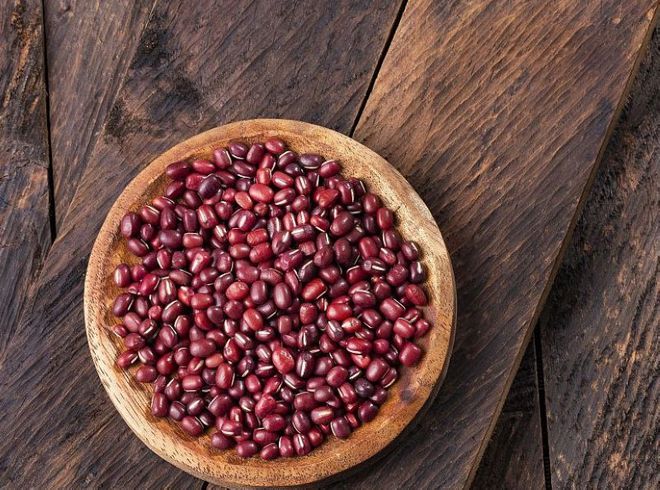
Winter melon and vinegar are incompatible. Vinegar will destroy the nutrients in winter melon and reduce the nutritional value.
Winter melon and red crucian carp are incompatible. Eating them together will reduce the nutritional value.Winter melon and crucian carp are both anti-edema and diuretic ingredients. Eating them together will increase the urine volume. If you are not suffering from edema, it is best not to eat them together.
When buying winter melon, you can choose winter melon with a symmetrical shape, smooth skin, no spots, no scars, and a layer of powdery white frost. It is fresher.
Many winter melons in shopping malls are already cut into slices. In this case, it is recommended to choose a heavier one of similar size, which means that it is fresher with sufficient water and tastes better; you can also press the winter melon flesh lightly with your fingers and choose a slightly harder one. Eat it as soon as possible after buying it home.
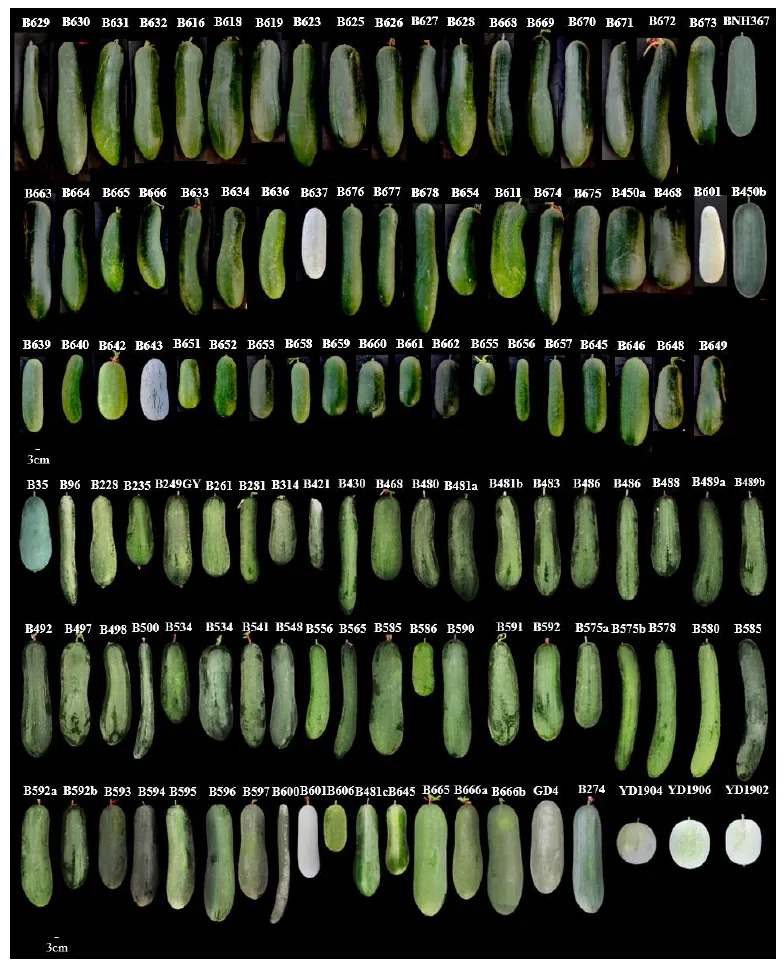
Many people don't like sour winter melon. Generally speaking, the higher the fructose content of winter melon, the sweeter the fruit; the lower the malic acid content, the less sour it is; the higher the sugar-acid ratio, the better the taste of winter melon. Therefore, if you want to choose a winter melon with a better taste, you can pay attention to the variety. An experiment screened out some winter melons with a sweeter taste by measuring 112 winter melon germplasm resources, such as B662 winter melon, B659 winter melon, B595 winter melon, B661 winter melon, B586 winter melon, B637 winter melon, and B639 winter melon.