
Wax apple, also known as foreign syzygium, golden mountain syzygium, water syzygium, and in some places it is also called sweet mist, cotton fruit, etc., is a tropical evergreen tree fruit tree of the genus Syzygium of the Myrtaceae family.
Wax apple is native to the Malay Peninsula and the Andaman Islands. Currently, the most cultivated fruit abroad is Java Island in Indonesia, and it is also cultivated in other Southeast Asian countries. In the 17th century, it was gradually introduced to China. At present, it is cultivated in Guangdong, Fujian, Hainan, Guangxi, Yunnan, Guizhou and Sichuan.
In Southeast Asia, wax apples bloom for the first time from March to May, and the fruits mature from May to June. They bloom for the second time in late July, and the fruits mature from August to September. They can also bloom and bear fruit in December. The fruit is bell-shaped, brightly colored, spongy, slightly apple-scented, and tastes sweet and refreshing, but some wax apples are bland and have almost no taste. The weight of a single wax apple is generally 50 to 80 grams, some varieties can reach 100 grams, and even larger ones can weigh 300 grams.
In terms of nutrition, wax apples have some advantages in replenishing water and antioxidant ingredients, but other nutrients are not very prominent.
1. Water content
The fresh cucumbers we usually eat have a water content of 92%, while the water content of wax apples is as high as 90.75%, which is very close to cucumbers. Some people call it "water-filled bells" and "mineral water growing on trees". Wax apples are also known as "water apples". Biting one is really hydrating and thirst-quenching.
2. Antioxidant ingredients
The total flavonoid content of common fruits is generally only 3~36 mg/100 g. Literature data shows that the content of flavonoid compounds in wax apple fruits is 6612 mg/100 g. In addition, dark red and pink wax apples also contain anthocyanins. Both of these ingredients have strong antioxidant capacity, which can help our body resist chronic inflammation and prevent chronic diseases.
3. Low calories
In addition, the calories of wax apples are not high. Data show that it is only about 40 kcal/100 g. Moreover, wax apple is a fruit with low GI and GL. Its GI value is 67, which is a fruit with medium glycemic index. Even if you eat 2 wax apples (about 128 grams), the GL is only 7, which is a fruit with low glycemic load and is relatively friendly to blood sugar.
Therefore, even people who are losing weight and need to control blood sugar can eat it with confidence, and can eat 1~2 with meals.
4. Vitamins and minerals:
Wax apple is rich in vitamin C, which helps to enhance immunity, promote iron absorption, and helps wound healing and collagen synthesis.
It also contains B vitamins, including vitamins B1, B2, B6 and folic acid, which are essential for the health of the nervous system, energy metabolism and red blood cell production.
Wax apple is also a good source of potassium, which helps maintain the normal function of the heart and muscles, and helps regulate blood pressure.
5. Dietary fiber:
Wax apple contains a certain amount of dietary fiber, which helps promote intestinal peristalsis, prevent constipation, and help lower cholesterol and blood sugar levels.

Not only can wax apples be eaten, but wax apple flowers are also very edible. Wax apple flowers smell rich in flowers. In Hainan, people have the habit of using wax apple flowers to make tea. Wax apple flower tea has a unique wax apple fragrance and a bright yellow-green soup color.
Wax apple flowers are very nutritious and rich in dietary fiber, up to 14 grams/100 grams. They can help us promote gastrointestinal motility and prevent constipation. They can also promote the proliferation of beneficial intestinal bacteria and are beneficial to intestinal health.
The vitamin C content of wax apple flowers is as high as 259 mg/100 g, which is higher than most of the fruits we usually eat and nearly 8 times that of oranges. In addition, wax apple flowers are high-potassium and low-sodium foods, with a potassium content of up to 515 mg/100 g and a sodium content of <5 mg/100 g, which is conducive to maintaining the body's acid-base balance and normal blood pressure, regulating the osmotic pressure balance in the human body, and helping to prevent the occurrence of hypertension.
In addition, wax apple flowers are also rich in polyphenol compounds, and the content of polyphenols is significantly higher than that of chrysanthemum, jasmine and rose; the content of total flavonoids is 972 mg/100 g, which is not as good as chrysanthemum, but higher than jasmine and rose, 3 times that of jasmine and 9 times that of rose.
There are many types of wax apples, and the colors vary greatly, including dark red (red), pink, light green and white.
1. Dark red variety
The fruit color is good, but the fruit shape is small, the weight of a single fruit is about 50 grams, and the taste is slightly astringent.
2. Pink variety
The fruit color is beautiful and the fruit shape is large. Some single fruits weigh about 100 grams, with good sweetness and taste, such as "Black Pearl", "Black King Kong" and "Black Diamond".
3. Green variety
The peel is emerald green, the sweetest, and has a unique fragrance, such as "Green Jade" and "Blue Diamond".
4. White varieties
The peel is milky white, the fruit is small, and the taste is crisp and sweet, such as "Vietnamese White Wax Apple".
In addition, there are large-fruit varieties of wax apples, with a single fruit weight of 100~300 grams. The peel is mostly red and the fruit is sweet, such as "Thai Red Diamond", "Ruby", "Indian Red", "Nanlu No. 1", etc.
Most studies believe that wax apples are non-respiratory climacteric fruits. They are generally picked after they are fully ripe. After picking, the respiration intensity is high, the metabolism is vigorous, and the aging speed is fast, so they are extremely intolerant to storage.
If the storage method is improper, fading, rotting, dehydration, and soft and flocculent flesh will occur. Not only will the taste and flavor deteriorate, but it will also be prone to corruption and deterioration.
Temperature has an extremely important influence on the storage resistance and quality of wax apples after harvest. Refrigerated storage at 4℃ can prolong the storage period of wax apples, reduce the color change of the flesh, and better maintain the color and nutritional value of the peel. When storing wax apples, wrap them in paper first and then in a fresh-keeping bag, the storage effect will be better. This can effectively reduce the weight loss of the fruit during storage, reduce water loss, maintain a good flesh hardness and fruit juice yield, thereby slowing down the aging process of wax apples and prolonging the storage time.
The most important thing is that refrigeration can not only prolong the storage period of wax apples, but also make wax apples more delicious and sweeter! This is because the sugar in wax apples is mainly fructose (3.64% ~ 3.91%), followed by glucose (2.52% ~ 2.74%) and sucrose (0.23% ~ 0.68%). Fruits with high fructose content have cold sweet characteristics, that is, the lower the storage temperature, the higher the sweetness.
Patients with kidney disease: Wax apples contain a lot of oxalic acid. Excessive intake may increase the burden on the kidneys and affect kidney function. Therefore, patients with kidney disease should be cautious in eating or avoid eating.
Patients with liver disease: The oxalic acid in wax apples will produce compounds such as calcium oxalate and copper oxalate, which may affect the liver's metabolism and clearance function and increase the burden on the liver. Therefore, patients with liver disease should also eat in small amounts or avoid eating.
People with indigestion: Wax apples have high levels of oxalic acid and fruit acid, especially unripe wax apples, which can irritate the gastrointestinal mucosa and easily cause indigestion problems such as abdominal pain and diarrhea. Therefore, people with indigestion should eat in moderation or avoid eating.
People with cold constitution: Wax apples themselves are cold fruits. People with cold constitutions will become more severe after eating them, and may experience symptoms such as stomach pain. This group of people should try to avoid eating cold foods, including wax apples.
Women during menstruation: Since wax apples are cold fruits, eating wax apples during menstruation may cause blood stagnation, resulting in symptoms of dysmenorrhea. Therefore, it is best for women during menstruation to eat less or no wax apples.
Toddlers: Toddlers have weak digestive functions and cannot digest the cellulose and pectin in wax apples very well, which may cause indigestion. Therefore, parents should try to avoid feeding wax apples to toddlers.
Diabetic patients: Wax apples contain a certain amount of sugar. After eating wax apples, diabetic patients may cause blood sugar to rise, which is not conducive to disease control. Therefore, diabetic patients should eat with caution.
People who are allergic to wax apples: This group of people may experience discomfort symptoms such as skin itching and papules after eating wax apples, and should avoid eating them.
In addition, people who often urinate frequently should not eat more wax apples, because wax apples have a diuretic effect and may aggravate the symptoms of frequent urination. At the same time, wax apples cannot be eaten with cold foods such as cucumbers, lobsters, crabs, and cantaloupes, or foods rich in vitamin C decomposing enzymes, so as not to destroy nutrition or cause adverse reactions. When eating wax apples, you should eat them in moderation according to your own situation and avoid eating them with incompatible foods.
1. Eat fresh directly:
Choose wax apples that are moderately mature, have shiny skin, and are plump and juicy.
After rinsing with clean water, you can bite them directly and enjoy their crisp taste and natural sweetness.
2. Eat with honey:
Wash the wax apples and cut them into thin slices or small pieces.
Prepare a small dish of honey and dip the wax apple slices or pieces in honey to increase the sweetness and taste.
3. Make wax apple juice:
Wash the wax apples and cut them into small pieces and put them in a juicer.
Add appropriate amount of clean water or ice cubes to make juice.
You can add honey or lemon juice to taste according to your personal taste, stir well and drink.
4. Eat with other fruits:
Cut the wax apples into small pieces together with other fruits (such as watermelon, cantaloupe, grapes, etc.) and put them in a bowl.
Add appropriate amount of yogurt or salad dressing, mix well and eat, you can make a delicious fruit salad.
5. Make wax apple ice cream:
Wash the wax apple, cut it into small pieces, put it into a blender and beat it into a paste.
Add appropriate amount of milk and sugar, stir well and pour it into the ice cream machine.
Follow the instructions of the ice cream machine to make delicious wax apple ice cream.
6. Make wax apple preserves:
Wash the wax apple, cut it into small pieces, add sugar and water and boil them together.
Cook until the wax apple becomes soft and absorbs sugar, then remove and dry it.
You can add lemon juice or other seasonings according to your personal taste to make delicious wax apple preserves.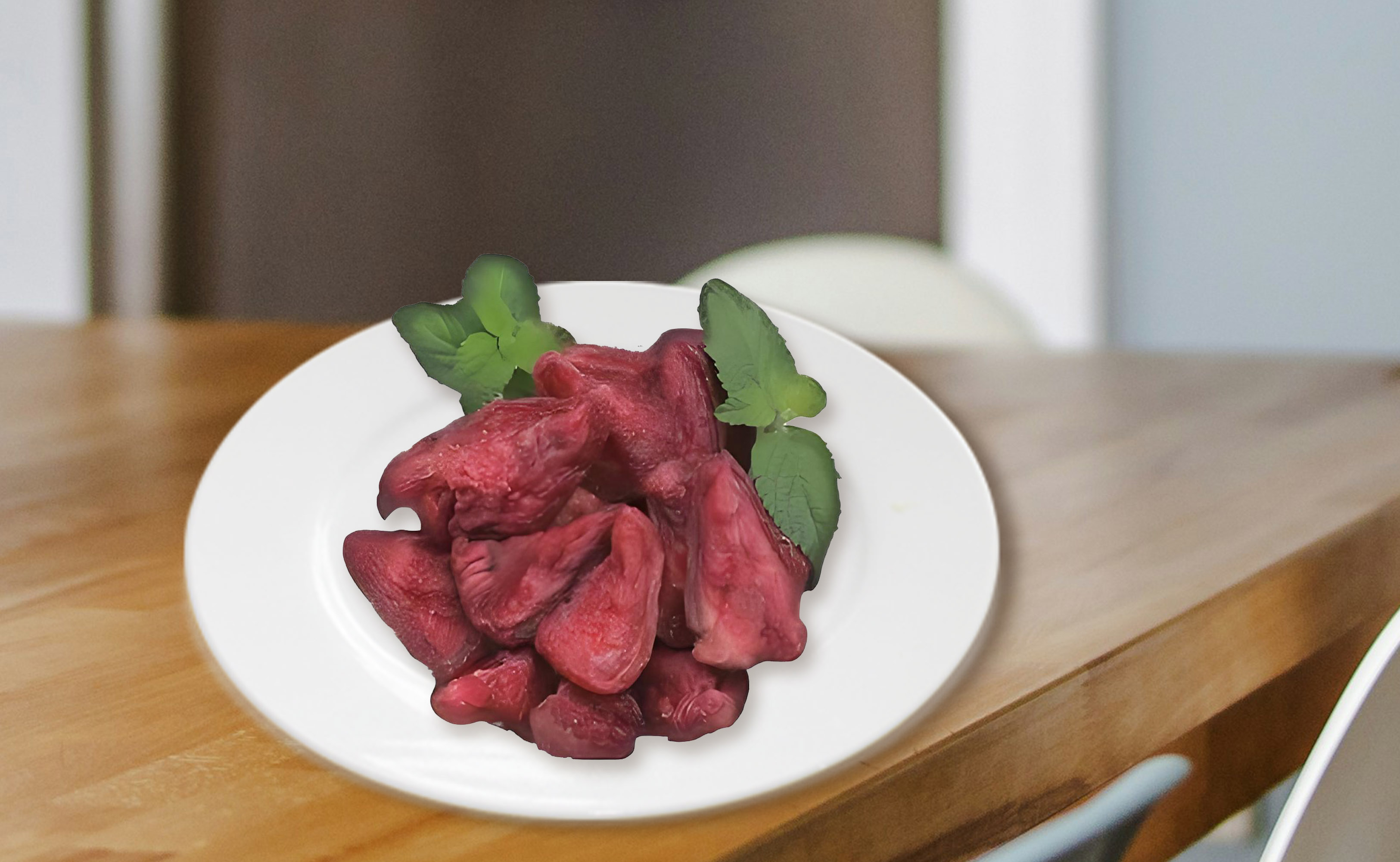
7. Make wax apple jam:
Wash the wax apple, cut it into small pieces, add sugar and lemon juice and boil them together.
Cook until the wax apple becomes soft and thick, then remove and cool it.
It can be eaten with bread or biscuits, or used as a dessert filling.
It should be noted that the taste of wax apples is greatly affected by the variety and maturity. When choosing wax apples, it is best to choose varieties with smooth skin, bright color, and plump and juicy flesh. In addition, the sweetness of wax apples varies from person to person. If you like a sweeter taste, you can add an appropriate amount of honey or other sweeteners when eating.