Cocktails are usually mixed with base liquor, juice, soda or other auxiliary materials. Cocktail base liquor is an important part of the cocktail and the dominant element in the cocktail, playing a decisive and leading role in the cocktail. It can be paired with many different drinks to create a variety of cocktail styles. The selection criteria for the base wine are the quality, style, characteristics, and price of the wine. The ideal base liquor is one made from a good quality, affordable liquor that can maintain profit margins while still creating a satisfying cocktail.
The six common base liquors include: Gin, Vodka, Brandy, Tequila, Whiskey and Rum. Each of these base liquors has its own characteristics. For example, gin is colorless and transparent, has a strange and fragrant smell, and has a mellow and refreshing taste; vodka is colorless and light and refreshing, making people feel not sweet, not bitter, not astringent, but only has a flaming stimulation; brandy tastes Soft and pure in aroma; tequila is made from agave and is the soul of Mexico; rum has a delicate, sweet taste and is fragrant.
Also known as gin (Geneva) or gin, it is a base liquor obtained from saccharification, fermentation, and distillation using grains and other raw materials, and then extracted or blended with plant aroma sources including juniper berries. Distilled liquor made from aromatic distillation. Gin was first produced in the Netherlands and later became famous after mass production in the United Kingdom. It is the world's largest category of spirits.
The history of gin can be traced back to the end of the 16th century and the beginning of the 17th century, when it was invented by two professors, Silvis and Xiuwen, from Leiden University in the Netherlands. They discovered that the berries of juniper had diuretic properties and therefore used them in the manufacture of wine. The original gin was made from grain-based shochu, with juniper berries and other fragrant herbs added. Today, gin is made from alcohol that has been distilled and rectified many times as the base liquor.
During the reign of William III of England, the British navy transported a large amount of gin back from the Netherlands. The recipe of this wine was passed to the United Kingdom, and Britain began to produce gin on a large scale. In the 18th century, through the joint efforts of various British manufacturers, gin became a prestigious spirit in the early 19th century, and became Britain's national drink in the era of Queen Victoria.
Gin can be divided into spicy gin, Old Tom gin and fruity gin according to taste style. It is the most commonly used alcohol in cocktails and is known as the heart of cocktails. The taste of gin is rich and varied, with strong aromas of juniper berries, coriander seeds, angelica root and liquorice on the nose, and exotic spiciness on the palate, as well as the sweetness of fresh juniper berries and lemon tart. . Different brands of gin may also have their own unique taste and aroma characteristics. For example, some brands may emphasize plant aromas, or have flavors such as citrus, rose, cucumber, etc.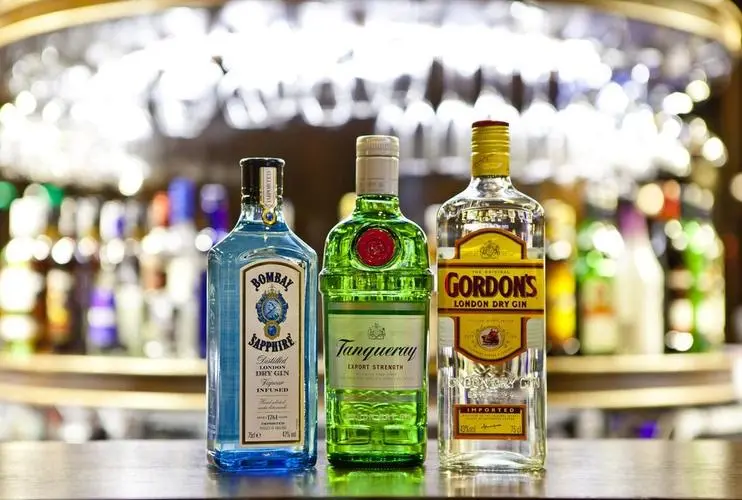
It is a traditional alcoholic drink in Russia and one of the most flexible, adaptable and versatile cocktail bases in the world.
Vodka is a distilled spirit made from grains, potatoes, molasses and other edible crops, fermented and distilled into edible alcohol, and then refined and processed through special techniques. Vodka is made from grains or potatoes, and is distilled into alcohol of up to 95 degrees. It is then diluted with distilled water to 40 to 60 degrees, and filtered through activated carbon to make the wine more crystal clear, colorless, light and refreshing, making people feel It feels neither sweet, nor bitter, nor astringent, but only has the flaming stimulation of high alcohol, which forms the unique characteristics of vodka.
The flavor and quality of vodka vary depending on raw materials, production processes and blending methods. Good vodka tastes soft, smooth, and smells like grains, while poor quality vodka may be astringent, bitter, and smell like medicine.
The history of vodka can be traced back to Eastern Europe. Vodka officially appeared in 1478 when Ivan III established the state monopoly of this kind of liquor that Russians love to drink.
In 1553, Ivan the Terrible opened the first vodka tavern in Moscow and made huge profits. The 19th century was a century in which vodka occupied the international market. Although vodka has a high alcohol purity, it was given a common name at the beginning: Table Wine No. 21. Since then, it has had many names, such as "bread wine" and "burnt liquor". It was not until the beginning of the 20th century that it was officially named "vodka". This is because this strong liquor contains more water than wine, so it is pronounced in Russian.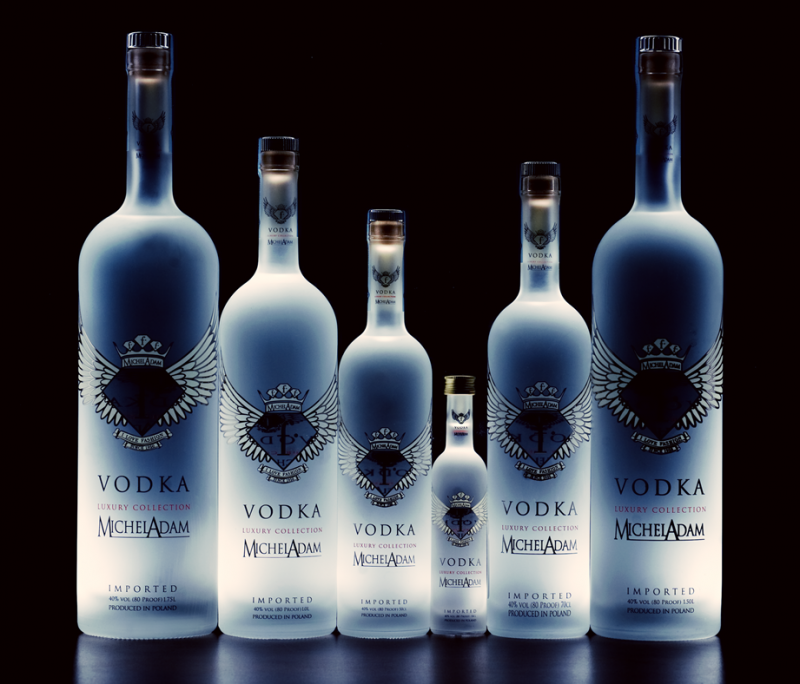
Brandy is a distilled liquor made from fruit or juice (pulp) as raw materials, fermented, distilled, aged, and blended. Note: Products made from grapes or grape juice can be referred to as brandy. Products made from other fruits are named after fruits.
Brandy originally came from the Dutch word "Brandewijn", which means "burned wine". In a narrow sense, it refers to the high alcohol obtained by distillation after fermentation of grapes, and then stored in oak barrels. Brandy is a distilled wine made from fruit as raw material, brewed after fermentation, distillation and storage, and is often called the "soul of wine". Distilled wine made from grapes is called grape brandy, and the brandy we often talk about refers to grape brandy. Brandy made from other fruit raw materials should be named after the fruit, such as apple brandy, cherry brandy, etc., but their popularity is far less than the former.
Brandy originated in France. In the 12th century AD, the wine produced in Cognac was sold to various European countries, and foreign merchant ships often came to the coastal ports of Charente to buy its wine. Around the middle of the 16th century, in order to facilitate the export of wine, reduce the space occupied by the cabin of the sea and the taxes required for large-scale exports, and also to avoid the deterioration of wine due to long-distance transportation, the wine merchants in Cognac distilled and concentrated the wine for export, and then the manufacturers in the importing country diluted it with water in proportion for sale. This kind of wine made by distilling wine is the early French brandy. In the early 17th century, other parts of France began to follow the method of Cognac to distill wine, and gradually spread from France to wine-producing countries throughout Europe and all over the world.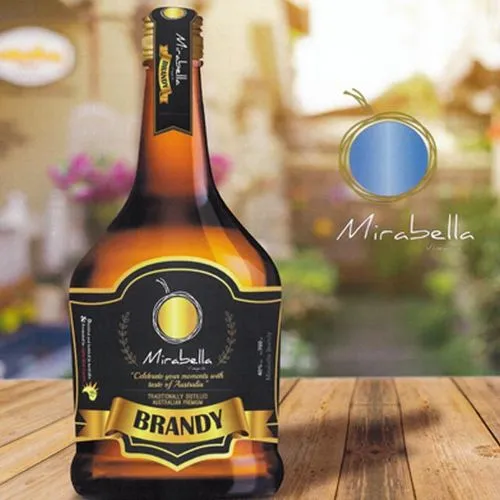
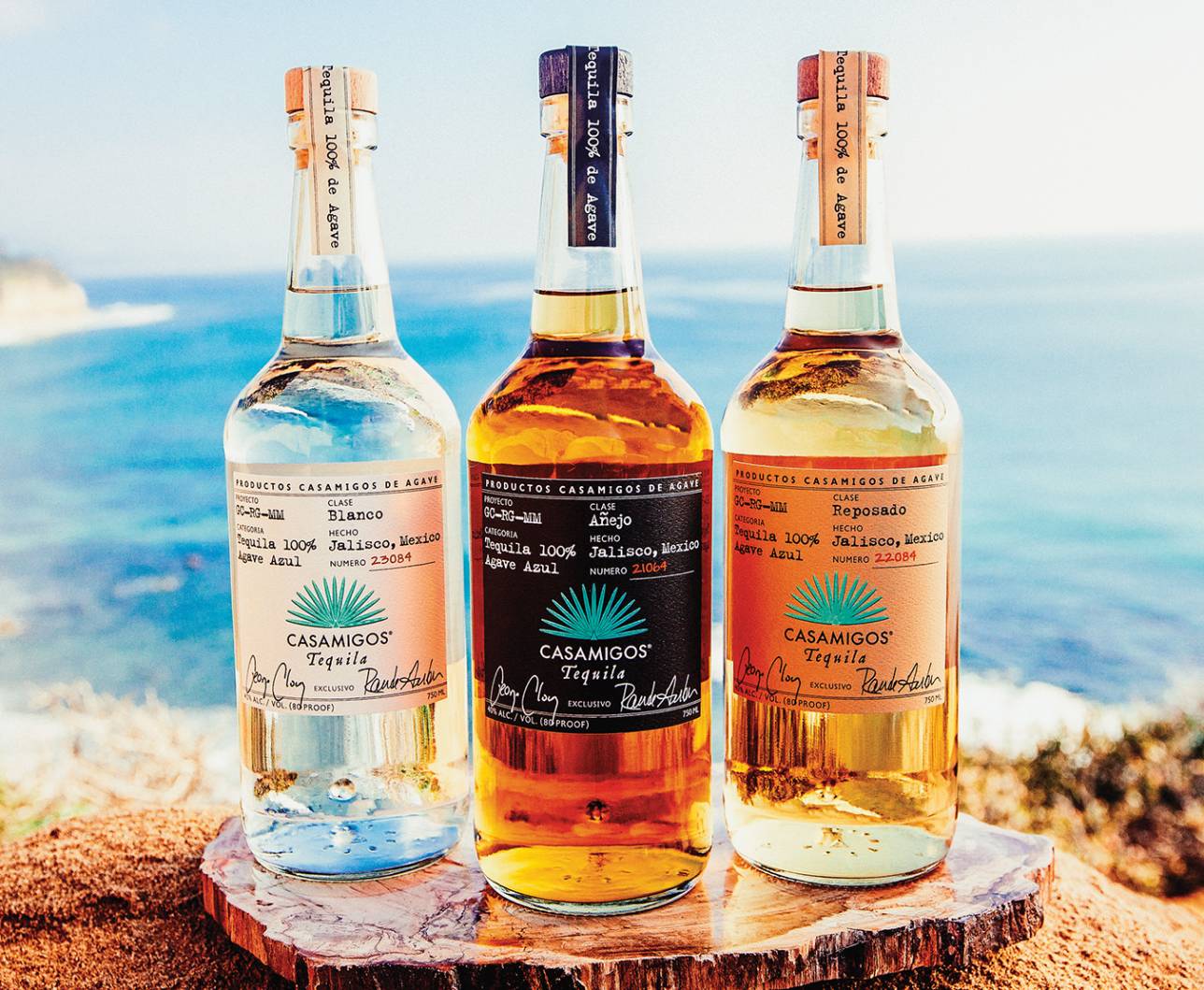
Tequila is a distilled liquor made from agave, fermented, distilled, aged and blended. Tequila is the national wine of Mexico and is called the soul of Mexico. It became known to the world when Mexico held the Olympic Games. Tequila is often used as a base wine to mix various cocktails. Common cocktails include Tequila Sunrise, Matador, Frozen Margarita, etc.
In the third century AD, the Indian civilization living in Central America had already discovered the technology of fermentation and winemaking. They used any available sugar source in life to make wine. Tequila, which is not low in sugar and juicy, naturally became the raw material for making wine. Pulque wine made from fermented agave juice. Before the Spanish conquerors on the other side of the Atlantic Ocean brought distillation to the New World, Tequila had always maintained its identity as a pure fermented wine. Later, they tried to use distillation to increase the alcohol content of Pulque, and distilled wine made from agave was produced. Because this new product successfully replaced wine and became the object of mass consumption by these colonists, it was named Mezcal wine. After a long period of trial and improvement, the prototype of Meal wine gradually evolved into the Mezcal/Tequila we see today-the name is taken from the name of the town where this wine is produced.
In addition, tequila is often used as a base wine to mix various cocktails, giving cocktails a unique taste and level, such as Tequila Sunrise, Tequila Slammer, Margarita, etc.
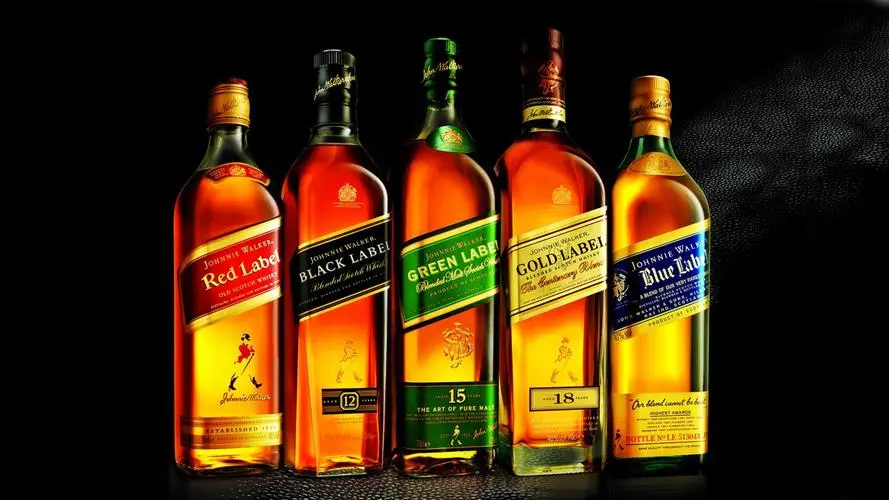
Whiskey is a strong distilled liquor made from grains such as barley, which is aged in oak barrels for many years and then blended into a strong distilled liquor of about 43 degrees. The British call it "water of life". According to the origin, it can be divided into four categories: Scotch whiskey, Irish whiskey, American whiskey and Canadian whiskey.
The production process of whiskey includes grinding. The brewing process of whiskey is divided into six steps: germination, saccharification, fermentation, distillation, aging, and blending. And the British law promulgated in 1990 regulates the production of whiskey: the sugar of grains is decomposed by the amylase contained in the malt, and other types of enzymes prohibited by the management department are not used. Fermentation is carried out under the action of enzymes. In order to keep the aroma of the raw materials used in the distillate, the concentration of the wine at the end of distillation shall not exceed 94.8%. The wine is stored in wooden barrels for no less than three years.
Regarding the origin of whiskey, both Irish whiskey and Scottish whiskey admit that they have a common ancestor, which is "water of life (distilled wine)" (called aqua vitae in Latin and uisge beatha in Welsh). Later, it gradually became whiskey in Scottish and whiskey in Irish.
Rum, also known as fire wine, is a distilled wine made from sugarcane juice, sugarcane molasses, sugarcane syrup or other sugarcane processed products, fermented, distilled, aged and blended. No edible alcohol is added during the production process. Rum originated in Cuba and has a sweet and fragrant taste. According to different raw materials and brewing methods, rum can be divided into: rum white liquor, rum old liquor, light rum, rum regular liquor, strong rum, etc., containing 38% to 50% alcohol. Rum is a slightly yellowish and brown liquid with a delicate, sweet taste and a fragrant alcohol aroma. It is not important whether the rum is aged, but mainly depends on whether it is from the place of origin. It is divided into two styles: light and strong.
Rum is a traditional wine of Cubans. The rum of the Republic of Cuba is made by brewing masters who put sugarcane liquor made from sugarcane honey as raw material into white oak barrels. After years of careful brewing, it produces a unique and unparalleled taste, making it a kind of wine that Cubans like to drink. Rum is a natural product made from sugar cane. The entire production process, from the careful selection of raw materials, to the subsequent alcohol distillation and aging of sugarcane liquor, is extremely strict. The quality of rum is determined by the aging time, which can be one year or several decades. The rum sold on the market is usually three years and seven years, with an alcohol content of 38° and 40° respectively. The heavy alcohol is removed during the production process, and the pleasant aroma of the wine is preserved. Columbus came to Cuba during his second voyage to America. He brought the rhizomes of sugar cane from the Canary Islands. What people didn't expect was that it was these rhizomes that replaced the gold that people came to find on the island called Cipango by the indigenous people. From 1966 to 1967, all rum exported from Cuba was affixed with the quality assurance mark of origin to indicate the high quality and authenticity of the rum.
In addition, rum is often used as a base wine to mix various cocktails, among which Mojito is one of the most famous rum cocktails.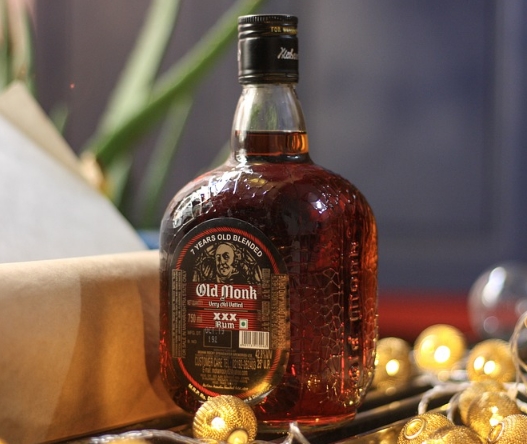
There are several main reasons why base wine is so important:
Lay the foundation for cocktail flavor: Base liquor is the main source of cocktail flavor, and different base liquors bring completely different tastes to cocktails. The purity of vodka, the aroma of gin, the richness of whiskey, the nobility of brandy, the sweetness of rum, and the intensity of tequila all provide a wealth of choices for cocktails.
Provide alcohol base: Base liquor is the main source of alcohol for cocktails. Its high alcohol content can provide a stable alcohol base for cocktails, ensuring the taste and quality of cocktails.
Balance the taste of cocktails: When mixing cocktails, the alcohol content and flavor of the base liquor are integrated with other ingredients (such as juice, syrup, sparkling water, etc.) to form the taste of the cocktail, making it more harmonious and unified.
Highlight the theme of cocktails: Each cocktail has its own unique theme and style, and the choice of base liquor can often highlight these characteristics. For example, cocktails based on rum often have a tropical style, while cocktails based on whiskey are more calm and noble.
Innovative matching: The diversity of base liquors provides a broad space for innovation in cocktail mixing, and bartenders can make personalized matching according to the taste needs of guests.
Frequently Asked Questions
How do you make a cocktail from scratch?
Cocktail making is an art that requires both skill and creativity. Here are the steps for making a cocktail from scratch:
To make a cocktail from scratch, you need to prepare the following materials and tools:
Base liquor: Choose a base liquor that suits your taste. Common base liquors include brandy, rum, gin, vodka, tequila, etc.
Soft drinks: Such as Sprite, cola, fruit juice, etc., used to adjust the taste and increase bubbles.
Juice: Freshly squeezed or concentrated juice, used to add flavor and color.
Syrup: Simple syrup or honey, used to add sweetness.
Fruits such as lemons and limes: Used to add sourness and freshness.
Ice cubes: Used to cool and enhance the taste.
The basic steps to make a cocktail are as follows:
Prepare ice cubes: You can use a home refrigerator to make ice cubes, or put the wine in a freezer for about 20 minutes.
Mix base liquor and soft drinks: According to personal taste, mix base liquor and soft drinks in a certain proportion.
Add juice and syrup: Add the appropriate amount of juice and syrup as needed to increase the flavor and sweetness.
Add fruit and lemon slices: You can add sliced lemons, limes and other fruits, as well as garnishes such as mint leaves, to increase the freshness and visual effect.
Stir or shake: Use a stirring stick or a shaker to stir all the ingredients evenly to ensure that the flavors are fully integrated.
Decoration: Finally, you can decorate the rim of the cup with lemon slices, mint leaves, etc. to increase the beauty.
Finally, try to find some simple cocktail recipes for mixing practice.
How to choose and match base liquor?
When making cocktails, choosing and matching base liquor is crucial. Here are some tips:
Understand the flavor characteristics and alcohol content of the base liquor: Familiarize yourself with the flavor characteristics of various base liquors so that you can choose the right base liquor according to the desired taste. The alcohol content of the base liquor will affect the taste and overall balance of the cocktail. Generally speaking, base liquors with higher alcohol content will make the cocktail taste stronger, while base liquors with lower alcohol content will make the cocktail taste softer.
Choose base liquor according to cocktail style: Different cocktail styles are suitable for different base liquors. For example, refreshing cocktails are suitable for choosing vodka or gin as the base liquor; rich and complex cocktails are more suitable for choosing whiskey or brandy; and tropical cocktails are suitable for rum as the base liquor.
Consider the matching of base liquor with other ingredients: When choosing a base liquor, consider its matching effect with other ingredients. For example, if acidic ingredients such as lemon juice or orange juice are added to the cocktail, you can choose rum or whiskey with a mellower taste to balance the sour taste; if rich ingredients such as cream or egg milk are added to the cocktail, you can choose a base liquor with a lighter taste such as vodka or gin.
Try innovation and exploration: The process of making cocktails is full of infinite possibilities. Don't stick to traditional pairing methods. You can try to match different types of base liquors, or combine base liquors with other non-traditional ingredients to create unique cocktails.
Consider personal taste preferences: Different people have different acceptance and taste preferences for alcohol, so when making cocktails, you can adjust the type and proportion of base liquor according to your personal taste.


