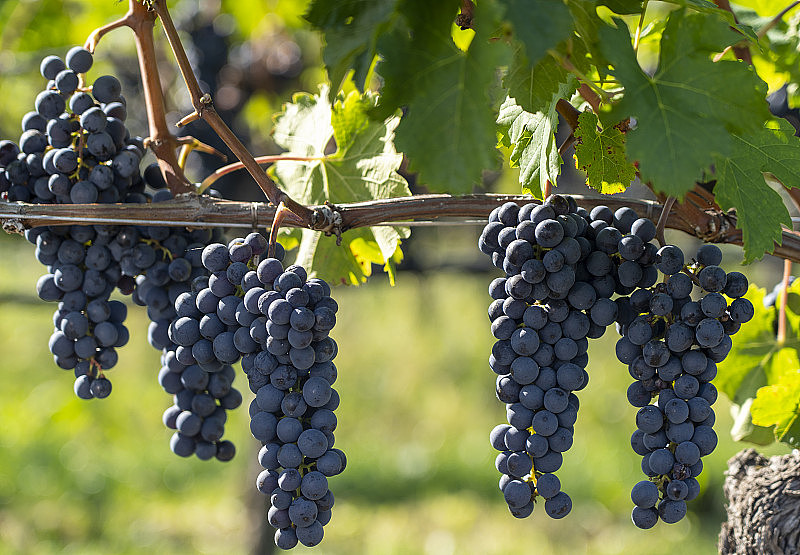
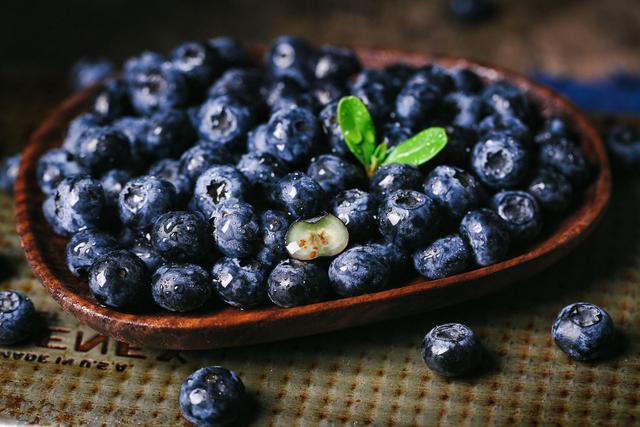
There are more than 300 different anthocyanins in nature. Anthocyanins come from different kinds of fruits and vegetables. Their content in plants varies greatly depending on the variety, season, climate, maturity, etc. According to preliminary statistics: anthocyanins are found in 27 families and 73 genera of plants, such as purple sweet potatoes, grapes, blood oranges, red cabbage, blueberries, eggplants, cherries, cranberries, strawberries, mulberries, hawthorns, morning glory and other plant tissues.
The earliest and most abundant anthocyanin is the grape skin red pigment extracted from red grape pomace, which was launched in Italy in 1879. The pigment can be extracted from the waste of wineries - grape pomace. Elderberries contain a large amount of anthocyanins, and they are all cyanidins, with a fresh weight of 200~1000 mg per 100 grams. In addition, anthocyanins are also widely present in grain crops such as barley, sorghum, and legumes. Studies have found that the content of anthocyanins in extracts from grape seeds and pine bark is the highest.
It has antioxidant effects, which can help people stay young and help prevent common chronic diseases.
Studies have shown that increasing anthocyanin intake from 3 mg to 24 mg per day significantly reduces the risk of coronary heart disease by 12% to 32%; for every 15 mg increase in anthocyanin intake, the relative risk of myocardial infarction decreases. will be reduced by 17%.
People with weak resistance or high risk of cardiovascular disease can better maintain their health by consuming about 50 mg of anthocyanins every day.
It can also play a certain role in vision protection, not only allowing vision to adapt to the dark environment as quickly as possible, but also improving myopia and alleviating blurred vision caused by visual fatigue.
| Food Name | Anthocyanin Content (mg/100g) |
| Black wolfberry | 2252 |
| Purple corn | 628 |
| Purple sweet potato | 519 |
| Blueberry | 487 |
| Mulberry | 347 |
| Black rice | 325.2 |
| Purple cabbage | 322 |
| Blackberry | 241.5 |
| Yarbutus | 227 |
| Black grape | 121 |
1. Black wolfberry
Anthocyanin content: 224~3690 mg/100g
Black wolfberry is a kind of wolfberry and is the well-deserved "king of anthocyanins". It can be eaten directly, with a light sweet taste, or it can be squeezed into wolfberry juice or brewed with water. The water temperature should be 60 degrees. Too high a temperature will destroy the nutrients of black wolfberry.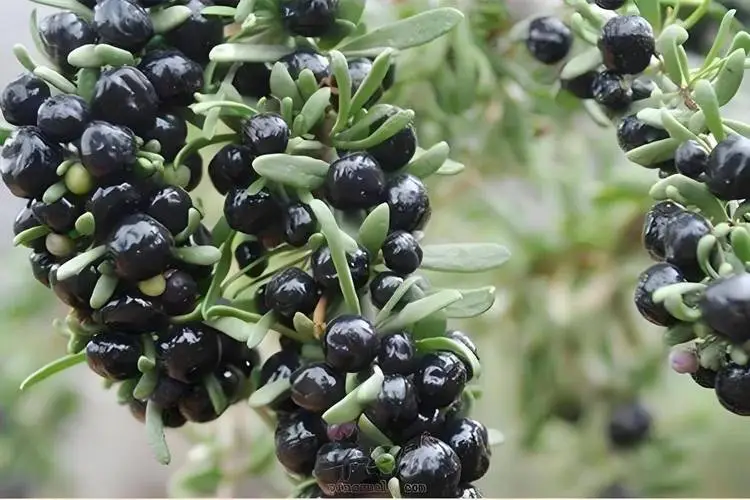
2.Purple corn
Anthocyanin content: 36~628 mg/100g
Tips: Purple corn is an excellent variety developed through cross-breeding. It is recommended to eat the corn cob when eating corn, so as not to waste the corn germ, which is rich in vitamin E and unsaturated fatty acids.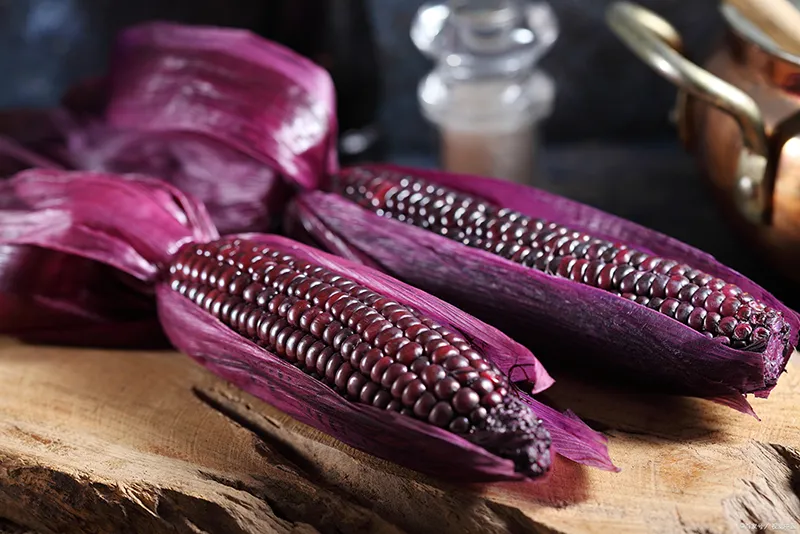
3.Purple sweet potato
Anthocyanin content: 80~519 mg/100g
Tips: It is rich in dietary fiber, extremely low in calories and fat, and has a strong feeling of fullness. For women, it can completely replace staple food, and can lose weight, prevent sub-health, and detoxify. If you want to consume more anthocyanins through sweet potatoes, steaming and microwave are more recommended as cooking methods. Boiling purple sweet potatoes will cause a large amount of anthocyanins to be lost.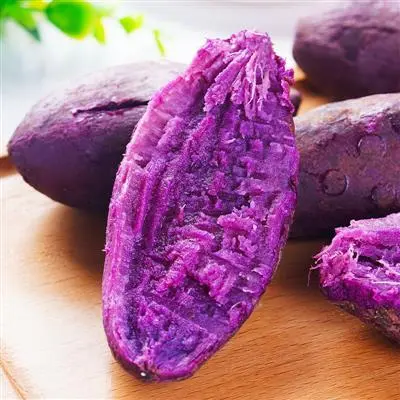
4.Blueberries
Anthocyanin content: 387~487 mg/100g
Tips: Blueberries are known as the "king of berries". The white powder on the outside of the fruit is fruit powder, not dirty stuff, and can be eaten. Made into blueberry juice, the taste is richer and more delicious. It also has the effects of preventing brain nerve aging, strengthening the heart, anti-cancer, softening blood vessels, enhancing human immunity, and regulating blood sugar.
5.Mulberry
Anthocyanin content: 14~347 mg/100g
Anthocyanin content: 668 mg/100g
Tips: Mulberries are the fruit of the mulberry tree and are known as the "Holy Fruit of the World". In addition to being eaten directly, mulberries can also be soaked in water, wine, and jam. Mulberry also has a high vitamin C content, which is similar to that of oranges. It is also a good choice to supplement vitamin C.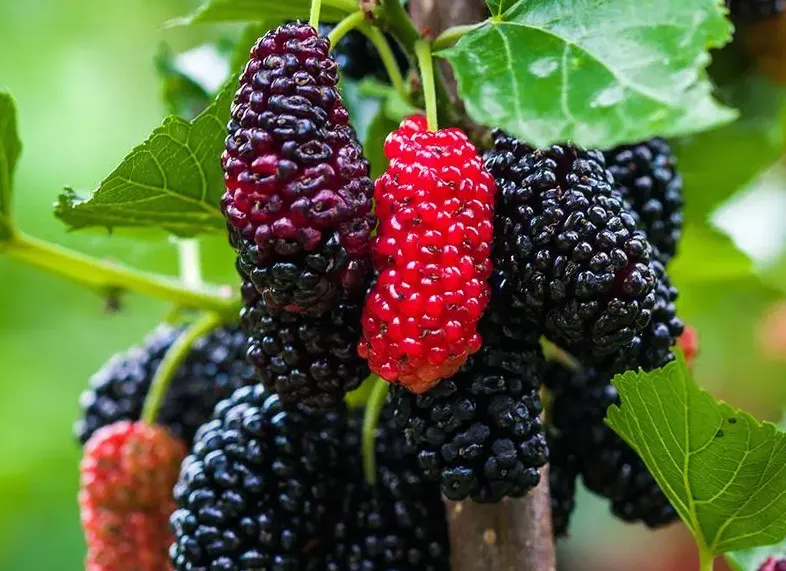
6.Black rice
Anthocyanin content: 325 mg/100 g
Anthocyanin content: 623 mg/100g
Tips: Black rice is also called "longevity rice". Because black rice has a tough seed coat, it has a thicker texture and is not easy to digest. It is most suitable for cooking porridge or making rice paste. The GI value of black rice is 55, which is a medium GI food. It is a good staple food choice for people with high blood sugar.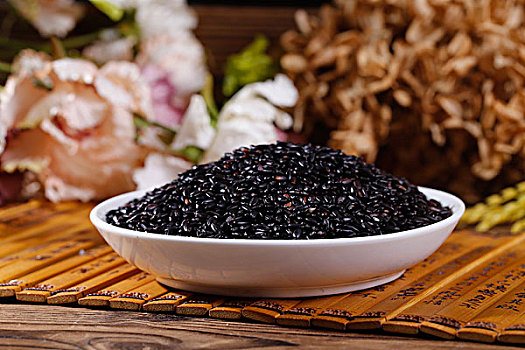
7. Purple cabbage
Anthocyanin content: 90.5~322 mg/100g
Anthocyanin content: 256.06 mg/100g
Tip: Purple cabbage is a vegetable belonging to the cruciferous family. Purple cabbage retains the best nutrients when eaten raw and can also play a better anti-inflammatory effect. It is recommended that eating some purple cabbage regularly can protect human health and be beneficial to the health of the skin. Common salad purple cabbage.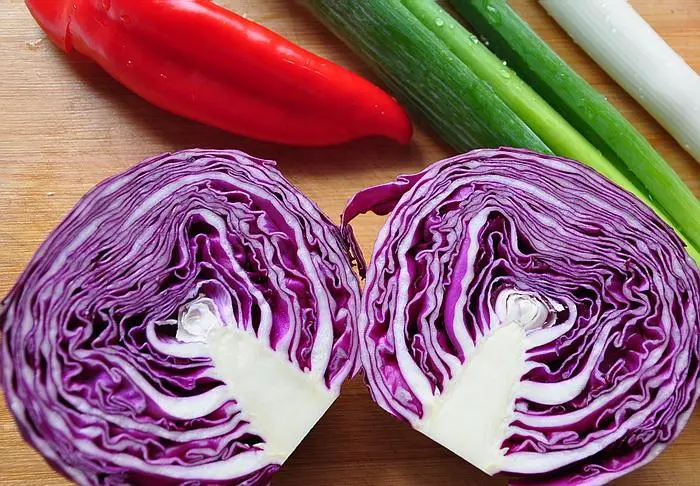
8. BlackBerry
Anthocyanin content: 114.4~241.5 mg/100g
Tips: Blackberry fruit is a berry made up of several small drupes. It is sour, sweet and refreshing. It is rich in dietary fiber, up to 5.3g/100g, and rich in fructose. It will be sweeter when eaten after refrigeration.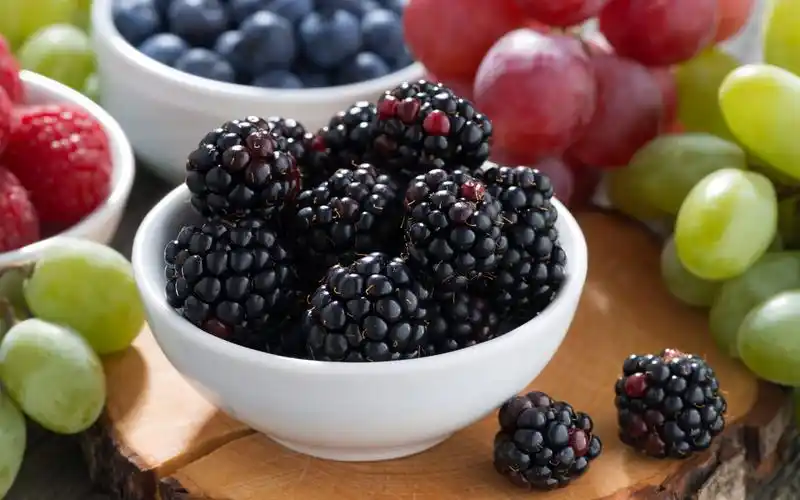
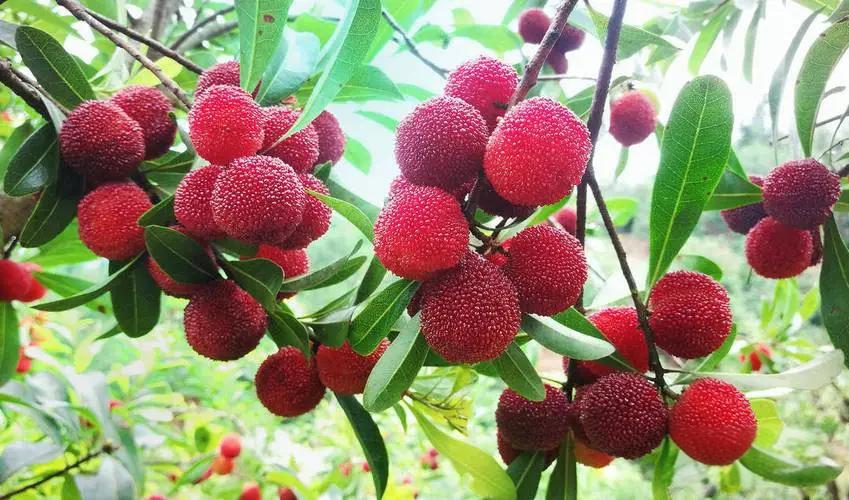
9. bayberry
Anthocyanin content: 94~227 mg/100g
Anthocyanin content: Purple bayberry is 147.5 mg/100g
Tips: According to the recommendations in the "Dietary Guidelines for Chinese Residents", it is best to control the daily intake of fruits between 200 and 350 grams. The edible part of 6 slightly larger bayberries is about 100 grams. If you eat bayberries all day long, , you can eat up to 20 pills.
10.Black grapes
Anthocyanin content: 121 mg/100g
Tip: Grape skins are generally richer in antioxidants than pulp, so it’s best not to spit out the skins when eating grapes. This sweet and sour fruit is also rich in fruit acid and multiple vitamins, which can whiten skin and reduce wrinkles and spots.