1. Green tea
Rich in antioxidants, such as catechins and tea polyphenols, which can lower cholesterol levels and prevent arteriosclerosis.
Helps reduce anxiety and stress, because the theanine component in green tea can promote brain relaxation and relaxation.
2. Black tea
The antioxidants in black tea are beneficial to cardiovascular health.
Contains caffeine, which can refresh your mind and improve work efficiency.
Black tea is fermented and roasted, which is less irritating to the stomach. Not only does black tea not hurt your stomach, it can actually nourish your stomach.
3. Soy milk
Contains rich plant protein, which helps to strengthen the body.
Contains a large amount of fiber, which can prevent diabetes.
The stigmasterol, potassium, and magnesium contained in it help prevent and treat high blood pressure and coronary heart disease.
It is rich in minerals and can supplement nutrition.
Promote digestion and relieve constipation.
Increase appetite and provide energy.
5.Milk
Fresh milk is mainly a complex latex composed of water, fat, protein, lactose, minerals, vitamins, etc., of which the water content accounts for 86%~90%, so its nutrient content is relatively low compared with other foods. The average specific gravity of cow's milk is 1.032, and the specific gravity is related to the content of solid matter in the milk. Except for the relatively large fluctuation of fat content, the other components of milk are basically stable, so the specific gravity can be used as a simple indicator to evaluate the quality of fresh milk. The protein content in cow's milk is 2.8%~3.3%, the milk fat is about 2.8%~4.0%, the lactoferrin content is 20~200ug/mL, the mineral content is about 0.7%~0.75%, and the milk carbohydrates are mainly lactose, and the lactose content of cow's milk is about 3.4%~5.4%. Milk and its products are one of the important sources of protein, calcium, phosphorus, vitamin A, vitamin D and vitamin B2 in the diet, and can provide a considerable amount of riboflavin, vitamin B12, vitamin A, vitamin B6 and pantothenic acid.6. Coconut water
Coconut water mainly comes from the tender fruit of coconut, also known as green coconut. Studies on coconut water by some coconut research institutions in India and other countries have shown that coconut water is rich in nutrients. The content of arginine, alanine, cystine and serine in coconut water protein is higher than that in milk. There are more than 17 kinds of free amino acids, including VC and VB, such as niacin, pantothenic acid, folic acid, VH, VB1, VB2, etc. In addition, the minerals in coconut water include Na, Ca, Fe, Mg, Cu, S, P, Cl and other elements; several active substances that can make the mature cells of higher plants divide rapidly and irregularly to stimulate plant growth, two of which have been identified as 1,3-diphenylurea and indolehexylarabinose. Among the mineral elements contained in coconut water, K+ and Fe2+ have the highest content. The color of natural coconut water is basically close to transparent, in the form of water. It is rich in various amino acids, vitamins and minerals and is a natural pollution-free drink.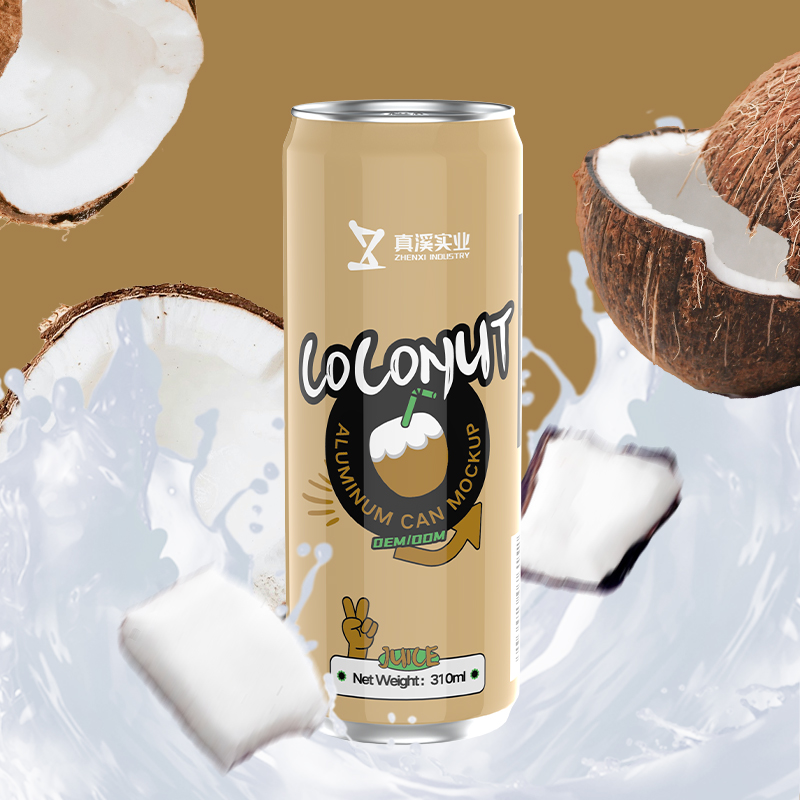
7. Juice (freshly squeezed)
Replace fresh fruit with freshly squeezed juice. Freshly squeezed juice is indeed nutritious. After entering the human digestive system, it will make the blood alkaline and excrete toxins accumulated in cells, such as heavy metals such as lead, aluminum, mercury and free radicals, so it has the function of detoxification and purification of the body.Juice has the functions of promoting digestion, increasing appetite, whitening skin, and bodybuilding and weight loss. For patients, the elderly and infants, their gastrointestinal function is weak, gastrointestinal motility is slow, there are fewer lactic acid bacteria in the intestines, and food residues in the gastrointestinal tract are difficult to digest. If adults cannot ensure a reasonable diet, it is very suitable to supplement the lack of nutrients in the diet by drinking juice. In fact, it is recommended to eat the pomace together with freshly squeezed juice. The nutrients such as sugar, fat, trace elements obtained by the human body contained in freshly squeezed juice are similar to those obtained by eating fresh fruits.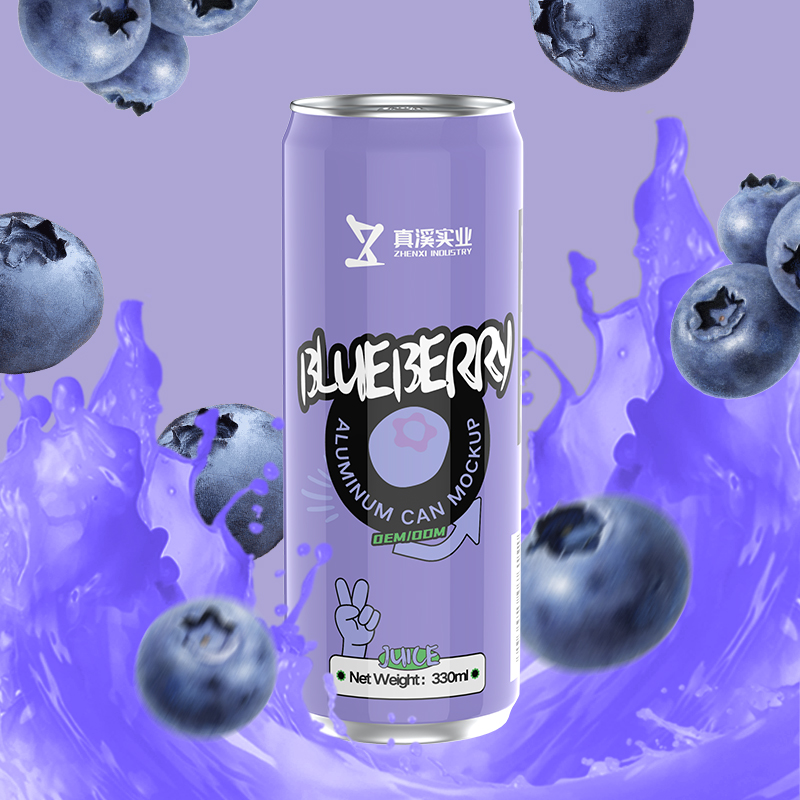
8. Yogurt
Yogurt is made by fermenting fresh milk and is rich in protein, calcium and vitamins. The vitamin B in yogurt can improve the body's ability to resist radiation damage. The highly active inorganic mineral trace element zinc and certain derivatives of vitamin A and vitamin E in yogurt help transform and excrete certain toxic substances in the body, reduce irritation to acne, and relieve acne symptoms. Yogurt can not only promote digestion, but also regulate the intestines. After lactic acid fermentation, the particles of protein, peptides, amino acids, etc. in yogurt become tiny, and the content of free tyrosine is greatly increased, which is conducive to absorption, better for the stomach and intestines, and can help digestion. Especially for those who cannot enjoy milk due to lactose intolerance, yogurt can be a good choice.9. Kombucha
Kombucha, also known as tea fungus or mushroom tea, is a sweet carbonated beverage. It is made by adding bacteria and yeast to sugar and tea, and then fermenting the mixture. From the perspective of probiotics, kombucha contains acetic acid bacteria, yeast and lactic acid bacteria, which is indeed better than black tea water. However, it is difficult to determine the content and strain types of various bacteria in different kombucha teas, and whether they can play a role in the intestines and to what extent are still unknown. Some laboratory studies have found that kombucha has a certain antibacterial effect on Escherichia coli and Staphylococcus aureus. Some studies have also found that kombucha can indeed reduce oxidative stress and inflammatory reactions, regulate intestinal flora, and help reduce intestinal flora imbalance and control obesity caused by it, but most of them are animal experiments. Whether it can play a similar role in human intestinal flora is still lacking sufficient research results.10. Vegetable juice
Toxic substances in the human body mainly come from two sources: one is pollutants in the atmosphere and water sources, which invade the human body through breathing and eating, and heavy metals such as lead, aluminum, and mercury are its representatives; the other is the waste after food is metabolized in the body, such as free radicals, indoles, hydrogen sulfide, etc. Fresh vegetable juice can often remove toxins and waste accumulated in the body. Vegetable juice is juice squeezed from various vegetables. In addition to being made into delicious dishes, vegetables, fruits and melons can also be made into fruit and vegetable juice drinks rich in antioxidants. Because fresh fruit and vegetable juice can effectively supplement the human body with vitamins and mineral nutrients such as calcium, phosphorus, potassium, and magnesium, it can adjust the coordination of human functions, enhance cell vitality and gastrointestinal function, promote the secretion of digestive juice, and eliminate fatigue.Please note that although these drinks have health benefits, they should be consumed in moderation and in conjunction with a balanced diet and lifestyle.


