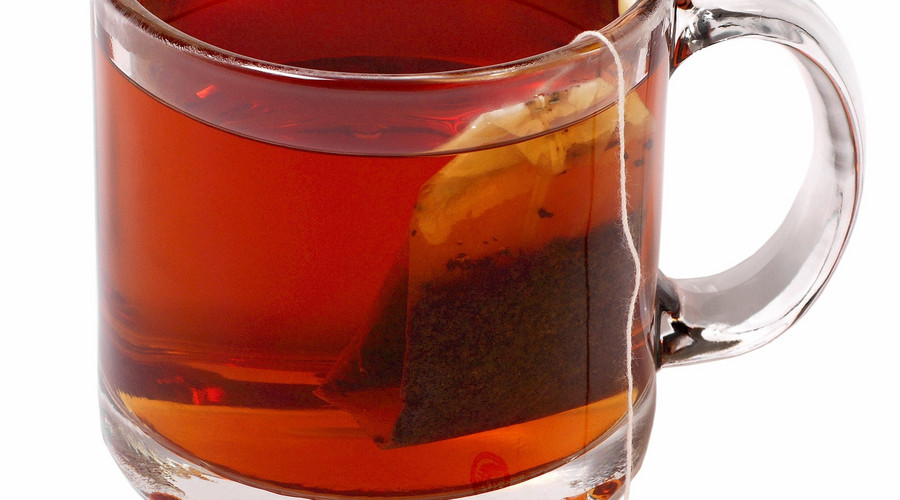
As the name suggests, strong tea is tea with a high tea concentration. Because there are more tea leaves, the color is darker than light tea. It does not look clear to the naked eye and looks very turbid. After the tea is cooled, there will be a layer of tea oil floating on the surface of the tea. The taste also loses the fragrance of tea and tastes bitter. Common Tieguanyin, Oolong tea, and black tea are all strong teas.
Pay attention to drinking strong tea: Do not drink strong tea at night, which can easily cause insomnia, because tea polyphenols have an excitatory effect, and people with cardiovascular diseases should be more careful not to drink strong tea. People with empty stomachs, gastric ulcers, and weak spleen and stomach should not drink strong tea, which can easily cause stomach discomfort and even aggravate the original symptoms. Therefore, people should try to avoid drinking strong tea. You can drink some strong tea in moderation to relieve greasiness after eating meat. Drinking strong tea after a meal can help digestion and remove greasiness. In addition, for people with oral inflammation and sore throat, drinking strong tea has anti-inflammatory and bactericidal effects.
Light tea nourishes people, while strong tea hurts the body. Everyone knows this truth, just like smoking is harmful to health. Everyone knows this, but some people still smoke. It is easier said than done. There are many people who like to drink strong tea in life, especially the elderly who have been drinking tea for some years. Why is this?
Taste degeneration: The American "Life Science" website reported that taste changes with age. Scientific research shows that the number of taste buds will continue to decrease during human growth. Babies have 10,000 taste buds, while adults have only more than 5,000. At the age of 70, they have only one-third of their taste buds as babies, and at the age of 80, they have only one-fifth of their taste buds. Therefore, for the same cup of tea, children find it bitter, young people find it fresh and sweet, but the elderly may find it bland and tasteless. In the final analysis, the elderly have a stronger ability to accept it.
Drinking more tea: In the past 10 years, China's annual average consumption of tea has increased year by year, with an increase of 5~8%. At the end of 2014, the domestic sales volume of tea in China reached 1.6 million tons, and it is expected to reach 1.72 million tons at the end of 2015. Although our per capita consumption is still much lower than that of major tea-consuming countries such as Turkey and the United Kingdom, objectively speaking, Chinese people are drinking more and more tea. Drinking more, getting used to it, and having a stronger taste adaptability.
Taste life: Life is like tea, and the feeling is different at each stage. It tastes bitter at first, and then sweet, leaving a lingering fragrance on the lips and teeth. When you first start drinking tea, you are still young and don’t know how to taste it. You only know bitterness and love light tea. When you can taste tea, you are already an elder. You drink tea, and you taste life. The strength or weakness of the taste of tea is the accumulation of life and an experience.
Personal habits: Drinking tea is an enjoyment and a habit. People who drink tea every day go through a process from the beginning to liking tea more and more. After forming a habit, it is uncomfortable not to drink it. After drinking tea for a long time and drinking more, I get used to the taste of tea, and my taste adaptability becomes stronger. It is not easy to be satisfied with a cup of light tea. From light tea to strong tea, it is the tempering of time.
People who like strong tea often like the rich and layered taste and flavor of strong tea. But in fact, light tea is the most nourishing when it is warm. If you blindly pursue the strong taste of tea, there are many disadvantages. Everything has two sides, and tea is no exception. Strong tea has both disadvantages and advantages. The important thing is to drink tea scientifically and reasonably. Under normal circumstances, it is recommended to drink less strong tea to avoid damaging your health.
Generally speaking, it is better to drink light tea, because the caffeine content in strong tea is relatively high. If you drink strong tea frequently, caffeine may accumulate in large quantities, which will have a strong excitatory effect on the brain, which is not conducive to rest at night, and severe cases may lead to insomnia. Pay attention to the concentration when drinking tea, which is directly related to physical health.
Stomach
Drinking strong tea will dilute gastric juice, reduce the concentration of gastric juice, and make it unable to digest food normally, resulting in indigestion, abdominal distension, abdominal pain and other symptoms. Poor stomach function may even cause duodenal ulcers.
Heart and kidney
Symptoms such as palpitations, chest tightness, frequent urination, urgency, and dizziness may occur. Because the caffeine in strong tea can speed up the human heartbeat, thereby increasing blood pressure; thereby increasing the burden on the heart and kidneys.
Fracture
In 1991, Brown University in the United States and Boston University jointly studied and discovered a new problem with caffeine in strong tea, that is, strong tea greatly increases the possibility of fractures in the elderly. Specific research results show that people who drink 5 cups of strong tea a day have a risk of pelvic fractures that is about 70% higher than those who drink light tea or no tea, and even more than 80%. In other words, the higher the concentration of tea consumed by the elderly, the greater the possibility of fractures they face.
Neurasthenia
Having the habit of drinking strong tea before lunch break or before sleep can lead to insomnia and affect sleep quality. Tea contains caffeine and theophylline, which can stimulate the central nervous system and make people excited, which may lead to insomnia or decreased sleep quality, and over time may cause neurasthenia.
Constipation
Because the tannic acid in tea can combine with the protein in food to form a blocky, difficult to digest and absorb tannic acid protein, it affects the peristalsis of the gastrointestinal tract and the absorption of nutrients, which may cause symptoms such as indigestion and abdominal distension. This leads to constipation. If not corrected in time, it may even increase the risk of toxic substances and carcinogens being absorbed by the human body.
Cardiovascular
Some people mistakenly believe that drinking strong tea after drinking too much alcohol can sober up. This is not the case. Alcohol and strong tea both have the effect of stimulating the heart. Drinking strong tea after drinking alcohol will increase the burden on the heart and cardiovascular system. If the heart function is not good or even heart disease, the consequences are unimaginable. Therefore, drinking strong tea after drinking alcohol not only cannot sober up, but is harmful to the body.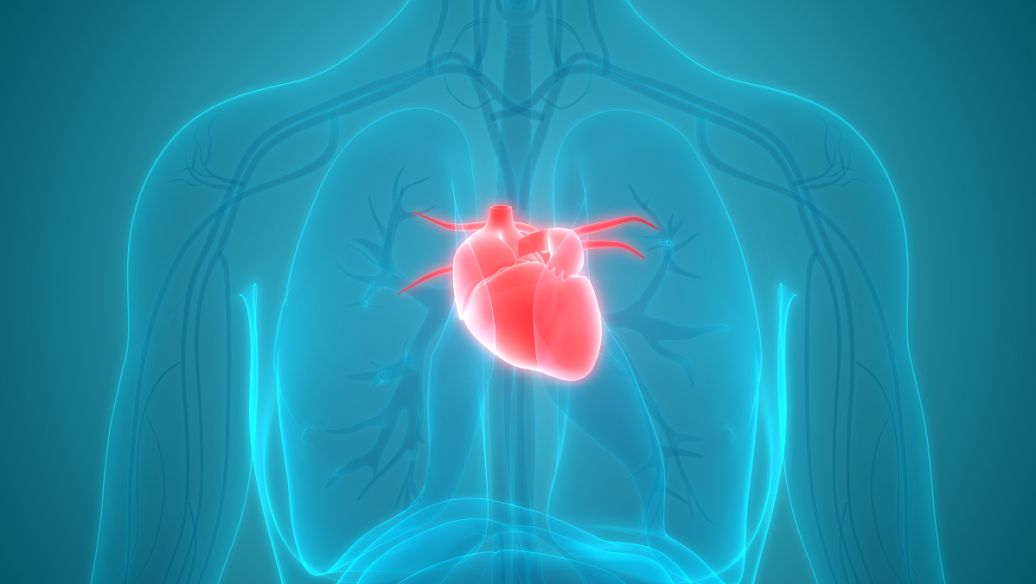
Anemia
The tannic acid in tea combines with iron, which hinders and affects the body's absorption of iron. It may cause iron deficiency anemia.
People with heart disease, high blood pressure, stomach disease, constipation, insomnia, neurasthenia, hyperthyroidism, and iron deficiency anemia, drinking strong tea is like "adding ice to the snow", which will cause gastrointestinal discomfort.
Women who are breastfeeding should not drink strong tea, because the polyphenols in tea have astringent effect on breast milk and affect breast milk secretion.
Drinking a lot of strong tea will speed up the heartbeat, which can induce and aggravate the condition of patients with coronary heart disease with tachycardia.
Tips: Pay attention to the concentration of tea drinking, which has a direct relationship with physical health. In general, it is better to taste light tea, because drinking strong tea is harmful to health.


