Energy drinks have become a necessity in many people's lives. It is a quick and convenient way to enhance energy, attention and performance. But the development of energy drinks from its birth to the present is fascinating, characterized by innovation, consumer demand and growing health awareness.
When it comes to energy, we can't avoid the topic of carbohydrates and fats, especially sugar. In the period of material scarcity, sucrose was regarded as a "guest of honor" by European nobles. In the 16th century, Queen Elizabeth I was even proud of her "black teeth" (caries). The most beautiful love words were not "buy buy buy", but "add sugar as you like". Sugar was a symbol of noble identity and status.
If we go back more than a hundred years, it may be contrary to our cognition that the earliest prototype of energy drinks may actually be Coca-Cola. In 1900, Coca-Cola's slogan was: "Drink Coca-Cola, let headaches and fatigue disappear."
In 1927, Lucozade, invented and launched by British pharmacist Mr. Hunter, was considered the world's first generation of energy drinks. The main ingredient is glucose, which is a natural food for the brain and body. It can be quickly absorbed by cells and replenish energy quickly. Glucosamine was originally used to deal with common diseases such as colds or flu. Later, it was promoted as a health drink and became a household name in the UK with the slogan "Glucosamine - Help you recover".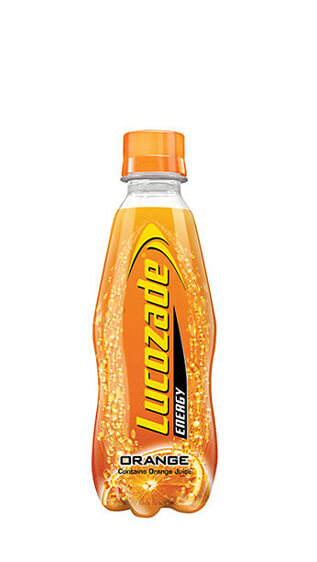
In 1962, Japanese law banned the use of amphetamine, resulting in a gap in the stimulant market. At this time, Taisho Pharmaceutical Co., Ltd. launched Lipovitan D, which is rich in caffeine, taurine and vitamins, and successfully occupied the stimulant market. Lipovitan D targets groups such as Japanese businessmen and corporate executives. A businessman wearing a suit and tie, shouting "Can you fight 24 hours a day? Businessmen, businessmen, Japanese businessmen!" was a typical image in its advertisements at the time.
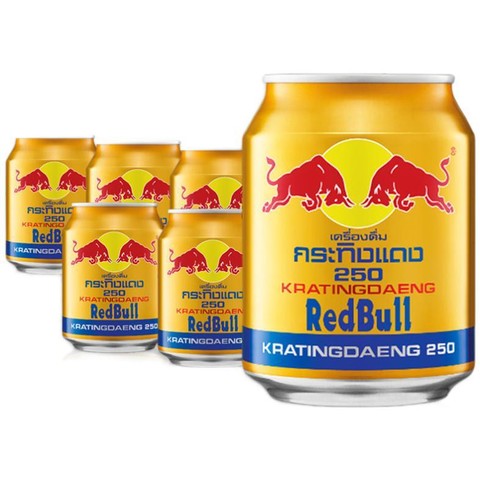
With the success of Japan's Lipovitan D, energy drinks have also become popular in Southeast Asian countries. Based on the formula of Lipovitan D, Thai Red Bull has been widely welcomed by Thai truck drivers, construction workers and farmers since its launch. The person who really made energy drinks a global new category was Austrian marketing wizard Dietrich Mateschitz. When he visited Thailand in 1982, drinking Red Bull energy drink helped him solve the problem of jet lag, which aroused his curiosity. After obtaining permission from Red Bull Thailand, he studied new formulas for the European market between 1984 and 1987, and the carbonated version of Red Bull in Europe and the United States was launched. Since then, energy drinks have become popular in the world market, and Red Bull has established its dominance in energy drinks.
According to the new definition given by UNESDA (European Beverage Association), "energy drinks are functional beverages that enhance human vitality, and their characteristic ingredients include caffeine, taurine, vitamins and other beverages with nutritional or physiological effects."
From this quietly changed definition, it is not difficult to find that sugar is no longer a necessary ingredient, and the primary ingredient is caffeine, which helps the human body "refresh". For today's consumers with enhanced health awareness, the traditional "golden energy partner" of sucrose + caffeine can no longer meet the health needs of contemporary consumers.
The essence of energy drinks is actually caffeine that can "refresh the mind and concentrate energy", rather than sucrose that provides "energy". The Chinese Dietary Guidelines recommend a daily sucrose intake of ≤ 50g, preferably below 25g. However, the sugar content of a 250ml can of energy drink on the market has exceeded 30g, that is, if you drink a can of energy drink every day, the sucrose intake on that day is almost exceeded.
In response to problems such as obesity, diabetes, heart disease, and tooth decay caused by sucrose, Thailand, the United Kingdom, France and other countries have begun to impose sugar taxes, forcing beverage companies to reduce sugar and provide healthier drinks for the public. In 2019, my country's National Health Commission proposed the slogan of "Three Reductions and Three Healths", calling on the public to reduce salt, oil, and sugar. An Ipsos survey found that 89% of Chinese respondents agreed that excessive sugar intake is unhealthy for the body, 85% agreed that sugar can induce and cause obesity, and 55% of respondents claimed that they have reduced their sugar intake compared to 2020.
However, reducing sugar is not that simple. Nearly 75% of respondents believe that without sugar, many foods will become less delicious and life will be less fun. Correspondingly, another data shows that 73% of respondents believe that sugar substitutes are healthier than sugar. This fully shows that today's consumers are well aware of the health risks of sugar, but still cannot give up the spiritual pleasure brought by sugar. So how to perfectly improve sugar-free products is the top priority to cater to the trend of reducing sugar in energy drinks.
Both tea and coffee contain caffeine, which is inseparable from our daily lives. Caffeine is the core ingredient of popular functional drinks to refresh the mind. It should be unquestionable to add it to beverages under the premise of complying with regulations. However, regulatory authorities cannot control the amount of consumption by consumers. Therefore, the controversy over the health risks of caffeine is mainly reflected in whether it is "excessive" drinking. Excessive caffeine can cause discomfort symptoms such as palpitations, high blood pressure, central nervous system stimulation, nausea, vomiting, etc. Therefore, the EU requires that beverages characterized by "high caffeine content" (proportion exceeding 150 mg/l) should be clearly labeled with the words "high caffeine content" to remind consumers of potential health risks. In particular, in Italy, if the caffeine content exceeds 32 mg/100ml, warning claims such as "high caffeine content" and "not recommended for children, pregnant women or people sensitive to caffeine" must be marked.


