Since 2006, the second Thursday of March each year has been designated as World Kidney Day, with the aim of raising awareness of chronic kidney disease and related cardiovascular diseases and mortality, and paying attention to the urgent global need for early detection and prevention of chronic kidney disease.
Staying Up Late:A "Survey on Staying Up Late" showed that more than 50% of netizens said they often or always fall asleep after midnight, and 18.18% of people usually go to bed after 1 a.m. "Staying up the longest night, applying the most expensive mask" and "burning liver" expose the public's lack of understanding of staying up late. Staying up late will not only cause poor spirits during the day, dark circles, poor skin color and elasticity, but also have a huge impact on the kidneys. Studies have shown that staying up late can rapidly reduce the glomerular filtration rate, increase the incidence of proteinuria, and significantly increase the risk of kidney disease! Staying up late for a long time will lead to immune and endocrine disorders, affect metabolism and blood circulation, make the kidney inflammation reaction unable to be effectively controlled, and the metabolic waste in the blood will increase relatively, which will accelerate kidney damage and cause the disease to progress faster.
Don’t like to drink water, drink beverages as water:Drinking too little water will increase the concentration of waste in urine, increase the workload of the kidneys, and the toxins and waste in the body cannot be discharged in time, which is easy to cause urinary tract infection, kidney stones, and hydronephrosis. We often say "drink more water", and many young people's "water" is composed of milk tea + beverages. Little do they know that the pigments and additives in milk tea and beverages can directly damage the kidneys. Excessive intake of sugary drinks can easily induce high blood sugar, high blood pressure, and high uric acid, increasing the risk of kidney disease.
Eating too salty:As the saying goes: sour, sweet, bitter, spicy and salty, the kidneys are most afraid of salt. Long-term high-salt diet can cause water and sodium retention and high blood pressure, causing the glomeruli to be in a "three high" state of high pressure, high perfusion and high filtration, increasing the burden on the kidneys.
Overeating and obesity:The food that the human body consumes will eventually produce waste: uric acid and urea nitrogen. Most of these wastes are excreted through the kidneys. The more you consume, the more waste is produced, which makes the kidneys in a state of "overload" for a long time and increases the burden on the kidneys. Uncontrolled overeating will cause the human body to consume too much sweet and greasy food, and will also cause obesity. Obesity can cause changes in renal hemodynamics, leading to high glomerular filtration and high perfusion, thereby causing kidney damage. Studies have shown that people with morbid obesity are 2 to 7 times more likely to develop chronic kidney disease than ordinary people.
Drug abuse:As the saying goes, "drugs are three-point poisons." As the most important metabolic and excretion organ of drugs, the probability of kidneys being damaged by drugs is greatly increased. Surveys and studies have shown that 20%-34% of patients with acute renal failure are related to the use of nephrotoxic drugs. In life, when using antibiotics, antipyretic analgesics, and special Chinese medicines (such as plant-based Chinese medicines such as Guanmutong and Zhushalian; animal-based Chinese medicines such as centipedes; compound Chinese patent medicines such as Longdan Xiegan Pills, Ganlu Xiaodu Pills, and Fufang Shedan Chuanbei Powder), you need to strictly follow the doctor's instructions and use the medicine with caution. The use of iodine contrast agents may also cause kidney damage. Before preparing for enhanced CT and angiography examinations, you must inform your doctor of your medical history and fully assess the risk of contrast-induced nephropathy.
Excessive drinking:First, alcohol will increase protein metabolites and increase the burden on the kidneys. Moreover, alcohol is metabolized by the liver, which requires a lot of water during metabolism. The body is dehydrated, resulting in ischemia and insufficient perfusion of the kidneys, causing kidney damage. Excessive drinking causes the human body to produce many harmful byproducts, such as free radicals, which cause oxidative stress damage to the kidneys. Drinking alcohol in patients with high uric acid can also induce gout, leading to decreased renal function and chronic renal failure.
Frequent urine holding:Some people hold urine for a long time due to busy work. If urine is held in the bladder for too long and cannot be discharged in time, bacteria will multiply. Bacteria will flow back to the kidneys through the urethra and bladder to the ureter, which can easily lead to urethritis, cystitis, pyelonephritis, etc.
Smoking:Tobacco contains harmful substances such as nicotine, acrolein, carbon monoxide, etc., which can diffuse into capillaries with breathing, enter the blood circulation, flow through the kidneys, and filter through the glomeruli. Over time, it will lead to damage, hyperplasia, and stenosis of the vascular endothelium, leading to a series of complications, such as hypertension, vascular sclerosis, and secondary kidney damage. Recent studies have shown that smoking can also cause proteinuria, cause and aggravate kidney damage, especially for patients with existing kidney disease. Smoking has harm that cannot be ignored and can significantly aggravate the original kidney disease.
Don’t like to exercise, but suddenly do strenuous exercise.:If you don’t like to exercise, but suddenly do strenuous exercise or exercise too much, you may experience muscle pain, tenderness, swelling, muscle weakness and other symptoms of rhabdomyolysis. When muscle cells are severely damaged and muscle fibers dissolve, myoglobin may block the renal tubules, causing acute kidney injury, oliguria, anuria and other manifestations of azotemia.
Frequent infection.:Frequent and repeated infections, such as colds, tonsillitis, gastroenteritis, etc., may induce and aggravate kidney disease. Many patients have a history of severe infection in a short period of time before the onset of the disease or before the aggravation of kidney disease.
01. Yam
Yam, sweet in taste, warm and neutral in nature, belongs to the spleen, lung and kidney meridians; it has the functions of strengthening the spleen and lungs, benefiting the stomach and kidneys, strengthening the kidneys and benefiting the essence, improving hearing and eyesight, helping the five internal organs, strengthening the tendons and bones, improving will and calming the mind, and prolonging life; patients with spleen deficiency diarrhea, lung deficiency cough, kidney deficiency nocturnal emission, thirst, frequent urination, leucorrhea in women, and chronic enteritis with indigestion should eat more.
Dietary taboos:
Yam is often combined with wolfberry, mulberry, etc. to make yam tea, which can nourish the kidneys and strengthen the body and enhance immunity. Yam is suitable for people with abdominal distension, weak spleen and stomach, chronic nephritis, and long-term diarrhea. Diabetic patients should not eat too much yam at one time. If the amount consumed is large, the amount of staple food should be appropriately reduced.
02. Black beans
Black beans, sweet in taste, neutral, slightly cold, non-toxic, belong to the spleen and kidney meridians. According to Chinese medicine, beans are the valley of the kidney, black belongs to water, and water flows to the kidney; they have the effects of nourishing the kidney and yin, strengthening the spleen and removing dampness, promoting blood circulation and removing wind, clearing away heat and detoxification, nourishing yin and blood, and nourishing the body and blackening hair; people with edema and kidney deficiency should eat more.
Dietary taboos:
Black beans are suitable for people with spleen deficiency edema, kidney deficiency deafness, low back pain, sore waist and knees, frequent leucorrhea, and nocturnal enuresis in children. There are many ways to eat black beans. It is recommended that black beans should be made into black bean milk for drinking. Black beans should not be eaten at the same time as honey, brown sugar, and eggs. In addition, beans contain high purine, which will cause uric acid metabolism disorders, so gout patients should not eat too much black beans.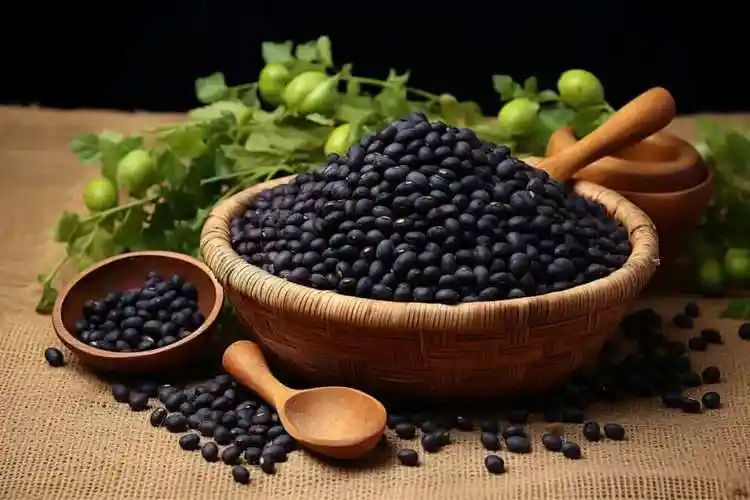
03. Leek
Dietary taboos:
Leeks are suitable for patients with spleen and kidney yang deficiency, which can play the role of nourishing the kidney and warming yang, strengthening the stomach and promoting qi, and aiding digestion.
"Compendium of Materia Medica" also records: "Eating too much leek will make you dizzy and dark-eyed, especially after drinking." Leeks have a lot of crude fiber and are not easy to digest and absorb, so you should not eat too much at one time. It is best to control it to 100~200g per meal, not more than 400g. Leeks are hot in nature, and eating too much will "get angry". People with symptoms of yin deficiency and internal heat such as hyperactivity of yang, mouth sores, dry throat and sore throat, hot hands and feet, night sweats, and eye diseases should not eat it.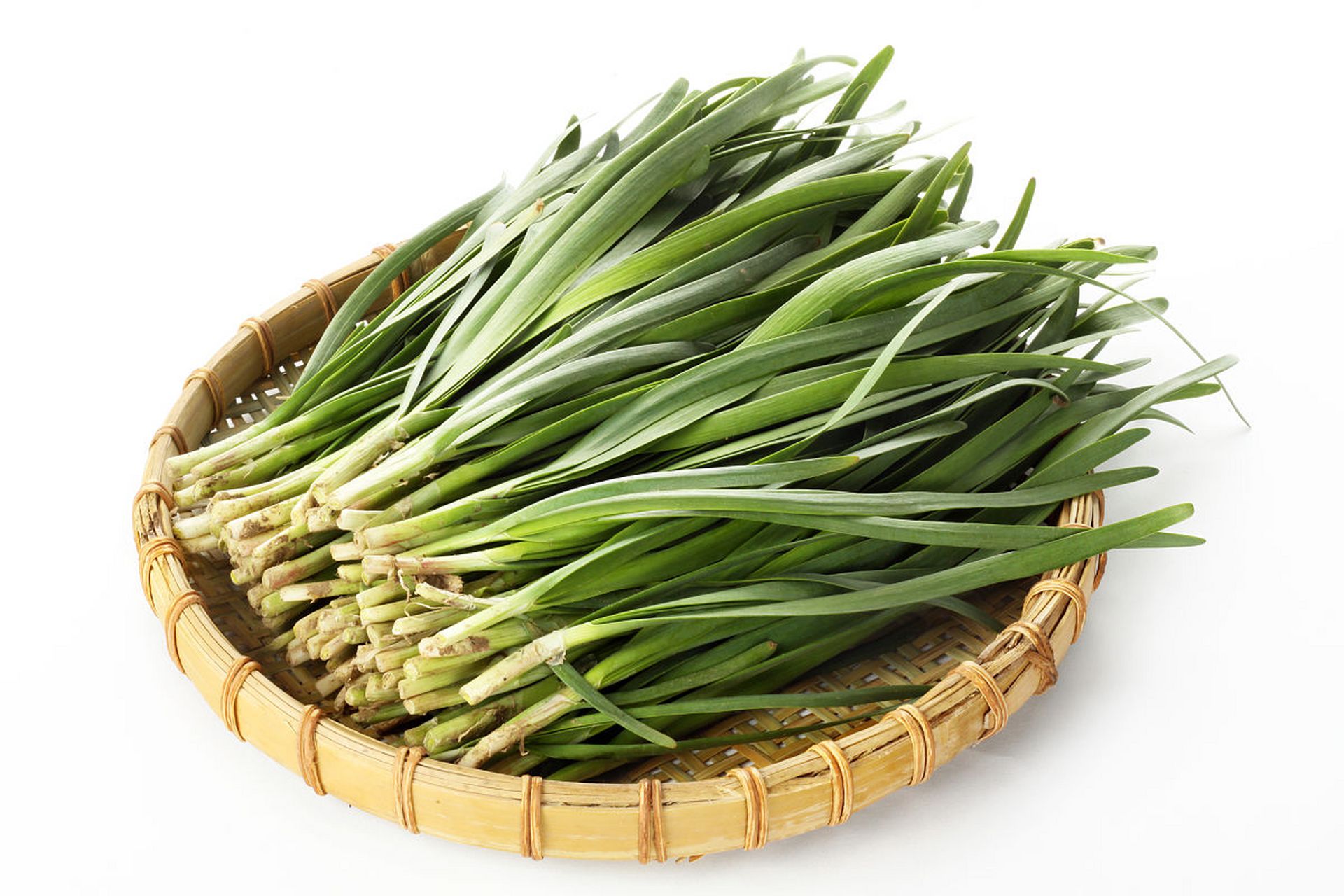
04. Black Fungus
Black fungus, sweet in taste, neutral in nature, enters the stomach and large intestine meridians; it has the effects of cooling blood and activating blood circulation, replenishing qi and nourishing blood, nourishing the kidney and strengthening the body, moistening the lungs, moistening the intestines, and moistening dryness; people with diarrhea, metrorrhagia, hematuria, gum pain, rectal prolapse, and bloody stools caused by qi deficiency or blood heat should eat more.
Dietary precautions:
Black fungus is a good food for patients with renal anemia, kidney stones, and weak kidneys. It is suitable for patients with sore waist and legs, numbness of limbs, anemia, hypertension, coronary heart disease, cerebral thrombosis, etc. It is best to change the water two or three times when soaking dried black fungus to remove harmful substances to the maximum extent. Black fungus also has the effect of promoting blood circulation and anticoagulation. It is not suitable for people with various bleeding diseases such as hemorrhoid bleeding, bloody diarrhea, bloody urine, metrorrhagia, menorrhagia, fundus hemorrhage, and patients with pulmonary tuberculosis, coughing and hemoptysis. Fungus is rich in dietary fiber, so people with diarrhea, poor digestive function, and spleen and stomach deficiency should be cautious when taking it.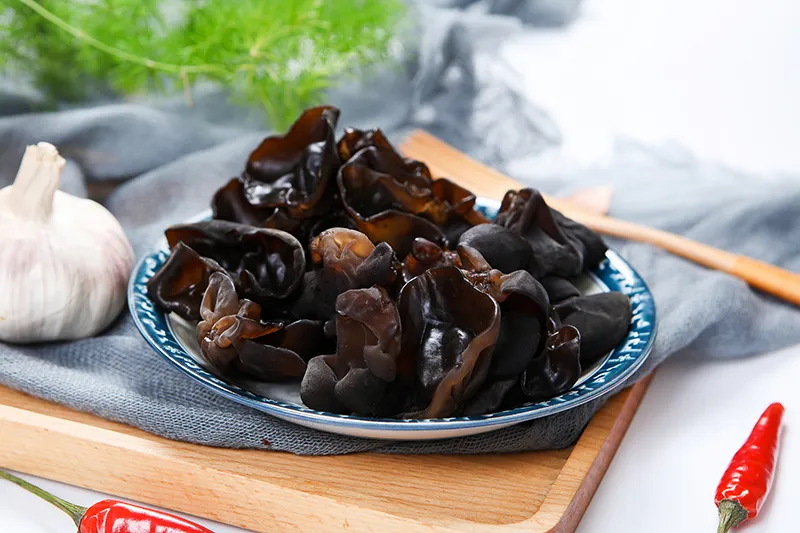
05. Mulberry
Mulberry tastes sweet and sour, is cold in nature, and enters the heart, liver, and kidney meridians. It is a good fruit for nourishing and strengthening, nourishing the heart and improving intelligence. It has the effects of nourishing yin and blood, nourishing the liver and kidney, and promoting fluid and moistening the intestines. It is mainly used to treat deficiency of essence and blood, premature graying of hair, hair loss, dizziness, tinnitus and deafness, insomnia and dreaminess, fatigue and forgetfulness, thirst due to fluid loss, thirst, dry intestine and constipation, etc. It is suitable for people with insufficient liver and kidney yin and blood, gray hair in youth, weak body after illness, and habitual constipation.
Dietary taboos:
Mulberries are the best for fresh consumption, purple and black, followed by red, and green ones are not suitable for consumption. Mulberry juice is suitable for adults in general, especially for those with insufficient liver and kidney yin and blood, dizziness, night sweats, thirst due to fluid loss, dry intestine and constipation, gray hair in youth, weak body after illness, weak body, and excessive eye use. Because mulberries have the power to nourish yin, produce fluid and moisten the intestines, people with weak spleen and stomach and loose stools should be careful when eating them. Mulberries contain tannic acid, which will affect the body's absorption of iron, calcium, zinc and other substances, so children should not eat them in large quantities. Because mulberries have a high sugar content, diabetic patients should not eat too much.
06. Black sesame
Black sesame, sweet in taste, neutral in nature, belongs to the liver, kidney and large intestine meridians; it has the effects of nourishing the liver and kidney, nourishing blood and essence, moisturizing the intestines and relieving constipation, can soften the skin, moisturize the skin and make the hair black and shiny; people with dizziness, premature graying of hair, hair loss after illness, tinnitus and deafness, dry intestines and constipation should eat more.
Dietary taboos:
Black sesame is especially suitable for people with dizziness, blurred vision, backache, weak legs, tinnitus, deafness, dry and falling hair, and premature graying of hair. It is also suitable for people with insufficient milk after childbirth, physical weakness, anemia, hyperlipidemia, hypertension, diabetes, elderly asthma, tuberculosis, urticaria, habitual constipation, thrombocytopenic purpura, and hemorrhoids. Black sesame should be fried and made into sesame paste, but it can occasionally cause diarrhea while moistening the intestines and relieving constipation. People with weak spleen and loose stools should not eat it.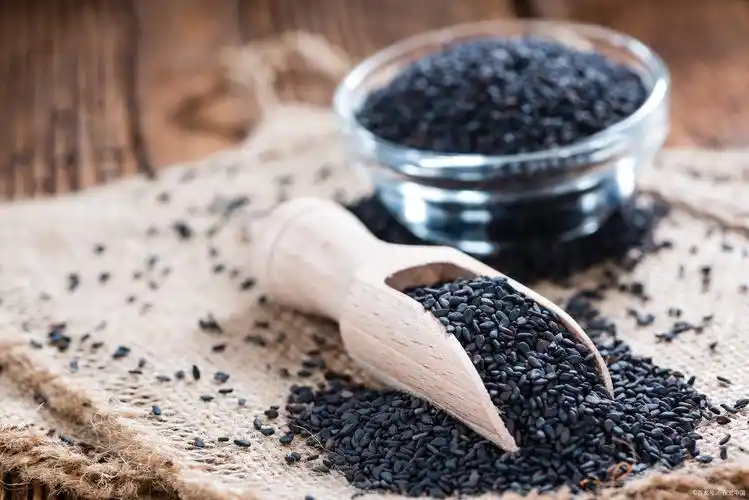
07. Walnut kernels
Dietary taboos:
Walnut kernels can be chewed raw, cooked, or boiled in soup, etc. The nutrients in raw food will not be lost. The brown thin skin on the surface of walnut kernels also contains good nutrients. It is best not to remove it when eating. Walnut kernels have a laxative effect and can be made into walnut milk for drinking, but boiling walnut shells in water can treat diarrhea.
Walnut kernels are easy to get angry when eaten. They contain more fat. Eating too much will affect digestion and even cause diarrhea. Therefore, people with phlegm and fire accumulation, yin deficiency and fire, vomiting blood, hemoptysis, nose bleeding and loose stools should eat less or eat with caution.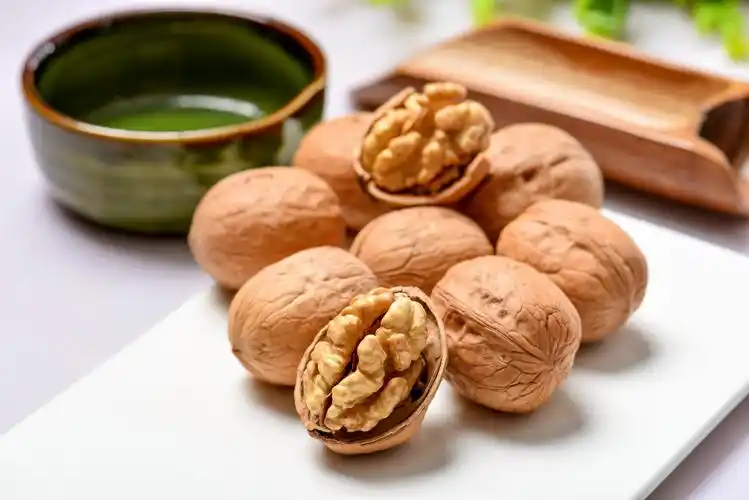
08. Gorgon Fruit
Gorgon fruit is sweet and neutral in nature. It enters the spleen, kidney and stomach meridians. It has the effects of nourishing the kidney and consolidating essence, nourishing and strengthening, replenishing the middle and replenishing qi, replenishing the spleen and stopping diarrhea, removing dampness and stopping leukorrhea, appetizing and digesting food, and helping qi and nourishing the essence. People with nocturnal emission, frequent urination, spleen deficiency and chronic diarrhea, and leukorrhea should eat more.
Dietary taboos:
Raw Gorgon fruit is mainly used to nourish the kidney, while fried Gorgon fruit is mainly used to strengthen the spleen and stimulate the appetite. It should be noted that eating too much raw Gorgon fruit will cause wind and cold air; eating too much cooked Gorgon fruit will not benefit the spleen and stomach and will be difficult to digest; eating too much for children will make them not grow. Whether Gorgon fruit is raw or cooked, do not eat too much at one time. Gorgon fruit is astringent and astringent. It is not suitable for people with difficulty in defecation and urination, indigestion, yin deficiency and hyperactivity of fire, hot palms, red urine, women after childbirth and infants.
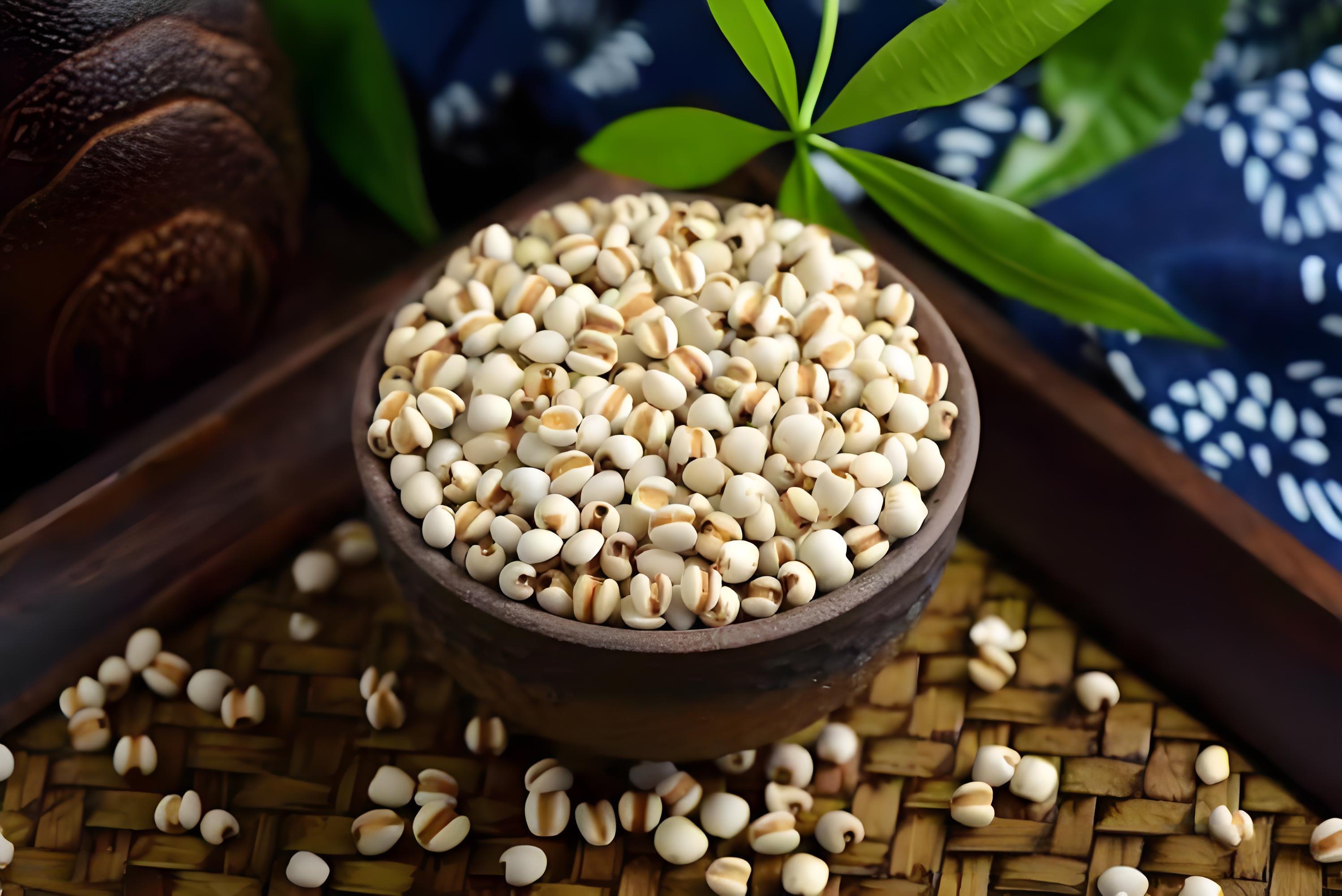
09. Coix seed
Coix seed is sweet and light in taste, slightly cold in nature, and enters the spleen, lung and kidney meridians; it has the effects of diuresis and swelling, spleen and dampness, muscle relaxation and numbness removal, heat clearing and pus removal.
Dietary taboos:
Raw coix seed is cold in nature, good at diuresis and dampness, heat clearing and pus removal, numbness removal and pain relief; fried coix seed is mild in nature, good at strengthening the spleen and stopping diarrhea. The general population can drink coix seed water, which has a good effect on acute and chronic nephritis edema. The correct prescription for skin water in renal edema is Fangji Fuling Decoction, and coix seed is one of the main medicines, which can enhance the function of moisture penetration. People with spleen deficiency without dampness, little sweat, insufficient body fluid, dry stool, spermatorrhea, frequent urination and pregnant women should be cautious when taking coix seed. Raw coix seed is cold in nature and is not suitable for long-term and large-scale consumption. Generally, it should not exceed one week. It is advisable to take it under the guidance of a Chinese medicine practitioner.
10. Sea cucumber
People with spleen deficiency, incomplete exogenous evil, cough and asthma, acute enteritis, bacillary dysentery and loose stool should not eat sea cucumber. Sea cucumber can nourish the kidney and blood, and its nutritional and therapeutic value is very high, but vinegar cannot be added in the preparation, because the acidic environment will change the spatial structure of the collagen of the sea cucumber, and the protein molecules will show different degrees of agglutination and contraction. In addition, sea cucumber should be avoided from being eaten with persimmons, which will affect the digestion and absorption of protein and cause abdominal pain and nausea.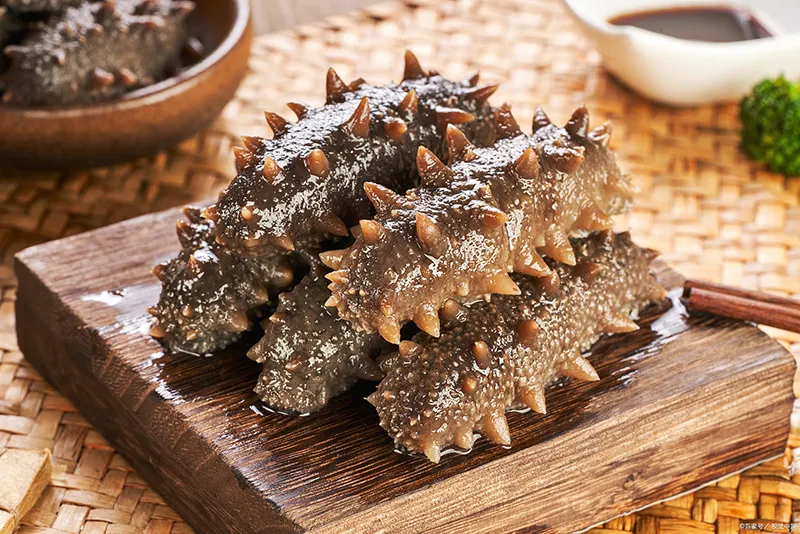
Through the joint efforts of medical workers all over the world, the understanding of the disease laws of chronic kidney disease has been greatly improved, and taking correct prevention and treatment measures can delay the progression of first and second stage chronic kidney disease. Therefore, strengthening publicity, early detection of common diseases that may cause various chronic kidney diseases among all residents through health examinations or disease censuses, and timely and effective treatment are the basic ways to reduce the incidence of chronic kidney disease and improve its prognosis. March 14, 2024 is the 19th World Kidney Day, with the theme of "Kidney Health for All: Promoting Medical Equality and Optimizing Medication Practices". It is hoped that by raising people's awareness of kidney disease, the purpose of delaying the progression of kidney disease can be achieved.