As the environment in the ever-changing world of the global beverages market continues to fluctuate, sustainability has come to represent an ecological imperative only very rarely. When considering the fiscal landscape in the coming years up to 2026, a new reality is being defined within the industry in the following manner: sustainability is no longer just the key to saving the environment; it is the only key to saving you from the ever-changing dynamics in the prices of materials used in packaging solutions – a situation in which energy costs fluctuate capriciously.
At ZhenXi, we see this change not as a problem, but as a planned chance for our partners. As a focused OEM/ODM supplier with more than 20 years of experience, 12 top production spots, and 55 full auto production lines, we have set ourselves at the forefront of this move. We do not just make drinks; we build steadiness into your supply line. Our making steps follow ISO9001, ISO14001, and ISO22000 rules closely, making sure every part, from base item buying to the last canning, sticks to the toughest world standards. By using our strong skills in beverage contract manufacturing services, we aid labels to handle these rough money seas, turning possible dangers into edge gains through new pack fixes.
In the current 2026 field, the money forces around main aluminum are getting more uncertain for drink makers. The making of fresh aluminum ties tightly to power fields, making it one of the top power-heavy work steps in the world. When world power prices jump, the cost of main aluminum goes up right away, cutting straight into the earnings of drink labels that count on it.
The count on main aluminum opens labels to world power issues and mine limits that are often out of their hands. In a field where steadiness matters most, betting on the changing price of bauxite mines and melt power is a chance many money heads no longer want to take. Plus, with tighter world rules, high-carbon items face more checks. We see that in 2026, carbon taxes and fees in major regions like the EU and North America will impose significant financial hits on packages with high-carbon tracks. This rule push converts carbon into monetary terms, so a high-carbon pack is truly a high-cost pack. These changes force brands to rethink their choices, as ignoring them could lead to lost sales and extra fees that eat into planned budgets. Our team tracks these trends closely to guide clients toward options that not only meet rules but also cut costs over time, ensuring long-term viability in a regulated market.
The fix for this up-and-down sits in the planned use of reused items. Moving to Recycled Aluminum Cans is not just an "eco-kind" move; it is a figured shield against climbing making costs. By cutting pack costs from the power-heavy main melt step, labels can reach a price that is hard to achieve in today's good fields.
The facts tell it clearly. We have put much into techs that let us use up to 95% reused aluminum in our pack fixes. This skill changes the nature and shape of a drink big time.
To see the hit, think of the gap in source use between main and reused aluminum:
|
Metric |
Primary Aluminum (Per Ton) |
Recycled Aluminum (Per Ton) |
Reduction / Efficiency |
|
Carbon Emissions |
13.99 tons CO₂ |
0.58 tons CO₂ |
~96% Reduction |
|
Energy Consumption Ratio |
100% (Baseline) |
< 5% |
~95% Energy Saved |
|
Greenhouse Effect |
100% (Baseline) |
~4.1% |
~95.8% Lower Impact |
As the data shows, making reused aluminum emits only 0.58 tons of carbon compared to the huge 13.99 tons for new aluminum. Also, the power needed is under 5% of what a fresh item takes. In a time of Rising Raw Material Costs, this power works as a wall, holding our clients' making costs from world power price jumps. This edge grows as energy rules tighten, giving brands a clear path to lower overhead while meeting green goals, which in turn boosts their appeal in eco-aware markets and supports steady growth without surprise cost hits.

We put this low-carbon, high-steadiness plan right into our OEM/ODM jobs. By adding highly reused aluminum into our production lines, we aid our clients in keeping good edges even when making hard, useful drinks that often carry higher part costs.
Energy drinks and useful drinks often have tight edges due to the cost of active parts like Taurine, Vitamin B complex, and special fruit extracts. To stay in the game, labels must find savings in other spots without cutting standards.
Take, for example, our Water Soluble Vitamin C Energy Drink Plum Flavor. This good is set to give a quick power lift and body aid, with a full set of useful parts.
If you are interested in the specific science behind why we prioritize this ingredient, we recommend reading our deep dive: Bioavailability & Recovery: Why Water-Soluble Vitamin C is the Missing Link in Your Pre-Workout Energy Drink.
For goods aimed at small, health-aware groups, the pack must match the story of the parts. The Water Soluble Vitamin C Drink Lantern Fruit Flavor stands as a top product in the field, with the rare and nutrient-rich Lantern Fruit (Physalis).
This approach not only cuts costs but also strengthens brand loyalty among buyers who value eco-friendly choices, leading to higher repeat sales and better market share in growing green segments. By pairing unique flavors with sustainable packs, we help clients stand out and build lasting customer ties without raising prices to cover waste.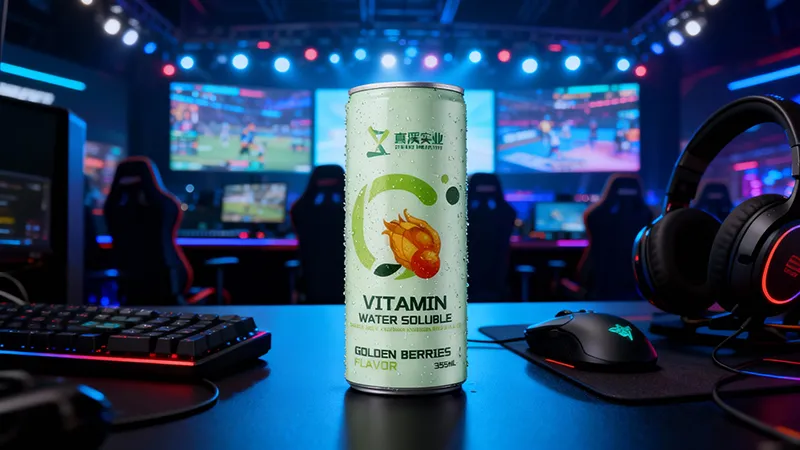
While the money reasons for reused aluminum are strong, the label gains are just as big. 2026 Drink Trends show that buyers, mainly Gen Z and Gen Alpha, are getting sharper in checking green claims. They do not just want "green" tags; they check them.
Being able to say "Made with 95% Recycled Aluminum" is a strong sales stand-out. It shows clearness and real steps. Also, aluminum is special because it can be reused forever. Unlike plastic, which loses quality, an aluminum can can go back into use without a drop in item traits. This endless cycle cuts waste and appeals to buyers who care about lasting impact, helping brands gain trust and edge over rivals with less green focus.
In the drink sector of 2026, the best attack is a good shield. Changing to reused aluminum is the top way to guard against Rising Raw Material Costs, cut the dangers of carbon tax, and match the views of new buyers. At ZhenXi, we give the setup, the tech, and the skill to make this change easy. Our full OEM fix makes sure your drink is not only tasty and useful but also money and nature-friendly.
Ready to make your drink label safe for the future against rising costs? We ask you to team with us to check our 95% reused aluminum picks and start your custom canning job today.
Q: Does using 95% recycled aluminum affect the durability or safety of the cans?
A: Absolutely not. Recycled aluminum maintains the same material properties as primary aluminum. Our cans undergo rigorous testing and comply with all FDA and ISO food safety standards, ensuring they are just as durable, safe, and pressure-resistant as cans made from virgin material.
Q: Can you customize the shape and size of recycled aluminum cans for my brand?
A: Yes, we offer a wide range of customizable options, including Standard, Sleek, and Slim cans in various volumes (e.g., 250ml, 330ml, 355ml, 500ml). Our recycled aluminum can be molded and printed with the same high-definition quality and flexibility as standard aluminum.
Q: How does the cost of recycled aluminum cans compare to standard cans in the long run?
A: While market prices fluctuate, recycled aluminum generally offers greater long-term price stability. Because its production consumes significantly less energy (about 95% less), it is less susceptible to spikes in global energy prices, providing a more predictable cost structure for your supply chain over time.


