A new beverage brand often begins with a simple idea: an alcohol-free beer for social drinking, a fruit-led SKU for young consumers, or a beer-style option for restaurants and distributors. The harder part comes next. That idea must become a sample, then a package, then a first commercial order that buyers can actually sell. This is where alcohol free beer ODM planning becomes useful.
For a non alcoholic beer brand launch, the buyer may not have a finished formula or confirmed production route yet. The brand may only have a target market, a price range, and a few flavor references. An ODM project should turn those early signals into product style, label direction, can format, first order quantity, and reorder logic. It should not become a long product wish list that no supplier can quote or produce clearly.
Many new projects start too broadly. A buyer says “we need a non alcoholic beer,” but that phrase can mean a soft fruit beer, a craft-style can for bars, a banquet drink, or a private label beer ODM range for a distributor. The launch use case should guide the first decision.
A product concept becomes easier to develop when the buyer can explain where the drink will be sold and why the consumer will choose it. A convenience-store product may need instant flavor recognition and a lighter serving size. A bar product may need stronger beer cues, foam, and a more adult finish. A restaurant product may need food-pairing value instead of a loud fruit aroma. For a non alcoholic beer brand launch, the first question is not only “which flavor is popular.” It is “what job should this drink do in the channel?” Once that job is clear, the supplier can discuss sweetness, bitterness, carbonation, and packaging with less guesswork.
A product for health-conscious office workers may not need the same taste as a product for craft beer consumers. Younger shoppers may accept fruit aroma and a softer finish. Beer drinkers who want an alcohol-free replacement may expect malt body, bitterness, foam, and a cleaner aftertaste. For non alcoholic craft beer ODM planning, the buyer should define which expectations matter most and which can stay flexible. A useful concept might be “a 500ml beer-style alcohol-free can for adult social occasions” or “a 250ml fruit-led SKU for first-time trial.” Those statements are not final recipes, but they give the development team a direction.
After the launch, the use case is clear; the next step is choosing a product route. A route connects liquid style, serving size, shelf position, artwork tone, and first-order scale. The route should be simple enough to test but strong enough to support a real launch.
Fruit-led products can lower the barrier for the first purchase. Peach, grape, mango, citrus, and similar directions may work when the brand wants a softer entry point. The risk is that the product can drift too close to soda if malt, carbonation, and finish are weak. Beer-style products have a different task. They need enough body and aftertaste to feel credible as alcohol-free beer. A 500ml beer-style option also gives the consumer more time to judge the drink, so thin mouthfeel or lingering sweetness becomes easier to notice. Buyers can review the non-alcoholic beer range to compare fruit-led and beer-style directions before locking the first route.
A new brand may want to launch five flavors to look complete. That can make the project harder to read. Too many SKUs increase artwork workload, sampling feedback, carton planning, and inventory risk. A tighter first range gives clearer market data. One fruit-led SKU and one beer-style SKU may tell the buyer more than six similar fruit flavors. For private label beer ODM projects, this is especially important because each SKU may need separate label checks, can printing decisions, and sales materials. The first range should answer one or two commercial questions: which style gets trial, which SKU gets repeat interest, and which format deserves reorder planning.
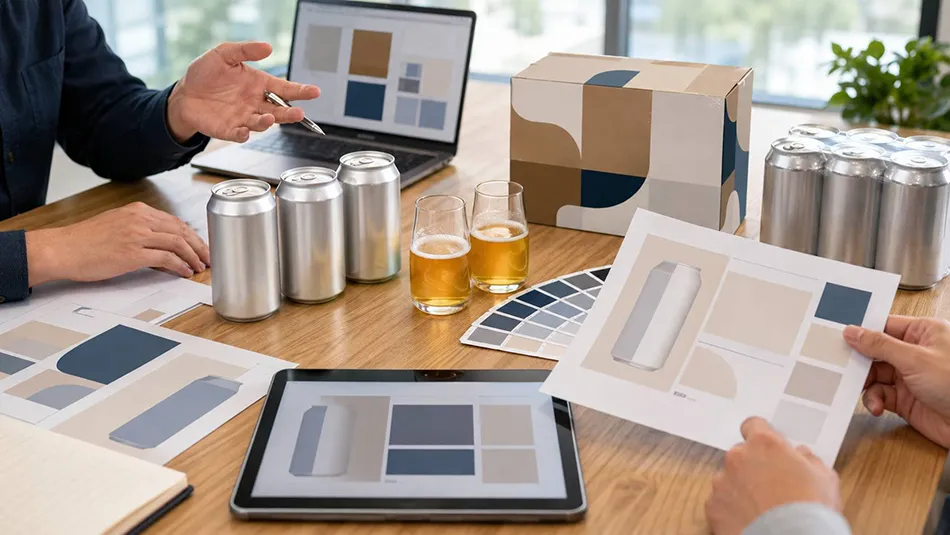
The strongest ODM projects do not wait until the sample is approved to discuss production. Sampling, can size, artwork, alcohol wording, carton planning, and first order timing should move together. Otherwise, the buyer may approve a taste profile that later becomes difficult to package or schedule.
Sample work should have a commercial path behind it. A buyer can use one short roadmap to keep the project practical:
This keeps alcohol free beer production connected with the launch plan. If the buyer only tastes samples without thinking about artwork, MOQ, and order timing, the project can lose weeks later. A roadmap also gives each team a clear role, from brand positioning to sample adjustment and production readiness.
|
Planning Item |
Early Project Reference |
Why Buyers Should Confirm It |
|
Fruit-led trial format |
250ml / 8.4 oz |
Lower-pressure first purchase |
|
Beer-style route |
500ml / 16.9 oz |
Fuller adult drinking occasion |
|
Normal sample preparation |
about 1 week |
Internal tasting schedule |
|
Peak-season sample preparation |
2-3 weeks |
Lab and feedback delays |
|
Delivery reference after order |
20-25 days |
Launch calendar planning |
|
Commercial order reference |
1 container |
Production scale discussion |
These are planning references for discussion. Final details should be confirmed by quotation, formula approval, packaging review, and destination market requirements.
A first order should not only fill the warehouse. It should create useful market feedback. This makes first-order planning part of alcohol free beer production, not an afterthought.
Complex launches can look impressive but produce unclear feedback. If a brand starts with too many flavors, pack types, and label variants, it may not know what caused good or weak sales. Was it the flavor, can size, shelf placement, price, or channel? A controlled first production plan helps avoid this problem. One fruit-led SKU and one beer-style SKU can give cleaner sales data. At ZhenXi, we prefer to discuss the first order together with the sample target, because formula approval should lead to a realistic production plan.
Reorder planning begins before the first shipment leaves. Buyers should decide how they will collect feedback, which channels will report sales, and how quickly they may need a second order. A new brand may also need to decide whether the first formula should stay stable for three order cycles or remain open to adjustment after market testing. For a non alcoholic beer brand launch, this makes the launch less emotional and more measurable. If the first order sells well but packaging materials or production timing were not discussed early, the second order may arrive too late. If the first order sells slowly, SKU-level feedback can guide the next adjustment.
Product references are helpful when a buyer has not yet decided on a style. They show what can be discussed, not what must be copied. This is especially useful for non alcoholic craft beer ODM projects, where the final product must balance beer identity, alcohol-free positioning, and private label needs.
For buyers planning a larger beer-style product, 500ml OEM Non Alcoholic Craft Beer can serve as a practical reference for 500ml standard aluminum can packaging, OEM and private label planning, and 0.0% or below 0.5% alcohol customization. The buyer can then describe what should be kept, changed, or avoided. The target may need a drier finish, a softer fruit note, or a more premium can for bars. A reference is useful only when it becomes specific feedback. For broader background on alcohol control and taste, buyers can read How is Non Alcoholic Beer Made and Why Does Craft Non Alcoholic Beer Taste So Good before internal sample review.
A strong ODM project sets the right order of decisions. For non alcoholic craft beer ODM work, the best early plan is usually narrow, testable, and connected to production. When your team is ready to turn a brand concept into a sample and first production plan, send your alcohol-free beer launch idea with target channel, style route, can size, label direction, and first order expectation.
Q: What is the difference between OEM and ODM for alcohol-free beer?
A: OEM usually starts with a clearer buyer requirement, such as an existing formula or detailed product brief. ODM is more useful when the buyer has a brand concept, channel plan, or target consumer but still needs help turning the idea into product style, sample direction, packaging, and first order planning.
Q: How many SKUs should a new alcohol-free beer brand launch first?
A: Many new launches are easier to manage with a narrow first range. One fruit-led SKU and one beer-style SKU may provide clearer feedback than several similar flavors. The right number depends on the channel, MOQ, artwork readiness, and sales testing plan.
Q: When should buyers discuss packaging in an ODM project?
A: Packaging should be discussed during sample development, not after formula approval. Can size, label direction, alcohol statement, carton planning, and private label artwork all affect the final product route and production timing.


