A glass of beer with a clean foam cap often feels more complete before the first sip. Foam makes the drink look fresh, carries aroma, and gives consumers a stronger beer impression. So when an alcohol-free beer pours with weak foam, large bubbles, or a short head, many people ask the same question: why does non alcoholic beer foam less than regular beer?
The answer is not as simple as “less foam means lower quality.” Non alcoholic beer foam can be affected by alcohol control, malt structure, protein balance, carbonation level, filling conditions, glassware, storage, and serving temperature. Foam can influence non alcoholic beer taste, but it is only one part of the drinking experience. A good alcohol-free beer still needs aroma, body, carbonation, bitterness, and a clean finish.
Foam is not only decoration. It changes how the drink looks, smells, and feels. Still, foam should not be judged alone. A tall head on a poor liquid will not make the product successful, and a lighter foam may still be acceptable for some fruit-led alcohol-free beers.
Foam sits at the top of the beer and helps hold volatile aroma compounds near the glass. When the consumer drinks, those aromas rise with the bubbles and shape the first impression. In a classic beer-style product, foam can help malt, hop, and fermentation notes feel more complete. In alcohol-free beer, this can be even more important because the drink lacks the warmth and structure that alcohol normally adds. If alcohol free beer foam disappears too quickly, the aroma may feel shorter or flatter. Buyers should check whether the foam supports the intended product style. A beer-style SKU may need a stronger aroma lift, while a light fruit-led SKU may not need the same dense foam target.
Consumers often connect foam with “real beer” before tasting the product. A clear golden liquid with no foam may be read as soda, malt drink, or sparkling juice. This matters for private label projects, especially when the product is placed near regular beer or craft-style alcohol-free options. Non alcoholic beer foam can help the drink look more mature and beer-like. However, foam expectations should match the product role. A 500ml beer-style SKU usually needs stronger visual beer cues. A 250ml fruit-led SKU may focus more on freshness and flavor recognition. Buyers should define this visual target early because it affects formula review, carbonation discussion, and label direction.
When alcohol is reduced or removed, the whole liquid balance changes. The formula may need a different way to support texture, bubbles, and beer head retention. Some foam problems come from the beer base. Others come from filling, packaging, storage, or serving.
Alcohol helps shape body, mouthfeel, and finish. When it is removed or controlled to a low level, the drink can become lighter in the middle. That lighter structure may affect foam stability. Protein, dextrin, hop compounds, and carbonation still help build the foam, but the balance is different from regular beer. This is why does non alcoholic beer foam less in some products, even when the product smells and tastes acceptable. It is not always a simple defect. It may mean the formula needs stronger body support or a more suitable carbonation profile. Buyers should judge whether the foam problem appears together with thin mouthfeel. If both happen, the issue is probably broader than foam alone.
Carbonation creates the bubbles, but foam stability depends on more than gas volume. If the carbonation is too low, the beer may pour flat and look weak. If carbonation is too high, the foam may rise quickly and collapse, leaving a sharp but thin mouthfeel. For alcohol-free beer, carbonation should match the product's role. Fruit-led drinks may benefit from bright, refreshing bubbles. Beer-style drinks often need carbonation that supports foam without making the liquid feel harsh. Buyers should test the sample at normal serving temperature, not only straight from a very cold refrigerator. If foam disappears as the drink warms slightly, carbonation and beer head retention may need review.
Beer head retention depends partly on proteins and other compounds from malt and grains. These help bubbles hold shape instead of breaking quickly. A formula with weak malt structure may still taste refreshing, but the foam may not last. On the other hand, too much body can make the drink heavy. The goal is balance. A beer-style alcohol-free product should keep enough malt body to support foam, mouthfeel, and finish. For fruit-led SKUs, the beer base should not disappear behind fruit aroma. Buyers can ask whether the foam issue is caused by low protein support, light body, carbonation setting, or serving condition. Clear feedback helps the supplier adjust the sample more efficiently.
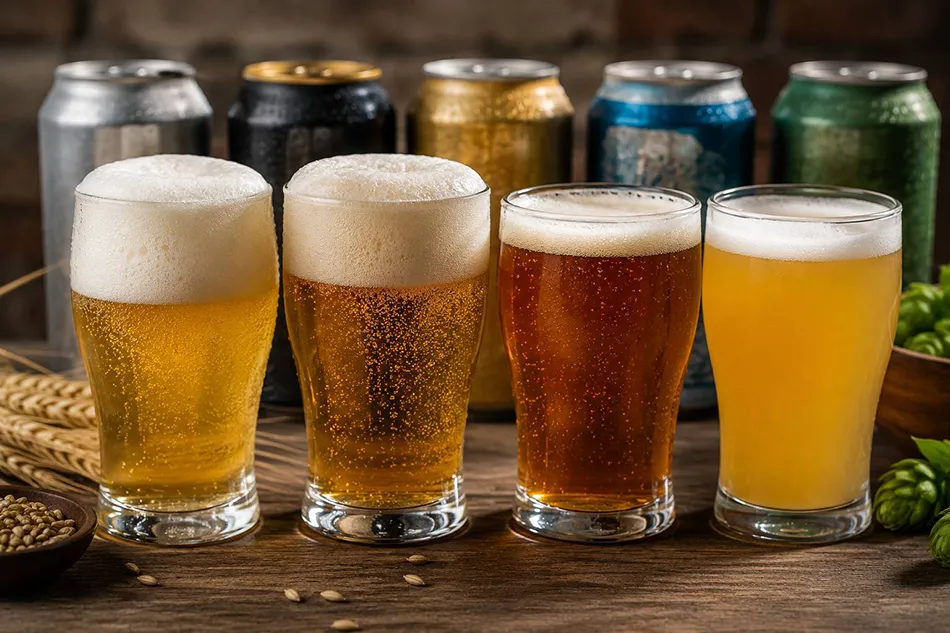
Foam testing should be simple, repeatable, and close to real use. A sample poured once in a random glass gives limited information. Buyers need a small method that can be repeated across different batches and flavors.
|
Foam Review Item |
Practical Reference |
What Buyers Should Watch |
|
First pour check |
0 seconds |
Foam height and bubble size |
|
Short hold check |
30 seconds |
Early collapse or stable cap |
|
Longer hold check |
3 minutes |
beer head retention and aroma support |
|
Serving reference |
250ml / 8.4 oz or 500ml / 16.9 oz |
Whether foam suits the product role |
|
Delivery reference |
20-25 days |
Launch and reorder planning |
|
MOQ reference |
1 container |
Commercial test scale |
These figures are planning references for buyer discussion. Final details should be confirmed through sample approval, quotation, packaging review, and destination market requirements.
Glass shape, cleanliness, temperature, and pouring angle can change foam. A buyer comparing samples should use the same glass type each time. The glass should be clean, dry, and free from oil or detergent residue, because residue can damage foam quickly. The pour should also be consistent. If one sample is poured straight down and another is poured gently along the side, the results will not be fair. For an alcohol free beer sample test, buyers can take photos immediately after pouring and again after a short wait. This makes feedback easier to compare with the supplier. It also prevents a subjective comment like “foam is weak” from becoming unclear.
The first foam rise is useful, but it can be misleading. Some samples create a strong head that falls apart almost immediately. Others form a smaller head but stay more stable. A 30-second check shows early collapse. A 3-minute check shows whether the foam still supports aroma and visual beer identity. These two points are practical enough for a buyer team, and they do not require a laboratory setup. If the foam is gone after 30 seconds, the sample may feel less beer-like on shelf tasting. If it remains too thick and heavy, the drink may not feel refreshing. The foam target should match the channel and style.
Foam should be reviewed alongside drinking quality.If the foam is weak but the drink has clean carbonation, a good aroma, and a crisp finish, the issue may be less serious for a fruit-led SKU. If the foam is weak and the drink also feels thin, the product may need more structure. Buyers should write sample comments in connected language: foam height, bubble size, aroma lift, middle body, carbonation feel, and aftertaste. This helps link visual performance with non alcoholic beer taste. It also prevents overcorrecting one part of the product. More foam is not useful if it makes the drink heavy, dull, or distant from the target consumer.
At ZhenXi, we usually discuss foam through the product role first. A buyer developing a fruit-led alcohol-free drink does not need the same foam target as a buyer developing a 500ml beer-style product. The right standard should come from serving size, channel, and label positioning.
A larger beer-style can creates a longer drinking occasion, so the foam, body, carbonation, and finish need to hold together. The 500ml OEM Non Alcoholic Craft Beer can serve as a reference route because it supports OEM and private label planning, 500ml standard aluminum can packaging, and 0.0% or <0.5% alcohol customization. For this type of product, alcohol free beer foam is part of the beer identity. Buyers should test the full serving, not only a tasting cup. If the foam looks fine at the start but the drink becomes flat halfway through, the formula may need adjustment before production.
Fruit-led alcohol-free beers often have a different job. They may focus on flavor recognition, lighter refreshment, and lower first-purchase pressure. Buyers reviewing the non-alcoholic beer range can compare fruit-led SKUs and beer-style options before setting the foam target. A peach, mango, orange, or grapefruit product may not need the same dense beer head as a classic 500ml craft-style SKU. Still, it should not look flat if the label suggests beer character. For private label buyers, the sample brief should state whether foam is expected to support beer identity, fruit refreshment, or a balance of both.
A useful foam brief should not only say “more foam.” It should describe the product style, serving size, alcohol statement, carbonation preference, mouthfeel target, and aftertaste concern. Buyers can prepare one short sample note:
This gives the supplier a practical working standard. For buyers who want more background on carbonation, Is Beer a Carbonated Drink? Natural vs. Artificial Carbonation can support internal tasting discussion. When your team is ready to refine foam, carbonation, and mouthfeel targets, send your alcohol-free beer sample brief with can format, flavor direction, foam target, and market channel.
Q: Why does non alcoholic beer foam less than regular beer?
A: It may produce less foam because alcohol control changes body, mouthfeel, and balance. The foam may likewise be influenced by malt protein. It may also be influenced by carbonation level, filling conditions, glass cleanliness, storage, and serving temperature.
Q: Does more foam mean better non alcoholic beer taste?
A: This is not always true. Foam can enhance aroma and visual beer identity. Yet taste also depends on malt body, bitterness, carbonation, sweetness, and finish. A balanced product matters more than foam height alone.
Q: What should OEM buyers check in alcohol-free beer foam samples?
A: OEM buyers should check the first pour and bubble size. They should also review 30-second stability and 3-minute beer head retention. They need to consider aroma lift, carbonation feel, mouthfeel, and aftertaste. The foam target should match the product role and size.


