Tea and its extracts have multiple effects such as anti-inflammatory and antioxidant, and have significant complementary therapeutic effects on ankylosing spondylitis (AS).Studies have shown that tea polyphenols and catechins in tea can inhibit inflammatory factors and reduce joint pain and stiffness. Drinking tea not only helps relieve AS symptoms, but also reduces disease activity and improves joint function.
In addition, tea can reduce the side effects of drug treatment and improve the overall health of patients. On the premise of drinking tea moderately, combined with conventional treatment, AS patients can obtain more health benefits and improve their quality of life.
Tea not only plays a role in the complementary treatment of ankylosing spondylitis (AS), but also has significant benefits for overall health. Active ingredients such as tea polyphenols and catechins have strong antioxidant properties, which help prevent cardiovascular diseases and regulate blood sugar and blood lipids.Moderate tea drinking can also enhance immunity, improve digestive function, and relieve mental symptoms such as anxiety and depression.
In addition, studies have shown that tea drinking can reduce the incidence of functional disability, promote cognitive function, and delay the onset of cognitive impairment and Parkinson's disease symptoms. Drinking tea in moderation every day can not only improve the quality of life, but also prevent a variety of chronic diseases.
Multiple active ingredients in tea, such as tea polyphenols and catechins, have powerful anti-inflammatory and antioxidant effects.Tea polyphenols can inhibit the production of inflammatory factors and reduce inflammatory responses in joints and tissues, which is particularly important for patients with ankylosing spondylitis (AS). Catechins protect the health of cells and tissues by neutralizing free radicals and preventing oxidative stress from damaging cells.
In addition, the antioxidant components in tea can enhance the activity of antioxidant enzymes in the body and further improve antioxidant capacity. These effects not only help relieve AS symptoms, but also prevent and alleviate other diseases related to inflammation and oxidative stress, and comprehensively improve health levels.
Tea has a significant effect on the control of comorbidities in ankylosing spondylitis (AS). AS patients often have comorbidities such as cardiovascular disease, metabolic syndrome and diabetes. Tea polyphenols and catechins in tea help alleviate the symptoms of these comorbidities through mechanisms such as anti-oxidation, anti-inflammatory and metabolic regulation.Studies have shown that drinking green tea can lower blood pressure, regulate blood lipid levels, and reduce the risk of myocardial infarction and stroke.
In addition, tea can improve blood sugar control and reduce the incidence of type 2 diabetes. The anti-inflammatory and antioxidant properties of tea help to reduce the impact of metabolic syndrome, thereby comprehensively improving the health of AS patients and reducing the burden of comorbidities.
Tea has a significant positive effect on mental health. Tea polyphenols and L-theanine in tea can effectively relieve anxiety and depression symptoms by regulating neurotransmitters and inhibiting the activity of monoamine oxidase. Studies have shown that moderate tea drinking can improve mood, reduce psychological stress and improve sleep quality.
In addition, tea drinking can also help improve cognitive function and prevent the occurrence of cognitive impairment and dementia. For patients with ankylosing spondylitis (AS), drinking tea can not only relieve the psychological pressure caused by the disease, but also improve overall mental health, enhance confidence in coping with the disease and quality of life. Therefore, moderate tea drinking is an important supplementary means for the mental health management of AS patients.
Several studies have shown that tea has a significant supplementary effect in the treatment of ankylosing spondylitis (AS). One study divided 120 AS patients into a conventional treatment group and a conventional treatment plus tea drinking group. The results showed that the disease activity score and pain score in the tea drinking group were significantly reduced. Another study included 50 AS patients and found that joint pain and stiffness in the green tea extract group were significantly reduced.
In addition, a study of Chinese women found that long-term tea drinkers had higher bone density, indicating that tea is also beneficial for bone health. These studies confirm the potential of tea in alleviating AS symptoms, improving joint function and improving quality of life, and provide new ideas and methods for the comprehensive treatment of AS.
In the complementary treatment of ankylosing spondylitis (AS), different types of tea have their own unique effects.
Green tea: Rich in tea polyphenols and catechins, it has strong anti-inflammatory and antioxidant effects and is particularly suitable for relieving inflammation and pain in AS.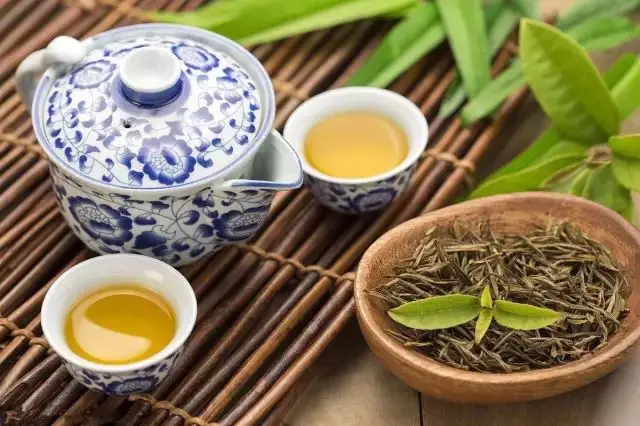
Oolong tea: It combines the advantages of green tea and black tea, balances the content of tea polyphenols and caffeine, can gently regulate immune function, and is suitable for long-term drinking.
Black tea: Although the anti-inflammatory effect is slightly weaker, its rich theaflavins and thearubigins are beneficial to cardiovascular health.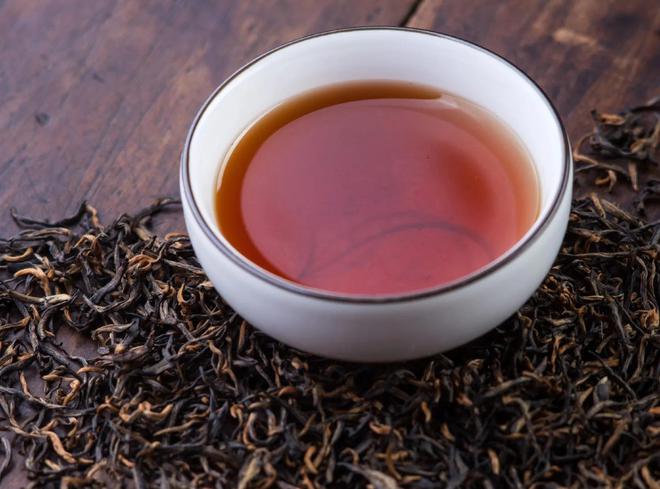
AS patients can choose the right type of tea according to their personal taste and physical condition, and combine daily diet and treatment plans to maximize the health benefits of tea on the premise of quitting smoking, abstaining from alcohol and drinking tea at the right temperature.
In short, tea shows multiple health benefits in the complementary treatment of ankylosing spondylitis (AS). Through multiple mechanisms such as anti-inflammatory, anti-oxidation, immune regulation and improvement of mental health, tea can effectively relieve AS symptoms, reduce disease activity and improve the overall health of patients.
On the premise of quitting smoking, abstaining from alcohol and drinking tea at the right temperature, daily moderate intake of tea can help improve the quality of life. Existing research is still in its infancy, and more high-quality research is still needed to deeply evaluate the specific effects and optimal use of tea in the treatment of AS.


