Doctors used to say that drinking too much coffee is not good for you because of the caffeine problem. Before the turn of the 21st century, many case-control observational trials (which are prone to bias) studied past coffee consumption in diseased and healthy controls. Studies found that people who drank a lot of coffee also had a higher risk of heart disease (the two were positively correlated). This prompted scientists to study mice. High doses of caffeine increased the heart rate of mice and sometimes caused arrhythmias (abnormal heart beats) and even certain cancers. This became the accepted standard for many years until recently, when a systematic review of human studies concluded that caffeine had no significant effect on arrhythmias. An analysis of 36 studies showed that moderate coffee (three and a half cups a day) actually reduced the risk of heart disease, and even heavy coffee drinking did not increase the risk of heart disease. Another review of 21 prospective studies studied the coffee drinking habits of more than 1 million people from Europe, the United States, and Japan. Moderate coffee drinking (3-4 cups a day) reduced the risk of death by 8% and the risk of heart disease by 20%. We should be wary of the limitations of data like this, but forcing people to drink high doses of coffee in a trial can be tricky, so these estimates are probably the best we can get.
Scare stories often appear in the news about acrylamide, which is produced in small amounts when coffee beans are roasted. Large amounts of acrylamide have been linked to cancer in rodents, and in 2018 coffee shops in California were so worried about a legal action that their drinks now come with acrylamide warning labels. Like hundreds of other commonly used chemicals, acrylamide is classified by the World Health Organization as a carcinogen, meaning it can cause cancer if used in large amounts. The media loves to run scary food headlines, and I've already mentioned similar stories about overcooked meat and burnt toast causing cancer due to acrylamide. If you separate out the hundreds of chemicals found in food, you'll almost certainly find a large amount that's considered harmful to rodents (and you can set up your own WHO lab). But the relevance of this research to humans is weak.
Other common concerns concern the effects of coffee on our toilet habits. Caffeine stimulates the bladder, causing you to pee more quickly than usual. You may need to make more frequent trips to the bathroom, but there's no evidence that it dehydrates you. Caffeine is a powerful chemical, and some people are naturally more sensitive to it. For example, it's a trigger for irritable bowel syndrome (IBS) in some people because it causes intestinal spasms and diarrhea. It can also keep you awake at night. Caffeine works by blocking the normal activity of adenosine, a chemical that relaxes the brain, which normally makes you sleepy. By blocking adenosine, caffeine improves alertness and concentration, which may explain why caffeine can reduce or delay the onset of Alzheimer's and Parkinson's diseases, and why elite athletes perform better after taking caffeine. On average, caffeine levels in the blood begin to rise 30 minutes after drinking coffee, peak after 2 hours, and fade after 4-7 hours, when the chemical is excreted by the liver. Drinking coffee before 6 p.m. may wear off by the time you go to bed, but different people metabolize caffeine in very different ways. Small doses of caffeine can disrupt sleep in sensitive people, so if you have insomnia or trouble staying asleep, you can switch to decaffeinated drinks or stop drinking caffeinated beverages in the early afternoon.
Some people with mental health problems fear that caffeine will make their symptoms worse. Excessive caffeine intake can lead to jitteriness and anxiety, which overlap with some mental illnesses. For this reason, many psychiatric hospitals ban caffeinated beverages. But the research is contradictory, with some studies showing that caffeine intake has a protective effect. A study tracking 50,000 middle-aged American women showed that those who drank the most coffee had a 20% lower risk of depression. Curiously, a review of data from three other studies involving 47,000 subjects found that those who drank four or more cups of coffee a day were half as likely to commit suicide.
Researchers can't yet tease out which components of coffee may benefit our health because caffeine itself may not be crucial. Coffee contains high levels of antioxidants, and polyphenols are likely to benefit us because they feed the microbes in our bodies. Reassuringly, the roasting process doesn't destroy them; in most cases, polyphenols and their antioxidant power are actually increased. Polyphenols aren't the only beneficial component of coffee -- a cup of coffee is a reasonable source of fiber, with about 0.5 grams per cup. So a few cups of coffee a day gives you about the same fiber as a bowl of cereal or a small banana. Fiber, when fermented by gut microbes, produces beneficial short-chain fatty acids that help other good bacteria in the gut grow. So thanks to fiber and polyphenols, coffee wakes up our microbes in the morning as well as our brains.
Even decaffeinated coffee has a respectable polyphenol content. This coffee is usually made by washing the beans with a chemical solvent. This process removes most, but not all, of the caffeine; on average, it's usually 97%-99%, but that level can vary. Newer methods retain more antioxidants, so you can still get your daily dose of polyphenols from decaffeinated coffee. It's difficult to tell the difference between caffeinated and decaffeinated coffee when tasting blindly. Most average people who drink decaffeinated coffee won't be fooled into experiencing the typical symptoms associated with caffeine, such as increased alertness. But when some anxious people drink decaffeinated coffee, they also experience anxiety symptoms. Another study found that unpleasant withdrawal symptoms from coffee addiction are reduced if you think you are still consuming caffeine, suggesting that many of us are easily fooled.
Most Western guidelines err on the side of caution, stating that a daily limit of 400mg of caffeine (four cups of instant coffee or three cups of filtered coffee) is appropriate. This is seen as a safe level of caffeine that most healthy adults can consume every day without side effects. There is limited research on children and adolescents, but the European Food Safety Authority considers 3mg per kilogram of body weight per day to be safe for children. So a 14-year-old weighing 50kg can consume 150mg of caffeine per day, the same amount of caffeine in a small cup of filtered coffee. Guidelines are less clear for pregnant women, and many women avoid caffeine altogether, even though 200mg (two cups of instant coffee) a day is considered safe. Caffeine tolerance is highly personal, and there are factors you can't control - like your genes. Our twin study shows that taste and food enzyme genes can influence your preference for strong, bitter flavors like coffee. Our latest PREDICT study shows that coffee drinkers have very different gut microbes, which also affect caffeine tolerance.
Many drugs interfere with how quickly caffeine is metabolized before it affects the brain. Smokers with nicotine in their blood need to drink twice as much coffee as non-smokers to achieve the same effect. Hormones also play a role, with women being more sensitive to caffeine than men; and birth control pills or antidepressants further increase caffeine sensitivity, meaning even small doses can keep you awake. Alcohol can also increase the effects of caffeine and exacerbate sleep problems, and lovers of broccoli and other cruciferous vegetables need more coffee because some of the polyphenols in them can reduce the effects of caffeine. So if you're a woman, on birth control pills, don't smoke, and don't like kale, you should ignore the guidelines and stick to decaffeinated coffee in the evening.
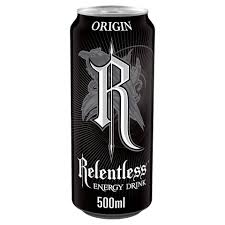
Food and beverage companies add a lot of caffeine to their products for its extra health benefits. Virtually all sports drinks, energy bars, weight loss supplements, and diet drinks have added caffeine and a host of health claims. A can of Red Bull contains as much caffeine as two shots of espresso, while drinks like Relentless and Monster contain twice as much. Some products claim that caffeine increases metabolic rate, speeds weight loss, and improves athletic performance. These effects are minimal, if any, and some small studies suggest that while the increased resting metabolism may burn an extra 70 calories, it doesn’t offset the added energy from the added sugar. Other studies suggest that it improves athletic performance, but only by 1% or for a few seconds, so only in professional athletes. The effect is likely short-term and won’t make you slim down and turn into the next Usain Bolt. While natural caffeine is considered safe in moderation, since we know so little about the effects of synthetic caffeine on our health and microbiome, I recommend avoiding any food and drink that contains additives, as they usually have added sugars and a host of other chemicals in them that will make your body crave more of them. Stick to high-quality coffee and tea that contain naturally occurring caffeine and very few ingredients. But not all tea and coffee are healthy; cream frappuccinos are highly processed and sometimes contain more than 700 calories. You need to be aware that the amount of the drug (caffeine) you consume from each cup also varies greatly. This depends on the type of coffee beans, the roasting process (lighter roasts produce more caffeine), the type and amount of coffee served, and the barista. Filtered coffee contains about 140 mg of caffeine per cup, a cup of instant coffee contains 80-100 mg of caffeine, and a cup of espresso varies the most, with caffeine content ranging from 40 to 200 mg. As mentioned above, decaf coffee is not completely caffeine-free, with about 3 mg per cup, and some people will still be affected by it.
What is clear is that caffeine is no longer considered "lethal." In moderation, tea and coffee are not harmful to us, and there is growing evidence that they are good for us. Coffee is not just about caffeine, it contains some fiber, and like tea and dark chocolate, it is rich in polyphenols, a substance known for its benefits to gut health, and it should remain a part of our daily diet. Everyone is different. We all have our own personalized tolerance level, and we should continue to experiment to find the right dose that works best for us. Many of our most creative ideas in recent centuries came from coffee houses, and this time around, we may have chosen a medicine that may be right for many of us if dosed correctly.