What Are The Benefits of Tea? | Beverage Manufacturer
By Tea Artist
June 18th, 2024
2332 views
Tea contains hundreds of ingredients such as caffeine, vitamins, amino acids, tea polyphenols, alkaloid tea polysaccharides, aromatic substances, etc. Among them, there are more than 20 free amino acids. The content of amino acids determines the taste of tea. Tea with a higher amino acid content has a stronger aroma and umami taste than tea with a lower amino acid content. Tea also contains calcium, phosphorus, iron, manganese, zinc, selenium, copper, germanium, magnesium and other substances..
What are the effects of tea?
Tea contains hundreds of ingredients such as caffeine, vitamins, amino acids, tea polyphenols, alkaloid tea polysaccharides, aromatic substances, etc. Among them, there are more than 20 free amino acids. The content of amino acids determines the taste of tea. Tea with a higher amino acid content has a stronger aroma and umami taste than tea with a lower amino acid content. Tea also contains calcium, phosphorus, iron, manganese, zinc, selenium, copper, germanium, magnesium and other substances. These ingredients in tea are very beneficial to the human body. It has a good health care effect.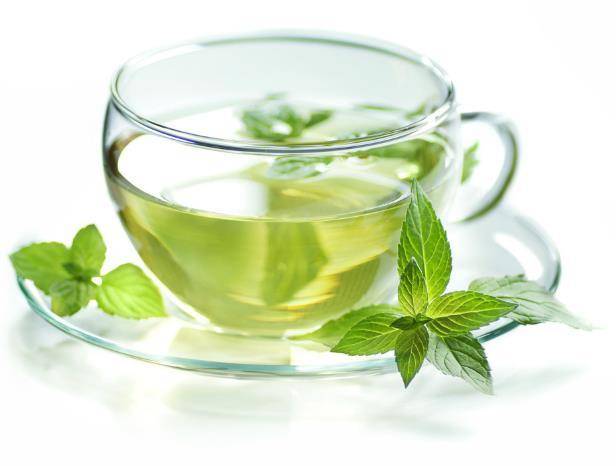
Helps delay aging
According to the theory of free radical theory, the cause of human aging is the change in the content of free radicals in tissues. This change destroys cell function and accelerates the aging process of the body. Studies have shown that the increase of lipid peroxides in the body is consistent with the aging process of the body. When free radicals in the body are in excess, the body will gradually age. Tea polyphenols have strong antioxidant properties and are scavengers of free radicals in the human body. Tea polyphenols also have the function of blocking lipid peroxidation and removing active enzymes. Studies have shown that the antioxidant activity of tea polyphenols is significantly better than that of vitamin B, and has a synergistic effect on vitamin C and vitamin E.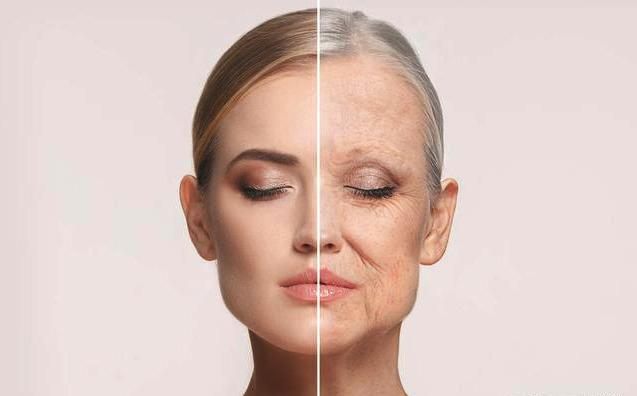
Helps inhibit cardiovascular diseases
Tea polyphenols play an important role in promoting human fat metabolism. Increased cholesterol, triglyceride and other levels in the human body, fat deposition on the inner wall of blood vessels, and proliferation of vascular smooth muscle cells can easily lead to cardiovascular diseases such as atherosclerosis. Tea polyphenols (especially catechins ECG and EGC in tea polyphenols and their oxidation products theaflavins, etc.) help inhibit this patchy hyperplasia, reduce the level of fibrinogen that causes increased blood viscosity, and thus inhibit atherosclerosis.
Helps prevent and assist in the treatment of cancer
Tea polyphenols can block the synthesis of various carcinogens such as nitrosamines in the body, and have the effect of directly killing cancer cells and improving the body's immune ability. Relevant data show that tea polyphenols (mainly catechin compounds) in tea are beneficial for the prevention and auxiliary treatment of various cancers such as gastric cancer and intestinal cancer.
Helps prevent and treat radiation damage
Tea polyphenols and their oxidation products have the ability to resist damage from radioactive substances. Clinical experiments in the medical sector have confirmed that the use of tea extracts to treat mild radiation sickness caused by radiotherapy in tumor patients is more than 90% effective; the use of tea extracts to treat hemocytopenia is 81.7% effective; and the use of tea extracts to treat leukocytopenia caused by radiation is more effective.
Helps inhibit and resist viral bacteria
Tea polyphenols have a strong astringent effect, have a significant inhibitory and killing effect on pathogens and viruses, and have a significant effect on anti-inflammatory and antidiarrhea. Many medical units in my country use tea preparations to treat acute and chronic dysentery, amoebic dysentery, and influenza, with a cure rate of about 90%.
Helps with beauty and skin care
Tea polyphenols are water-soluble substances. Washing your face with them can remove facial oils and tighten pores. They also have the effects of disinfection, sterilization, anti-skin aging, and reducing the damage to the skin caused by ultraviolet rays in sunlight.
Helps to refresh the mind
The caffeine in tea can stimulate the central nervous system of the human body, and has the effect of refreshing the mind, refreshing the mind and refreshing the mind.
Helps to relieve diuresis and fatigue
The caffeine in tea can stimulate the kidneys, promote the rapid excretion of urine, increase the filtration rate of the kidneys, and reduce the time that harmful substances stay in the kidneys. Caffeine also helps the body to eliminate fatigue as soon as possible.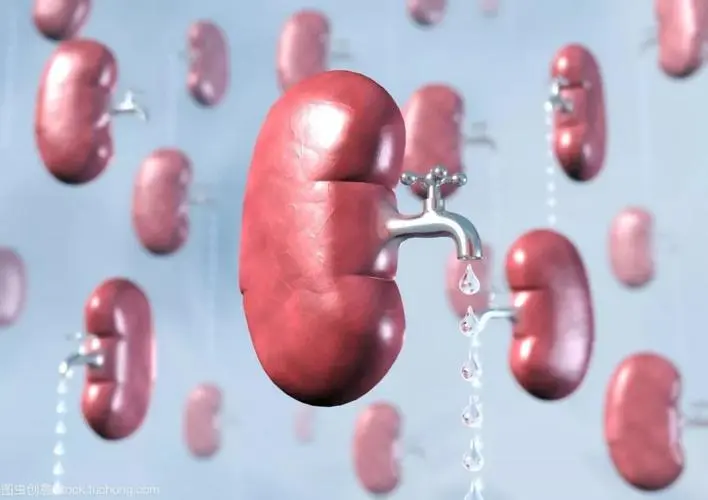
Helps to reduce fat
The "Supplement to Materia Medica" in the Tang Dynasty discussed the effect of tea and recorded that "long-term consumption makes people thin". Tea has the important effect of helping digestion and reducing fat. In layman's terms, it helps to lose weight. This is because the caffeine in tea can increase the secretion of gastric juice, help digestion, enhance the ability to decompose fat, and prevent and inhibit obesity.
The Japanese especially like Chinese oolong tea, because oolong tea has a strong effect of decomposing fat, can eliminate greasiness and help digestion. Studies have shown that drinking Pu'er tea produced in Yunnan regularly can reduce the content of triglycerides and cholesterol in the human body. French women (especially young women) pay great attention to body beauty, and they call Pu'er tea "slimming tea".

Helps protect teeth
Tea contains high levels of fluoride, with 10-15 mg of fluoride in every 100 grams of dry tea, and 80% of it is water-soluble. If each person drinks 500 grams of water per day, they can absorb water-soluble ingredients. Moreover, tea is an alkaline beverage. Drinking tea can inhibit the loss of calcium in the human body, which is very beneficial for preventing caries and protecting teeth.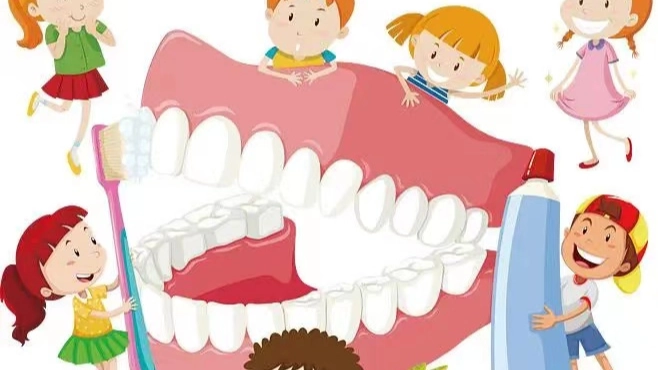
Previous
Could Coffee Save Your Life? A Can of Coffee, Wake Up Your Energy | Beverage Manufacturer
Read More
Next
12 Myths About Tea Drinking | ZhenXindustry
Read More


