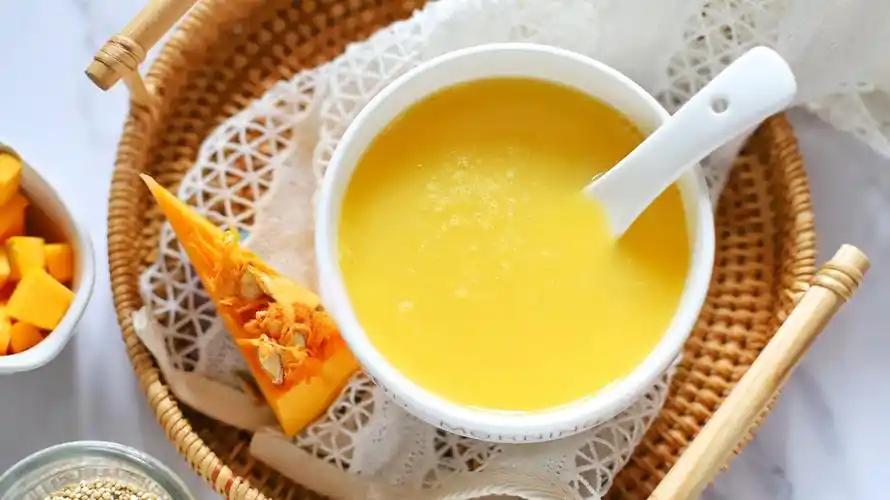
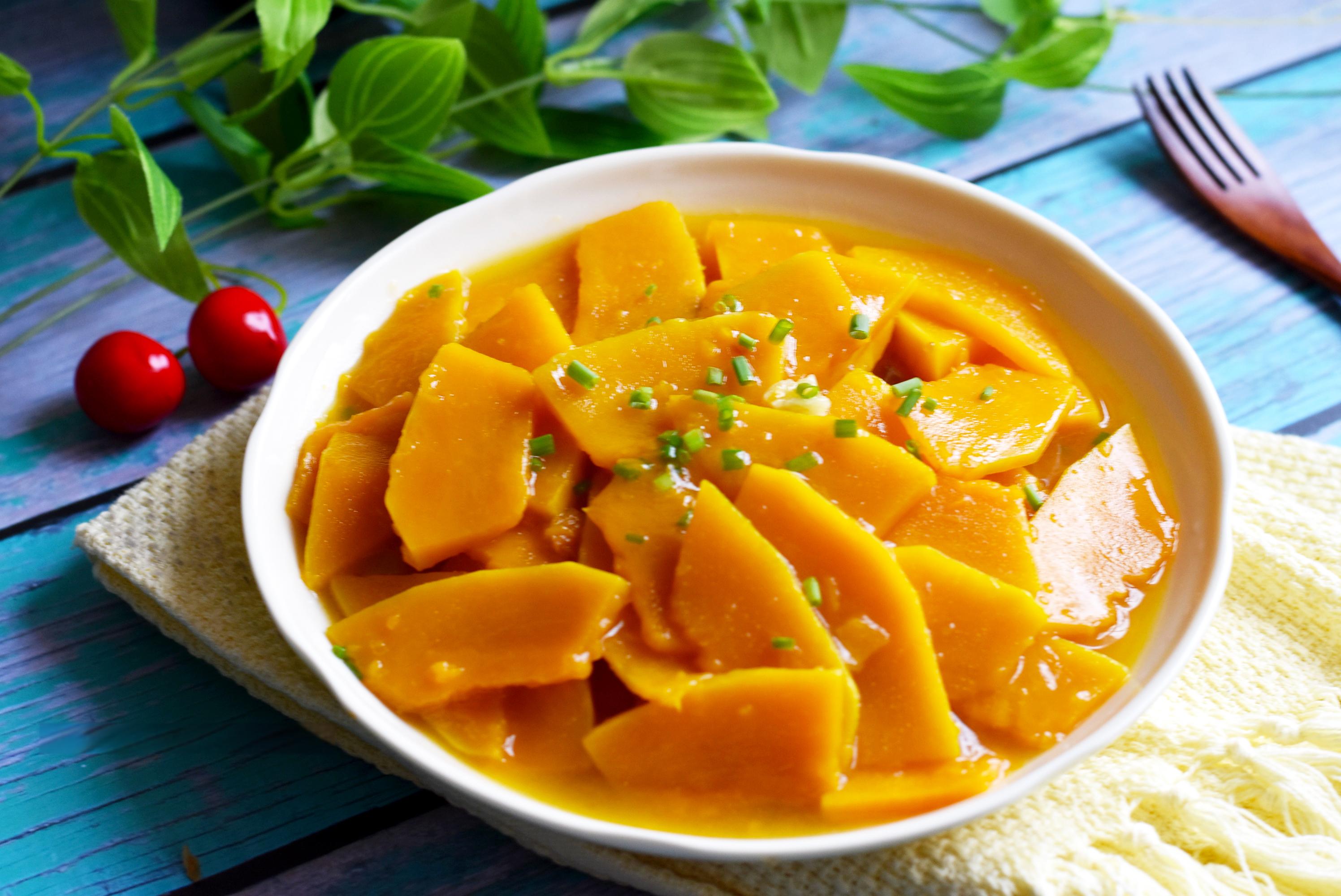
Pumpkin plays different roles in different regions and cultures. In the West, it is a symbol of Halloween, carved into various Jack-o'-lanterns, lighting up the night when children play, adding mystery and joy to the festival; in many Asian countries, pumpkin is an indispensable delicacy on the table. Whether it is sweet and sticky pumpkin pie or fragrant pumpkin soup, it makes people have endless aftertaste and feel the warmth and sweetness of home.
Pumpkin originated in America, and China is currently the country with the most pumpkin planting and consumption. Pumpkin has many aliases, commonly known as Japanese pumpkin (Beijing, Northeast, etc.), pumpkin (Guangdong), northern pumpkin (Southern Henan, Jiangxi, etc.), golden pumpkin (Taiwan), wheat pumpkin, nest pumpkin, old Burmese pumpkin, pumpkin, golden winter melon, drinking melon, rice melon, old dwarf melon, Huihui melon, flipping melon, etc.
There are many varieties of pumpkins. From the perspective of shape, there are oblate, oblong, gourd, fruit, etc.; the color of the pumpkin skin is also colorful, including orange, dark green, and dark green. Different varieties have slightly different nutritional values and tastes.
First of all, looking at the color of pumpkin, what kind of nutrient can you think of?
Yes, it must be carotene! The carotene content in pumpkin is very high, with 890 micrograms of carotene in every 100 grams of pumpkin. It can be converted into vitamin A in the body, which plays an important role in maintaining normal visual function, epithelial tissue health, enhancing immunity, and anti-cancer.
There are 5.3 grams of carbohydrates in every 100 grams of pumpkin, so pumpkin can serve as a staple food.
Contains a certain amount of insoluble dietary fiber, which is more suitable for people with three highs than refined rice and white flour. The pectin in pumpkin can regulate the absorption rate of food in the stomach, slow down the absorption of sugars, and the soluble cellulose can delay the emptying of food in the stomach and control the rise in blood sugar after meals. Pectin can also combine with excess cholesterol in the body, reducing cholesterol absorption and lowering blood cholesterol concentration. There is also a soluble dietary fiber in pumpkin - pectin, the highest of which can reach 2.03% in green-skinned pumpkin. It can increase satiety, promote digestion, prevent constipation, and absorb cholesterol and toxic metal substances and excrete them out of the body.
Pumpkin polysaccharide is a non-specific immunopotentiator that can improve the body's immune function, promote cytokine production, and exert multi-faceted regulatory functions on the immune system through complement activation and other pathways. Pumpkin polysaccharide extracted from pumpkin has been confirmed by clinical practice to lower blood sugar, lower blood lipids, and inhibit tumor growth.
Pumpkin is also a particularly common vegetable, rich in cobalt, ranking first among all kinds of vegetables. Cobalt can activate the body's metabolism, promote hematopoietic function, and participate in the synthesis of vitamin B12 in the human body. It is a trace element necessary for human pancreatic cells. The vitamin C contained in pumpkin can prevent nitrates from turning into carcinogenic nitrites in the digestive tract. The mannitol contained in pumpkin reduces the harm of toxins in feces to the human body. Pumpkin can eliminate the mutation effect of carcinogenic nitrosamines. It has anti-cancer effects. Pumpkin is rich in zinc, which participates in the synthesis of nucleic acids and proteins in the human body. It is an inherent component of adrenal cortex hormones and an important substance for human growth and development.
Relevant experiments have determined that pumpkin is rich in potassium, sodium, calcium, magnesium, iron and other minerals needed by the human body. The content of zinc, chromium and manganese is also high. Chromium and manganese can improve insulin function, promote carbohydrate and protein metabolism, and prevent diabetes to a certain extent.
In addition to fruits, pumpkin leaves can also be eaten, and the dietary fiber content is no less than that of commonly eaten green leafy vegetables. Pumpkin leaves contain a variety of vitamins and minerals, among which the content of vitamin C is very high, which makes it have excellent heat-clearing and detoxifying effects. In summer, boiling pumpkin leaves in water and drinking them can play a role in cooling off and relieving restlessness. In addition, pumpkin seeds can also be eaten, and after drying, they are a delicious nut.
Pumpkin is also a high-potassium and low-sodium food, especially suitable for middle-aged and elderly people and patients with hypertension.
In addition, pumpkin is rich in polysaccharides. Pumpkin polysaccharides can effectively improve the sugar metabolism and lipid metabolism disorders of diabetics.
It is good for people to eat pumpkin regularly. But does that mean that people with diabetes should eat more pumpkin? Obviously not. Only one ingredient in pumpkin has the function of lowering blood sugar. As for pumpkin as a whole, because its glycemic index (GI) is 75, it is a high GI food, especially the old pumpkin has a higher sugar content. People with diabetes should not eat too much. When eating pumpkin, they should reduce the amount of staple food appropriately.
As the saying goes, old pumpkin is food, and young pumpkin is vegetable. As a cross-border player, there are really many ways to eat pumpkin, including steaming, boiling, frying and frying.
Steaming: It can be said to be the easiest way to eat. Cut the pumpkin into small pieces with skin and steam it directly. This method is simple and nutritious, and it is the preferred way to eat.
Boil: Peel and cut into pieces and cook porridge with grains. Especially in this cold season, drinking a bowl of hot and fragrant pumpkin porridge is really a pleasure!
Stir-fry: Tender pumpkins are suitable for stir-frying. Stir-fried pumpkins are salty and sweet, which is a unique flavor.
Fry: Pumpkin cakes can be made. Such delicious snacks are more popular with children. However, this method often requires the addition of oil and sugar to ensure the taste, and the energy content is high, so it is only suitable for occasional cravings.