Generally speaking, the "milk" people drink comes from mammals, such as cow's milk, goat's milk, camel's milk, etc. In recent years, a trend of plant milk has emerged worldwide, and varieties such as soy milk and oat milk have become more and more popular. Many people think they are healthier than milk. However, a new study published in the American journal "International Food Research" recently showed that plant milk has many nutritional disadvantages and certain health risks.
Zhang Haiying, a registered dietitian in China, said in an interview with the "Global Times Health Client" reporter that plant milk is a product made from plants and (or) their products containing certain proteins as the main raw materials. It is better to say that it is a "plant protein beverage" rather than "milk". According to the raw materials, plant milk can usually be divided into four categories: soy milk (such as soy milk made from soybeans), grain milk (such as oat milk), nut milk (such as almond milk) and fruit and vegetable milk (such as coconut milk). To make these ingredients into plant milk with a texture and aroma similar to "milk", a series of processes are usually required, including soaking and grinding of raw materials, solid-liquid separation, homogenization, heat treatment, and nutritional fortification.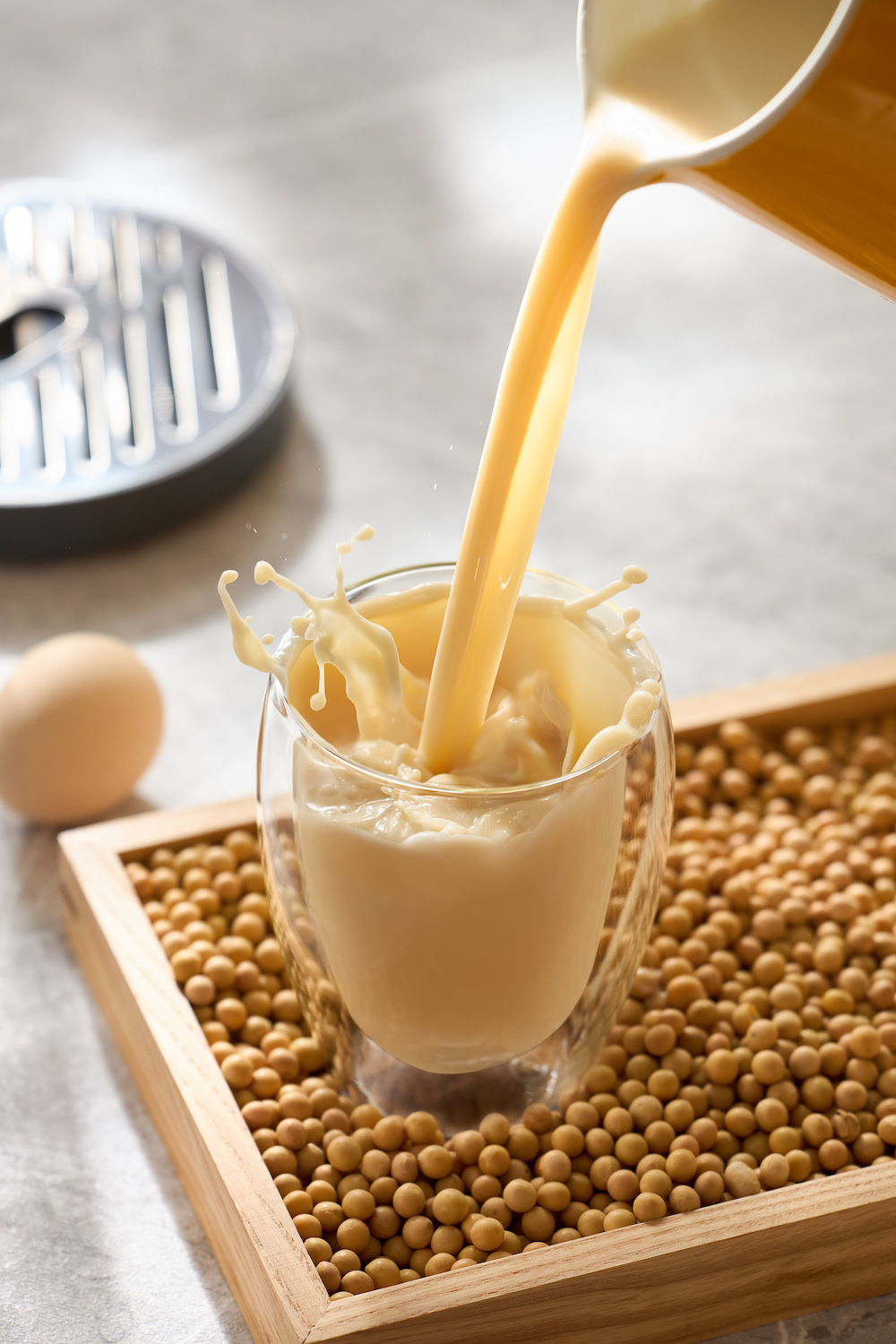
In a new study, researchers from the Department of Food Science at the University of Copenhagen in Denmark and other institutions compared the nutritional value of 10 plant milks with that of milk and found that plant milk has the following four shortcomings.
Lack of high-quality protein. Except for soy milk made from soybeans, most other plant milks have very low protein content. For example, in the samples used in the study, the protein content of milk was 3.4 grams per 100 milliliters, while that of almond milk and oat milk was only 0.4 grams per 100 milliliters. The prescribed values for protein content in various plant milk standards in my country are also different. According to the national standard "Plant Protein Beverages - Soy Milk and Soy Milk Beverages" (GB/T 30885-2014), the protein content of soy milk must reach 3 grams per 100 milliliters, which is similar to that of milk; while the group or industry standards for oat milk, almond milk, coconut milk, etc., the protein content may be only 1 gram per 100 milliliters. Except for soy milk, the protein contained in other plant milks is not high-quality protein. For example, cereal milk lacks essential amino acids such as lysine, resulting in low protein absorption and utilization.
Poor calcium content and absorption rate. In addition to being a source of high-quality protein, milk also contains a very high amount of calcium. Although beans, whole grains, etc. are high-nutrient density foods with high mineral contents such as calcium and potassium, when solid raw materials are made into liquid foods, the mineral content will be "diluted" and the calcium supplementation effect of milk cannot be achieved. The lactose contained in milk is also conducive to calcium absorption, which is also an advantage that plant milk does not have.
High sugar content. The sugar content of plant milk is usually higher than that of milk. In the study, the sugar content of milk was 4.4 g/100 ml, oat milk was 6.09 g/100 ml, and rice milk was 10.49 g/100 ml. The reason is that, on the one hand, in order to present the thick texture of milk, plant milk usually needs to add high-concentration starch during homogenization and heat treatment; on the other hand, people generally accept light-flavored (original) milk without sugar, but when drinking plant milk, they prefer the taste of added sugar, resulting in a significant difference in the sugar content of the two.
Thermal processing will produce harmful substances. The production and processing process of plant milk is different from that of milk. Milk is usually heated or pasteurized at high temperature for a short time, which has less damage to the nutritional components of milk. The heat treatment of plant milk takes a long time, which provides sufficient conditions for the Maillard reaction. The Maillard reaction is a non-enzymatic browning produced by amino compounds and sugars during heating. A moderate Maillard reaction can give food an attractive color and flavor, but if the reaction time is too long, it will not only destroy the nutrients, but also produce some substances that are harmful to health. Researchers found that compared with milk, plant milk contains more advanced glycation end products, which can accumulate on the walls of coronary arteries, induce changes in arterial smooth muscle cells, and promote vascular hardening and embrittlement; plant milk even contains carcinogens such as acrylamide that do not exist in milk.
Zhang Haiying said that plant milk is not without advantages, such as dietary fiber and plant sterols, but in view of the above disadvantages, it is generally not recommended to use plant milk instead of milk. Vegetarians, people who are allergic to animal milk protein and lactose intolerant can consider drinking some plant milk appropriately, but coconut milk contains more saturated fat, and people with abnormal blood lipids are not recommended to drink it. When choosing plant milk, it is recommended to pay attention to the following two points: first, the ingredient list, choose products with less added ingredients and preferably no added sugar; second, the nutritional ingredient list, choose products with low carbohydrate and fat content and high protein content, preferably up to 3 grams/100 ml.


