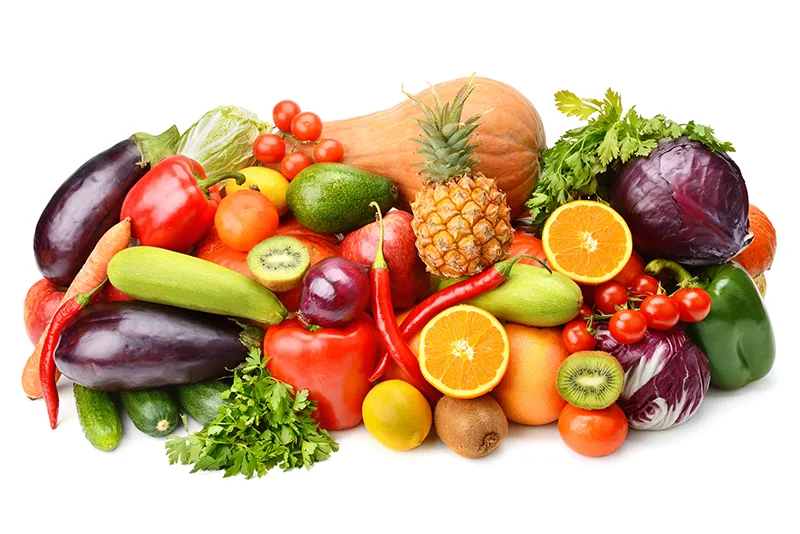
Some ingredients can replenish a lot of nutrition with just a small bite. However, for some ingredients, even if you eat a large bowl, you will feel full and stuffed, but you can get very little nutrition. This is because the nutritional density of the food is different.
"Nutrient density" refers to the concentration of important nutrients contained in food based on unit calories. High-nutrient-density foods refer to foods with high vitamins, minerals, dietary fiber, phytochemicals or essential fatty acids, but they should also contain relatively less fat, sugar and energy.
Recommendation basis: outstanding nutritional content, common and cheap.
No.1 Spinach
| Calories | B-carotene | Vitamin K | Folic acid | Lutein + zeaxanthin |
| kcal/100g | μ g/100g | mg/100g | μ g/100g | μ g/100g |
| 28 | 5,364 | 270 | 210 | 12,197 |
The first thing to recommend is spinach. Spinach's vitamin K content ranks among the best in food, and its antioxidant nutrients such as β-carotene and lutein and folic acid content are also high. Vitamin K can promote calcium deposition in bones and strengthen bone hardness; β-carotene, lutein, etc. can not only help the human body remove free radicals, but also have the function of protecting cardiovascular system, which is also very helpful for eye health. At the same time, folic acid is also friendly to cardiovascular health.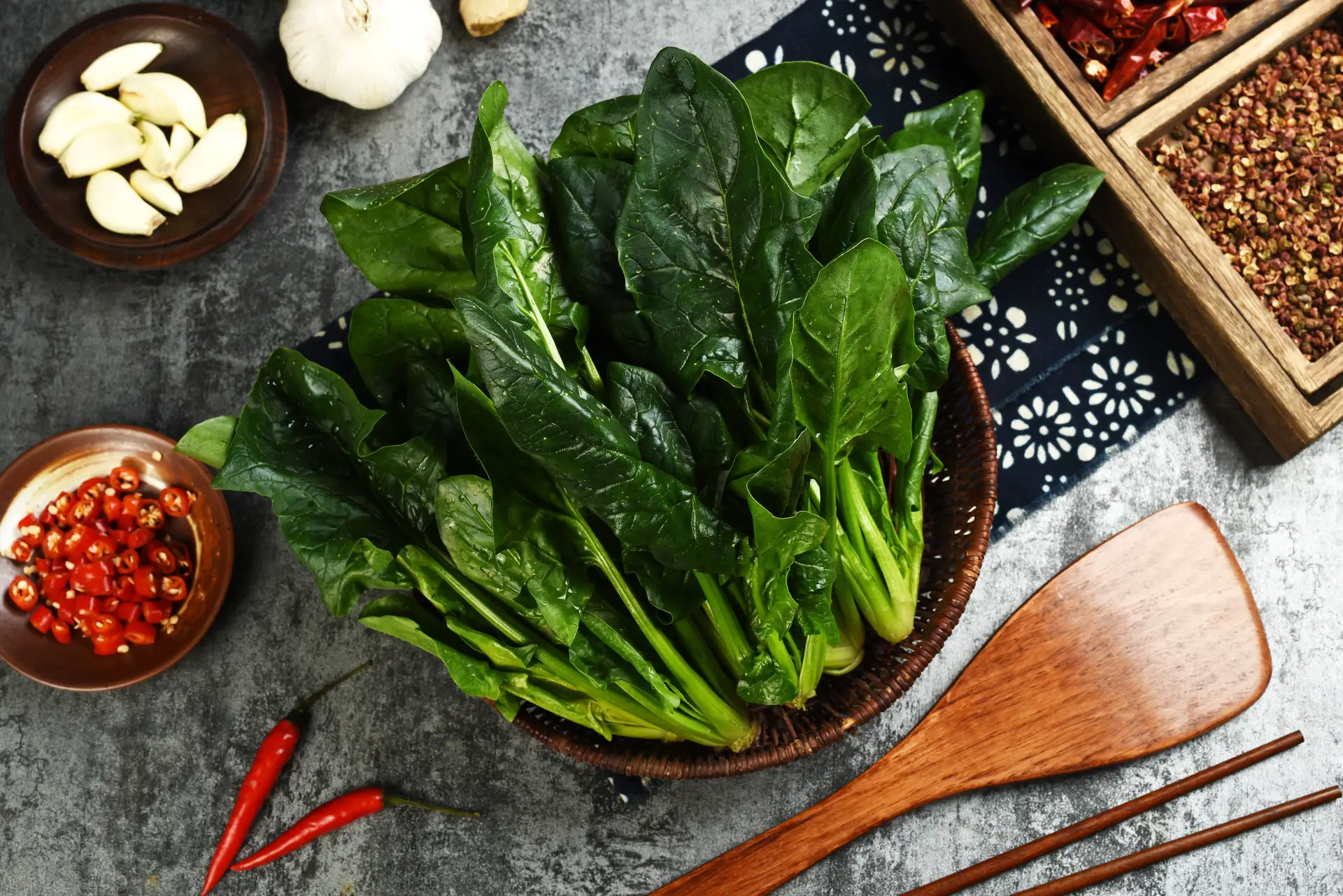
It should be noted that although spinach is high in nutrients, it also has a high oxalic acid content. The astringent taste will affect the absorption of minerals such as calcium and iron. Therefore, it should be blanched in advance when cooking, which can remove most of the oxalic acid. In addition, fresh spinach should be selected for cooking. Stale spinach has a high nitrite content.
No.2 Broccoli
| Calories | Vitamins | Folic acid |
| kcal/100g | mg/100g | μg/100g |
| 27 | 56 | 210 |
Broccoli belongs to the cruciferous vegetables and is rich in isothiocyanates. In addition, the folic acid content is also high, with 210μg of folic acid per 100g.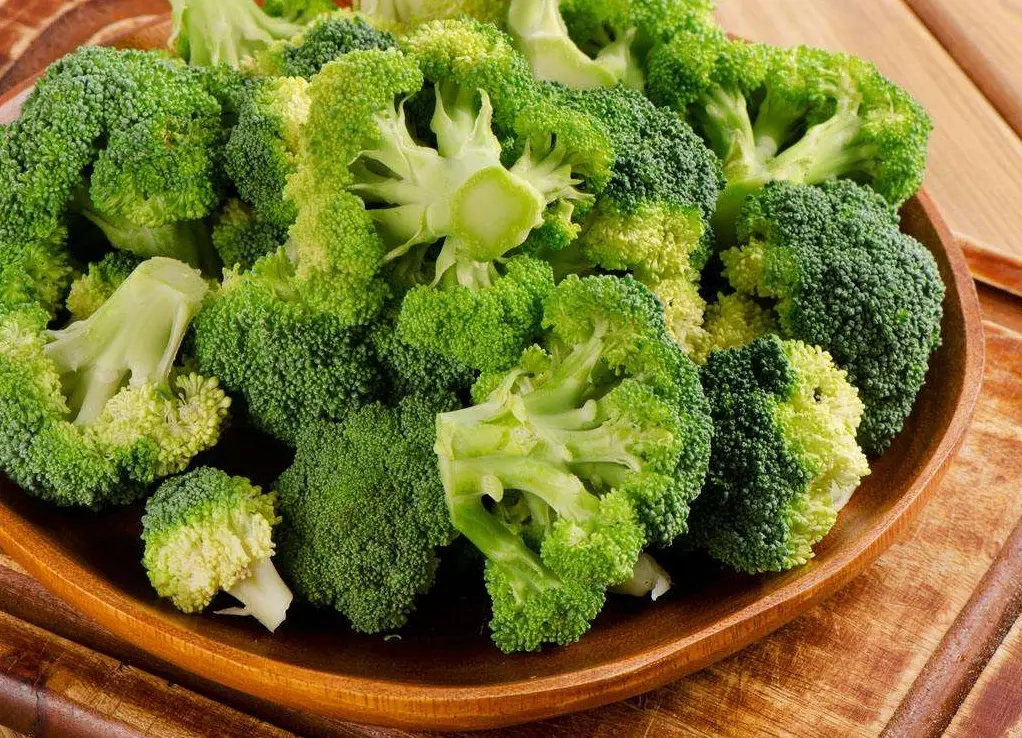
Isothiocyanates can inhibit cancers induced by various carcinogens. The US Cancer Prevention Guidelines list eating more cruciferous vegetables as one of the items. In addition, folic acid is helpful in preventing cardiovascular diseases and preventing neural tube defects in fetuses.
No.3 Shiitake Mushrooms
| Calories | Vitamin D | Insoluble dietary fiber |
| kcal/100g | μ g/100g | g/100g |
| 26 | 1.6 | 3.3 |
Shiitake mushrooms are a member of the mushroom family and are rich in polysaccharides. In addition, shiitake mushrooms are one of the few plant foods with relatively high vitamin D content. Every 100g of fresh shiitake mushrooms contains 1.6μg of vitamin D.
Mushroom polysaccharides have the effects of immune regulation, anti-tumor, and regulating blood sugar and blood lipids. They are very friendly to people with low immunity, cancer patients, and cardiovascular diseases. Vitamin D can promote calcium absorption. In addition, shiitake mushrooms have very low calories and are very suitable for friends who need to control calorie intake.
No.4 Carrots
| Calories | B-carotene |
| kcal/100g | g/100g |
| 46 | 2,652 |
As the saying goes, "carrots, small ginseng", although this statement is too exaggerated, carrots are indeed rich in nutrients.
Carrots' β-carotene ranks among the top common vegetables. β-carotene not only has antioxidant and anti-inflammatory effects, but can also be converted into vitamin A in the body, which is essential for maintaining the integrity of epithelial cells and ensuring the health of the respiratory tract.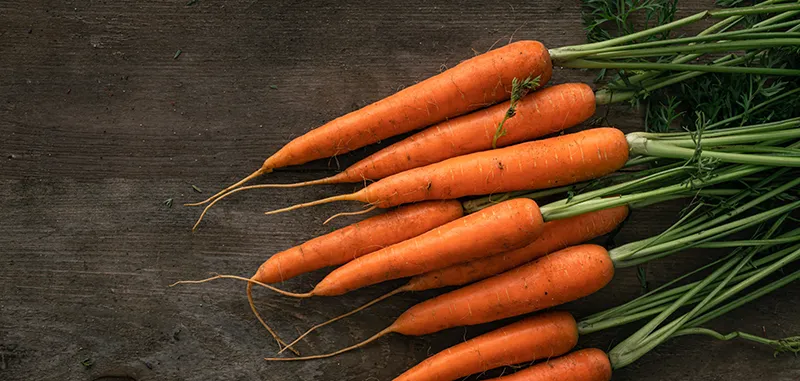
In addition, β-carotene itself can improve the immune function of cells and reduce the occurrence of infectious diseases. Carrots are also good at cooking. They are brightly colored, increase appetite, and are compatible with many vegetables.
No.5 Rapeseed
| Calories | Calcium | Carotene |
| kcal/100g | mg/100g | μ g/100g |
| 14 | 148 | 1,083 |
Rapeseed is a well-deserved common vegetable, available all year round and suitable for all kinds of eating methods. It has low calories and high calcium content. It contains 148mg of calcium per 100g, which is 1.4 times the same weight of milk. If it is black rapeseed, the calcium content is even higher, 191mg of calcium per 100g. If you drink less milk, you can consider making rapeseed a regular in your diet.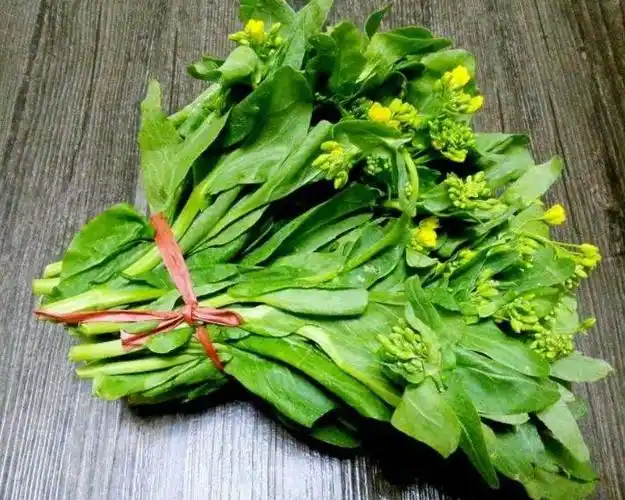
Seeing this, I wonder if you often eat these 5 vegetables? Next, let's take a look at which fruits are on the list!
Top 5 fruits
Unlike nutritious vegetables, the nutrition of fruits is relatively simple, mainly vitamin C, potassium, dietary fiber and some antioxidant phytochemicals.
Recommended basis: good nutrition, seasonal, relatively low sugar content.
No.1 Kiwi
| Calories | Vitamins | Insoluble dietary fiber | GI |
| kcal/100g | mg/100g | g/100g | Low GI<55 |
| 61 | 62 | 2.6 | 52 |
Kiwi is a common fruit rich in vitamin C. It contains 62mg of VC per 100g. Eating 1 and a half kiwis can meet the 100mg requirement of adults throughout the day. In addition to vitamin C, the lutein + zeaxanthin content in kiwifruit is relatively high among fruits. Although it is not as high as vegetables, it is also a supplement for friends who eat less dark vegetables.
In addition to helping iron absorption, vitamin C can also promote the synthesis of collagen, making the skin rosy and elastic. VC can also resist oxidation, and help the formation of antibodies to improve the body's immunity.
No.2 Strawberry
| Calories | Vitamin C | Folic acid | GI |
| kcal/100g | mg/100g | μ g/100g | Low GI |
| 32 | 47 | 32 | 40 |
Strawberry is a seasonal fruit in winter. The calorie content is very low, only 32 kcal per 100 grams, which is especially suitable for friends who want to control calories. In addition, although the vitamin C content of strawberries is not as high as kiwifruit, it is higher than that of tangerines and oranges. Eating six or seven large ones can meet the VC needs of the whole day.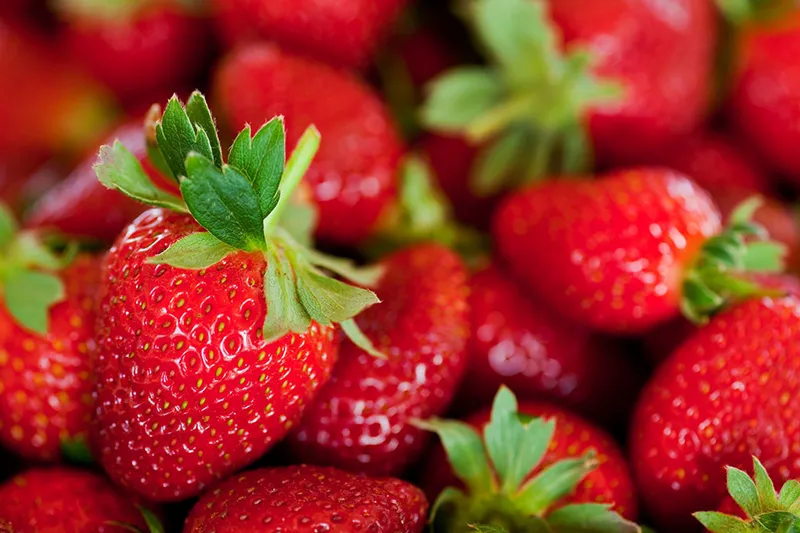
The folic acid content of strawberries is the highest among fruits, containing 32μg of folic acid per 100g. In addition, strawberries also contain antioxidant ingredients such as anthocyanins and polyphenols, which have antioxidant and anti-inflammatory effects. The small seeds on the surface can also help gastrointestinal peristalsis, helping the body "detoxify" in a two-pronged way.
No.3 Grapefruit
| Calories | Vitamins | GI |
| kcal/100g | mg/100g | Low GI<55 |
| 42 | 23 | 25 |
Grapefruit looks ordinary, it is not the lowest in energy, and vitamin C is not very high, but among the seasonal fruits in winter, grapefruit has low sugar content and a slow blood sugar rise rate, so it is worth recommending. However, although grapefruit is good, you should also pay attention to controlling the amount of consumption. Especially for diabetics, it is best to eat no more than 3 grapefruit slices a day, and eat them in several times.
No.4 Pear
| Calories | Vitamin C | Insoluble dietary fiber | GI |
| kcal/100g | mg/100g | g/100g | Low GI<55 |
| 51 | 5 | 2.6 | 36 |
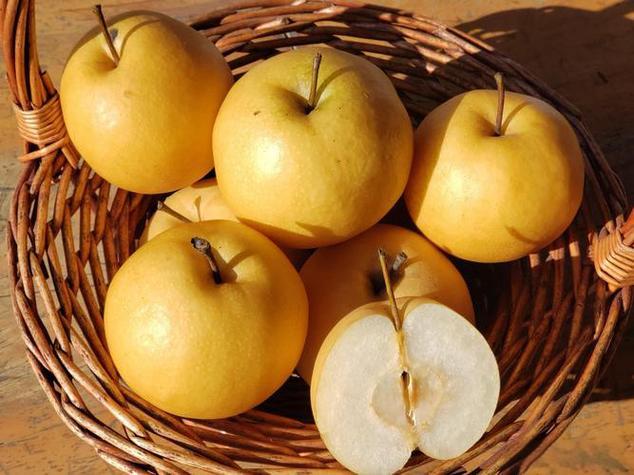
Pears are rich in dietary fiber. Every 100g of pears has about 2.6g of dietary fiber, and Korla pears can be as high as 6.2g, which is the top content among fruits.
Dietary fiber contributes to digestive health and laxative. In the latest dietary guidelines released by the World Health Organization in July, it is strongly recommended that adults should consume at least 25g of dietary fiber every day through natural foods.
In addition, pears also contain fructose and sorbitol. These ingredients all contribute to intestinal peristalsis, and it is a fruit worth trying for friends who often suffer from constipation. However, for people with weak gastrointestinal function, it is recommended to eat less or choose varieties with low dietary fiber content such as snow pears and moon pears.
No.5 Apple
| Calories | GI |
| kcal/100g | Low GI<55 |
| 53 | 36 |
Although there are many kinds of fruits now, apples are one of the few fruits that can be eaten from childhood to adulthood. Although apples do not contain high levels of vitamin C, they are rich in antioxidant polyphenols, chlorogenic acid, flavonoids and other phytochemicals. The rate of raising blood sugar is not fast among fruits. In addition, the price is affordable, so it is worth recommending in winter.
Apples are rich in pectin. If you don’t like to eat too cold fruits in winter, hot and fleshy baked apples and apples cooked with rock sugar are also very delicious.
There are many other high-nutrition varieties of vegetables and fruits, which cannot be listed one by one this time. "Nutrient density" is a valuable concept. It can be used as a concept when choosing food, but if you want to eat healthily, you still need to pay attention to food diversification, eat more dark-colored fruits and vegetables, and ensure that there are vegetables at every meal (300-500g per day) and fruits every day (200-350g per day). Only with diverse foods can nutrition complement each other.