The earliest black tea in the world was invented by Han tea farmers in the Wuyishan tea area of Fujian during the Ming Dynasty in China. It was named "Zhengshan Xiaozhong" and has a history of more than 400 years since its birth. In the world tea market, black tea accounts for more than 80%, even more than the sum of the other major teas. Black tea is one of the basic teas. It belongs to the fully fermented tea category. It is made from the buds and leaves of the tea tree through typical processes such as withering, rolling, fermentation, and drying. Fermentation is the key process in the processing of black tea. It is named because of the color of its dry tea and the red tone of its brewed tea soup.
The Buenos Aires Economic News Network in Argentina recently reported that tea is one of the most popular drinks in the world. The wonderful flavors provided by various teas and their unique comfort have made it one of the most popular drinks since ancient times.
Black tea is one of the most popular teas in the world, famous for its rich flavor and health benefits. Black tea is rich in antioxidants such as tea polyphenols and flavonoids, which can help reduce the risk of heart disease by improving cholesterol levels and promoting arterial health. Additionally, its moderate caffeine content can be refreshing and energizing. Research also suggests that black tea may aid digestive health and boost the immune system. Incorporating black tea into your daily diet may be a delicious and healthy way to boost your overall well-being.
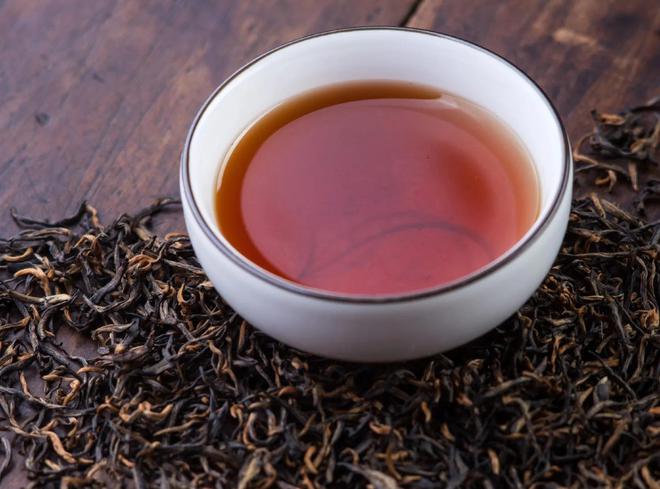

It is important to emphasize that black tea has a high concentration of antioxidant compounds that are able to protect human cells from damage caused by free radicals, the accumulation of which is considered a major cause of premature aging.
Refreshing and relieving fatigue: Caffeine in black tea stimulates the nerve center by stimulating the cerebral cortex, which promotes refreshing and focused thinking, and then makes the thinking reaction more acute and memory enhanced; it also has an exciting effect on the vascular system and the heart, strengthens the heartbeat, thereby accelerating blood circulation to facilitate metabolism, and at the same time promotes sweating and diuresis, thereby accelerating the excretion of lactic acid (a substance that makes muscles feel tired) and other old waste substances in the body, achieving the effect of eliminating fatigue.
Producing body fluids and clearing away heat: Drinking black tea in summer can quench thirst and relieve heat because the polyphenols, sugars, amino acids, pectin, etc. in the tea react chemically with saliva and stimulate saliva secretion, causing the mouth to feel moisturized and produce a cool feeling; at the same time, caffeine controls the body temperature center of the hypothalamus and regulates body temperature. It also stimulates the kidneys to promote the excretion of heat and waste to maintain the physiological balance in the body.
Diuretic: The caffeine and aromatic substances in black tea increase the blood flow to the kidneys, improve the glomerular filtration rate, dilate the renal microvessels, and inhibit the reabsorption of water by the renal tubules, thus increasing the urine volume. This is beneficial for eliminating lactic acid, uric acid (related to gout), excessive salt (related to hypertension), harmful substances, etc. in the body, and relieves edema caused by heart disease or nephritis.
Anti-inflammatory and sterilizing: The polyphenol compounds in black tea have anti-inflammatory effects. Experiments have found that catechins can combine with single-cell bacteria to coagulate and precipitate proteins, thereby inhibiting and eliminating pathogens. Therefore, it is quite beneficial for patients with bacterial dysentery and food poisoning to drink black tea. People also often use strong tea to apply wounds, bedsores and athlete's feet.
Detoxification: Theophylline in black tea can absorb heavy metals and alkaloids, and precipitate and decompose them. This is a blessing for modern people whose drinking water and food are polluted by industry.
Strong bones: On May 13, 2002, the American Medical Association published a survey of 497 men and 540 women over a period of more than 10 years, pointing out that people who drink black tea have strong bones. The polyphenols in black tea (also found in green tea) can inhibit the activity of substances that destroy bone cells. In order to prevent and treat osteoporosis, which is common in women, it is recommended to take a small cup of black tea every day. The effect is obvious after several years. If lemon is added to black tea, the bone is strengthened and the effect is stronger. Various fruits can also be added to black tea to play a synergistic role.
Anti-aging: In the past five years, the US government has funded more than 150 studies on green tea and black tea and their chemical components. The results show that the antioxidants in green tea and black tea can completely destroy the transmission path of chemicals in cancer cells. Dr. Murray Mittelman, director of cardiovascular epidemiology at Beth Israel Deaconess Medical Center in Boston, said: "The effects of black tea and green tea are roughly the same, but the antioxidants in black tea are much more complex than those in green tea, especially for the heart." American magazines reported that the anti-aging effect of black tea is stronger than garlic, broccoli and carrots.
Stomach care: People who drink green tea without eating will feel uncomfortable in the stomach. This is because the important substance contained in tea leaves, tea polyphenols, is astringent and has a certain stimulating effect on the stomach, and the irritation is stronger when the stomach is empty. Black tea is different. It is made by fermentation and baking. Not only does black tea not hurt the stomach, but it can nourish the stomach. Regular drinking of black tea with sugar and milk can reduce inflammation, protect the gastric mucosa, and has a certain effect on the treatment of ulcers.
Vascular relaxation: A study in the American medical community is related to black tea. The study found that heart patients who drink 4 cups of black tea a day can increase vascular relaxation from 6% to 10%. After being stimulated, the relaxation of ordinary people will increase by 13%.
According to Harvard University researchers, black tea helps longevity because it contains antioxidant and anti-inflammatory compounds (such as tea polyphenols and flavonoids). These compounds may help reduce the production of oxidative stress and chronic inflammation. Oxidative stress and chronic inflammation are factors that lead to the development of chronic diseases such as aging and heart disease and certain types of cancer.
In addition, regular consumption of black tea can also improve cardiovascular health, lower cholesterol levels, and better regulate blood sugar. All of these factors together contribute to a longer, healthier life.
A study released by the National Institutes of Health showed that people who drink at least two cups of tea a day have a 9% to 13% lower risk of death than those who do not drink tea.

Black tea can help control blood sugar through multiple mechanisms. The tea polyphenols present in black tea have antioxidant properties that can improve insulin sensitivity. This allows human cells to use glucose more efficiently, thereby lowering blood sugar levels.
Results of a study by the University of Adelaide in Australia and Southeast University in China suggest that regular consumption of black tea may help reduce the risk of type 2 diabetes by improving the function of pancreatic beta cells responsible for producing insulin. Incorporating black tea into your daily diet can be a complementary strategy for maintaining healthy blood sugar levels.


