It is high in carbohydrates and contains 10% to 20% starch, so lotus root can be used as both a vegetable and a staple food. Especially for diabetics, if they have a meal with lotus root, they should pay attention to reducing the amount of other staple foods;
The vitamin C content of lotus root is not bad ~ 44 mg of vitamin C per 100 grams of lotus root. In the north, in winter when there are fewer vegetables, eating lotus root can also get a lot of vitamin C;
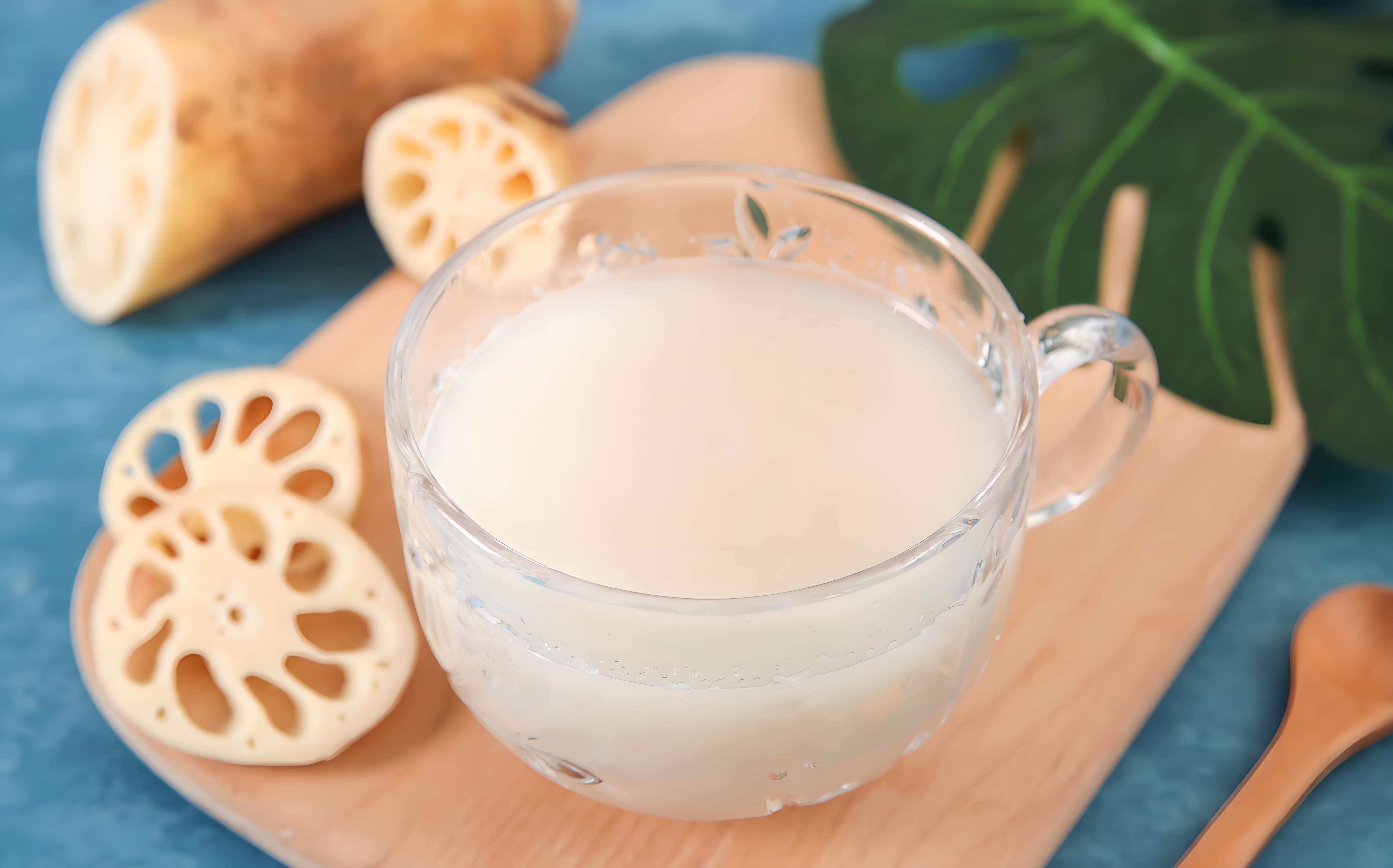
Lotus root juice is rich in trace elements such as iron and calcium, as well as plant protein, starch and vitamins. The calcium content of 100 grams of lotus root is about 40 mg. These are key nutrients for replenishing qi and blood and improving immunity. Especially in the cold season, drinking a cup of hot lotus root juice can not only moisturize the throat, but also inject a steady stream of energy into the body. These nutrients can be quickly absorbed and utilized by the human body, thereby enhancing immunity and building a solid barrier for good health.
Clear heat, cool blood, stop bleeding and disperse blood stasis. According to the records of "Chinese Materia Medica", lotus root is sweet and cold in nature, and can penetrate into the heart, spleen, stomach, liver, and lung meridians, and play multiple functions such as clearing heat and promoting body fluid, cooling blood and dispersing blood stasis, and stopping bleeding. For those bleeding symptoms caused by blood heat or accidents, such as nosebleeds and coughing up blood, lotus root can quickly cool blood and stop bleeding, helping the body to recover. This is due to the tannin components in lotus root. This complex polyphenol compound has the effect of constricting blood vessels, thereby further enhancing its hemostatic function.
Laxative, antidiarrhea, spleen and appetite. This effect of lotus root is due to the mucus protein and dietary fiber it contains. These components can combine with bile salts, cholesterol and triglycerides in food in the human body, so that they can be excreted from the feces, thereby reducing the absorption of lipids. In this way, lotus root can not only help us reduce lipid intake, but also stop diarrhea. For people with diarrhea, lotus root is undoubtedly an ideal diet therapy choice. At the same time, lotus root also has a significant effect in strengthening the spleen and appetizing. It contains a certain amount of tannin, which has the effect of strengthening the spleen and stopping diarrhea.
1. Lotus root juice
Ingredients: 370g lotus root, 80g sugar, 800g water.
Steps:
Peel the lotus root and cut it into small pieces.
Add water to the lotus root until it reaches 500ml and squeeze the juice.
Filter the lotus root juice and boil water at the same time.
Add the filtered lotus root juice after 800g water is boiled.
After boiling again, remove the foam, add sugar and simmer for 10 minutes.
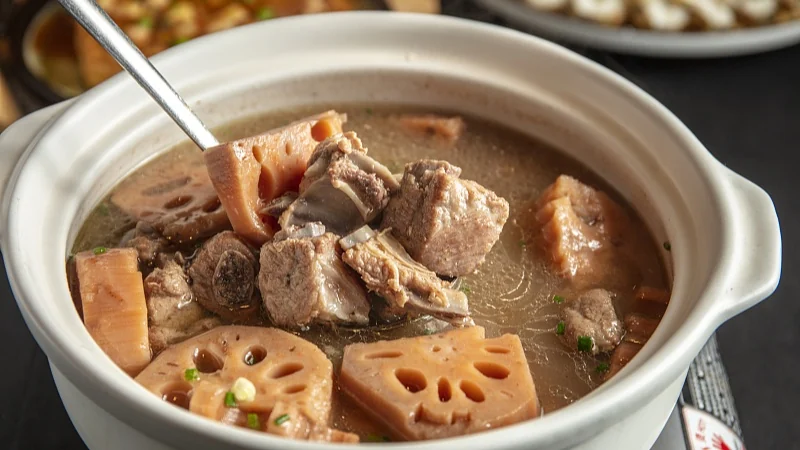
2. Lotus root and pork ribs soup
Ingredients: 500 grams of pork ribs; 1 lotus root; wolfberry; scallop (optional); 3-4 slices of ginger; 1 spoon of strong liquor; salt; white pepper; water
Steps:
Prepare the ingredients: wash the pork ribs, cut them into sections, peel and cut the lotus root. Soak the wolfberry in water for 10 minutes in advance, and slice the ginger for later use.
Blanch the pork ribs: Put the pork ribs in a pot of cold water, add ginger and cooking wine, and heat on the fire. After the water boils, skim off the foam, remove the pork ribs, rinse them, and set aside.
Process the lotus root: After cutting the lotus root into pieces, rinse it with clean water to remove surface impurities.
Stew the soup: Add an appropriate amount of water to the stew pot, add the blanched ribs and lotus root pieces, and add ginger slices. After boiling over high heat, turn to low heat to keep the soup slightly boiling.
Slow-cook the pork rib soup: Continue to simmer over low heat for 1 hour, skimming the foam during the period to ensure that the soup is clear.
Add wolfberry and scallops: When the soup is almost done, add the soaked wolfberry and scallops (the scallops can be soaked in advance, if used), and continue to simmer for 20-30 minutes.
Seasoning and finishing: After stewing, add an appropriate amount of salt and white pepper to season, and finally stew for another 5-10 minutes. After turning off the heat, let the soup stand for a while to make the taste more intense.