When you walk into a convenience store today, you’ll notice a clear divide. On one side are familiar names like Red Bull and Monster. On the other, a new generation of drinks labeled with adaptogens, guayusa, lion’s mane, and plant-based energy.
Traditional energy drinks promise instant stimulation. Herbal energy drinks promise balanced, sustained energy without the crash.
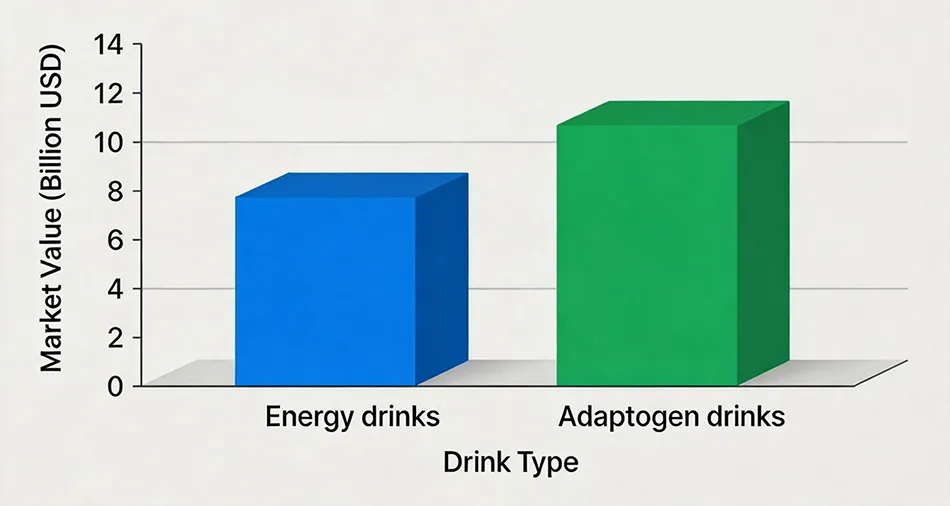
This shift is not just a trend—it’s backed by data:
The global energy drink market is expected to reach $83.31 billion in 2026
The adaptogenic energy drink segment is growing at 16.8% CAGR
43% of U.S. adults report increased anxiety, driving demand for “clean energy”
So how do these two categories really compare?
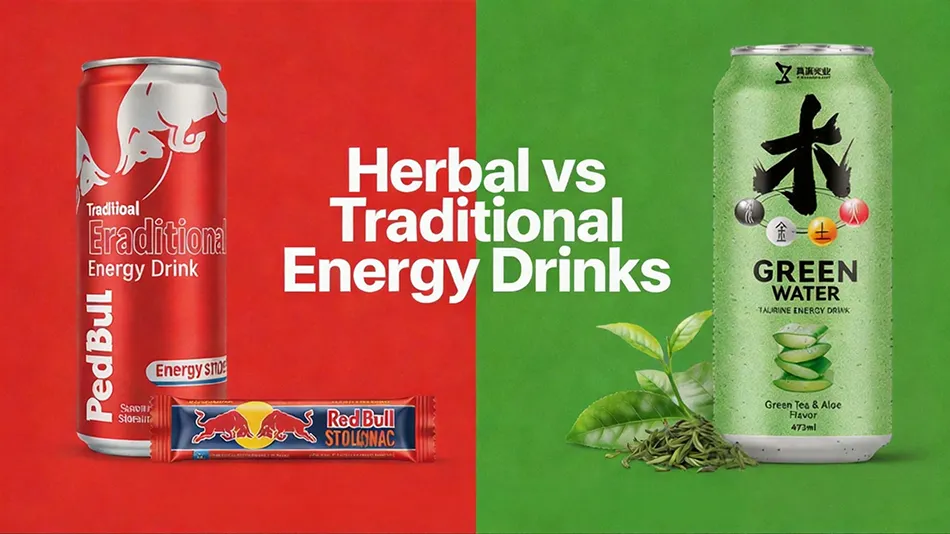
Synthetic caffeine
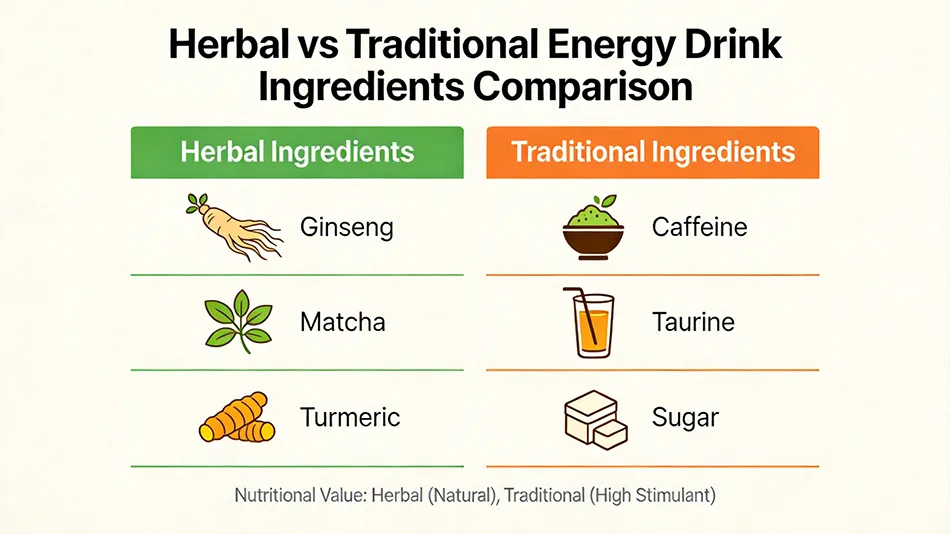
Synthetic caffeine is chemically identical to natural caffeine but lacks the accompanying plant compounds such as polyphenols. This often results in faster absorption and sharper stimulation, which can lead to noticeable side effects like jitteriness, increased heart rate, and a sudden energy crash once the effect wears off.
Taurine
Taurine is an amino acid that supports cardiovascular function and helps regulate electrolyte balance. While it is widely used in energy drinks, its role is more supportive than stimulatory, meaning it enhances overall physiological function rather than directly boosting energy levels.
B vitamins (B3, B6, B12)
These vitamins are essential for converting carbohydrates, fats, and proteins into usable energy at the cellular level. However, their inclusion in energy drinks often exceeds daily requirements, and their immediate impact on perceived energy is relatively limited.
Sugars (glucose, sucrose)
Sugars provide a rapid increase in blood glucose, delivering immediate energy. However, this is often followed by a rapid decline in blood sugar levels, leading to fatigue, irritability, and reduced concentration.
Artificial sweeteners (e.g., sucralose)
Used in sugar-free variants, artificial sweeteners help reduce caloric intake but may influence metabolic responses, including insulin sensitivity and gut microbiota balance, according to emerging research.
Natural caffeine sources
Ingredients like guayusa, guarana, yerba mate, and green tea provide caffeine along with bioactive compounds such as flavonoids and polyphenols. These compounds can slow caffeine absorption, resulting in a smoother and longer-lasting energy curve.
Adaptogens
Adaptogenic herbs such as ashwagandha, rhodiola, ginseng, and lion’s mane help regulate the body’s stress response by interacting with the HPA axis. This supports long-term energy stability, improved focus, and reduced fatigue under stress.
L-theanine
This amino acid promotes relaxation without sedation and works synergistically with caffeine. It helps reduce side effects such as anxiety and improves cognitive performance, making it a key ingredient in modern “clean energy” beverages.
Natural sweeteners
Monk fruit and stevia provide sweetness without raising blood sugar levels. They are essential for developing low-sugar or zero-sugar formulations that align with global health trends.
Functional plant compounds
Ingredients such as theobromine provide mild, longer-lasting stimulation, whereas L-citrulline enhances blood flow and oxygen delivery, supporting both mental and physical performance.
Traditional energy drinks rely on a direct stimulation pathway:
Rapid absorption and peak effect
Caffeine quickly enters the bloodstream and reaches peak concentration within 30–60 minutes, delivering an immediate boost in alertness.
Adenosine receptor blocking
By blocking adenosine, a neurotransmitter responsible for promoting sleep, caffeine temporarily suppresses fatigue signals.
Short duration and crash effect
Because the stimulation is intense and short-lived, users often experience a drop in energy levels once caffeine levels decline.
Dose-dependent side effects
Higher intake increases the likelihood of side effects such as anxiety, insomnia, and cardiovascular strain.
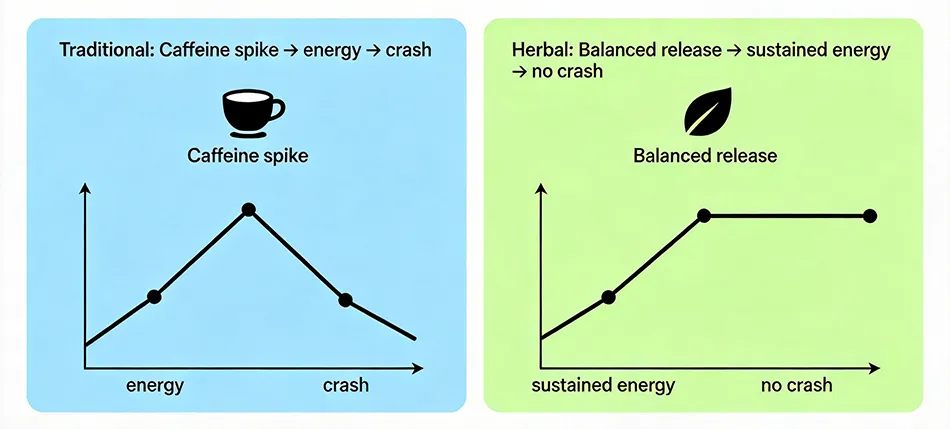
Herbal energy drinks operate through a multi-system approach:
Neurotransmitter modulation
Natural caffeine, combined with plant compounds, enhances dopamine and acetylcholine pathways, thereby improving focus and cognitive performance.
Improved circulation
Ingredients such as L-citrulline increase nitric oxide production, leading to improved blood flow and oxygen delivery.
Cellular energy support
Adaptogens, such as cordyceps, may enhance mitochondrial ATP production, thereby supporting endurance and reducing fatigue.
Stress adaptation
Adaptogens help regulate cortisol levels, improving resilience to both physical and mental stress.
L-theanine is often considered the key differentiator.
promotes calm focus without sedation
reduces caffeine-induced anxiety
enhances attention and cognitive performance
👉 The widely used 2:1 ratio (L-theanine:caffeine) delivers what many brands call:
“Calm, focused energy without the crash.”
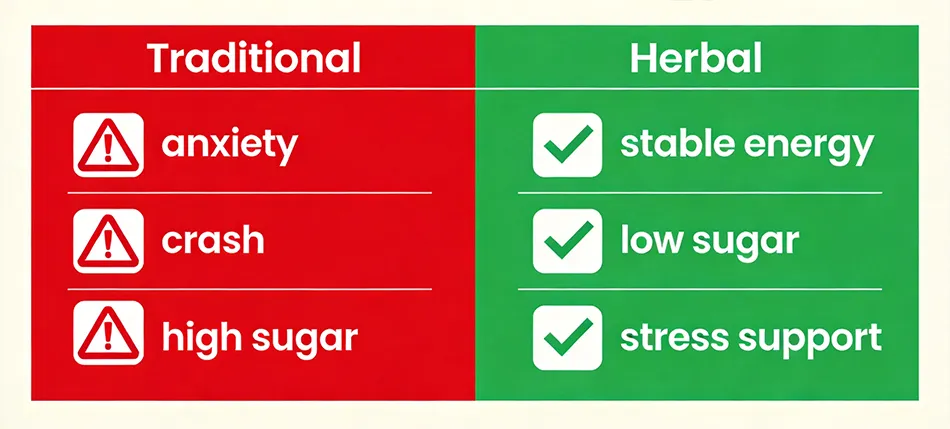
Scientific research has identified several risks:
Caffeine overload risks
Excessive intake can lead to anxiety, insomnia, heart palpitations, and in extreme cases, neurological or cardiovascular events.
High sugar intake
Regular consumption of high-sugar drinks increases the risk of obesity, insulin resistance, and type 2 diabetes.
Alcohol interaction dangers
Combining energy drinks with alcohol can mask intoxication, increasing the risk of accidents and risky behavior.
Herbal drinks are generally better tolerated:
Balanced energy release
Natural caffeine combined with plant compounds results in smoother stimulation and reduced crash risk.
Clinical backing for adaptogens
Studies support their role in improving fatigue resistance and stress management.
Regulatory acceptance
Many ingredients have GRAS status, supporting safe consumption.
Moderation still required
Total caffeine intake should remain within recommended limits.
Rising health awareness and anti-anxiety demand
With 43% of U.S. adults reporting increased anxiety levels, consumers are actively seeking alternatives to high-stimulation energy drinks. Herbal energy drinks position themselves as a “calm energy” solution, addressing both mental performance and emotional balance.
Clean-label movement accelerating purchase decisions
More than 51% of consumers globally prefer beverages with natural, recognizable ingredients. Labels featuring plant extracts, no artificial additives, and transparent sourcing significantly improve conversion rates at the shelf level.
Shift from performance to daily wellness
Energy drinks are no longer limited to athletes or gamers. Office workers, students, and digital nomads are driving demand for all-day functional beverages, creating opportunities for lower-caffeine, adaptogen-based formulations.
Sugar reduction policies and consumer pressure
Governments worldwide are implementing sugar taxes and labeling regulations. This pushes brands to innovate in low-sugar and zero-sugar formulations, accelerating the shift toward natural sweeteners.
Perception barrier of “energy drinks = unhealthy”
In many Asian markets, traditional energy drinks are associated with artificial ingredients and high sugar content. This creates resistance, even among consumers who need functional benefits.
Opportunity for “herbal positioning”
By framing products as herbal tonics, functional teas, or wellness drinks, brands can bypass negative associations and tap into existing cultural acceptance of plant-based remedies.
Education-driven growth model
Unlike North America, where consumers are already familiar with adaptogens, APAC markets require content marketing and storytelling to explain benefits and build trust.
Localization is critical
Ingredients like ginseng, goji berry, and herbal tea extracts resonate more strongly with local consumers, making regional formulation a key success factor.
Red Bull Zero (natural sweeteners)
Monster acquisitions expanding portfolio
Celsius focusing on plant-based caffeine
En-Theories → Asian herbal blends
FOURFIVE → adaptogens + electrolytes
Sunrider → cognitive-focused blends
Traditional energy drinks: high sweetness, low complexity
These products typically rely on strong sweetness and acidity to mask bitterness from caffeine and taurine. While immediately appealing, they often lack depth and can lead to flavor fatigue over time.
Herbal energy drinks: layered and evolving flavors
Herbal formulations introduce more complex profiles, combining bitterness, sweetness, and acidity. When properly balanced, this creates a more premium and memorable drinking experience.
Flavor masking as a key technical challenge
Ingredients like ginseng or adaptogens can introduce earthy or bitter notes. Successful brands invest in flavor systems that balance functional efficacy with consumer acceptance.
Traditional: fast spike, fast drop
Consumers experience an immediate surge in energy and alertness, followed by a noticeable decline. This cycle often leads to repeated consumption throughout the day.
Herbal: sustained and stable energy
The combination of natural caffeine and adaptogens provides a gradual onset and longer-lasting effect, reducing the need for multiple servings.
Perceived “clean energy” advantage
Consumers increasingly report that herbal energy drinks feel “lighter,” “smoother,” and less taxing on the body, which enhances brand loyalty and repeat purchase rates.
Breaking the “chemical drink” stereotype
Many consumers associate energy drinks with artificial ingredients. Herbal brands must clearly communicate their natural composition to shift perception.
Reframing the category
Positioning products as “functional herbal beverages” or “plant-based energy” can significantly improve acceptance, especially in conservative markets.
Trust-building through transparency
Clear labeling, ingredient sourcing stories, and clinical references help establish credibility and reduce skepticism.
Natural caffeine differentiation
Using plant-based caffeine sources allows brands to position products as clean-label and premium.
Adaptogen-based functionality
Adding ingredients like lion’s mane or ginseng creates strong functional claims around focus and stress relief.
Improved user experience
Combining caffeine with L-theanine enhances perceived energy quality.
Health-driven formulations
Low-sugar and natural sweeteners align with modern consumer expectations.
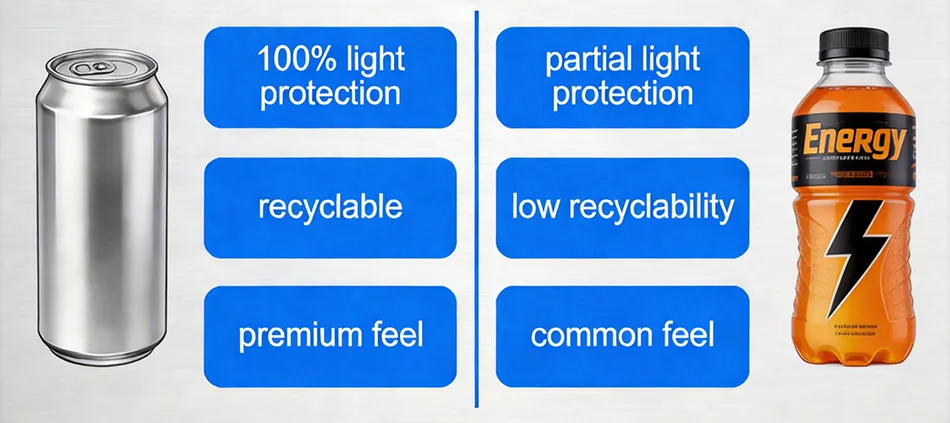
Aluminum cans: premium and functional advantage
Aluminum provides 100% light and oxygen barrier protection, preserving sensitive ingredients such as vitamins and plant extracts. It also enhances perceived product quality.
Sustainability as a differentiator
With increasing environmental awareness, recyclable aluminum packaging aligns with consumer values and supports brand positioning.
On-the-go convenience
Cans are lightweight, portable, and ideal for modern consumption scenarios such as commuting, fitness, and travel.
👉 Explore: 473ml Aluminum Beverage Cans
Launching a herbal energy drink requires:
formulation expertise
ingredient sourcing
stability testing
scalable production
Integrated partners like Zhenxi Industry provide end-to-end solutions—from raw materials to filling and export delivery.
With 100% on-time delivery and ~80% reorder rates, such suppliers help brands reduce risk and accelerate time-to-market.
👉 Product examples:
Natural caffeine will replace synthetic dominance
Consumers increasingly prefer plant-derived caffeine due to its smoother effect and perceived health benefits.
Adaptogens becoming mainstream ingredients
What was once niche is rapidly entering the mass market, driven by stress-related consumer needs.
Multi-functional beverages rising
Future products will combine energy, hydration, immunity, and cognitive support in a single formulation.
L-theanine standardization
As research continues to support its benefits, L-theanine is likely to become a standard pairing with caffeine.
Sustainable packaging adoption
Aluminum cans and recyclable materials will become industry norms rather than premium options.
Traditional drinks = fast but unstable energy
Herbal drinks = balanced, multi-system support
Market is shifting toward natural solutions

Evaluate ingredient labels carefully
Look for the source of caffeine (natural vs synthetic), sugar content, and presence of functional ingredients.
Match product to usage scenario
Choose fast-acting energy drinks for short-term needs and herbal options for sustained performance.
Monitor total caffeine intake
Keep daily consumption below 400mg to avoid negative side effects.
Define a clear product positioning
Decide whether the product targets performance, wellness, or daily hydration, and align formulation accordingly.
Invest in formulation differentiation
Combining natural caffeine with adaptogens and amino acids creates a strong competitive advantage.
Optimize for global trends
Focus on low-sugar, clean-label, and sustainable packaging to meet regulatory and consumer expectations.
Leverage OEM partners with integrated capabilities
Working with experienced manufacturers like Zhenxi Industry ensures end-to-end control from formulation to packaging, helping brands reduce risk and accelerate time-to-market.
Ready to develop your own herbal energy drink?
Contact us and work with an experienced OEM partner to bring your concept to market—from formulation to aluminum can production.
Herbal energy drinks use natural ingredients and provide smoother energy, while traditional ones rely on synthetic stimulants for rapid effects.
They are generally better tolerated but should still be consumed in moderation.
Yes, but usually from natural sources like tea or guarana.
Adaptogens are plant compounds that help the body manage stress and improve energy balance.
Yes, OEM manufacturers like Zhenxi Industry offer full-service development and production.


