As global consumers shift toward healthier and more natural functional beverages, a new category is emerging at the intersection of tradition and innovation: the Five Elements energy drink. It combines the Five Elements theory (wood, fire, earth, metal, water) of Traditional Chinese Medicine with modern functional ingredients, using the concept of five colors corresponding to the five internal organs (green for the liver, red for the heart, yellow for the spleen, white for the lungs, and black for the kidneys) to create a "milder and more nourishing" energy boost.
Rooted in Traditional Chinese Medicine (TCM), this concept combines the ancient Five Elements theory (Wu Xing) with modern beverage science to create energy drinks that are not only stimulating, but also balanced, functional, and wellness-oriented.
In China, this trend is already gaining traction. In January 2026, Master Kong Iced Tea ENERGY sold 22,000 cases in its first week on Douyin (TikTok), adding medicinal and edible ingredients such as goji berries, polygonatum, and ginseng, marking this category's move towards mainstream adoption, brands are redefining what an energy drink can be.
But what exactly is a Five Elements energy drink—and how can beverage brands develop one?

The Five Elements theory (Wu Xing) is a fundamental concept in Traditional Chinese Medicine. It describes how five natural elements—Wood, Fire, Earth, Metal, and Water—interact dynamically to maintain balance in the universe and the human body.
Each element corresponds to a major organ system:
Wood → Liver
Fire → Heart
Earth → Spleen
Metal → Lungs
Water → Kidneys
In functional beverage development, applying the Five Elements theory offers several strategic advantages:
Structured product development framework
The Five Elements system provides a clear and logical way to design formulations by linking ingredients to specific physiological functions. Instead of randomly combining ingredients, developers can build products based on a holistic system, improving both scientific credibility and storytelling.
Multi-functional product positioning
Unlike traditional energy drinks that focus only on stimulation, Five Elements beverages can simultaneously address multiple needs such as energy, immunity, digestion, and recovery. This allows brands to position their products as “all-in-one wellness beverages”.
Stronger brand differentiation
In a saturated energy drink market, using TCM concepts helps brands stand out. The integration of traditional philosophy with modern science creates a unique narrative that resonates especially well with younger consumers seeking authentic and culturally rich products.
Premiumization opportunities
Products built on natural ingredients and traditional health concepts are often perceived as higher value. This enables brands to justify premium pricing compared to conventional energy drinks.
This approach transforms beverages from simple refreshment into holistic functional solutions.
According to TCM, foods are associated with colors, flavors, and organ systems, forming a complete nutritional philosophy.
| Element | Organ | Color | Ingredients | Function |
|---|---|---|---|---|
| Wood | Liver | Green | Green tea, mung bean, spinach | Detox, fatigue relief |
| Fire | Heart | Red | Red dates, goji berry | Blood circulation |
| Earth | Spleen | Yellow | Ginseng, pumpkin | Digestion support |
| Metal | Lungs | White | Lotus seed, yam | Hydration, skin health |
| Water | Kidney | Black | Black bean, mulberry | Anti-aging |
These relationships help formulators design drinks with:
multi-functional benefits, such as energy + recovery + immunity
natural color systems, improving visual appeal
ingredient storytelling, enhancing brand value

Traditional energy drinks rely on a standardized formula designed for immediate stimulation:
Caffeine
Caffeine is the primary active ingredient responsible for boosting alertness and reducing fatigue. It works by blocking adenosine receptors in the brain, delaying the onset of tiredness. However, excessive intake can lead to jitteriness, increased heart rate, and post-energy crashes.
Taurine
Taurine is an amino acid that supports cardiovascular function and helps regulate electrolyte balance. While commonly included in energy drinks, its direct energy-boosting effects are still debated, making it more of a supportive ingredient.
B Vitamins
Vitamins such as B3, B6, and B12 play a role in converting food into energy at the cellular level. Although they are essential for metabolism, their impact is more long-term rather than providing immediate stimulation.
Sugars
Sugars like glucose and sucrose provide quick energy by rapidly increasing blood sugar levels. However, this often results in a “spike-and-crash” effect, which can negatively impact consumer perception over time.
These products focus primarily on short-term stimulation, often at the cost of long-term wellness.
Five Elements energy drinks redefine this category by incorporating natural and functional ingredients.
Key differences include:
Natural caffeine sources
Instead of synthetic caffeine, these drinks often use extracts from green tea, black tea, or guarana. These sources may contain additional bioactive compounds such as polyphenols, which can provide antioxidant benefits and create a smoother energy release.
Adaptogenic ingredients
Ingredients like ginseng, goji berry, and lion’s mane mushroom help the body adapt to stress and improve resilience. Unlike caffeine, which provides immediate stimulation, adaptogens support long-term energy balance and mental clarity.
Holistic formulation philosophy
The “medicine and food homology” concept emphasizes that ingredients should nourish the body while delivering function. This leads to formulations that are perceived as safer, more natural, and suitable for daily consumption.
Reduced reliance on sugar
Many Five Elements drinks adopt low-sugar or sugar-free formulations, aligning with global health trends and reducing the risk of energy crashes.
This approach creates what many brands call:
👉 “Clean energy” or “balanced energy” beverages
| Brand | Ingredients | Energy Source |
|---|---|---|
| Master Kong Energy Tea | Goji, ginseng | Tea caffeine |
| Genki Forest Energy | Ginseng, goji | Caffeine |
| FOURFIVE Hydro | Lion’s mane, ginseng | 76 mg caffeine |
| Celsius | Green tea extract | Natural caffeine |
These products show a clear shift toward:
natural ingredients
functional synergy
better-for-you positioning
Launched in 2026, this product achieved:
22,000 cases sold in one week
3.4 million+ views on Douyin
combines traditional tea flavor with functional herbs
integrates well-known brand IP with energy positioning
targets scenarios like overtime work and studying
The trend is not limited to China.
Celsius ranks among the top energy drink brands in the U.S.
FOURFIVE combines adaptogens with hydration and energy
75% of consumers prioritize taste when choosing energy drinks
Consumers are shifting toward:
natural energy sources
functional ingredients
better taste experiences
China’s functional beverage market presents unique opportunities.
energy drink market size reached 111.4 billion RMB in 2024
“health tonics” like goji drinks are becoming mainstream
younger consumers are embracing TCM-inspired products
This creates a strong foundation for Five Elements energy drinks.
Each element contributes unique functional and sensory characteristics:
Wood (Liver)
Ingredients such as green tea and mint are associated with detoxification and liver support. Green tea also provides natural caffeine and antioxidants, making it a key ingredient for both energy and health positioning.
Fire (Heart)
Red-colored ingredients like goji berries and red dates are rich in antioxidants and are traditionally believed to support blood circulation. These ingredients also contribute natural sweetness and enhance the visual appeal of the beverage.
Earth (Spleen)
Ginseng and astragalus are widely used in TCM for boosting energy and improving digestion. These ingredients are particularly valuable in energy drinks because they provide sustained vitality rather than short bursts of stimulation.
Metal (Lungs)
Ingredients such as lotus seeds and yam are known for their hydrating and soothing properties. They can also improve mouthfeel, giving the beverage a smoother texture.
Water (Kidney)
Black-colored ingredients like black beans and mulberries are associated with anti-aging and vitality. They also provide natural pigments, helping create visually distinctive products.
A well-designed caffeine strategy is essential for product success:
Use of natural caffeine sources
Extracts from tea or guarana not only provide caffeine but also include additional compounds that enhance the overall functional profile. This aligns with consumer demand for “clean energy”.
Optimized dosage control
Too much caffeine can lead to negative side effects, while too little may not deliver noticeable benefits. Most successful products carefully balance caffeine levels to provide effective yet comfortable stimulation.
Synergy with L-theanine
Combining caffeine with L-theanine helps smooth out the stimulation effect, reducing anxiety and improving focus. This combination is increasingly popular in premium energy beverages.
Targeted energy positioning
Different caffeine levels can be used to target specific use cases, such as mild daily energy versus high-intensity performance support.
Taste is one of the biggest barriers for herbal-based beverages:
Familiar flavor anchoring
Using widely accepted flavors like iced tea or citrus helps reduce consumer resistance to herbal ingredients. This is particularly important for first-time buyers.
Natural sweetener systems
Sweeteners such as monk fruit and stevia help reduce sugar content while maintaining sweetness. However, they must be carefully balanced to avoid aftertaste.
Layered flavor construction
Combining sweetness, acidity, and herbal notes creates a more complex and enjoyable taste experience. For example, goji berry adds mild sweetness and acidity, while herbal extracts add depth.
Masking techniques
Certain herbal ingredients may introduce bitterness or earthy notes. Flavor masking technologies and natural extracts can help improve overall palatability.
Modern Five Elements drinks are evolving rapidly.
combining adaptogens with electrolytes
integrating protein or fiber
using natural extracts for color and function
These innovations create multi-functional beverages that stand out in crowded markets.
“medicine-food homology” ingredients are expanding
easier entry compared to health supplements
strong regulatory support for innovation
ingredients must meet GRAS standards
adaptogens often regulated as dietary ingredients
stricter approval for novel ingredients
preference for approved plant extracts
important for Middle East and Southeast Asia
requires ingredient traceability and compliance
The Five Elements energy drink category is expected to grow rapidly.
Mainstream adoption of TCM ingredients
As large brands enter the market, consumer awareness and acceptance of TCM-based ingredients continue to grow. This will accelerate category expansion globally.
Shift toward natural energy solutions
Consumers are moving away from synthetic ingredients toward plant-based alternatives, creating strong demand for natural caffeine and adaptogens.
Functional stacking innovation
Combining multiple functions—such as hydration, energy, and cognitive support—allows brands to create more compelling products that meet diverse consumer needs.
Sustainability-driven packaging
Aluminum cans are increasingly preferred due to their recyclability and premium feel, aligning with the natural and health-focused positioning of these beverages.

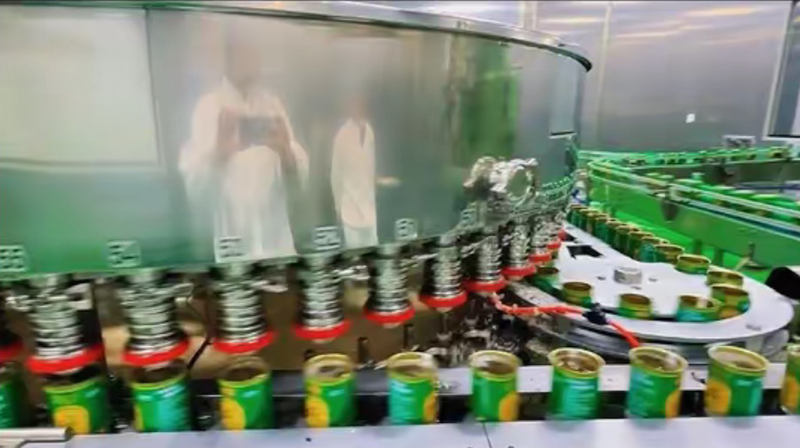
For beverage brands, turning an idea into a product requires strong manufacturing support.
An experienced OEM partner plays a critical role in bringing a Five Elements energy drink to market:
Integrated supply chain capabilities
From raw material sourcing to formulation, filling, and packaging, a full-service manufacturer ensures consistency and efficiency across all stages of production.
Faster time-to-market
With established production lines and formulation expertise, OEM partners can significantly reduce development timelines, allowing brands to launch products quickly.
Quality and compliance assurance
Professional manufacturers are familiar with international regulations and can ensure that products meet standards in different markets.
Scalable production flexibility
Whether launching a pilot batch or scaling to mass production, OEM partners can adjust production volumes to match business needs.
Brands can also explore packaging solutions such as 473ml Aluminum Beverage Cans and product inspirations like:
👉 For custom development, visit: https://www.zhenxindustry.com/pages/serviceFive Elements energy drinks represent a new generation of functional beverages that combine:
Traditional wellness philosophy
Modern nutritional science
Natural ingredient innovation
Five Elements theory provides a strong formulation framework
Major brands have validated market demand
Natural ingredients and clean energy are core trends
Define your Five Elements positioning
Select key functional ingredients
Design natural caffeine strategy
Optimize flavor and stability
Choose premium packaging
It is a functional beverage based on Traditional Chinese Medicine principles, combining natural ingredients with energy components.
They can be, as they often use natural ingredients and lower sugar levels.
Ginseng, goji berry, green tea, and herbal extracts are commonly used.
Yes, OEM manufacturers can develop customized formulas and packaging.
Aluminum cans are widely used for energy drinks due to sustainability and product protection.


