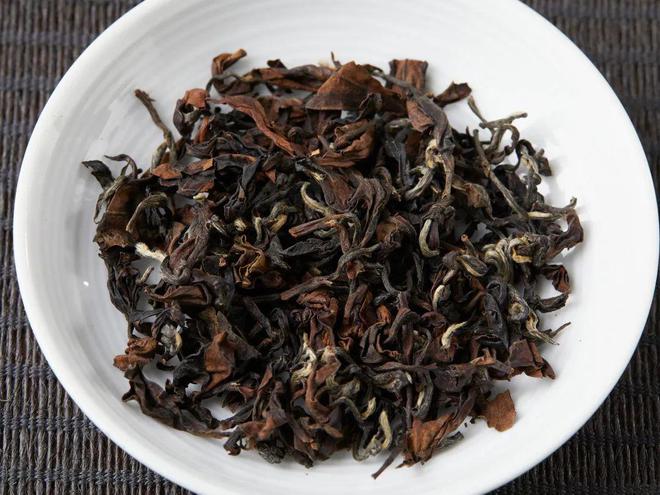
Oolong tea originated in the Northern Song Dynasty, probably from Phoenix Mountain in Jian'ou, Fujian, and became popular during the reign of Emperor Zhenzong of Song. When oolong tea was first made, the picked tea leaves were shaken and squeezed, causing the raw materials of the tea to "redden". After being oxidized by polyphenol oxidase in the tea cells, the edges of the tea leaves turned red and brown, and the tea was semi-fermented, which is why the tea was named "oolong tea". Oolong tea is also one of the six traditional types of tea in my country. As a semi-fermented tea, oolong tea has a thick and tight appearance and a dark brown and oily color. Oolong tea has a natural floral and fruity aroma and the characteristics of "green leaves with red edges". It also has the fragrance of green tea and the mellow taste of black tea, which makes oolong tea different from other teas. Fujian, Taiwan and Guangdong are the main producing areas of oolong tea in my country, and the output of oolong tea in these three provinces accounts for more than 95% of the total output of oolong tea in my country.
In the process of oolong tea processing, there are a series of links such as tea picking, sun drying, dehydration, baking, rolling and drying.
When processing oolong tea, the biochemical characteristics of fresh tea leaves are an important basis for ensuring the quality of the tea. When picking oolong tea, it is necessary to ensure that the fresh leaves have a certain degree of maturity. On the whole, fresh leaves with a thick cuticle can maintain the integrity of fresh leaves when making green, and achieve "green leaves with red edges".
In the sun drying link, there are three main processes: sunlight withering, indoor withering and heated withering. Sunlight withering is mainly concentrated between 4 and 5 pm. By evenly spreading the fresh leaves of oolong tea on the water screen, the tea leaves can be evenly sun-dried. After sunlight withering, the fresh leaves of oolong tea become soft, the luster of the surface of the tea leaves gradually dims, and the fragrance begins to appear. By comparing sunlight withering and heating withering, we believe that the effect of single heating withering is worse than that of sunlight withering. Tea leaves that have not been withered by sunlight have a more obvious grassy smell. However, after excessive withering, the taste of oolong tea will be bitter and the aroma will be low.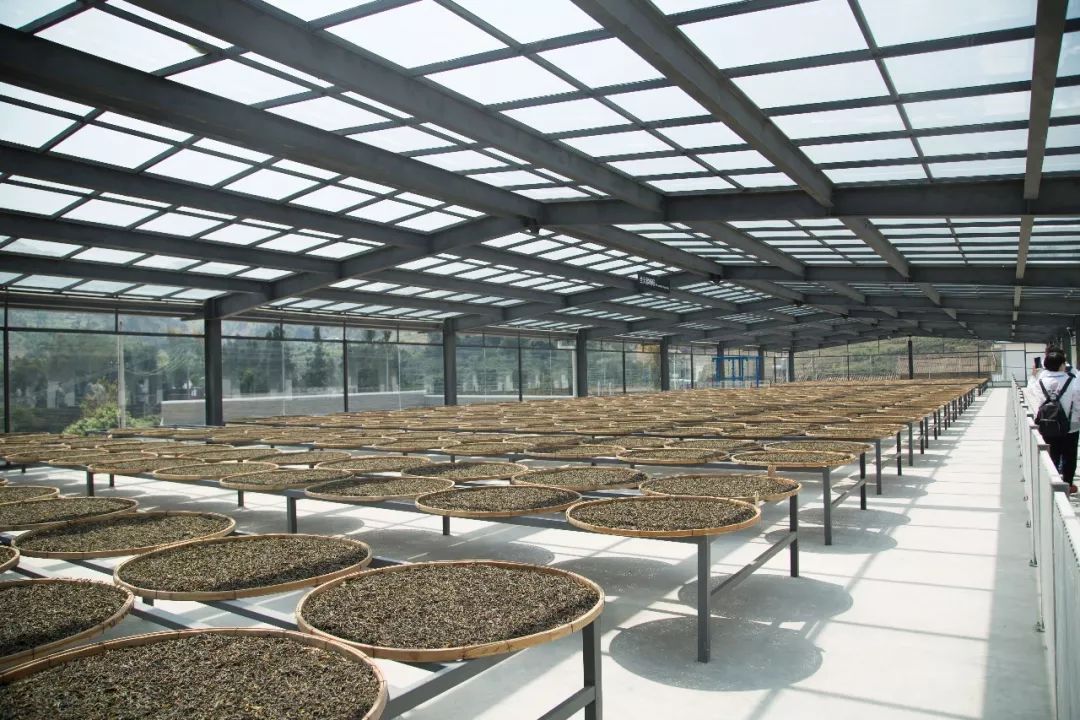
The most important processing link of oolong tea is the process of dehydration. dehydration is the key link to ensure the quality of oolong tea. The procedures that affect the quality of tea dehydration mainly include environment, intensity and method, and even the freshness of the green leaves themselves. The main methods of dehydration currently used are: manual dehydration and mechanical dehydration. At present, when using mechanical green tea, the mechanization of oolong tea is realized by using motors instead of manual power. The intensity of dehydration has an important impact on the quality of oolong tea. After shaking green tea, the leaf margin tissue of oolong tea can be moderately damaged, and the tea polyphenols therein can be reasonably oxidized. By using this process, the moisture and nutrients in the tea stems can be transferred to the leaves. Even after the leaves of the tea lose water, the nutrients do not change, ensuring that the aroma of oolong tea is effectively retained.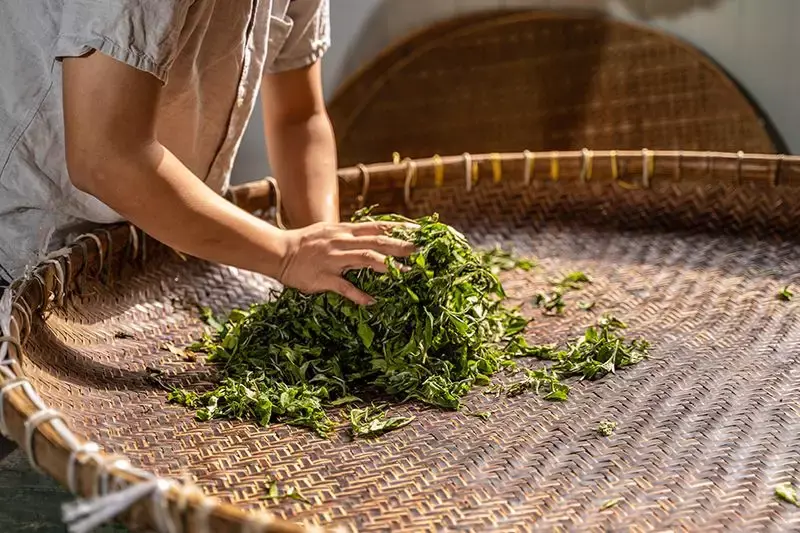
In the processing of oolong tea, the rolling link is crucial. There are three main shapes of common oolong tea. The first is the strip shape represented by Wuyi rock tea. The second is the granular shape represented by Tieguanyin. The third is the square shape represented by Zhangping Narcissus. For Wuyi rock tea, its leaves are larger and have a lower water content, so when rolling, it should be quickly and hot rolled in a short time.
In the process of oolong tea production and processing, drying is the last step of production, which aims to remove the moisture in the dry leaves of oolong tea, fix the external shape of the tea leaves, and at the same time, under specific chemical reactions, give oolong tea the necessary aroma and taste. At present, there have been many studies on northern Fujian oolong in the drying process of oolong tea. In the specific drying process, attention is paid to the application and classification of fire. There are two common classifications: rough fire and full fire. Rough fire is the first process. After the moisture of the tea leaves is dried to about 30%, the drying continues. After the rough fire is over, the tea leaves are spread thinly and cooled, and then the full fire baking and drying is carried out. The full fire mainly uses low temperature to dry and further mature the aroma. Unlike other teas, oolong tea is extremely particular about roasting during the drying process. By implementing a systematic roasting process, the bitter substances such as tea polyphenols in oolong tea are greatly reduced, making the taste of oolong tea more mellow, and the aroma of tea gradually changes to honey aroma.
There are many benefits to drinking oolong tea, which mainly come from the rich active ingredients in oolong tea, such as tea polyphenols, caffeine, amino acids, vitamins and minerals.
1. Antioxidant and anti-aging
Antioxidant effect: Oolong tea is rich in polyphenols, especially tea polyphenols, which have strong antioxidant capacity, can neutralize free radicals, reduce cell damage caused by oxidative stress, and thus slow down the aging process.
Anti-aging: Through its antioxidant effect, oolong tea can protect cells from free radicals and help delay the aging of skin and other organs.
2. Lowering blood lipids and preventing cardiovascular diseases
Lowering blood lipids: Tea polyphenols in oolong tea can reduce the content of triglycerides and cholesterol in the blood, reduce the accumulation of blood lipids, and thus reduce blood lipid levels.
Preventing cardiovascular diseases: By lowering blood lipids and cholesterol, oolong tea helps prevent cardiovascular diseases such as arteriosclerosis and hypertension.
3. Weight loss
Promoting fat metabolism: Tea polyphenols and caffeine in oolong tea can promote fat metabolism in the body and help reduce fat accumulation.
Dissolving fat: Certain components in oolong tea, such as tannic acid, are closely related to fat metabolism and help dissolve fat to achieve the effect of weight loss.
4. Refreshing and Relieving Fatigue
Refreshing: Caffeine in oolong tea can stimulate the central nervous system, improve alertness and concentration, and help refresh the mind.
Relieving Fatigue: The aroma and taste of oolong tea can help improve mental state and increase pleasure, thereby relieving fatigue and stress.
5. Promoting fluid and promoting diuresis and protecting teeth
Promoting fluid and promoting diuresis: Drinking oolong tea can increase water intake, promote the excretion of waste and excess water in the body, and achieve a diuretic effect.
Protecting teeth: Tea polyphenols and fluoride in oolong tea can help prevent tooth caries, inhibit the growth of dental plaque, and have a certain protective effect on teeth.
6. Other effects
Lowering blood pressure: Tea polyphenols and theanine in oolong tea can lower blood pressure and help prevent hypertension.
Enhance immunity: Oolong tea is rich in vitamins and other nutrients, which can help enhance human immunity.
Anti-sensitivity: Oolong tea has an anti-sensitivity effect and can relieve throat discomfort and respiratory allergy symptoms.
1. Insomnia and nervous system disorders
Caffeine effect: Oolong tea contains caffeine, with 30-50 mg of caffeine per 100 grams of tea leaves. It can stimulate the central nervous system and keep the cerebral cortex in a state of continuous excitement, thereby affecting sleep quality. Long-term large-scale drinking or drinking at night, especially drinking before going to bed, can easily lead to difficulty falling asleep, shallow sleep, and even insomnia.
Nervous system disorders: Ingredients such as caffeine and theophylline may also cause nervous system disorders, manifested as anxiety, irritability, and in severe cases, hallucinations or coma may occur.
2. Digestive system problems
Indigestion: Tannic acid in oolong tea affects the absorption and utilization of food by the gastrointestinal tract, which may cause indigestion symptoms such as abdominal distension, diarrhea, nausea and vomiting. If it is not relieved for a long time, it may develop into chronic gastrointestinal diseases.
Aggravate constipation: The polyphenols in oolong tea have a certain astringent effect on the gastrointestinal mucosa, and constipation patients may aggravate constipation symptoms after drinking.
3. Anemia risk
Affect iron absorption: Tannic acid in oolong tea will combine with iron in food to form precipitates that are not easily absorbed by the human body, thereby hindering the absorption of iron. Long-term drinking may lead to iron deficiency anemia, manifested as dizziness, fatigue, pale complexion and other symptoms.
4. Calcium absorption problems
Inhibit calcium absorption: Alkaloids in oolong tea inhibit the absorption of calcium by the duodenum, and long-term drinking may lead to calcium deficiency and osteoporosis. For patients with calcium deficiency or fractures, drinking oolong tea may not be conducive to recovery.
5. Other health issues
Palpitations and chest tightness: Caffeine has a certain stimulating effect, which can excite the sympathetic nerves and thus speed up the heartbeat. Patients may experience chest tightness, shortness of breath, dyspnea and other discomfort symptoms, and even fainting in severe cases.
Increase the burden on the kidneys: Caffeine and other ingredients in black tea (although we are discussing oolong tea here, excessive drinking of any tea may cause a certain burden on the kidneys) need to be metabolized and excreted by the kidneys, and excessive drinking will increase the burden on the kidneys.
1. Fujian Oolong Tea
Tieguanyin: Produced in Anxi, Fujian, it is one of the top ten famous teas in China. Tieguanyin has tight strips, sandy green color, rich and lasting aroma, and mellow and sweet taste.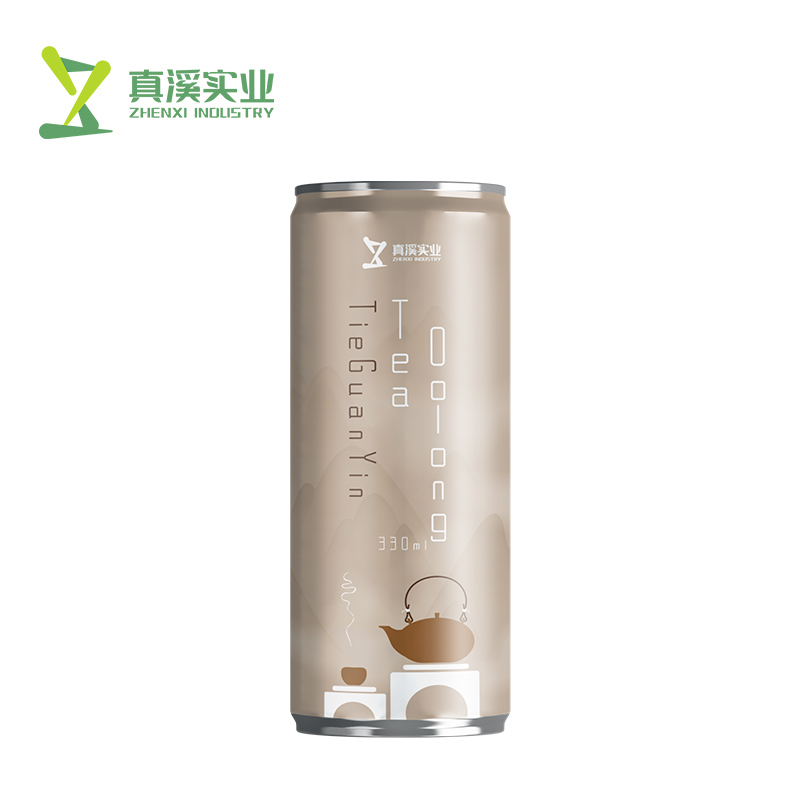
Wuyi Rock Tea: Oolong tea with rock bone and floral fragrance (rock rhyme), the tea shape is like a dragonfly head, the color is brown and moist, the taste is mellow, and there is a distinct rock bone and floral fragrance. Among them, Dahongpao, Tieluohan, Baijiguan, and Shuijingui are the four famous fir trees of Wuyi Rock Tea.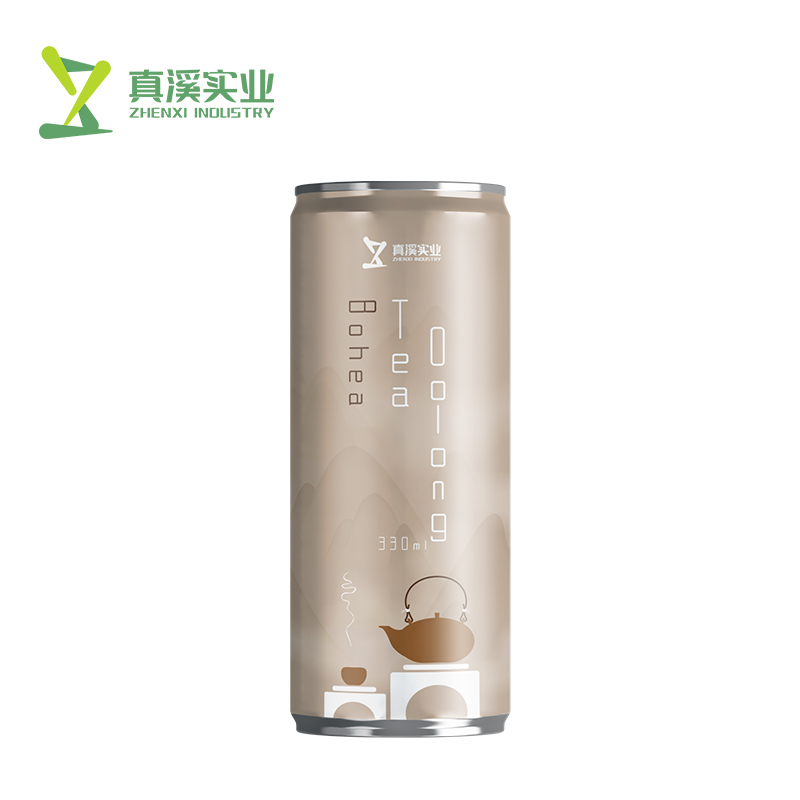
Narcissus Oolong Tea: It is also one of the important varieties of northern Fujian Oolong Tea, famous for its unique aroma and taste.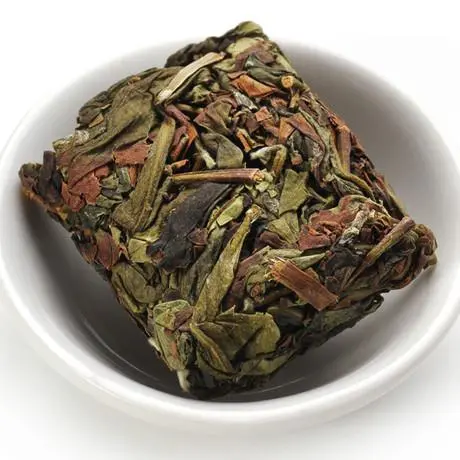
2. Guangdong Oolong Tea
Fenghuang Dancong: Produced in Fenghuang Mountain, Chaozhou, Guangdong, it has a unique mountain rhyme and floral fragrance. Fenghuang Dancong has thick and tight strips, yellow-brown and oily color, clear and long-lasting aroma, and fresh and sweet taste. There are many varieties of Phoenix Dancong, including Songzhong No. 1, Songzhong Baxian, Songzhong Dongfanghong, etc.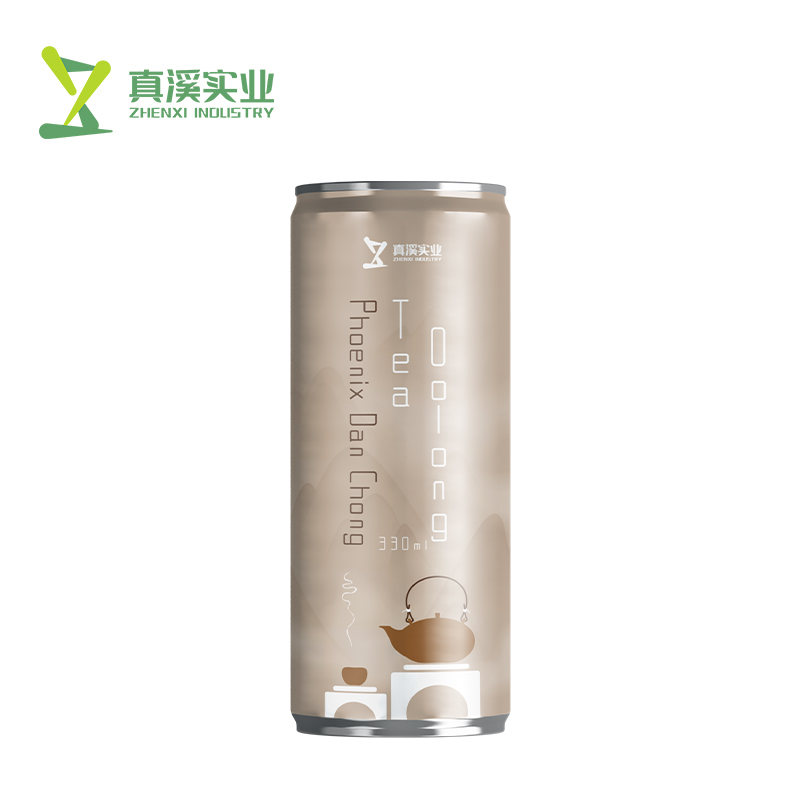
3. Taiwan Oolong Tea
Dongding Oolong: Produced from Dongding Mountain in Taiwan, it is known as the representative of Taiwan Oolong Tea. Dongding Oolong has tight and curled strands, dark green and oily color, elegant and lasting aroma, and mellow and sweet taste.
Oriental Beauty Tea: A famous tea unique to Taiwan, also known as Baihao Oolong Tea. Its tea buds are exposed, the soup is yellow-orange and clear, and the taste is mellow and sweet.
4. Other Oolong Tea Varieties
Cinnamon Oolong Tea: One of the important varieties of northern Fujian Oolong tea, famous for its unique cinnamon aroma and taste.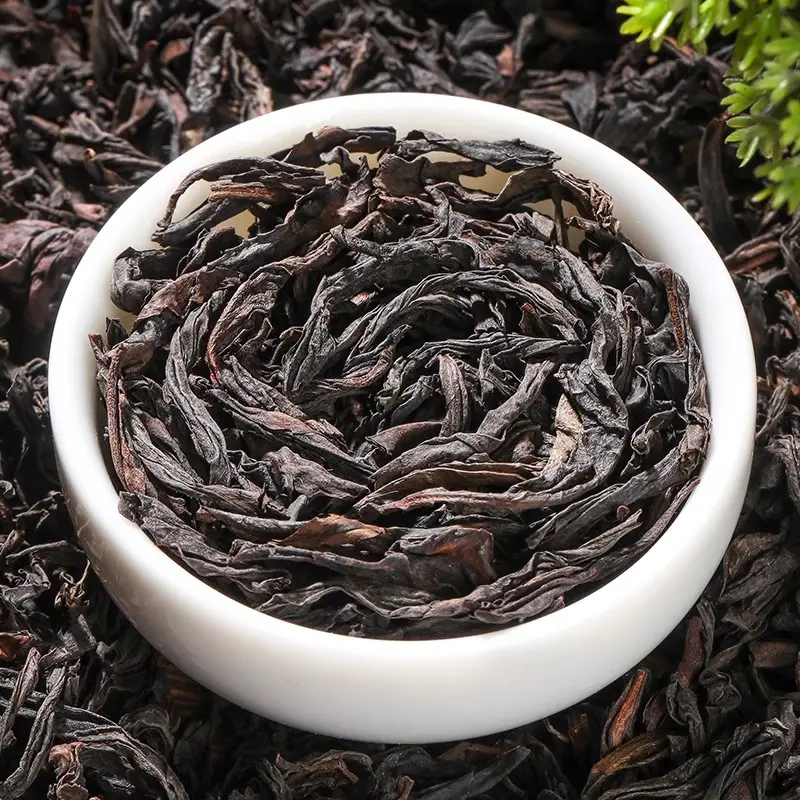
Yongchun Buddha's Hand: Produced from Yongchun County, Fujian, it is praised for its unique Buddha's hand shape and aroma.