The global energy drink industry is evolving rapidly. Launching your own beverage brand is no longer reserved for multinational corporations. With the rise of contract manufacturing and flexible production models, working with a professional private label energy drink manufacturer allows entrepreneurs, distributors, and startups to enter the fast-growing functional beverage market with manageable investment.
If you’re considering launching your own product, this complete guide will walk you through how to start a private label energy drink brand—from concept and formulation to manufacturing, compliance, and marketing.
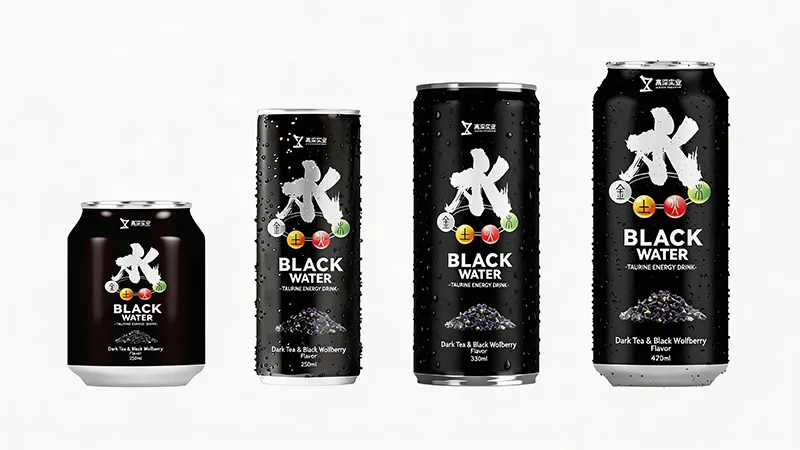
The global energy drink market continues to expand at a steady pace, projected to surpass USD 100 billion within the next few years. The growth is driven by structural shifts in consumer behavior and lifestyle.
Key growth drivers include:
Low-sugar and sugar-free demand is accelerating globally. Consumers are actively reducing sugar intake due to health awareness, obesity concerns, and regulatory sugar taxes. This has opened strong opportunities for zero-sugar energy drinks formulated with alternative sweeteners.
Natural ingredient positioning is becoming mainstream. Ingredients such as green tea extract, guarana, ginseng, and plant-based adaptogens are increasingly favored over purely synthetic stimulant blends.
Functional beverage demand extends beyond “energy.” Modern consumers expect added benefits like hydration, focus enhancement, stress balance, or recovery support.
The customer base has diversified significantly. Energy drinks are no longer limited to athletes. Office professionals, gamers, students, long-distance drivers, and entrepreneurs now form major consumption groups.
For startups, this demand expansion creates strong entry opportunities—especially when partnering with an experienced private label energy drink manufacturer who understands formulation science and export compliance.
Clarity in positioning determines your long-term success.
Different audiences require different formulations and branding strategies:
Gamers and esports communities require sustained focus rather than extreme stimulation. Formulas may combine moderate caffeine with L-theanine to reduce jitters while enhancing concentration during long gaming sessions.
Athletes and gym users prioritize performance and recovery. They typically respond well to high-caffeine, zero-sugar formulas enhanced with electrolytes or BCAAs.
Students often seek affordability and moderate stimulation. A balanced caffeine level with accessible pricing improves repeat purchase rates.
Busy professionals prefer clean-label positioning and premium packaging. They respond positively to moderate caffeine, natural flavors, and sophisticated branding aesthetics.
Successful brands solve clear problems:
Midday fatigue in demanding work environments.
Focus decline during long study or gaming sessions.
Energy crashes caused by high-sugar beverages.
Dehydration combined with physical exertion.
Defining your problem-solution model strengthens marketing clarity and investor confidence.
Your formulation is your brand’s foundation.
Most energy drinks include:
Caffeine acts as the primary stimulant and determines your product’s strength positioning. Dosage typically ranges between 80–200mg per serving depending on target market regulations and consumer tolerance.
Taurine supports metabolic and neurological function. It is widely recognized in performance beverages and contributes to brand familiarity among energy drink consumers.
B-Vitamins assist in energy metabolism. Ingredients such as B6 and B12 enhance perceived functional value while supporting regulatory label claims.
Adaptogens such as ginseng or ashwagandha offer premium differentiation. These ingredients appeal to consumers seeking stress management or sustained mental clarity.
For high-performance positioning, consider: 473ml Taurine Energy Drink OEM Manufacturer
For hydration-focused positioning: 500ml electrolyte energy drink
Your sweetener system impacts taste, cost, and marketing angle:
Traditional sugar provides strong mouthfeel and consumer familiarity but increases calorie count and may trigger sugar taxes in some markets.
Sucralose is widely used for zero-calorie positioning and offers stable sweetness without significant aftertaste when properly balanced.
Stevia supports natural-label marketing but requires careful formulation to avoid bitterness.
Monk fruit extract offers premium natural positioning with smoother sweetness but typically increases ingredient cost.
Flavor is critical for repeat purchases:
Carbonation level influences overall mouthfeel and flavor perception. Slight adjustments can dramatically affect consumer acceptance.
Bitterness masking is essential due to caffeine and taurine presence. Professional formulation ensures balanced sweetness and acidity.
Small batch sensory testing identifies preference trends before mass production.
Compliance errors can damage your brand before it launches.
Important regulatory considerations include:
Maximum caffeine limits vary by country. Exceeding local regulations can lead to shipment rejection or product recall.
Warning labels for high-caffeine beverages are mandatory in many markets. Proper placement and wording must comply with local standards.
GRAS (Generally Recognized As Safe) ingredient status is required in the U.S. All ingredients must meet safety approval standards.
Nutrition facts panels must reflect accurate laboratory testing results. Mislabeling can trigger regulatory penalties.
A qualified private label energy drink manufacturer typically assists with compliance documentation and export paperwork.
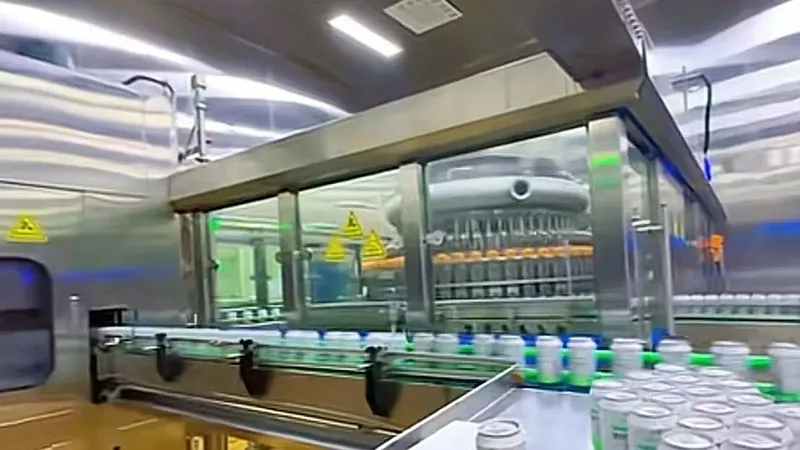
Your manufacturing partner influences cost, quality, and scalability.
When evaluating suppliers, prioritize:
Proven beverage production experience with energy drink formulations. Experience reduces trial-and-error costs.
Flexible minimum order quantities suitable for startups. Lower MOQs reduce financial risk during initial launch.
Recognized certifications such as HACCP or ISO. These indicate structured quality control systems.
Integrated aluminum can filling capability. In-house filling ensures better production coordination.
Export documentation experience for international markets.
For consultation:
👉 Contact us
Before confirming cooperation:
What is the full production lead time from formula confirmation to shipment?
Can sampling be conducted before mass production?
What quality inspection procedures are implemented before shipment?
Is formula customization available for future scaling?
How are defective units handled in export scenarios?
These questions protect your investment.
Packaging determines visibility and brand perception.
Common packaging formats include:
250ml slim cans create modern, lightweight appeal ideal for urban consumers.
330ml sleek cans convey premium positioning and align with trendy beverage markets.
473ml standard cans provide strong value perception and higher volume appeal.
500ml formats support hydration-plus-energy positioning.
Sustainability influences purchasing decisions:
Aluminum cans are highly recyclable and widely accepted in global recycling systems.
Eco-friendly printing inks reduce environmental impact.
Lightweight packaging lowers shipping emissions and freight costs.
Financial planning ensures sustainable growth.
Ready-made private label formulas significantly reduce R&D expenses and accelerate launch timelines.
Custom formulations require higher upfront investment but create stronger brand differentiation.
Typical startup range: $3,000–$10,000+, depending on volume and customization.
Compliance laboratory testing fees can add unexpected expenses.
Freight costs fluctuate depending on destination and fuel pricing.
Graphic revisions may require multiple production adjustments.
Custom mold or packaging adjustments increase initial tooling costs.
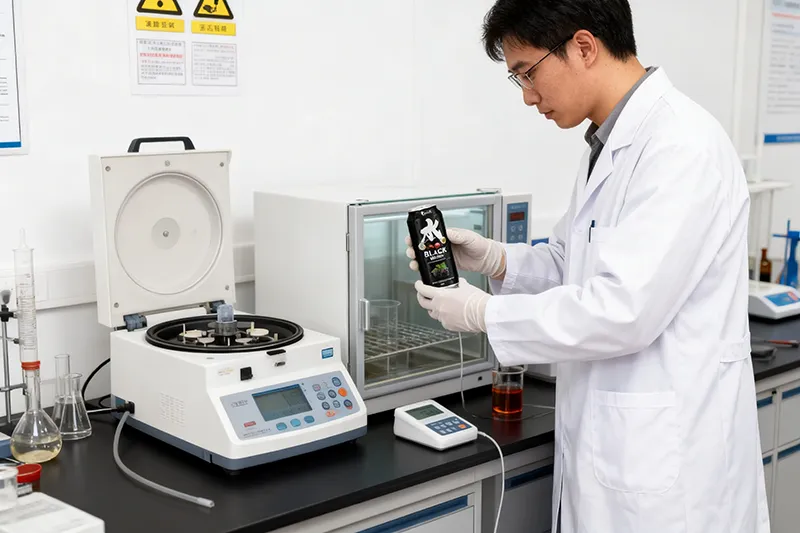
Before mass production:
Conduct flavor validation sessions with target consumers.
Perform carbonation stability tests under different storage conditions.
Verify can durability during simulated transport vibration testing.
Confirm label durability under refrigeration and moisture exposure.
Testing reduces large-scale failure risk.
A consistent logo and typography system enhances recognition.
Color psychology strengthens emotional appeal.
Clear value proposition messaging simplifies consumer understanding.
Social media advertising builds rapid brand awareness.
Influencer partnerships increase credibility among niche audiences.
Event sponsorships create real-world brand visibility.
Retail distribution expands physical accessibility.
Retention drives profitability.
Subscription models encourage repeat purchases.
Limited edition flavors generate excitement and urgency.
Customer feedback informs formula improvements.
Expanding into sugar-free or electrolyte variants strengthens portfolio diversity.
Continuous iteration strengthens market position.
Starting a private label energy drink brand requires strategic planning, strong positioning, regulatory awareness, and the right manufacturing partner.
By working with an experienced private label energy drink manufacturer, you gain access to formulation expertise, aluminum can packaging capability, and export-ready production systems that reduce risk and accelerate growth.
If you are ready to transform your concept into a market-ready beverage product:
👉 Contact Us to discuss your private label energy drink project today.
Minimum order quantity depends on can size, formula type, and packaging customization. Flexible options are available for startups testing their first market batch.
Production timelines generally range from 4–8 weeks after formula approval and label confirmation, depending on customization level.
Yes. Many manufacturers support both ready-made formulas and fully customized formulations tailored to your brand positioning and regulatory requirements.


