Energy drinks are powered by two dominant functional ingredients: caffeine and taurine. If you examine nearly every mainstream formula globally, this pairing appears consistently.
But in the debate of taurine vs caffeine in energy drinks, the real question is not which is stronger — it is how they work together to create the modern energy experience.
This in-depth scientific guide explores:
Their neurological and physiological mechanisms
Clinically studied dosage ranges
Side-effect management
Safety limits and myths
Synergy in formulation science
How OEM energy drink manufacturers design optimal ratios
Whether you are a consumer researching ingredient safety or a brand working with a taurine energy drink manufacturer, understanding this balance is critical.
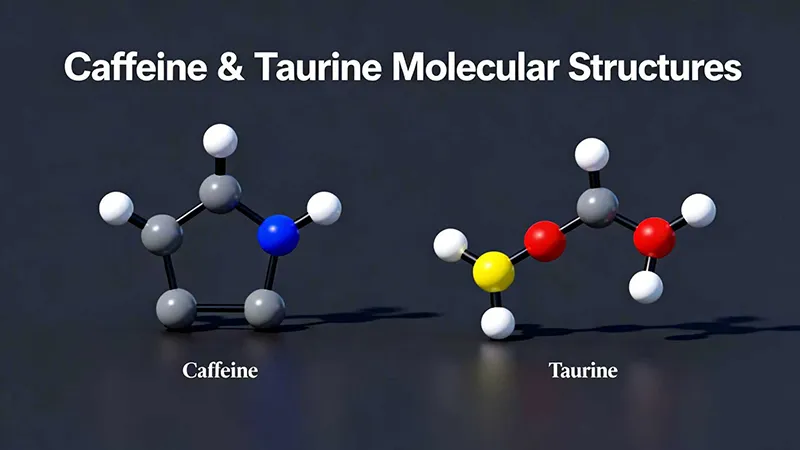
Since the late 1980s, the taurine–caffeine formula has defined the global energy drink industry. It remains the backbone of both premium and mass-market products.
Why has this combination endured for decades?
Because energy drinks must deliver two things simultaneously:
Immediate perceptible stimulation that consumers can feel within 15–30 minutes after consumption, creating a fast association between the product and performance improvement. Without noticeable stimulation, repeat purchases decline dramatically.
Physiological stability that prevents excessive nervousness, cardiovascular discomfort, or sudden crashes after peak stimulation fades. Products that feel too harsh often lose long-term consumer trust.
Regulatory compliance flexibility across multiple global markets, where caffeine limits differ and ingredient approval processes vary. Taurine inclusion allows brands to moderate caffeine without sacrificing perceived performance.
A premium functional image supported by scientific literature rather than pure marketing claims. The taurine-caffeine pairing carries decades of industry validation.
Modern formulations such as the 473ml Taurine Energy Drink OEM Manufacturer or hydration-enhanced solutions like 500ml electrolyte energy drink still rely on this scientific pairing.
Caffeine is the central nervous system stimulant responsible for the “energy” sensation consumers expect.
Caffeine’s mechanism is well documented in neuroscience:
Adenosine naturally accumulates in the brain throughout the day and binds to receptors that signal fatigue and promote sleep readiness. This is why you gradually feel tired after prolonged wakefulness.
Caffeine structurally mimics adenosine and competes for the same receptors, blocking them without activating the fatigue signal. As a result, the brain perceives reduced tiredness even though underlying fatigue may still exist.
Blocking adenosine indirectly increases dopamine and norepinephrine release, enhancing alertness, mood elevation, and reaction speed. This explains the improved cognitive performance often reported after consumption.
The stimulant effect typically peaks between 30–90 minutes and may last 3–5 hours depending on metabolism. Individual sensitivity varies significantly.
In the taurine vs caffeine discussion, caffeine is clearly the ignition mechanism.
Energy drink caffeine levels vary widely:
50–80mg per can is positioned for light daily refreshment and appeals to consumers who want a mild lift without overstimulation. These formulas often target new energy drink users.
100–160mg per can is the global mainstream benchmark, balancing noticeable stimulation with manageable side-effect risk. This range is comparable to strong coffee.
200–300mg per can appears in high-performance products marketed to athletes or experienced users seeking intense stimulation. These formulas require clearer warning labels in many markets.
From an OEM perspective, caffeine dosage affects:
Export regulatory approval
Target demographic segmentation
Risk management and labeling
Brand positioning strategy

Improved alertness allows consumers to combat fatigue during work, study, gaming, or driving. This immediate feedback loop strengthens brand loyalty.
Enhanced cognitive performance may improve reaction time and focus during demanding tasks. Many esports and productivity users rely on this effect.
Temporary endurance enhancement supports athletic output and perceived stamina. Caffeine is widely studied in sports science.
Metabolic stimulation may slightly increase calorie expenditure, contributing to weight-management marketing narratives.
Excessive stimulation may cause jitteriness, particularly in caffeine-sensitive individuals. This is one of the most common complaints.
Elevated heart rate can occur at higher doses, especially when combined with stress or dehydration.
Sleep disruption may result if consumed late in the day due to caffeine’s half-life.
Anxiety amplification may occur in predisposed individuals when intake exceeds tolerance.
This risk profile explains why taurine is frequently included.
Unlike caffeine, taurine does not stimulate the nervous system directly. It functions more as a cellular modulator.
Taurine supports several physiological systems:
Cellular hydration balance helps maintain optimal cell volume, particularly in muscle and nerve tissue under stress. This is critical during physical exertion.
Calcium signaling regulation influences muscle contraction and cardiac rhythm stability. Proper calcium balance reduces strain during stimulation.
Antioxidant properties help neutralize free radicals generated during increased metabolic activity. This may reduce physiological stress associated with stimulation.
Neuromodulatory effects may contribute to calmer cognitive states, offsetting excessive excitability.
Thus, taurine plays a stabilizing and protective role.
Taurine levels typically exceed caffeine in milligram quantity:
600–1000mg per can in standard products to provide supportive functionality without excessive cost increase.
1000–2000mg per can in premium or sports-focused formulas aiming to emphasize performance and endurance support.
These ranges are widely considered safe in healthy adults.
Cardiovascular support through improved vascular function and potential blood pressure modulation.
Muscle performance enhancement linked to improved calcium handling and reduced oxidative damage.
Cognitive stability during prolonged tasks by supporting neurological balance.
Electrolyte synergy when combined with sodium and potassium in sports energy drinks.
This explains why taurine is rarely removed from established formulas.
| Factor | Caffeine | Taurine |
|---|---|---|
| Core Function | CNS Stimulation | Cellular Regulation |
| Onset Speed | Fast (15–45 min) | Gradual |
| Duration | 3–5 hours | Supportive throughout |
| Crash Risk | Possible | Minimal |
| Toxicity Risk | Dose dependent | Very low at normal intake |
Rather than a competition, this is a complementary biochemical partnership.

The phrase “balanced energy” originates from this interaction.
Taurine may support cardiac rhythm stabilization when caffeine increases heart rate.
It may reduce oxidative stress triggered by high metabolic activation.
It may assist in maintaining electrolyte equilibrium during stimulation.
It may reduce the subjective feeling of overstimulation reported by some users.
This combination improves consumer tolerance.
Consumers often report:
Smooth onset rather than sudden spike.
Sustained mental clarity without abrupt crash.
Improved endurance with less perceived strain.
Greater repeat purchase likelihood due to reduced discomfort.
For OEM manufacturers, achieving this balance is central to formulation strategy.
Studies suggest:
Combined taurine and caffeine may enhance endurance performance more effectively than caffeine alone.
Cardiovascular strain markers may remain within safe ranges when taurine is included.
Cognitive focus improvements appear more stable compared to high-dose caffeine-only stimulation.
This research supports long-term category adoption.
Taurine was historically isolated from ox bile, not semen.
Modern commercial taurine is synthetically manufactured through controlled laboratory processes.
It contains no animal fluids and meets strict food-grade standards.
The myth is scientifically incorrect.
Up to 400mg caffeine daily is generally considered safe for healthy adults.
Up to 3000mg taurine daily has shown high safety margins in research settings.
Most commercial energy drinks remain below these limits per serving.
Pregnant or breastfeeding women should limit caffeine intake.
Individuals with cardiovascular conditions should consult healthcare providers.
Caffeine-sensitive individuals may require lower doses.
Adolescents may face regulatory restrictions depending on country.
Moderate caffeine (100–160mg) suits daily productivity use.
Higher taurine inclusion supports smoother stimulation for long sessions.
Electrolyte-enhanced formulas are better for athletic recovery scenarios.
Reading labels carefully prevents unintentional overconsumption.
For beverage entrepreneurs:
Balanced ratios improve consumer satisfaction and reduce complaints.
Moderate caffeine improves export flexibility across different regulatory environments.
Higher taurine inclusion enhances premium functional marketing.
Clear scientific communication strengthens brand authority.
Zhenxi Industry supports:
Custom taurine-caffeine formulation
Export-ready documentation
Multiple can formats
Private label energy drink production
In the debate of taurine vs caffeine in energy drinks, the answer is not either-or.
Caffeine activates.
Taurine stabilizes.
Together, they define the modern energy drink category.
For consumers, understanding this synergy allows smarter choices.
For brands, mastering this formulation science creates long-term competitive advantage.
While not mandatory, taurine enhances stability and supports balanced stimulation, which is why most major brands include it.
Yes, but caffeine-only formulas may feel harsher and produce stronger crash effects in some individuals.
Many mainstream brands use approximately 6–10:1 taurine-to-caffeine ratios, but exact formulation depends on target market and positioning.
No. Taurine is not a stimulant. It supports cellular and cardiovascular function but does not directly stimulate the nervous system like caffeine.


