Türkiye is located in Central Asia, a crossroads connecting Europe and Asia, and a country straddling Europe and Asia. As early as hundreds of years ago, tea spread to Türkiye along the Silk Road. The Turkish people call tea "Cay", which has the same pronunciation as the Chinese word "tea". This is the best proof.
Turkish people love drinking tea and have the habit of "never go a day without tea". Usually adults drink more than 10 cups of tea a day. After many adults get up in the morning, the first thing they do before they even brush their teeth and have a meal is to drink a cup of tea. If you are in Turkey, you can hear the word "tea" uttered from time to time by the locals everywhere. Tea has become the mantra of the Turks. In view of this, Türkiye is called "the country soaked in tea soup". According to statistics from Euromonitor in 2011, the country with the highest annual per capita tea consumption in the world is Turkey, with annual per capita consumption as high as 3,157 grams. To this day, Türkiye’s per capita tea consumption still ranks among the best in the world.
If you are in urban or rural areas of Turkey, you will always see many Turkish people holding a cup of tea in their hands while waiting for the bus, or even while sitting on the roadside to rest. Therefore, in Turkey, whether in cities or villages, teahouses are always dotted around, and tea is also sold in many snack bars. What’s particularly interesting is that when you walk into the streets of the city, you will see or hear that as long as you whistle a few times, the waiter in the nearby teahouse will immediately hold an exquisite tea tray, put a cup of steaming tea, and deliver it immediately. to your eyes. Therefore, when you walk in the streets and alleys of the city, you can see teahouse waiters walking around the streets and delivering hot tea to drinkers door to door. If you are at the boat dock, halfway along the avenue, there is always a dedicated tea seller who keeps shouting: "Freshly brewed hot tea!" This is intended to attract the attention of passers-by who want to drink tea. Even in offices, shopping malls, industrial and mining units, etc., there are also dedicated people responsible for making tea, selling tea, and delivering tea. In school classrooms and offices of enterprises and institutions, there is an electric bell specially installed next to the desk. If people want to drink tea, they only need to press the bell, and a special tea delivery person will bring the hot tea to them with a tea tray and cup. superior. Even students and employees can go to the specially opened tea room to drink tea during breaks between classes and work.
The cups that Turks use to drink tea are mostly small drum-shaped glasses, as well as small spoons and small saucers. When making tea, two copper teapots, one large and one small, are mostly used: first, the large teapot is placed on the charcoal stove to boil water; then the small teapot is placed on top of the large teapot. The amount of tea is larger, usually according to the Brew 1 gram of tea in a ratio of 30 to 50 ml of water. After the water in the big teapot boils, pour the boiling water into the small teapot with tea. After about 3 minutes, pour the strong tea juice in the small teapot into each small glass one by one according to everyone's taste. . Then, pour the boiling water from the large teapot into the small teacup filled with strong tea juice. When it is about 70% full, add a few cubes of sugar and stir evenly with a small spoon until the tea, water and sugar are mixed. Ready to drink.
When Turkish people make tea, they pay special attention to the brewing skills. It is believed that black tea with bright red color, rich aroma, mellow taste and transparent soup is the real good tea. Therefore, when Turkish people make tea, they always boast about their tea-making skills. In some high-end teahouses, there are also dedicated tea-making experts to teach guests how to make tea. Here, you can not only learn Turkish-style black tea brewing techniques, taste Turkish-style black tea, but also experience Turkish-style tea drinking. But Turkish teahouses often don’t use the “tea” label. As long as you see a cafe (room or house), they all provide traditional Turkish tea and Turkish coffee. Here, you can order a cup of Turkish tea and experience the Turkish life style. The most common ones are tea drinkers drinking tea, smoking shisha, and playing chess. When you drink this kind of black tea, you always feel hot, sweet, and sour, which is unique.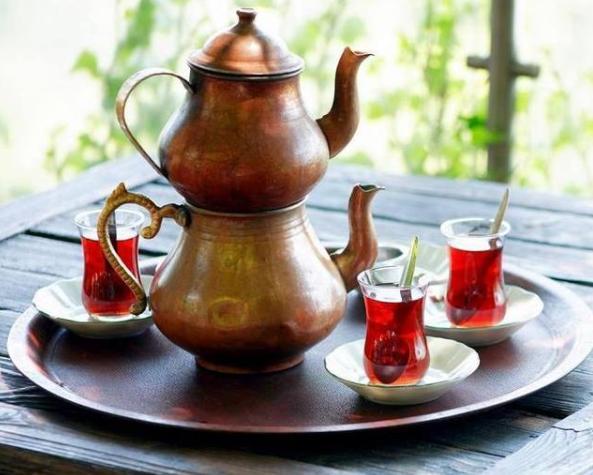
Turks like to drink very hot tea, believing that drinking tea in this way will produce a strong stimulation and a wonderful sense of happiness, which is different from other countries.
All in all, tea has already penetrated into every corner and every class of Turkey, making it a beautiful scenery of life in Turkey.
Iran, also known as Persia in history, is located in southwest Asia, bordering Armenia, Azerbaijan, and Turkmenistan to the north, Turkey and Iraq to the west, Pakistan and Afghanistan to the east, and Kazakhstan and Russia across the sea. It is an ancient country with a history of nearly five thousand years. Tea drinking in Iran has an indissoluble bond with the "Silk Road", and it was one of the countries Zhang Qian passed through on his mission to the Western Regions. Affected by this, tea in Iran is pronounced as "Chayi", which is close to the Chinese name for tea.
Iranians like to drink tea. Many adult men drink about 10 cups of tea every day. The per capita annual tea consumption ranks high among the tea-drinking countries in the world. In Iran, you may not be able to find mineral water, but you will definitely be able to drink warm tea. This shows that Iranians are obsessed with drinking tea.
Since almost everyone in Iran drinks tea, locally produced tea cannot meet the needs of Iranians. Iranians like to drink black tea with sweet and fruity aroma, and India and Sri Lanka are the main regions where they import black tea. Iranians are also very unique in drinking tea. When they drink tea, they usually do not show the brewing process of tea leaves. Instead, they pour the tea soup that has been brewed in the pot into a cup and then bring it to the guests, and ask for it to be served. There should be no black tea particles at the bottom of the tea cup. A good cup of black tea not only requires no tea leaves at the bottom of the cup, but also requires the soup to be oily, amber-like in color, and fragrant in taste.
Iranians drink tea themselves and do not like to add milk and other condiments to black tea. They pursue the original aroma and taste of black tea. However, their way of drinking tea is different from traditional clear drinks. It is a semi-clear drink and a semi-mixed drink. The tea method is called "sipping tea with sugar". When they make tea, they first place the tea leaves in a small pot, pour boiling water into it, and then place the small teapot on top of a special large teapot. Continue to heat the top of the large teapot, so that the steam generated by the large teapot during the heating process will continue to rise to the bottom of the small teapot. While heating the insulated tea, it can also make the tea taste more mellow and make the tea aroma more diffuse to satisfy Iran When people drink tea, they pursue the demand for hot tea soup, strong tea flavor, and high tea aroma. After cooking, pour the tea soup from the small teapot into the teacup. The small teapot has a filter to prevent tea powder from pouring into the teacup. Iranians often use red teacups that complement the black tea soup to drink tea, which is gorgeous and unique. The color of the tea soup is like amber, with a strong and clear fragrance, a thick oily sheen, and no turbidity.
Iranians also love to drink sweet tea, but when drinking tea, in order to taste the original aroma of the tea, they do not put the sugar cubes directly into the tea soup. Instead, they choose to put the sugar cubes directly into their mouths first, and then take a sip of the fragrant tea. Tea soup, let the sugar cube melt in your mouth with the tea soup, and then adjust the sweetness of the black tea according to the taste of the tea and the degree of melting of the sugar cube. This is the unique flavor of "sugary tea sipping" of Iranians. This way of drinking black tea is considered by Iranians to be the best way to drink tea. Iranians are also very particular about the choice of sugar cubes. In wealthy families or high-end teahouses, the sugar tablets served when drinking tea are mostly flaky single crystal rock sugar, with lemon-flavored sugar tablets. It's better, when the two are combined, it tastes like lemon black tea.
Iranian adult men or old men often have the habit of smoking hookah while drinking tea. When they drink tea, they will also be equipped with a long-necked hookah next to them. They drink tea and smoke hookah at the same time, which is full of fun. Because this kind of hookah is filtered by water and the tea can reduce the harm of nicotine, it is more hygienic and tastes smoother than smoking early cigarettes.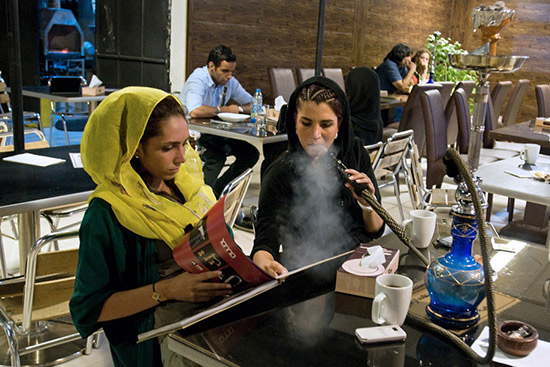
Almost everyone in Iran drinks tea, and they are very particular about the environment for drinking tea. In order to better meet the needs of the people, there are many teahouses. Iranian teahouses or teahouses cater to all walks of life, ranging from relatively simple and elegant teahouses to high-end teahouses with luxurious and exquisite decoration. Iranians love to be close to nature and drink tea outdoors. After the guests arrive, the store will make tea for them indoors, and provide matching teapots, teacups and other tea sets outdoors for the guests to pour and drink by themselves. In this way, they can enjoy the scenery, taste the tea, and chat with friends at the same time, which is natural. I felt the harmonious scene of time, location, and people. Tea is an integral part of Iranian life. They cannot live without drinking tea in their daily life. Iran's state religion is Islam, which prohibits alcohol, so tea has become the best and most appropriate substitute. The health-care functions of tea enrich the dietary structure of the Iranian people and bring them the nutrients they need. For them, tea is a daily necessity and an indispensable spiritual "food"
Drinking tea also enriches the culture of the Iranian people, and it symbolizes beauty and civilization. When a guest comes, offering him a cup of rich tea represents the highest courtesy for Iranians. Tea banquets, tea parties, tea art, and tea talks are all ways of entertaining guests with tea. Tea represents calmness and solemnity, and will not make people delirious like wine when overdone. Therefore, in life, whether friends, subordinates, officials, or superiors, they are all accustomed to using tea as a link to communicate in interpersonal relationships. Iranians even maintain the habit of "talking at night". Drink tea to refresh your mind and replenish your energy; chat with friends in a lively and interesting manner. Conversations in this relaxed atmosphere often last until midnight, and sometimes even all night long. After all, the more you drink the tea, the more flavorful it will be, and the more interesting you will be to talk. The thicker.
Georgia is located in southwest Asia. As early as 1770, Russian Tsar Catherine II gave tea and samovars as gifts to Tsar Irakli of Georgia (then a Russian vassal state), thus creating the first tea drinking in Georgia. Next, because Georgia is located in the central and western Transcaucasus, facing the Black Sea to the west, it has a subtropical Mediterranean climate and a superior ecological environment, which is suitable for tea tree planting. For this reason, the Russians began trying to grow tea in Georgia in 1814. Later, the Russians purchased tea seeds and tea seedlings from China in 1833, planted them in the Nikit Botanical Garden in Georgia, and made tea according to Chinese technology. In 1883, the Russian Solozov transported a large number of tea seedlings and tea seeds from Hankou, China, and opened tea gardens in Batumi, Georgia, and other places in the Transcaucasus. The trial planting yielded initial results. In the 19th year of the reign of Emperor Guangxu of the Qing Dynasty (1893), at the invitation of the Russian royal buyer Popov, Liu Junzhou, then deputy director of the Ningbo Tea Factory in Zhejiang Province, led more than ten technicians and purchased several hundred poods of tea seeds and several tea seedlings. After more than three months of turbulence on the sea, they finally arrived at the Port of Batumi, Georgia, via Guangzhou, and then guided local people to grow tea in Batumi, Georgia, and the Transcaucasus region. Finally, after careful cultivation experiments by Liu Junzhou and others, they finally succeeded after three years and produced the first batch of tea, thus pioneering the cultivation and production of tea in Georgia. Later, Liu Junzhou was invited again and went to Georgia for the second time to develop tea production, making tea growing an industry in Georgia. Before Liu Junzhou, although Georgia had introduced Chinese tea seeds and tea seedlings many times and tried planting them in many places, none of them were successful. In 1900, tea produced in Georgia won the gold medal at the World Industrial Exposition in Paris, France, causing a sensation throughout Georgia. In this regard, in order to commemorate Liu Junzhou's significant contribution to the development of tea production, the Georgian people named the locally produced tea "Liu Tea" and became the originator of Georgian black tea. The house where Liu Junzhou lived and lived in Chakwa Town, Batumi, was opened as the "Liu Junzhou Memorial Hall" for future generations to pay their respects.
Georgia's tea production is mainly distributed in the southern region, where more than 90% of the tea is produced, and the tea produced is mainly black tea. This is related to the fact that most Georgians particularly like to drink black tea, and some Georgians also like to drink green tea. In addition, a small number of people like to drink brick tea and scented tea. But whether they drink black tea, green tea, brick tea or scented tea, most Georgians advocate a cup of pure tea without adding any other seasonings. I think a cup of tea is simple and easy, and there is no need to stick to formalities. Compared with other countries in West Asia who generally like to drink tea with milk and sugar, this is somewhat different and can be said to be unique.
The method of making tea in Georgia is somewhat similar to the roasted tea in the ethnic areas of western China. When making tea, the metal pot is first placed on a fire to bake it to about 100°C; then the tea leaves are put into the hot pot and kept rolling; finally, hot boiling water is poured in to brew. few minutes. In this way, a pot of strong tea with full aroma and mellow taste is ready. This method of brewing tea ultimately requires that the color, aroma and taste are both good: first, the tea is required to be red and lovely when it enters the eyes; second, it is required to smell the strong aroma of the tea when brewing; third, it is required to be poured before pouring. The water can make a "cracking" sound when brewing tea. Therefore, when making tea, Georgians have precise requirements for controlling the fire temperature of the pot and operating methods. They believe that only in this way can the best effect of making tea be achieved.
Today, about 80% of adults in Georgia have the habit of drinking tea. Drinking tea has become an indispensable lifestyle habit for most Georgian families before and after meals, and when socializing with friends. In their daily life, Georgian people also pay special attention to drinking tea in the afternoon. They believe that drinking tea in the afternoon is indispensable, which is beneficial to refreshing the mind and eliminating fatigue. Drinking afternoon tea is more conducive to improving the quality of life.
Iraq is located in southwest Asia and northeast of the Arabian Peninsula. Muslims account for about 95% of the country's population. The people here like to eat dairy products such as beef and sheep, but do not eat vegetables very much. Tea has become the favorite and "friend" of Iraqis because of its digestive effect and rich nutritional content. Strangely enough, according to the "Baghdad Local Chronicle", more than 80 years ago, Iraqis had never seen tea. Today, tea has become an integral part of Iraqi people’s daily life, and it is also an important way to entertain relatives and friends.
Iraqis are accustomed to drinking black tea. At home, housewives usually make tea. They put the tea leaves in the teapot, add water, and then put them on the stove to boil. When the tea boils, the color changes from red to black, and the concentration changes from light to dark, the tea leaves are filtered out with a filter spoon. Tea residue. At this time, the housewife will immediately prepare a clean tea cup, put sugar in the cup, and pour the tea. As for drinking tea in the wild, it is relatively casual.
Compared with most other Arab countries, Iraqis drink black tea with three unique characteristics: First, on a national scale, Iraqis drink relatively single types of tea, especially black tea, and the tea they drink is highly concentrated. As for other teas, such as green tea, oolong tea, scented tea, etc., it is difficult to see them. Second, when Iraqis drink black tea, they like to add a lot of sugar to the tea. When some people drink black tea, the amount of sugar often exceeds the amount of tea. Some people even put half a cup of sugar in a cup of tea, which is so sweet that it makes their throats itch. , this habit often makes it difficult for foreign guests to accept it. Third, Iraqis like to drink tea in small glass teacups with Arabic style. This kind of teacup called "Asta" makes the tea soup appear red and clear, and it is very gentlemanly to drink tea while holding it.
Iraq is adjacent to Iran to the east, so the tea-drinking customs are relatively close to those in Iran, so there is also a tea-drinking custom of "sipping tea with sugar". When drinking tea, brew a cup of strong black tea first and then pour it into the cup. In addition, prepare a plate with white sugar. When drinking, first lick the white sugar with your tongue. At this time, the white sugar will stick to the surface of the tongue. Then pick up the tea cup and take a sip of black tea. Swallow it slowly, allowing the tea to mix with the surface of the tongue. The white sugar on top blends with each other, and the tea water is used to adjust the sweetness of the black tea. This tea drinking method of freely adjusting the sweetness of black tea in the mouth is completely different from ordinary tea. It can be adjusted freely according to everyone's taste, making tea drinking a unique style.
Iraqis believe that their custom of drinking black tea was spread from Turkey. Because Iraq was ruled by the Ottoman Turkish Empire for a long time, it was deeply affected.
Nowadays, tea has become a daily necessity for the Iraqi people. Government agencies, schools, enterprises and institutions and other institutions are equipped with tea-making workers. When you sit in the office and press the button on the table, there will be a dedicated tea-making worker. Serve you a cup of steaming black tea. In every Iraqi family, making tea is a special skill of every housewife. Housewives are proud to be able to make a good cup of tea, which makes them look very educated and bring glory to the whole family.
There are teahouses of varying sizes everywhere in cities and towns in Iraq. Tea is always available at airports, hotels and restaurants. Even in the streets and alleys, you can always see tea waiters wearing long robes, white scarves and carrying copper tea trays selling tea through the streets. If there are visitors at home, the host can order tea for drinking at home or at a nearby teahouse. At that time, many hosts also liked to accompany their guests to teahouses to drink tea and tell stories.
However, there are some taboos about drinking tea in Iraq, which must be paid attention to. This is why Iraqis prohibit using their left hand to serve tea or receive food. They regard the left hand as a dirty hand and believe that using dirty hands to pass food is actually an insult to people.
Afghanistan is located at the intersection of West Asia, South Asia and Central Asia. It has a continental climate, with dry and little rainfall throughout the year. The annual and daily temperature differences are very large. From an ecological point of view, it is basically unsuitable for tea tree cultivation and naturally cannot produce tea. However, the people of this country are particularly fond of tea, this magical oriental leaf. In order to meet the tea demand of the domestic people, Afghanistan imports green tea from China and black tea from Kenya - they drink green tea in summer, especially Chinese fragrant tea, and black tea in winter.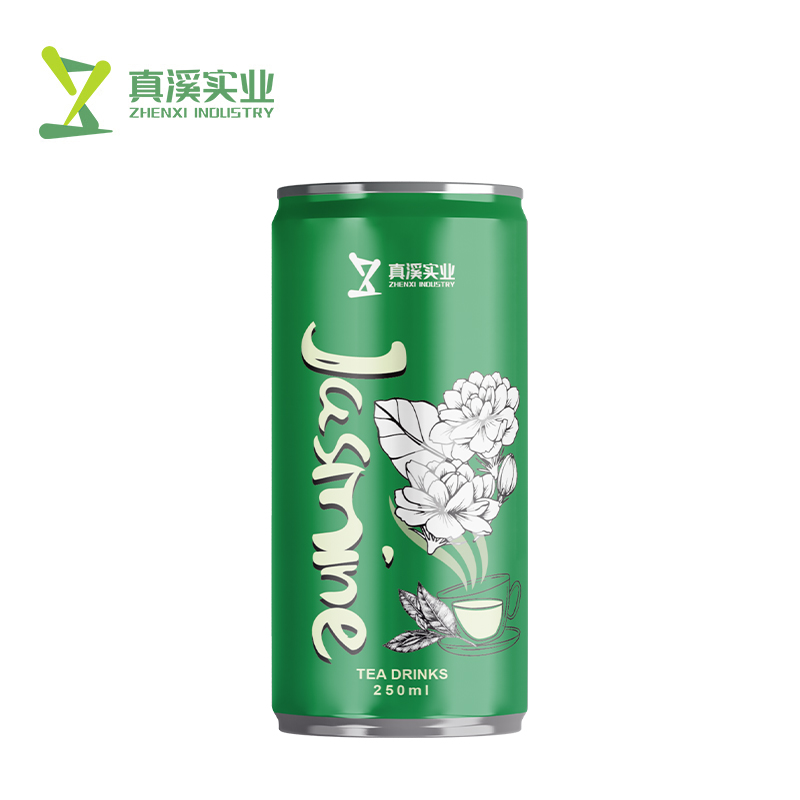
Before World War II, Afghanistan struggled to survive under the competition between Britain and Russia, and later became a pawn in the struggle between the United States and the Soviet Union for hegemony. The lives of Afghans were more or less affected by the Soviet Union, and the same was true for drinking tea. However, this impact is not very profound. Afghans are keen on drinking tea because 99% of Afghans believe in Islam, and the "Quran" teaches them to stay away from alcohol that makes people lose their mind. In addition, in Afghan recipes, naan, pilaf, beef, mutton, chicken, and various dairy products are the main themes of life, and the food they eat is mainly sour, spicy, and fragrant. This eating habit is obviously nutritionally unbalanced. Compared with vegetables that are difficult to obtain, tea can not only supplement the nutrients lacking in their unbalanced diet, but also eliminate fat and relieve greasiness. Therefore, tea has become another popular beverage after milk. This trend of popularity seems to be inevitable.
Afghans drink green tea, black tea and a small amount of brick tea, as well as mixed tea. In rural areas of Afghanistan, people drink milk tea. The preparation method of this kind of tea is rather strange: when making it, the tea leaves are first put into boiling water and boiled for a few minutes, and then the tea soup is filtered out. Use another pot, add fresh milk, simmer over low heat until thickened, then add the milk to the tea soup, sprinkle in an appropriate amount of salt, boil again and drink. It should be noted that the thickness of milk tea can be adjusted according to each person's taste. Usually, the amount of milk added is one-quarter of the amount of tea soup. This tea blend tastes salty, thick, and fragrant, which is amazing. In terms of flavor, it is similar to Mongolian salty milk tea. There are also those who do not like salty taste but prefer sweet taste, and the way of drinking tea is more novel. They often hold sugar cubes in their hands and bite the sugar while drinking tea. The sugar cube slowly releases sweetness in the mouth and blends with the tea, which is a very wonderful experience.
In summer, the hospitable Afghans will place several beds next to the rural mosque. No matter who comes to the village, the first thing the Afghans do is to help the guests unload their luggage, give them a bowl of milk tea, and take a rest here. moment.
In rural areas, a bowl of salty milk tea is a courtesy to guests, but in cities, Afghans entertain guests more grandly. They greeted guests around the samovar "Samavale" (this samovar is generally round, with a wider top and a lid; the bottom is narrower, with a faucet installed, a chimney in the middle, and charcoal can be burned at the bottom, mostly made of copper Made. Similar in function and purpose to a Russian samovar). This kind of samovar is very common in Afghanistan and can be seen in tea shops and teahouses on the streets. The "Samawale" in public places has a larger capacity and can hold 10 kilograms of water for the convenience of many people. The ones used in Afghan households are generally The volume is 1~2 kg. The host and guests gather around the "Samavale", making tea and drinking tea, while chatting. This is not rude, but also deepens the relationship, killing two birds with one stone.
In Afghanistan, there is a saying of “three cups of tea”. The first cup of tea is to relieve the fatigue of the journey for the guests who have come from afar, so it is called "thirst quenching tea"; the second cup of tea is to convey cordiality and goodwill and hope that friendship will last forever, and is called "friendship tea"; A cup of tea is a way to express respect for guests and is called "ceremony tea". After drinking three cups of tea, if you still want to drink more, then there will be a fourth and fifth cup until the guest expresses his thanks. According to etiquette, it is best for guests to finish the first three cups of tea. If they do not want to drink any more, they need to cover the cup with their hand to express their gratitude.


