The aluminum can market hits USD 28.10 billion this year, up from last year's numbers, with shipments climbing 1% overall in beverages like soft drinks and beer. You see this push everywhere—grocery aisles stocked with sleek cans. These 10 trends cover smart tech, design tweaks, and production hacks to keep your lines humming and your clients happy. They draw from real shifts in the industry, like the rise of interactive labels and e-commerce-ready packaging that cuts shipping woes.
Take ZhenXi, a powerhouse with two decades in the game. They've nailed one-stop OEM and ODM for beverages, from tea to energy drinks, handling everything from raw material sourcing to final seals. Their team, certified in ISO9001, FSSC22000, and HACCP, ensures every batch passes strict checks—from pH tests to microbial scans.

You run a tight operation, juggling orders from soda brands to craft brewers, and one slip in efficiency means lost revenue. Prioritizing these innovations means faster runs and happier clients, especially when e-commerce booms and demands durable cans that ship without a scratch.
|
Global Aluminum Beverage Can Market Outlook (2023–2025) |
2023 |
2024 (Est.) |
2025 (Proj.) |
|
Global Market Size (USD Billion) |
26.7 |
27.5 |
28.1 |
|
CAGR (2023–2025) |
– |
– |
2.4% |
|
Share of Beverage Applications |
72% |
73% |
74% |
|
E-commerce Contribution to Sales |
9% |
12% |
15% |
Source: Statista & Mordor Intelligence, “Beverage Packaging Market Forecast 2025”
Key takeaways:
High-speed necking processes let you crank out 18,000 bottles—or cans—per 40HQ container without bottlenecks. Factories with advanced lines adjust scales on the fly, ramping up for peak seasons like summer thirst rushes.
QR codes on cans link straight to recipes or polls, pulling buyers back to your brand. A simple scan during a backyard barbecue turns a one-off purchase into repeat loyalty.
Private labels with your client's logo hit MOQs as low as 300,000 for printing, letting small brands test flavors without huge upfront costs. It's that flexibility that keeps you ahead of rigid competitors.
Grab the Slim 250ml Aluminum Cans Private Label for those quick-hit energy shots. At 10g per can, they pack light for gym bags, and their sleek profile fits vending machines perfectly—ideal when clients push for on-the-go formats.

Shape matters more than ever; a clunky can gathers dust on shelves while a slim one flies off. You know the drill—buyers grab what feels right in hand during a rushed store run. These trends tweak forms to match real life, from hikes to desk drawers.
Narrow 250ml sleeks slip into pockets easier than bulky standards, cutting waste in trial packs. Runners love them for marathons, where every ounce counts.
Stay-on tabs with softer pulls reduce finger strain, a small win that cuts returns from frustrated users.
From 220ml minis for kids' juices to 500ml tall boys for seltzers, heights flex to fit any pour. Mixers in cocktails get precise fits without spills.
The Standard 500ml Aluminum Cans Private Label shines here, holding 18,000 units per 40HQ at 20 tons gross. Perfect for sodas that need that classic grip, or juices demanding stable seals.
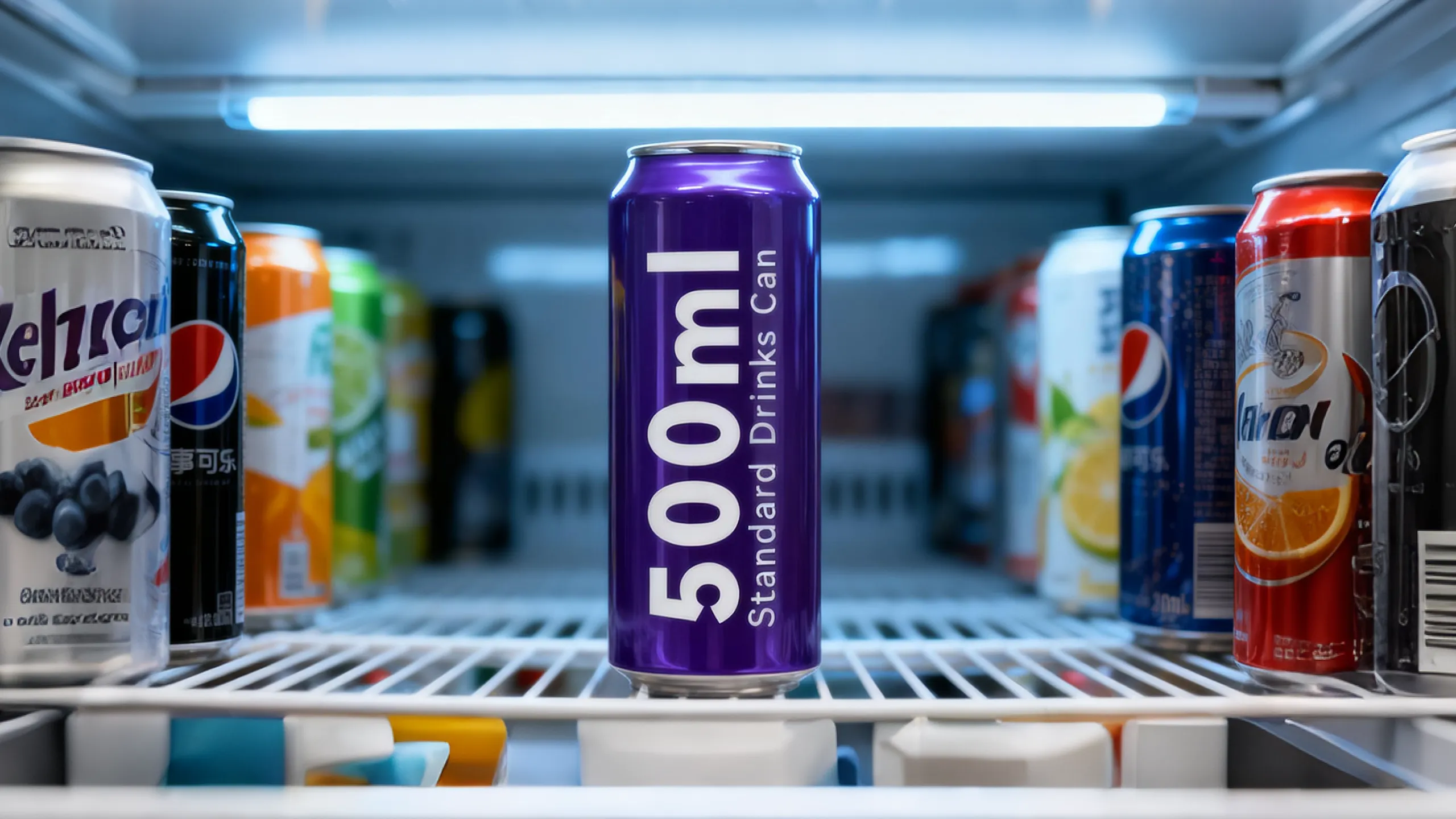
Printing isn't just ink anymore; it's your client's story wrapped around metal. You print thousands daily, so techniques that pop under store lights or phone flashes keep orders rolling in. Skip the bland, and watch shelf space grow.
Up to seven colors per panel make logos gleam, drawing eyes in crowded coolers. A citrus drink brand boosted sales 15% with vibrant peels that mimicked real fruit.
Embossed grips or debossed waves invite touch, turning a grab into a linger. Coffee roasters use this for "feel the roast" vibes that seal deals.
Glow-under-UV accents shine at events, making cans beacons in dim bars. Party mixes stand out when others fade to gray.
Pair those fluors with slim cans for iced lattes; ZhenXi's process starts with your AI file, confirms colors via video, then plates for flawless runs. MOQ hits 400,000 for sleeks, but proofs run 9,000 RMB to nail it first.
Durability keeps cans intact from factory to fridge, and you hate callbacks for dents or leaks. These tweaks make metal tougher without adding weight, so shipments arrive pristine every time.
11g sleeks hold pressure like heavies, easing truck loads by tons per haul. One fleet shaved fuel costs 10% on cross-country beer routes.
BPA-free epoxy layers block acids in juices, extending shelf life to 12 months. Tea blenders swear by them for no off-tastes after months stacked.
Double-rolled edges withstand 120°C pasteurization, vital for carbonated fizz.
Standard 500mls with these seams pack 52,800 per 20' container at 20 tons. ZhenXi's lines dedicate to carbonated runs, isolating from juices to avoid cross-flavors.
Smart cans talk back to users, and you build them to bridge factory floors with end shelves. Forget static metal; these add layers that track journeys and spark chats, easing your client's worries over fakes or freshness.
Scans pull up nutrition facts or AR filters, handy for allergy checks at parties. Energy drink makers use them for workout tips that hook gym rats.
Tap phones for batch histories, from mill to mixer.
Color shifts warn of heat spikes, key for craft ales in hot trucks. One distributor caught a bad load early, saving a recall.
Slim 250mls take NFC easy; add them during filling for taurine-packed shots that verify potency on arrival. ZhenXi's R&D tweaks formulas in a week, testing stability under simulated hauls.
Filling lines bottleneck fast, but these steps smooth the flow so you hit deadlines without overtime rushes.
Automated necks shape 7,755 cans per pallet in minutes, syncing with fillers at 2,200 boxes per 20'. Speeds match peak soda demands.
202 CDL lids snap on at 204,000 per pallet, with sensors catching misaligns. Reduces waste to under 1% on long runs.
Nitrogen widgets infuse fizz steadily, holding 6.3% ABV beers without foam overflow. Brew cycles drop to 45 days.
If you want to explore how metal packaging technology continues to evolve through supply chain innovation, check out our detailed guide How Are Beverage Cans Suppliers Driving Innovation in Metal Packaging? — it explains how modern suppliers merge automation, sustainability, and digital monitoring to push the industry forward.
Standards fill seamless at 12 cans per box, loading 4,100 to a 40HQ. ZhenXi's dedicated carbonated bays mix, fill, and cool in one go, with COA reports for every batch.
Customization defines branding agility. Flexible OEM/ODM services let brands scale flavor, print, or pressure with minimal downtime.
Want to explore more about aluminum can innovations, sustainable packaging shifts, and real-world case studies from ZhenXi's 20-year journey? Click here to check out our past blog posts!
Q1: What MOQ applies to custom aluminum cans?
A: Starts at one container for standards, or 300,000 for printed runs, with flex for trials down to thousands.
Q2: How long does printing proofing take?
A: About a week from AI file to video confirm, plus 2-3 weeks peak for full plates.
Q3: Can cans handle high-pressure carbonation?
A: Yes, reinforced seams take 120°C pasteurization, holding fizz up to 12 months.


