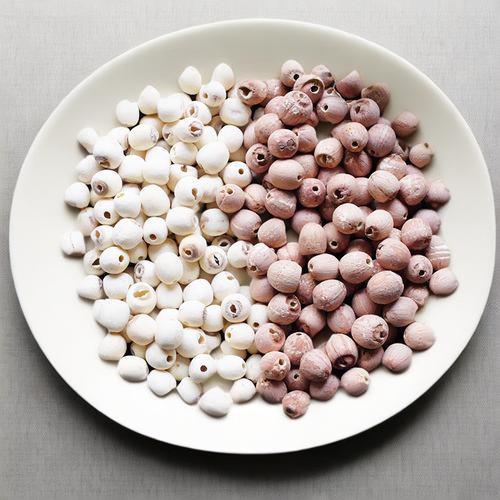
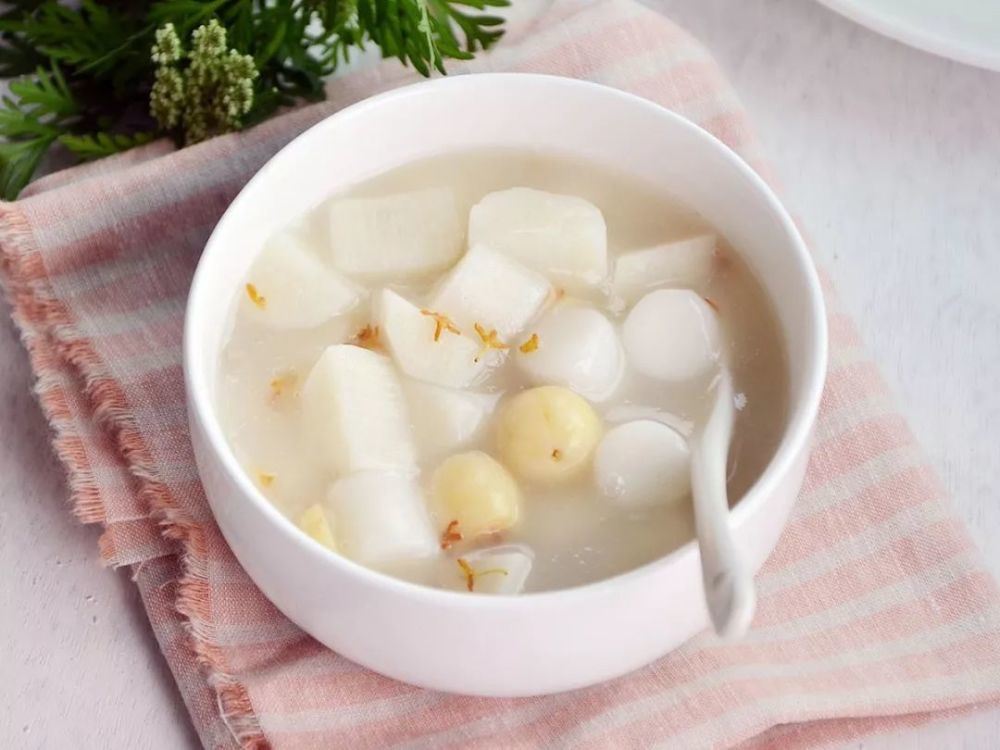
Lotus seeds are an aquatic herbaceous plant of the genus Nelumbo of the Nymphaeaceae family. They are the mature seeds of lotus and are common food ingredients with medicinal and edible properties. They have the effects of nourishing the heart and calming the mind, tonifying the spleen and stopping diarrhea, and benefiting the kidneys and astringing the essence, and have high nutritional value.
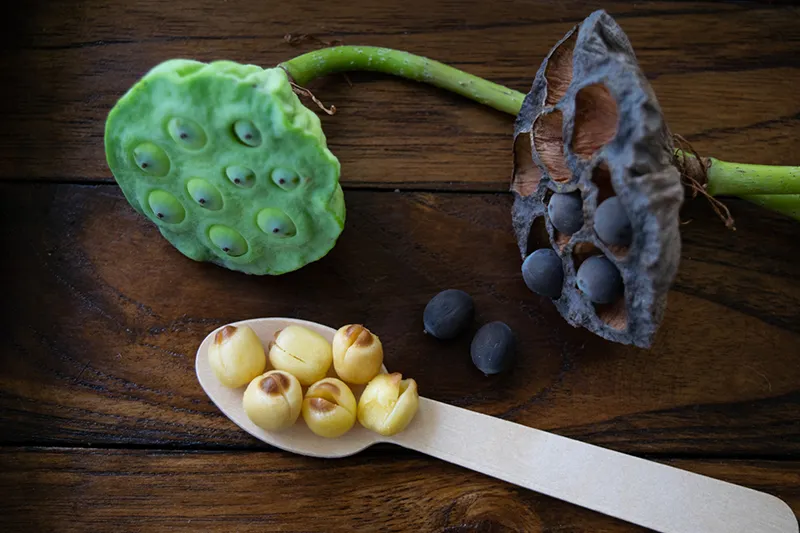
Traditional Chinese medicine believes that lotus seeds are sweet, astringent, and neutral in nature; they belong to the spleen, kidney, and heart meridians; they have the effects of tonifying the spleen and stopping diarrhea, stopping leukorrhea, benefiting the kidneys and astringing the essence, nourishing the heart and calming the mind. It can be used for spleen deficiency diarrhea, leukorrhea, spermatorrhea, palpitations and insomnia. "Shennong's Herbal Classic": tonifying the middle and nourishing the spirit, strengthening the qi and strength, eliminating all diseases, taking it for a long time, lightening the body and resisting aging, and not being hungry and prolonging life.
Lotus seeds are rich in protein, fat, carbohydrates, vitamins and minerals, and are a nutritious food. The protein it contains can provide the body with the energy it needs, and it can also promote muscle growth and repair. The presence of fat helps maintain the body's heat and energy and protect the internal organs. Carbohydrates are the main source of energy for lotus seeds, which can provide the body with the required heat.
Lotus seeds are also rich in vitamins, such as vitamin B, vitamin C and vitamin E, which are very important for the normal functioning of the body. Vitamin B can improve the body's metabolism, vitamin C is a powerful antioxidant, and vitamin E helps maintain healthy skin and immune system.
Lotus seeds have a variety of effects and functions. First of all, lotus seeds have the effect of tonifying the spleen and kidney, and have a certain improvement effect on symptoms such as weak spleen and stomach and kidney deficiency. Its rich protein and vitamin B can provide energy and promote muscle growth and repair.
Lotus seeds also have the effects of moistening the lungs and relieving coughs, strengthening the spleen and stomach, clearing away heat and detoxifying, and strengthening the brain and improving intelligence. The polyphenols in lotus seeds can resist oxidation, reduce the damage of free radicals, improve immunity, and also help improve sleep and eliminate fatigue. The nutrients in lotus seeds can also nourish the skin and help beautify the face. Lotus seeds also have the effects of lowering blood pressure, blood sugar and blood lipids, and have a certain effect on preventing and controlling some chronic diseases.
Fresh lotus seeds have a layer of green peel and a layer of tender seed coat inside. Remove the green peel and keep the seed coat, and the lotus seeds are red, which is red lotus. Remove the seed coat and the lotus seeds are white, which is white lotus.The effects of red lotus and white lotus are different.
Red lotus
If you have a bad complexion and wake up easily when sleeping, you can eat more red lotus. If you don't have these problems, you can simply distinguish them by fat or thin: fat people can eat more red lotus.
White lotus
White lotus tends to replenish qi and spleen and lungs, and is suitable for daily health care for people with spleen and qi deficiency. If you have dry skin and fall asleep slowly, you can eat more white lotus.
Different material selection and processing methods will make the function and quality of lotus seeds vary greatly. There are some inferior lotus seeds on the market that are harmful to the human body, so you must pay attention to identification.
Inferior white lotus
Grinded white lotus: Use a machine to remove the peel and grind the old lotus seeds. Features: round head, the tips at both ends are flattened, there is residual red skin, and the texture is obvious. Grab it with your hands, and you will get a layer of white powder on your hands.
Medicinal lotus seeds: Lotus seeds that have been peeled with medicinal water, treated with bleach, fluorescent whitening agents and other chemical methods look very attractive, but are harmful to the human body. Features: whitish color, no red skin, swelling at the knife marks, muffled sound, not mushy when cooked, no obvious expansion in volume after cooking
Healthy white lotus
Good white lotus is yellowish in color, with natural wrinkled skin, fragrant, and swells after cooking. White lotus is suitable for making soup, white fungus, porridge, and cooking. It is very convenient to put a handful. For fresh and tender lotus seeds like this, there is no need to soak them. They are cooked directly and quickly. They have a glutinous taste and melt in the mouth.
Inferior red lotus
In the past, people thought that red lotus was not good and could not be stewed. This is because the market generally made old red lotus. That is, when the lotus seeds are old, it is difficult to peel them and cannot be made into white lotus, so they are used to make red lotus. Such red lotus is not good.
Health-preserving red lotus
Good red lotus is made of tender lotus seeds, with a lighter color. When eaten dry, it is as fragrant as chewing peanuts. It is a pity to eat this kind of good red lotus boiled. You can grab a handful every day and chew it, just like chewing peanuts. People with bad teeth can soak it in boiling water and eat it after softening. It is also very fragrant.
The functions of eating lotus seeds raw and cooked are different, and each has its own benefits. "Yilin Zongyao" mentioned that lotus seeds "chewed raw with the skin removed are the most beneficial to people. They can eliminate restlessness, quench thirst, astringe essence, harmonize blood, stop nocturnal emission, and regulate cold and heat. Cooking only treats spleen diarrhea, chronic dysentery, and thicken the intestines and stomach, and the function of connecting the heart and kidney is reduced. If the skin is removed, there is no astringency, and its function is limited to tonifying the spleen."
It is recommended that middle-aged and elderly people, especially those who do mental work, eat lotus seeds frequently to strengthen the brain, enhance memory, and prevent Alzheimer's disease.
01 Lotus seed and yam porridge
Ingredients:40g lotus seed meat (core removed), 20g Chinese yam, 10g chicken gizzard lining, appropriate amount of glutinous rice.
Method:Put them together in a casserole and cook into porridge.
Effects:It has the effects of strengthening the spleen and stomach, stopping diarrhea, and increasing appetite.
02 Lotus seed, red date and longan soup
Ingredients:30g lotus seeds, 20g red dates and longan meat each, appropriate amount of rock sugar.
Method:Remove the core of lotus seeds and the pit of red dates, put them together in a casserole, add water and stew, and add rock sugar for seasoning.
Effects:It has the effects of strengthening the spleen and blood, nourishing the heart and calming the nerves.
03 Tremella lily lotus seed soup
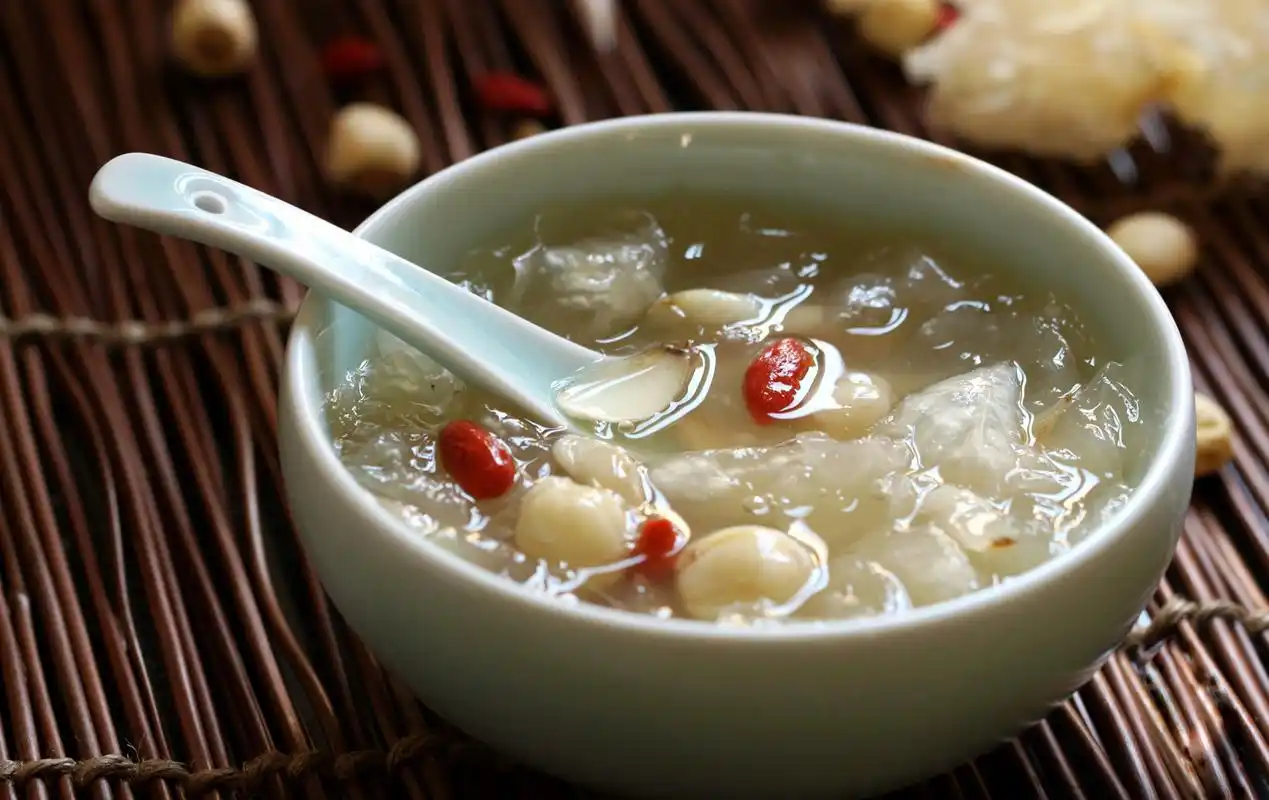
Ingredients:40g lotus seeds, 10g Tremella 10g lily.
Method:Soak all the food for 1 hour, pour it into the pot, add appropriate amount of water, boil over high heat and then simmer over low heat for 1 hour. You can add appropriate amount of rock sugar for seasoning.
Effects:It has the effects of nourishing the heart and calming the mind, moistening the lungs and relieving cough.